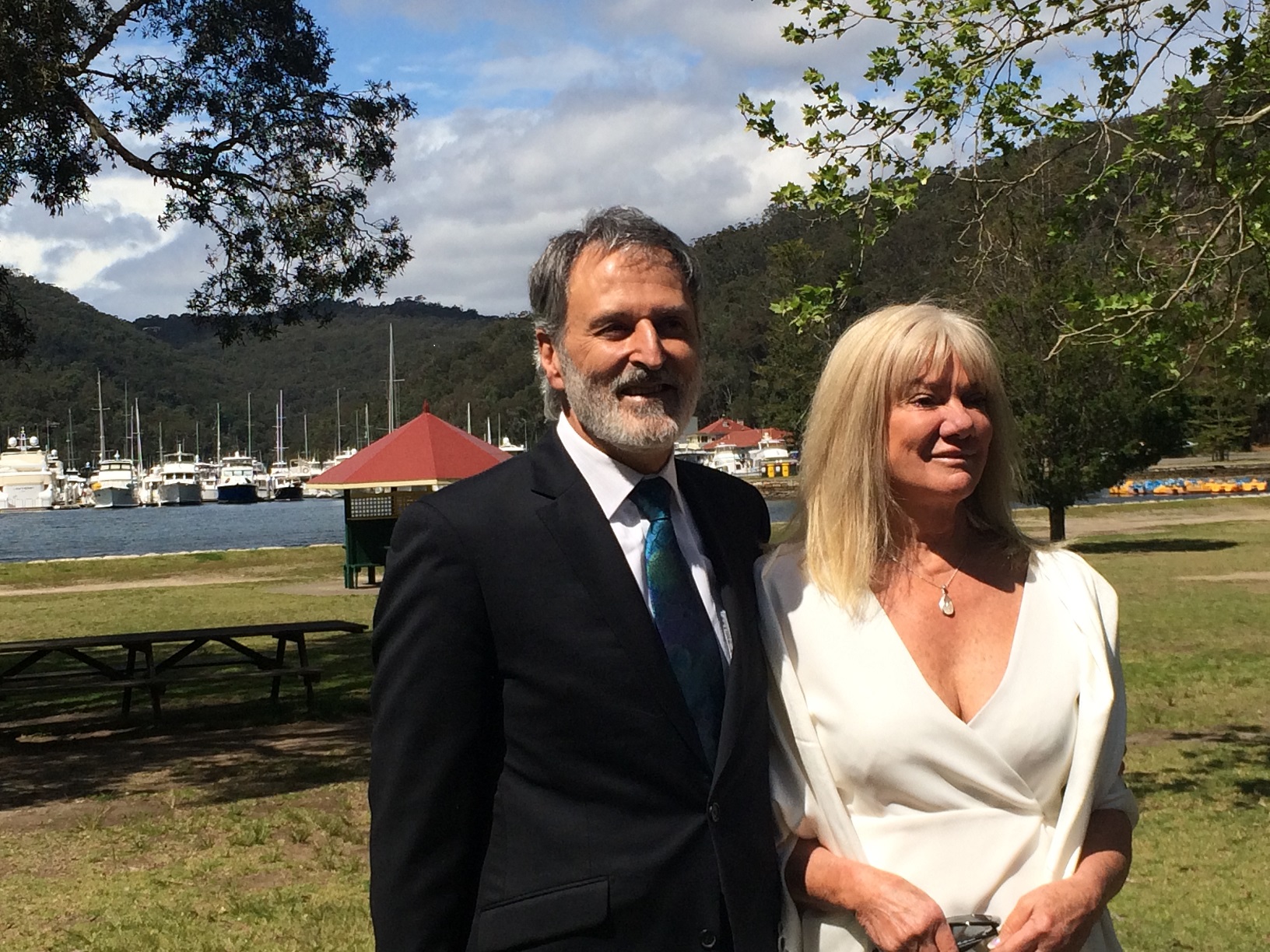
Life began at sixty-five. After a long, tumultuous relationship, I finally married the love of my life on my parents seventy-first wedding anniversary in 2015. Knowing that we were unlikely to share many decades together, we decided to pack in as many adventures and experiences. We share a passion for diverse cultures, cuisines, architecture, history, art and the glories of nature. What better way to indulge all these pleasures than to dedicate ourselves to travel.
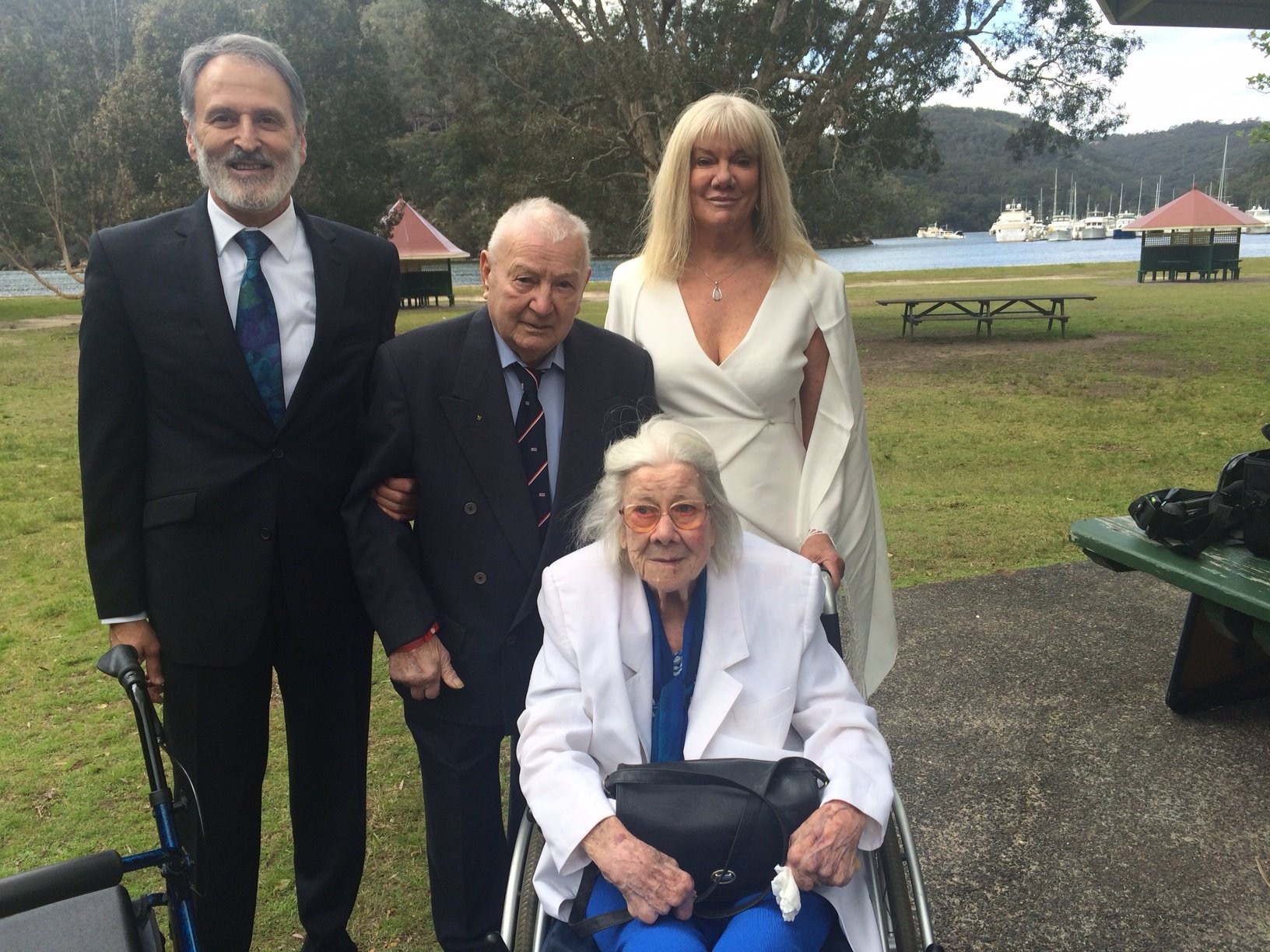
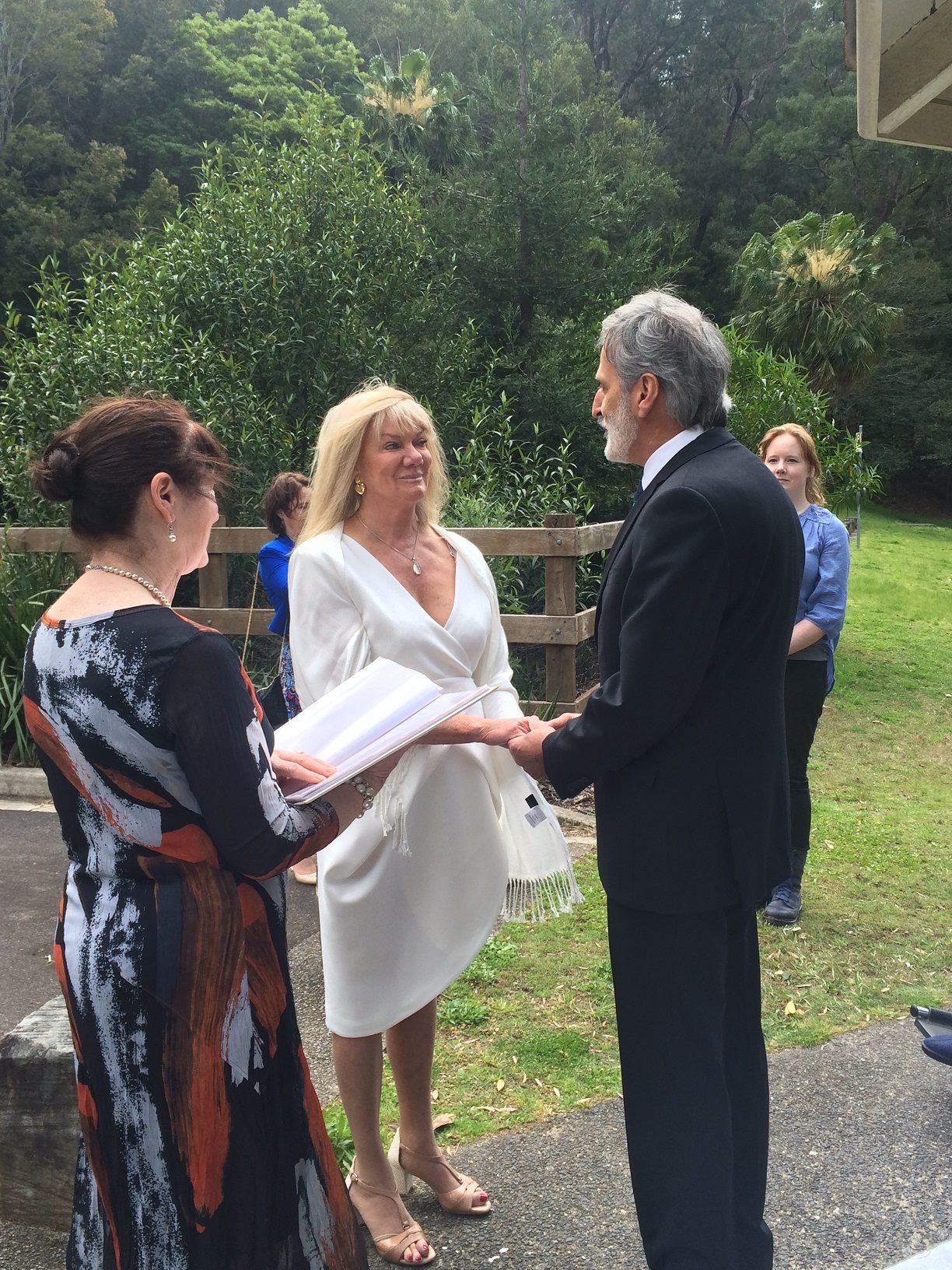
To honour my parents we decided to get married on their 71st wedding anniversary. Neither Mum nor Dad were in the best of health. Mum had only been living in her nursing home for a few months and was not adjusting well. Dad had spent several weeks in Hornsby Hospital recovering from some serious health issues. It was clear that neither of them were capable of travel and so we decided to fly to Sydney and have a very small private wedding in a place that held many special family memories, Bobbin Head.
Rebecca came from Melbourne to be my witness, Barry’s close friend, Rod, came to be his and the only other guests, (apart from Julie, Rod’s wife) were Jessie and Bob, whose help was invaluable in busting Mum and Dad out of their respective institutions, organising their clothing and transporting them to Bobbin Head. Mum was distressed throughout the entire, short service and kept wailing that she wanted to go home. Dad didn’t look too happy either, but they both perked up a bit later when we went to a North Turramurra restaurant afterwards for lunch. Perhaps the snaps helped!
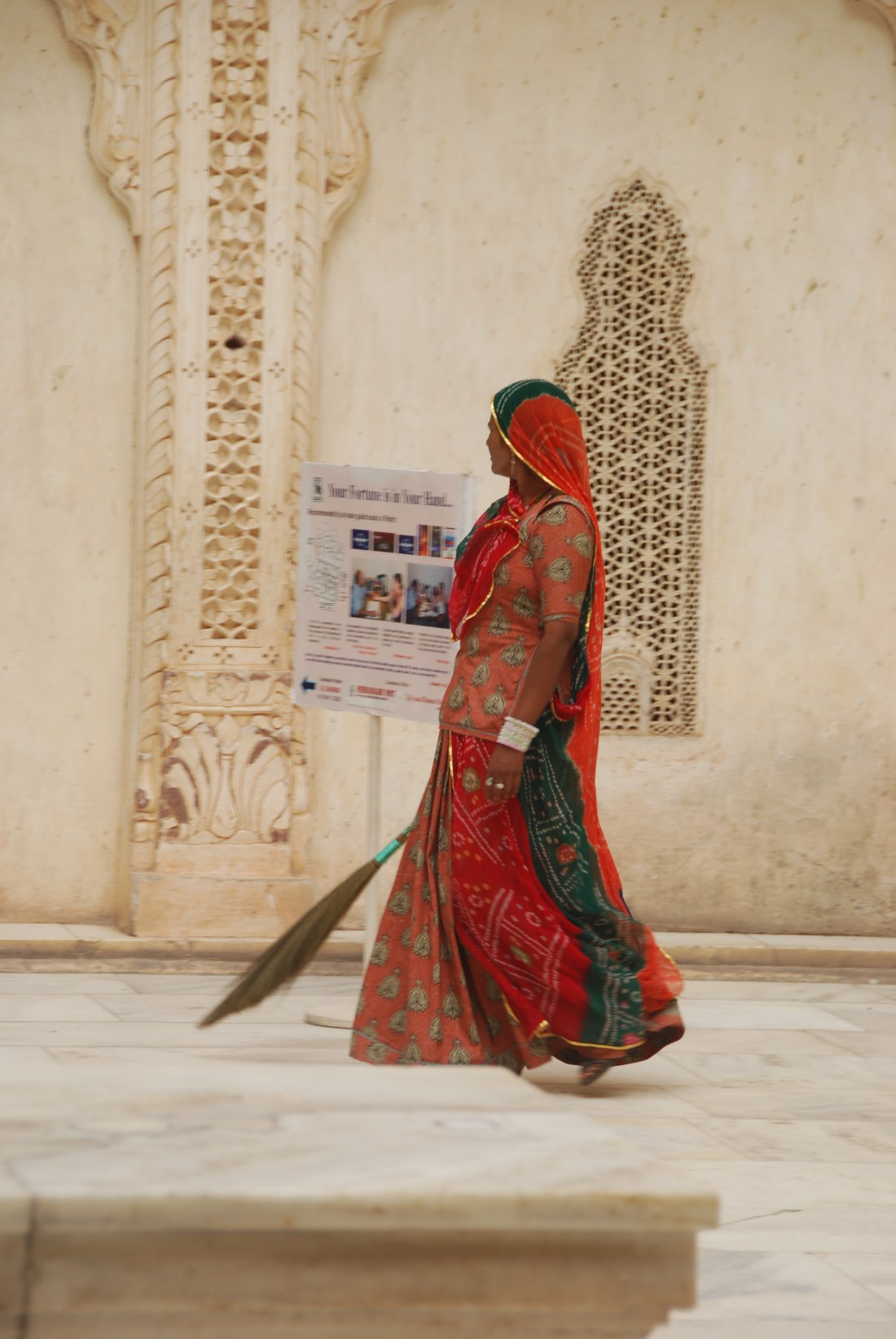
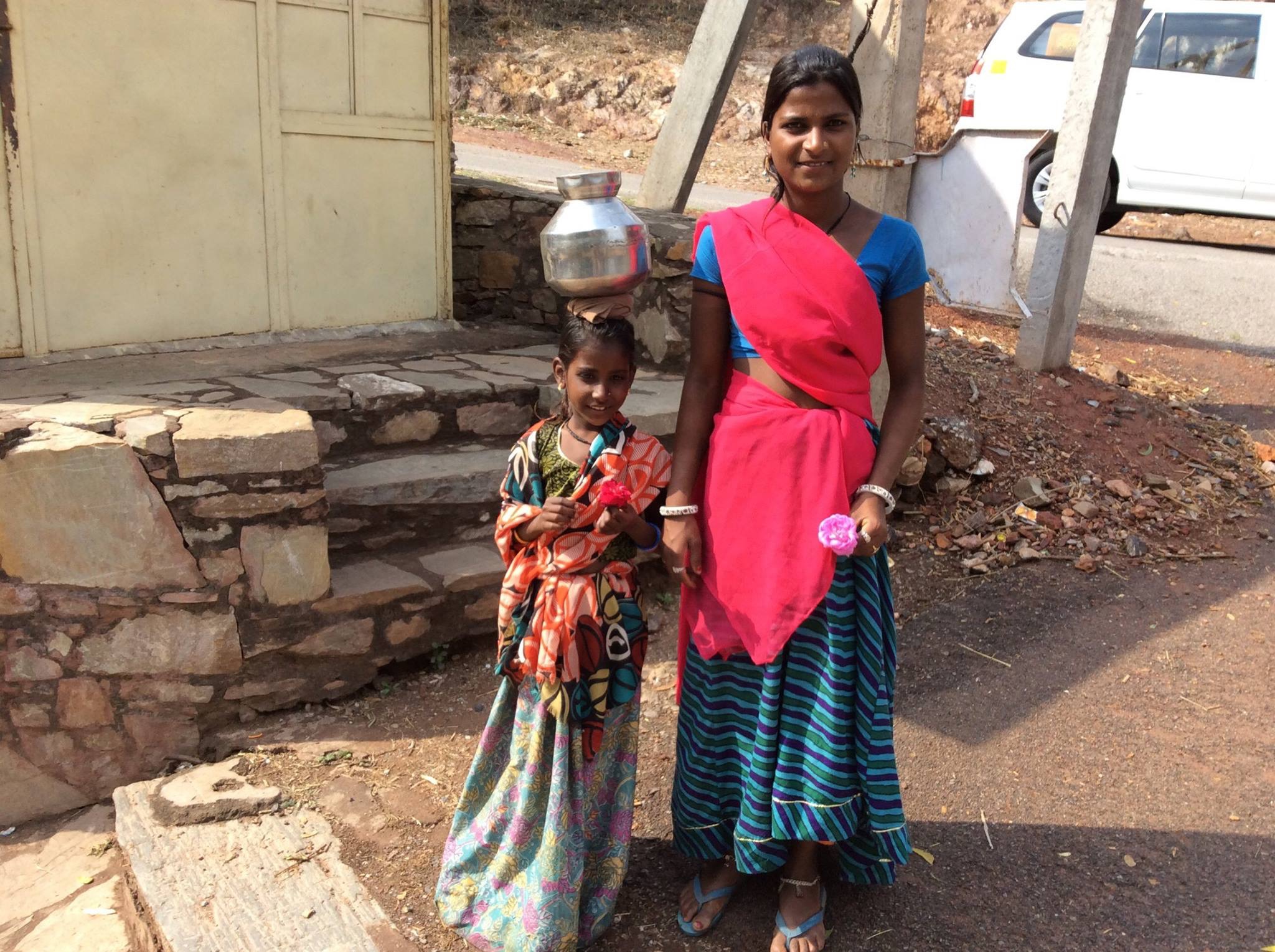
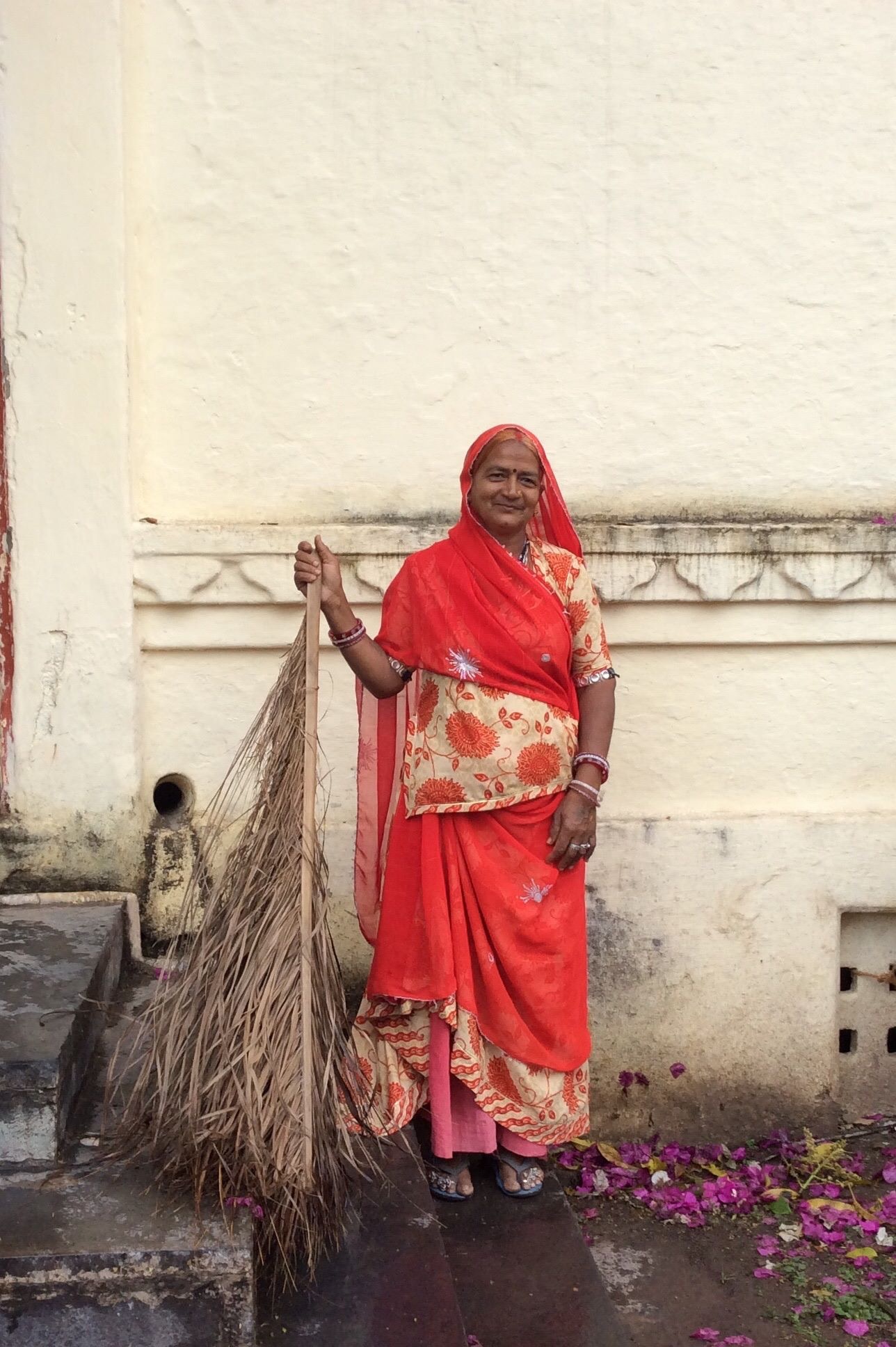
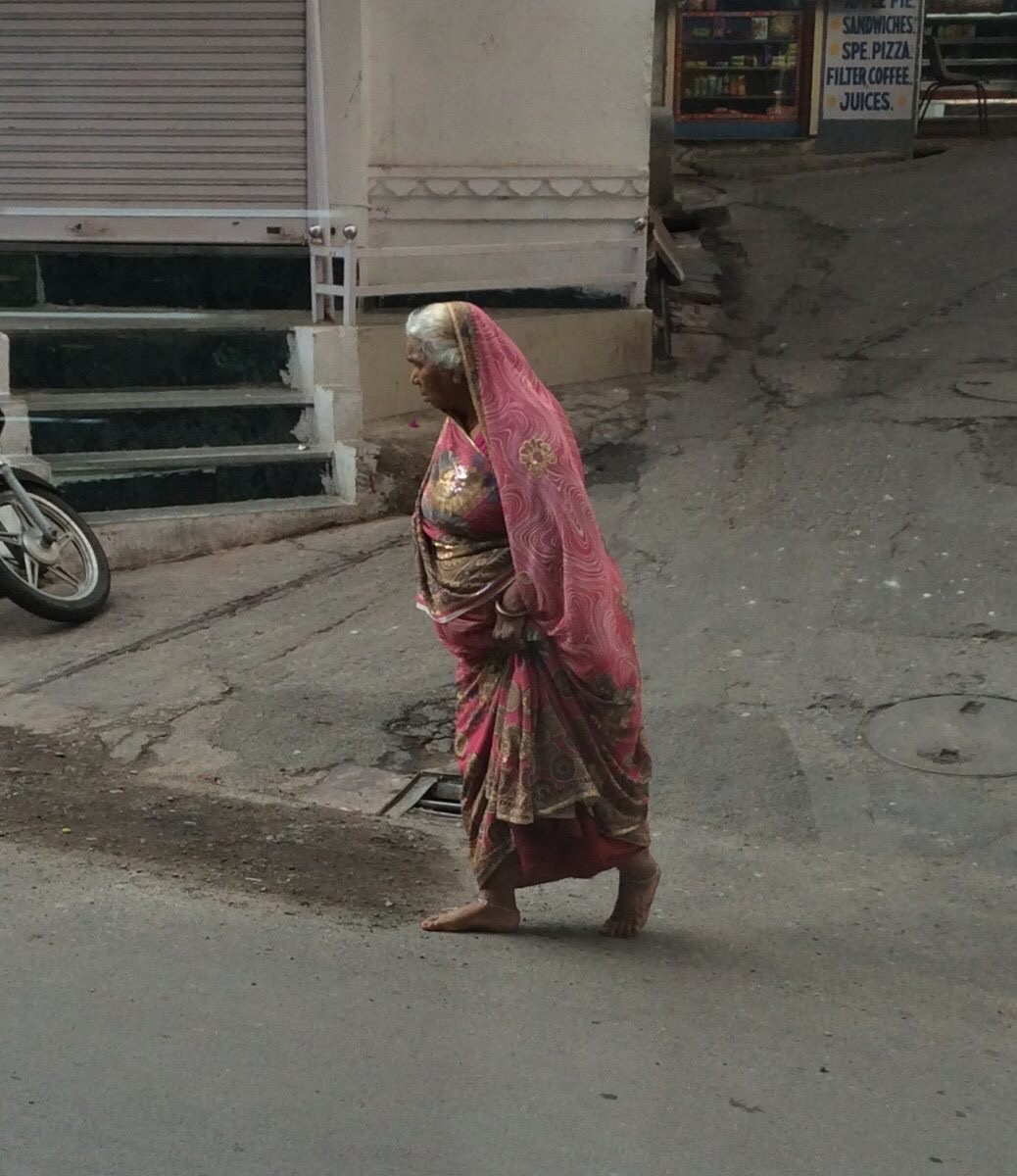
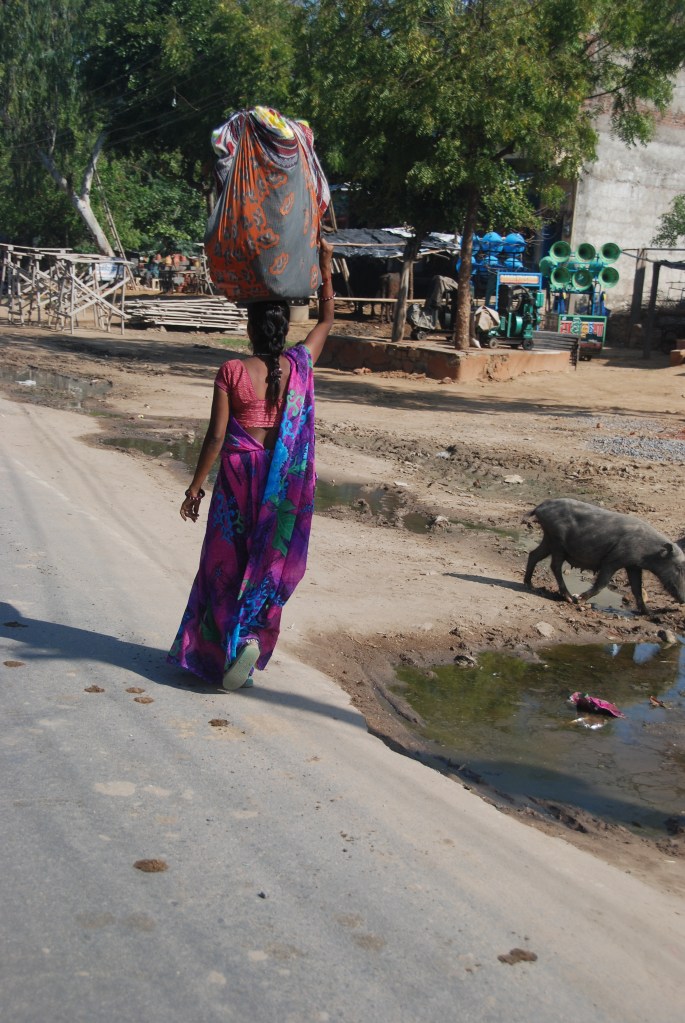
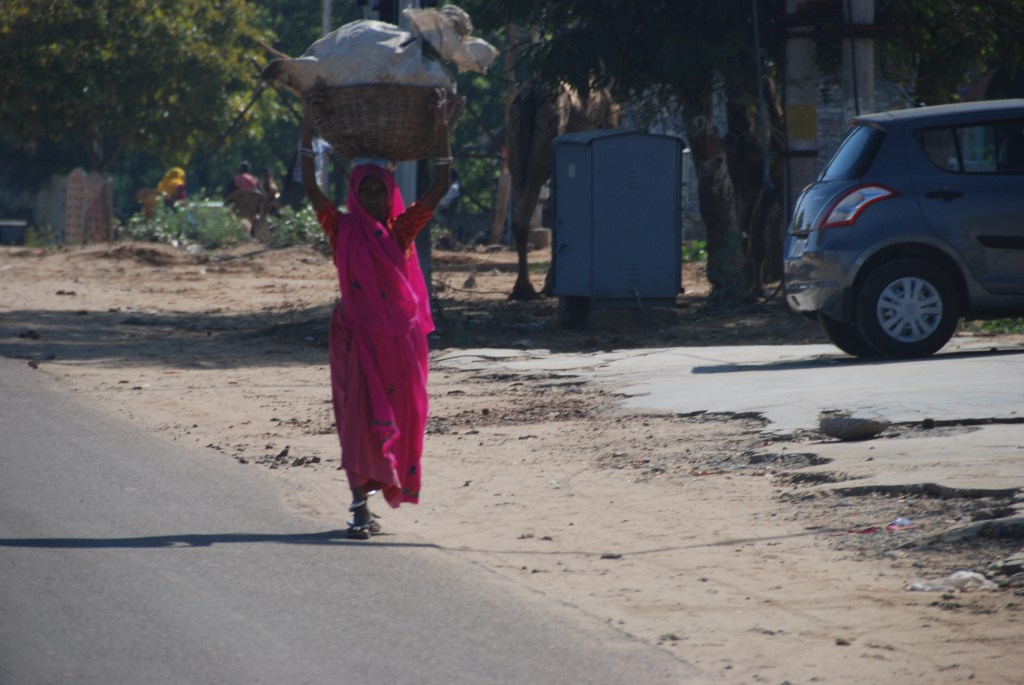
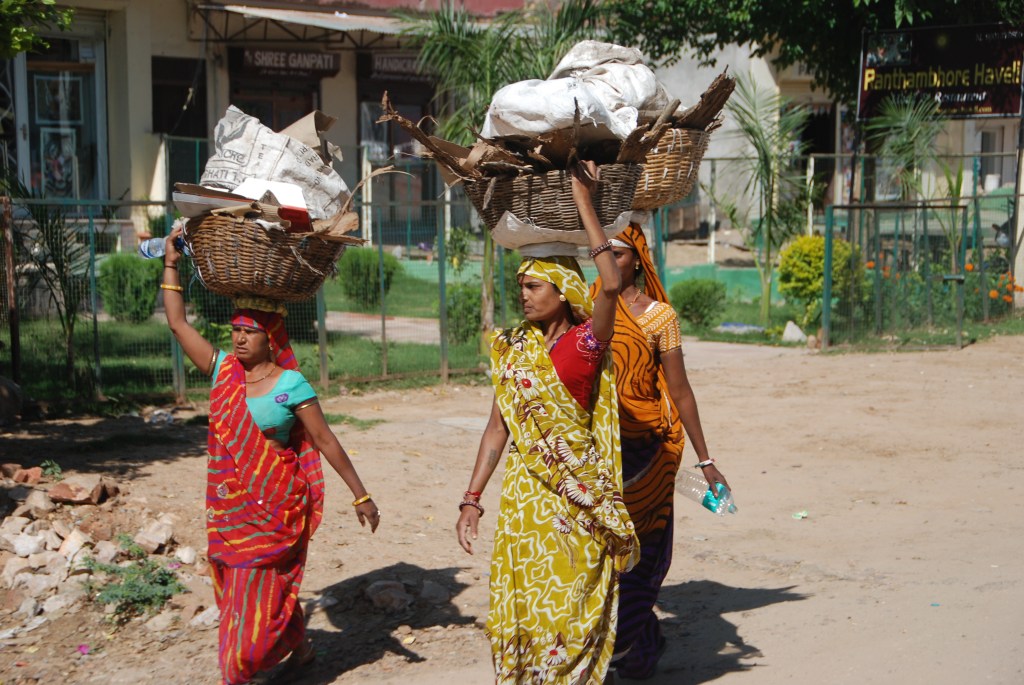
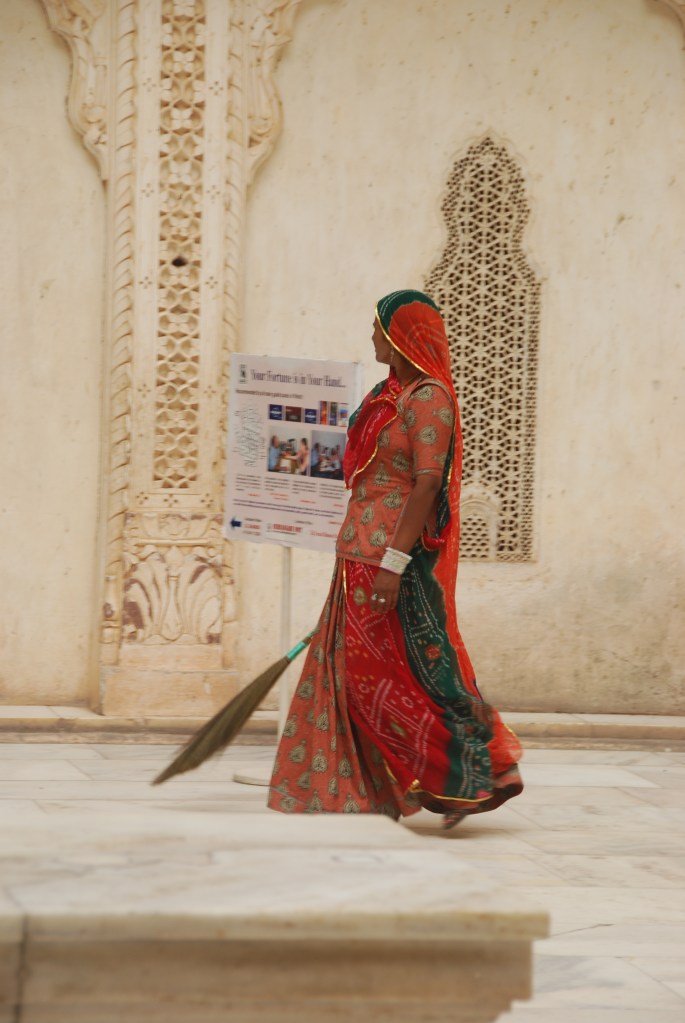
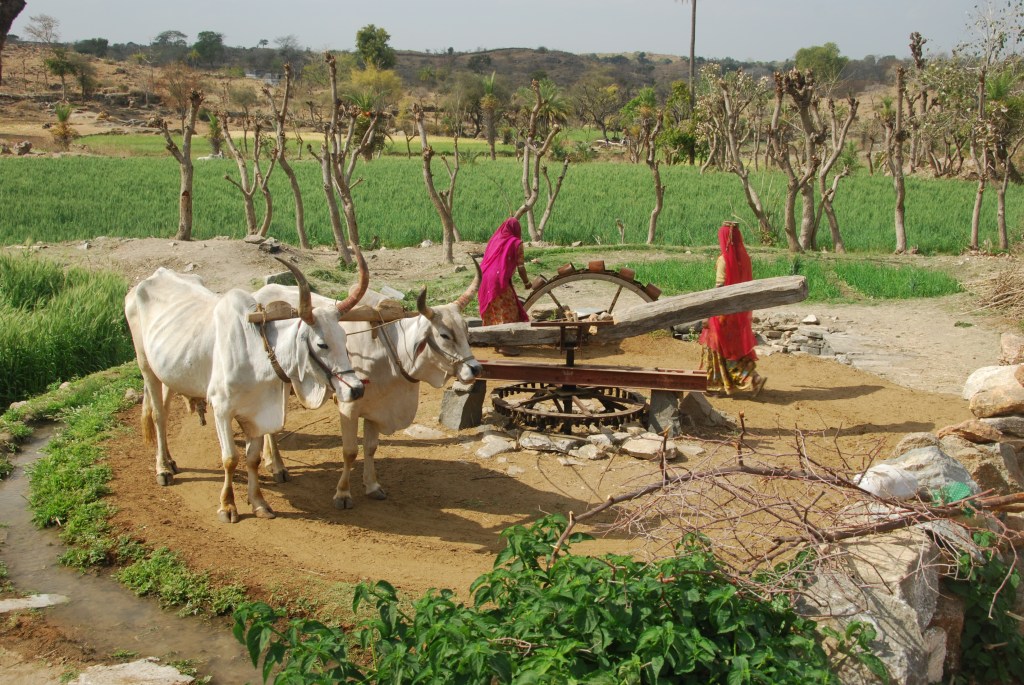
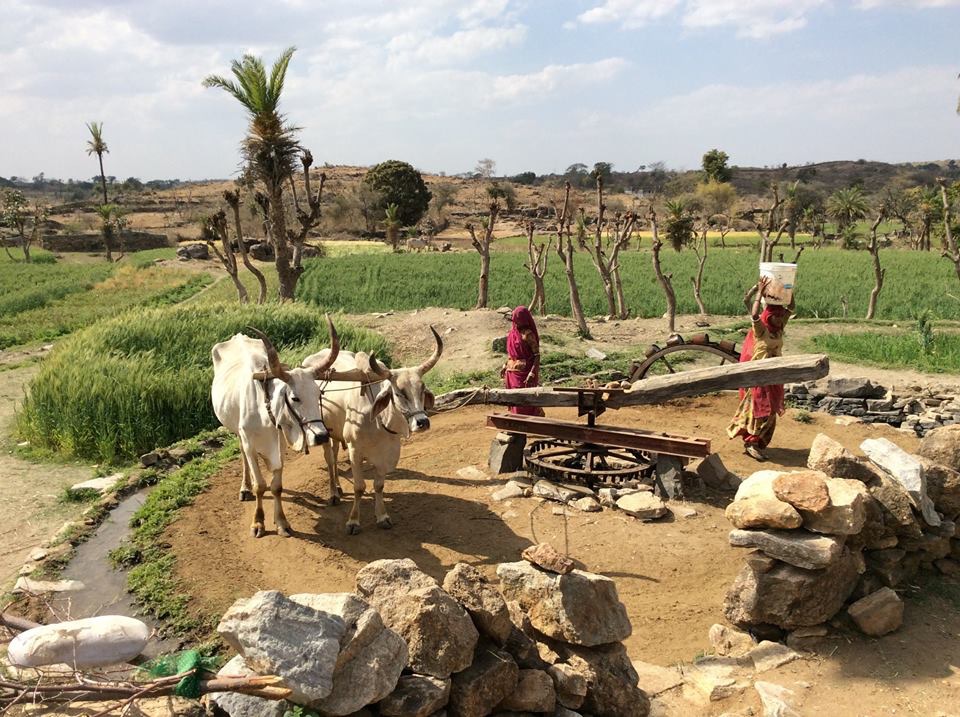
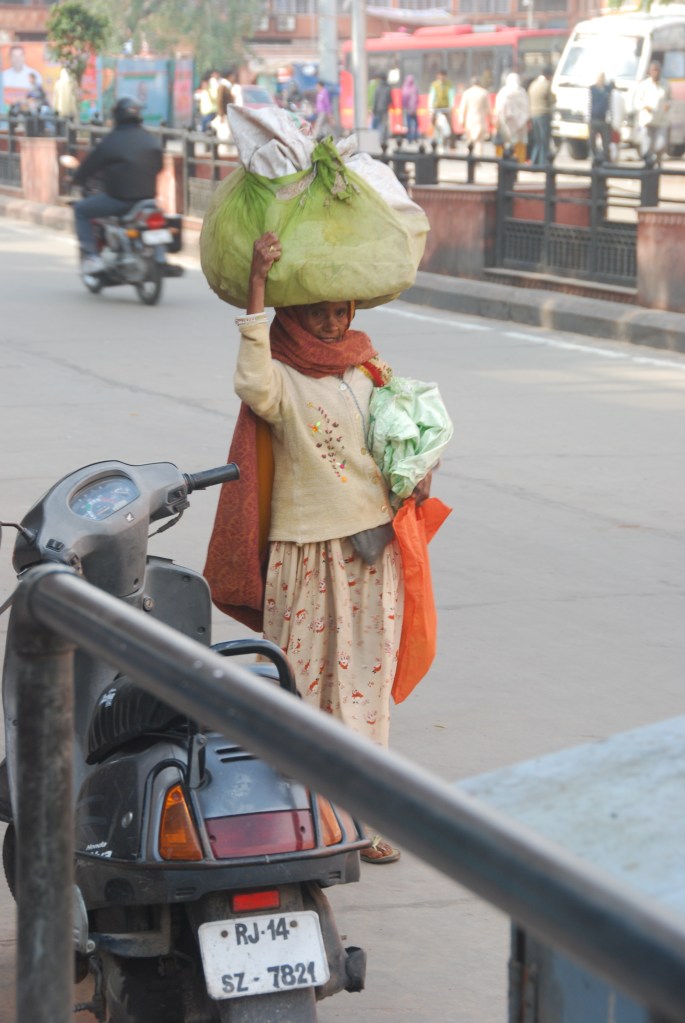
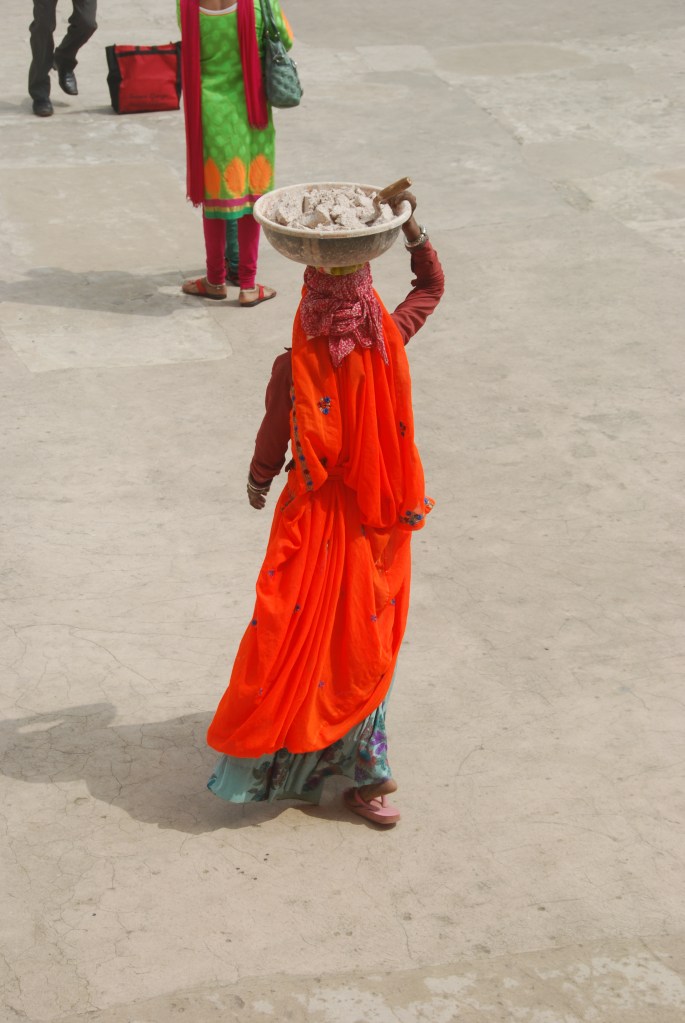
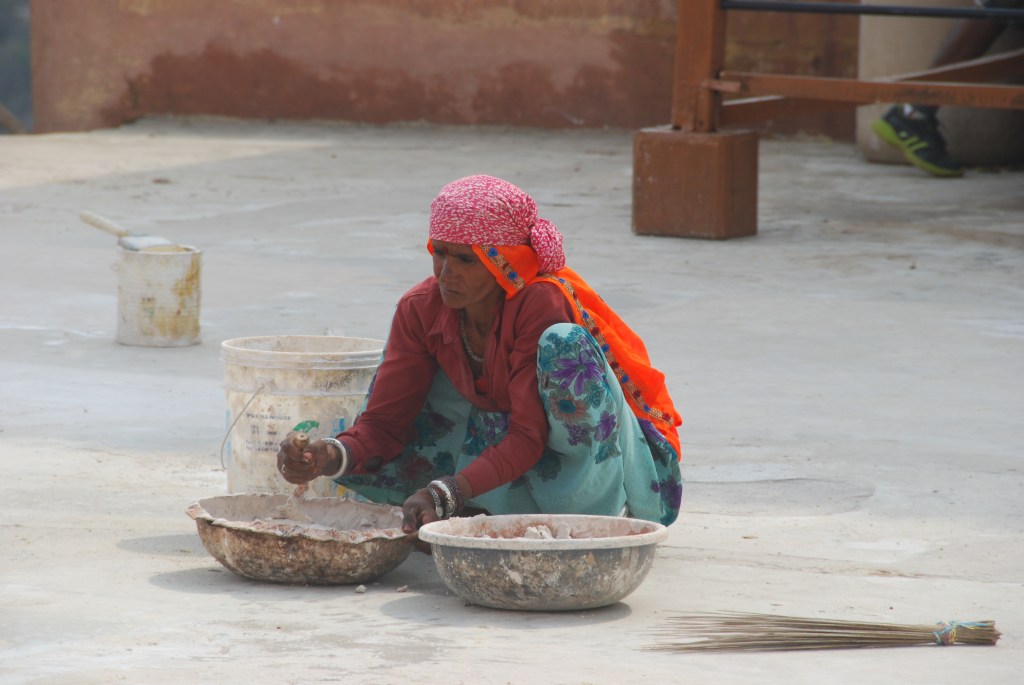
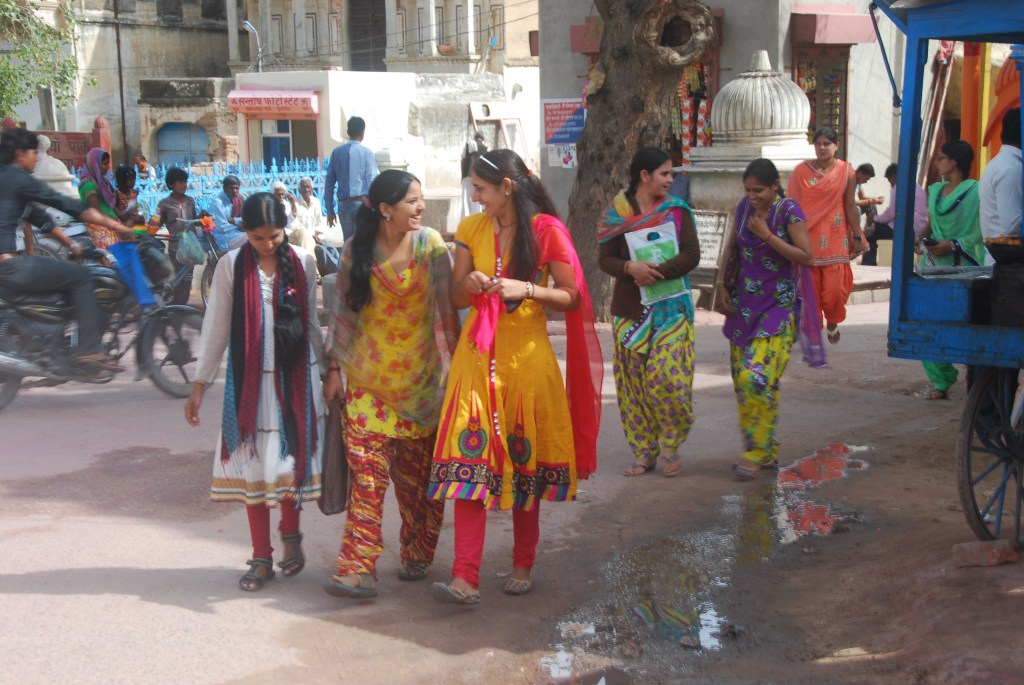
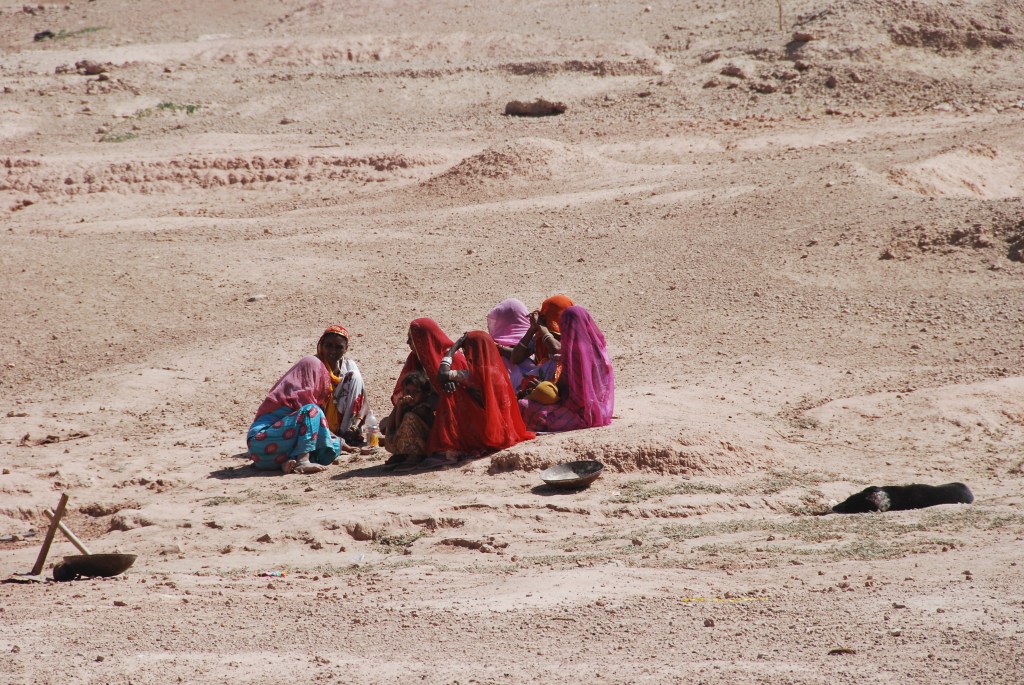
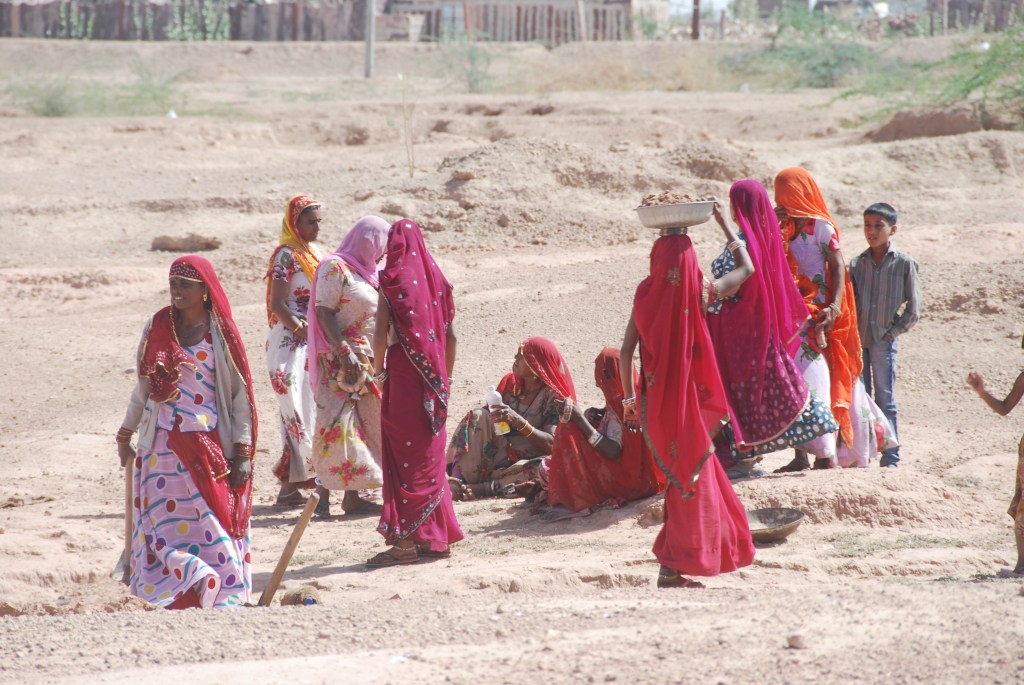
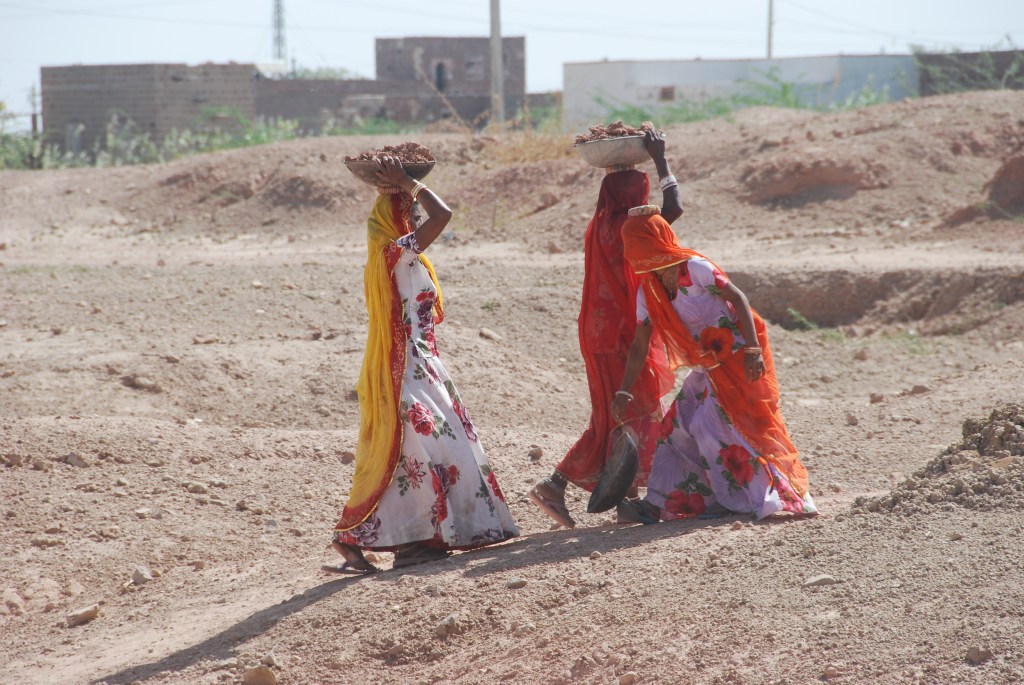
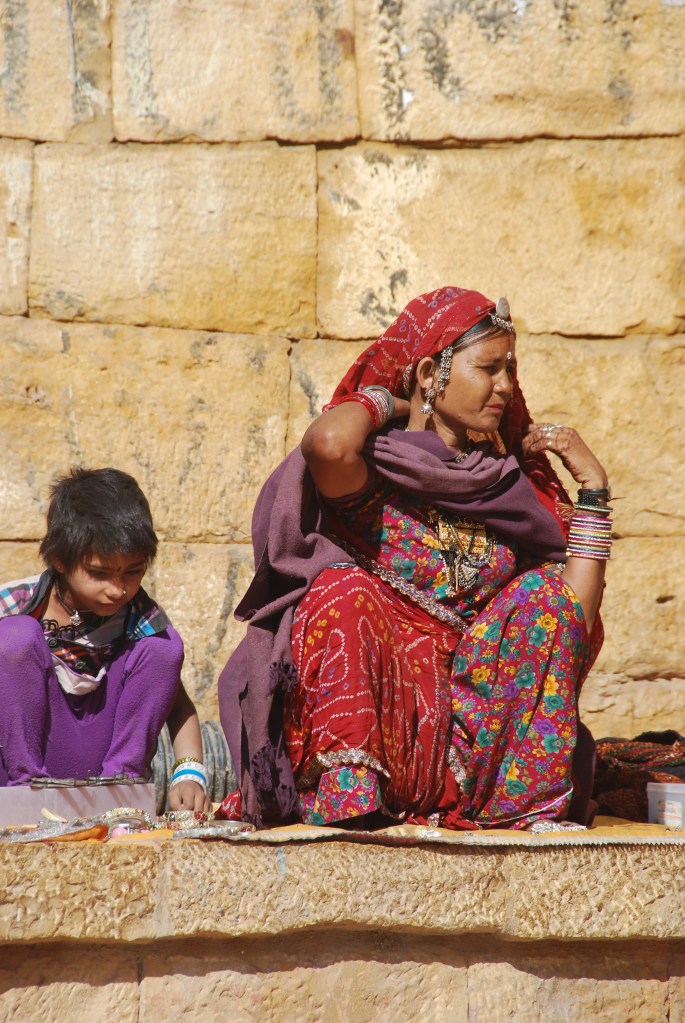
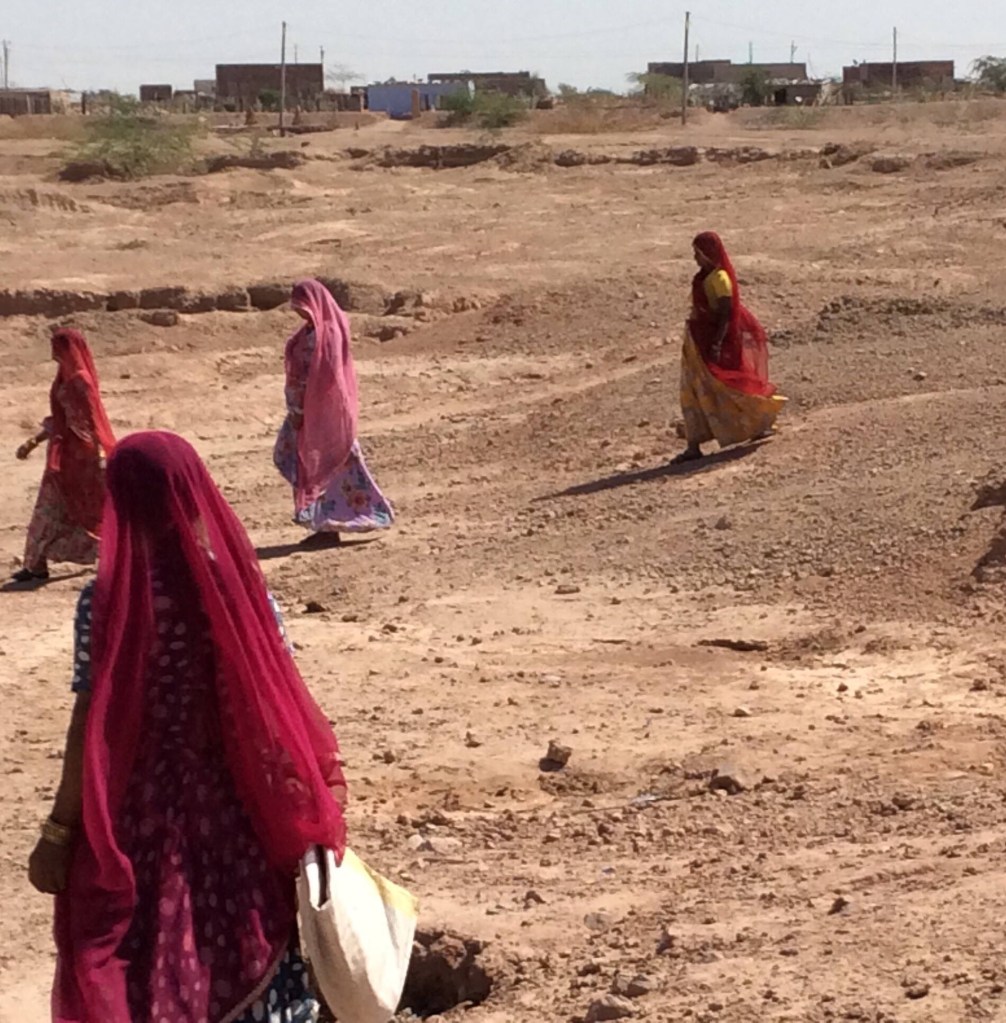
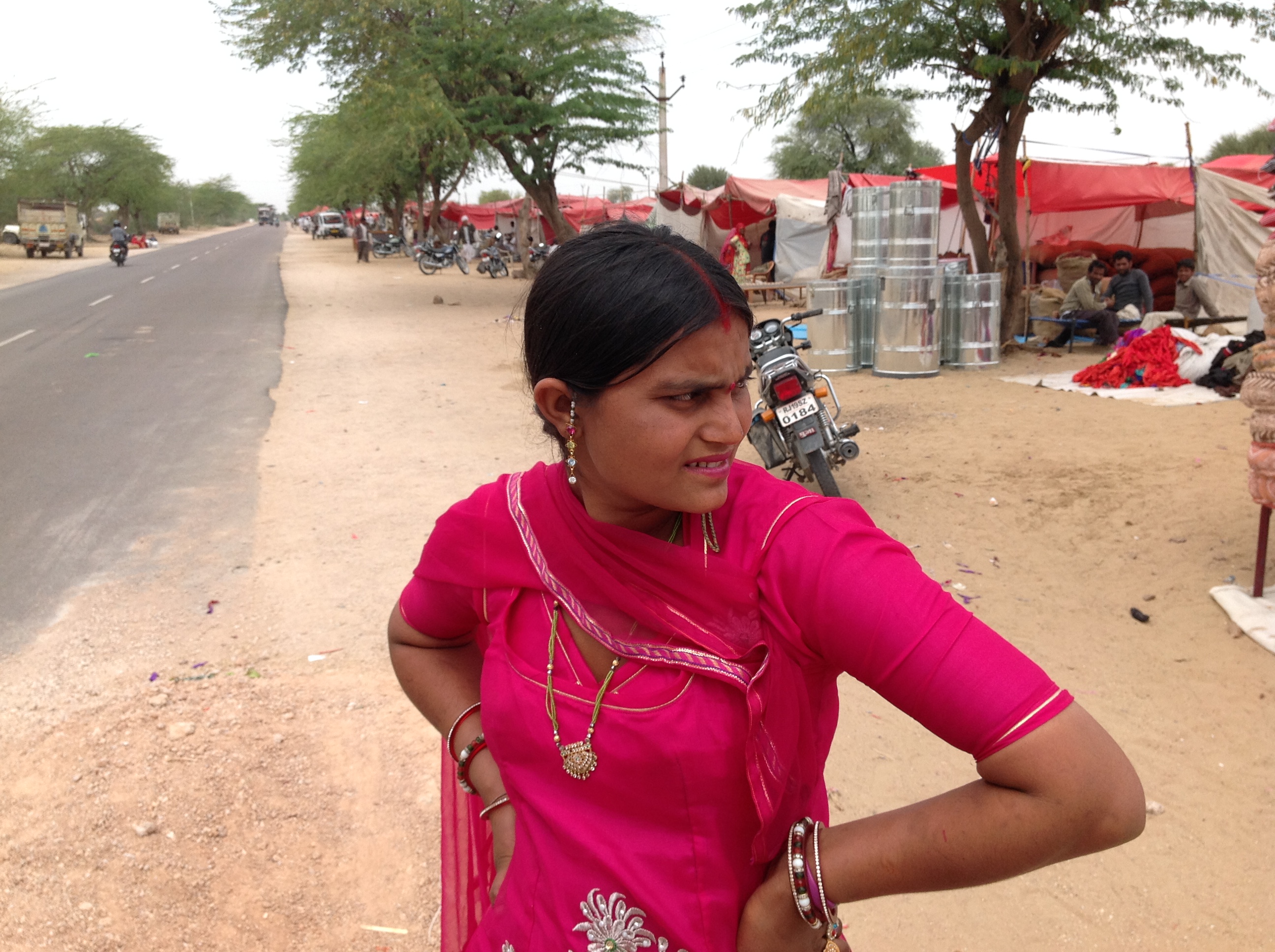
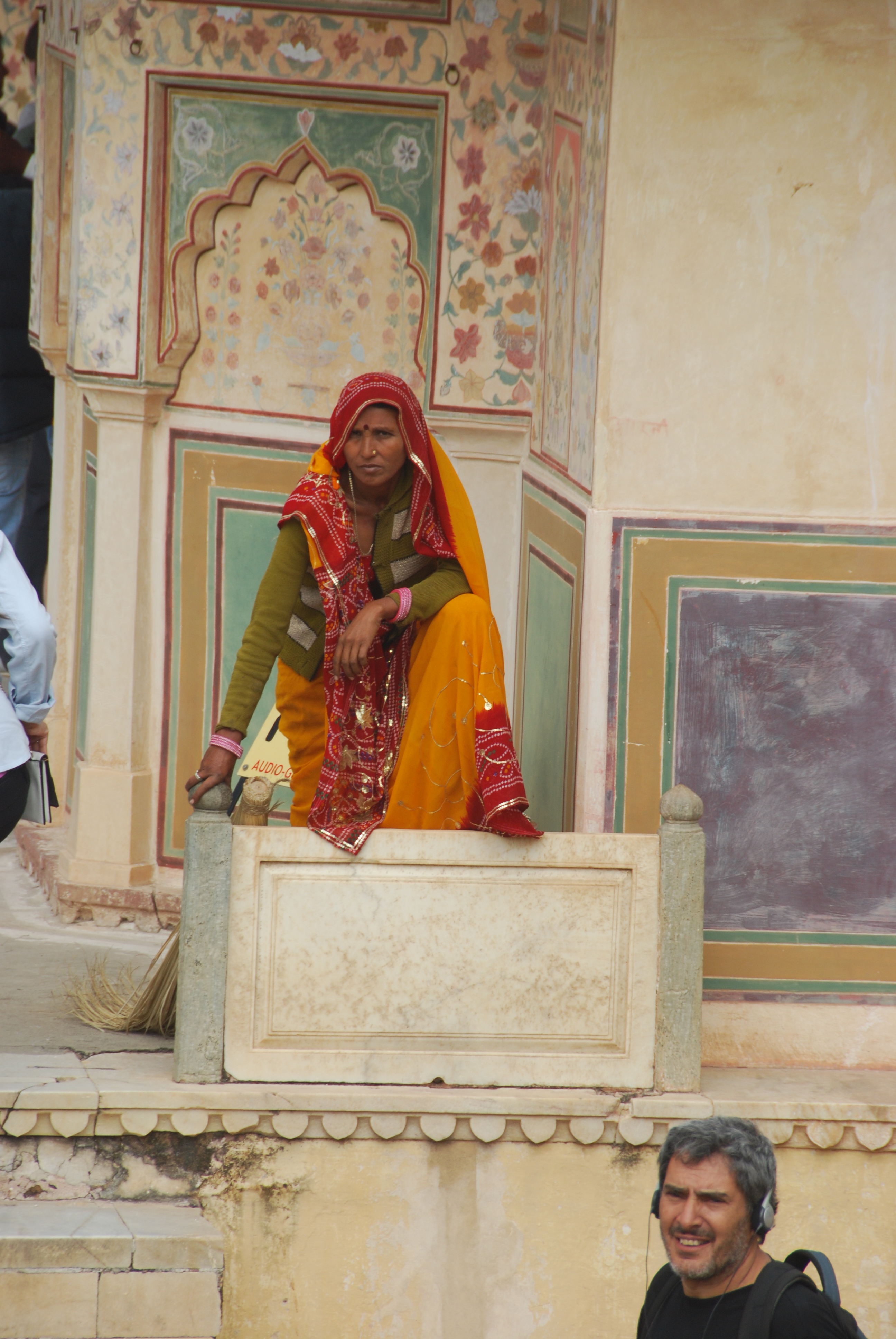
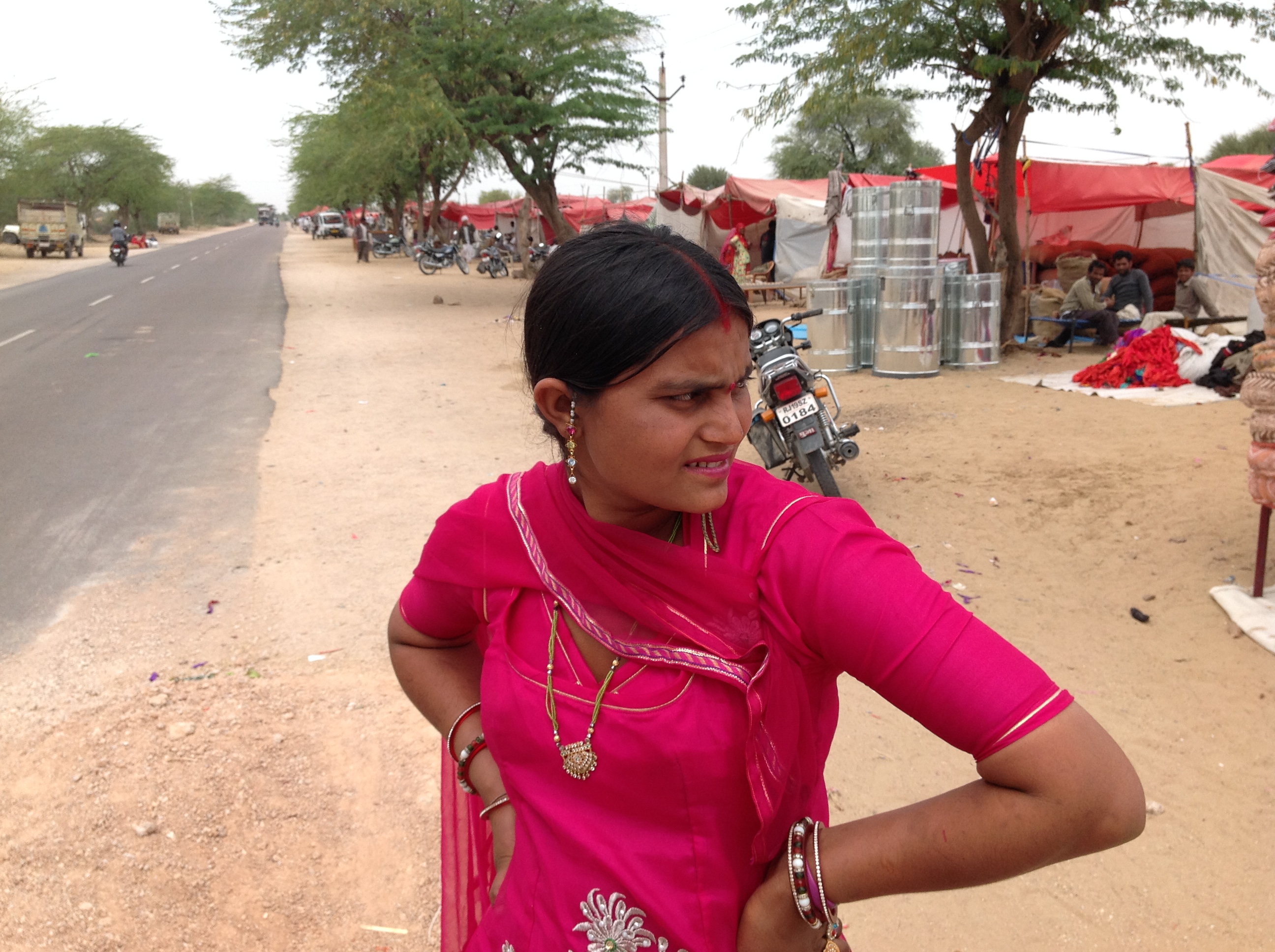
I so admired the beautiful Rajasthani women in their colourful clothing. While India has its fair representation of female doctors, lawyers, engineers, architects, teachers and other university educated professionals, the women that I encountered on this trip were usually simple working women. They were the cleaners in the temples, the workers in the fields, the vendors selling their wares, the ladies carrying huge burdens on their heads and often labourers clearing rubble or working water wheels. Their clothing was always vibrant and, in the most difficult of circumstances, usually immaculately clean. I loved their clothing so much, in fact, that when I saw Photographs of traditional Rajasthani wedding attire with full red skirts heavy with intricately hand sewn threads of gold, I was determined to find one for my own wedding later in the year. Our driver, Mahendra, appeared to be horrified at the very idea that I would want a previously worn antique. He kept trying to steer me towards the more modern and more garish varieties, often in bright green or yellow with machine sewn flimsy gold thread.
It took some time to discover the reason behind his repugnance. It seems that on the death of a Hindu woman (or man), all that persons possessions, including clothing and bedding, traditionally went into the funeral pyre with them. This, no doubt, helped to prevent the spread of fatal infectious diseases in times when medical services were limited. I do not know if this practise still exists but the obvious repugnance at the thought of wearing dead people’s clothes, clearly remains entrenched in social mores.
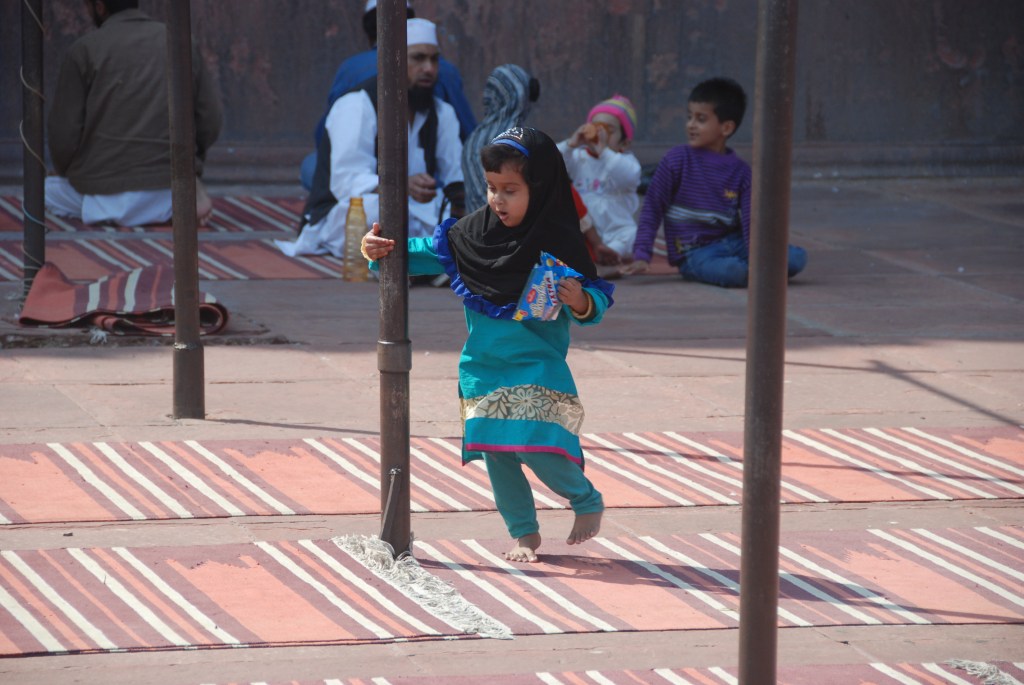
Such wonderful posture The plastering ladyHappy school girls A most beautiful and character filled face
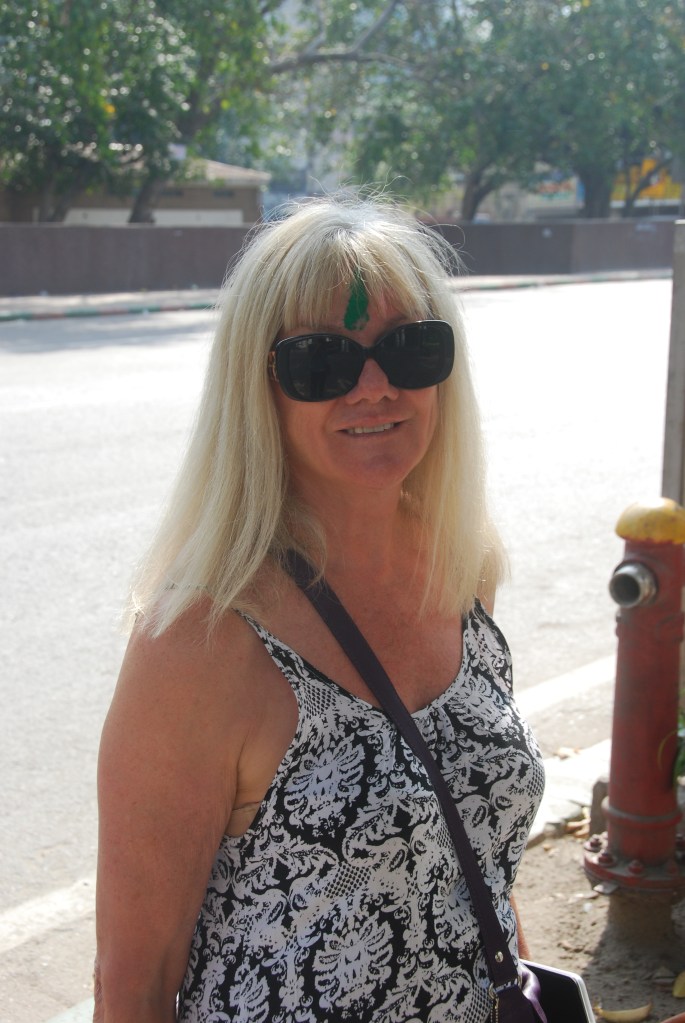
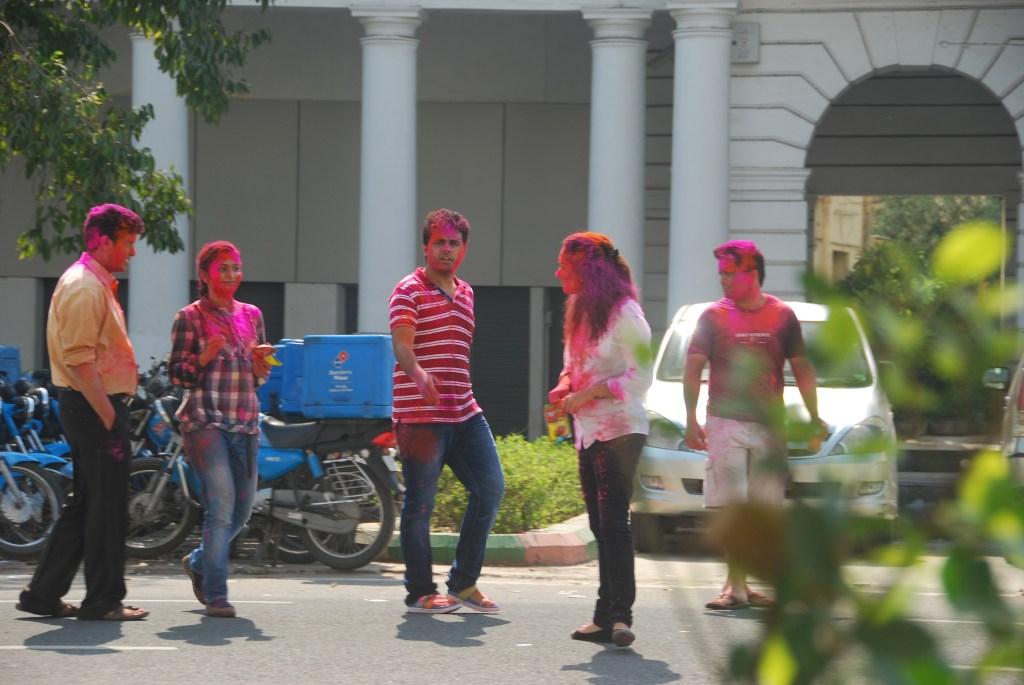
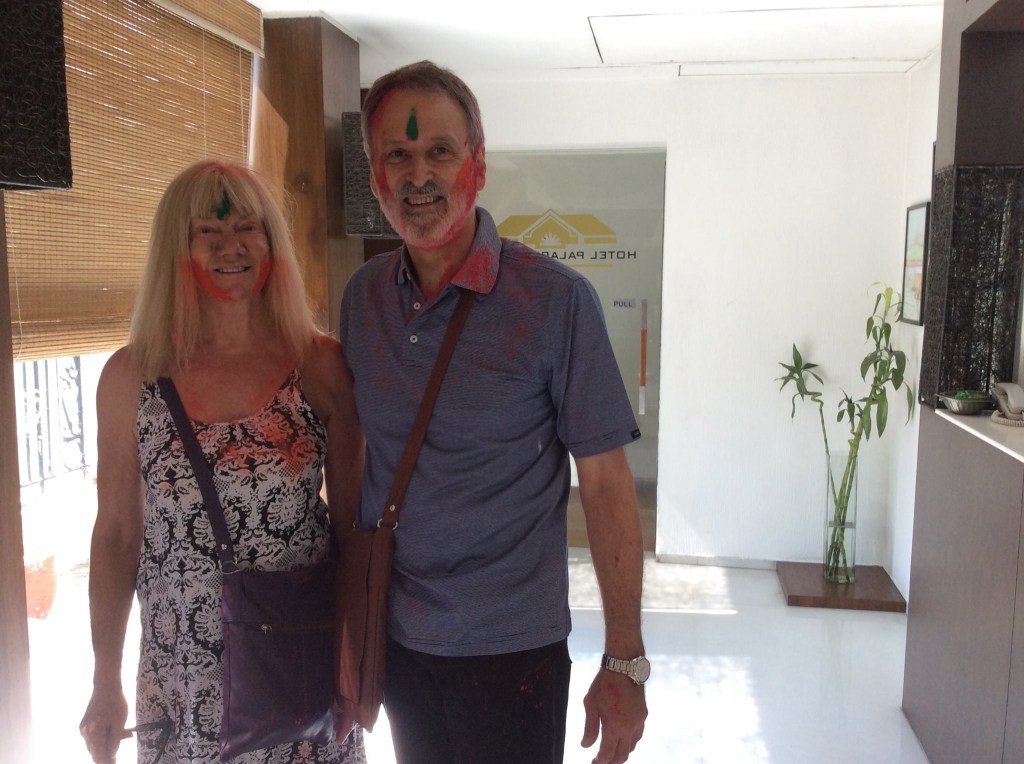
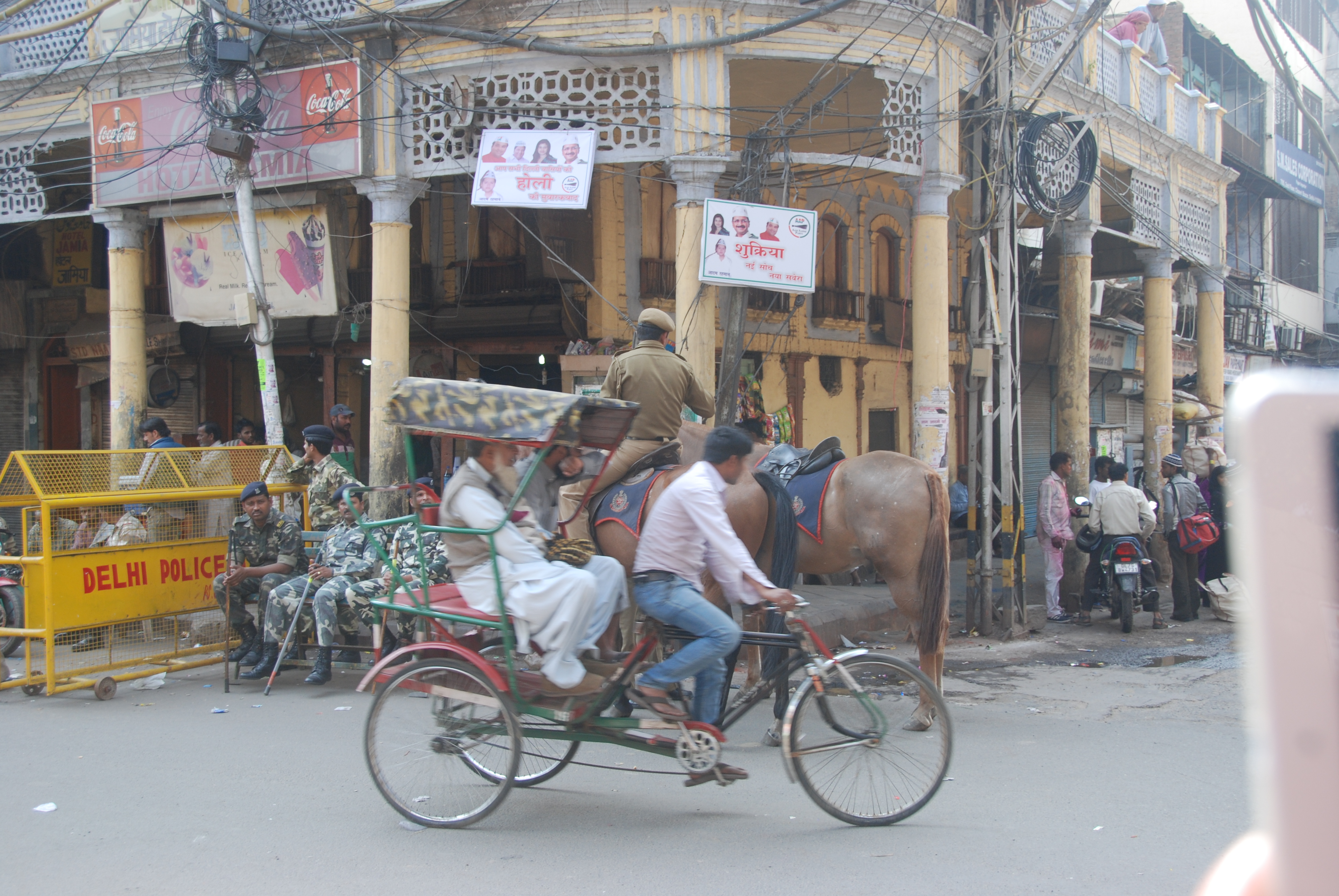
We were fortunate enough to arrive in Delhi to witness the Holi Festival. Holi is the festival of love or colours that signifies the victory of superior over immoral, or good triumphing over evil. Happy revellers pelt colourful, perfumed powder over anyone who comes close enough to be doused.
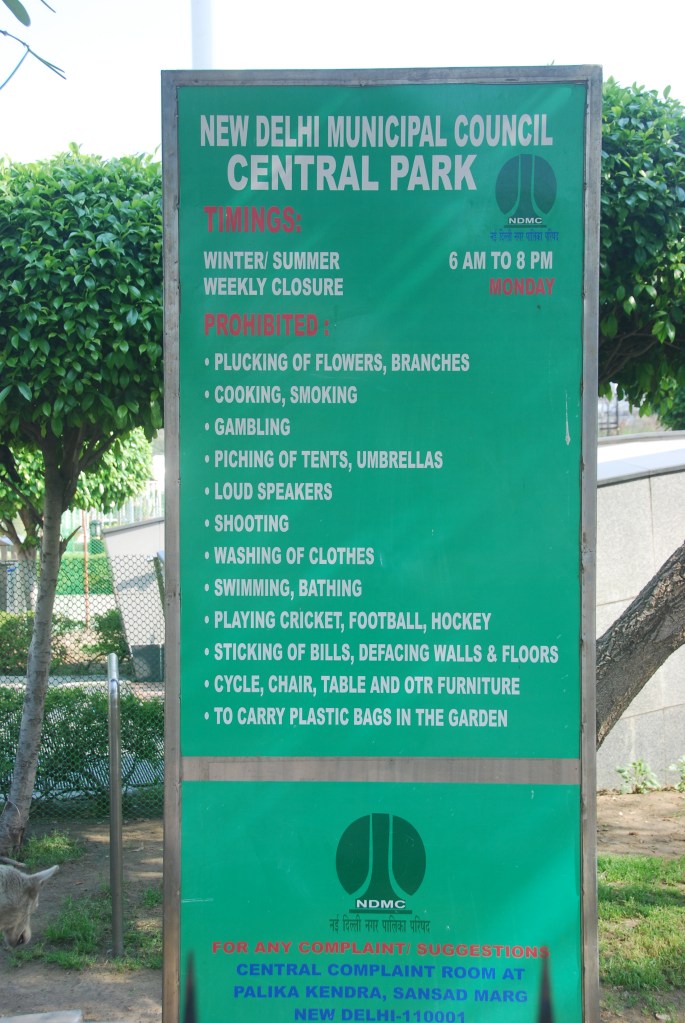
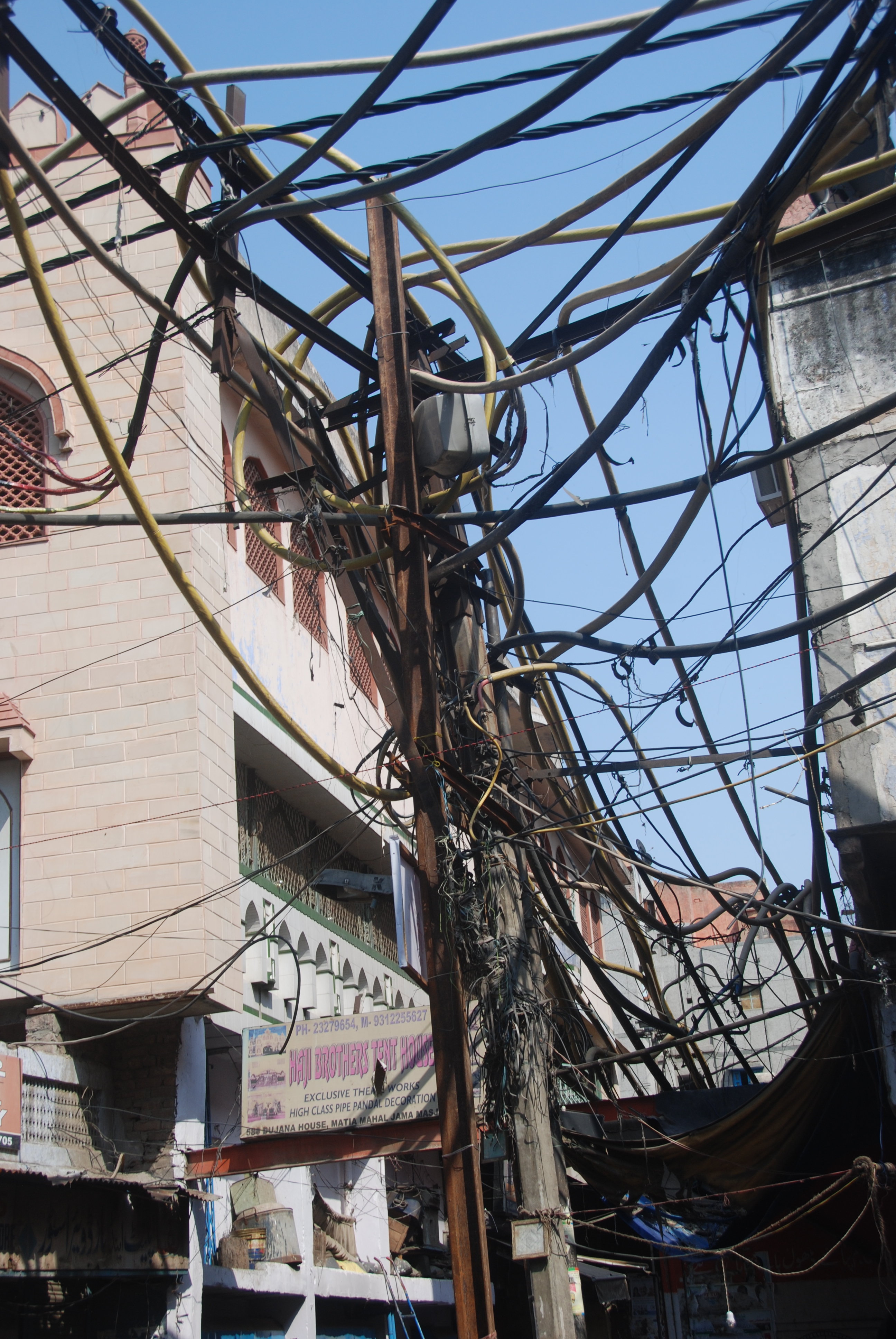
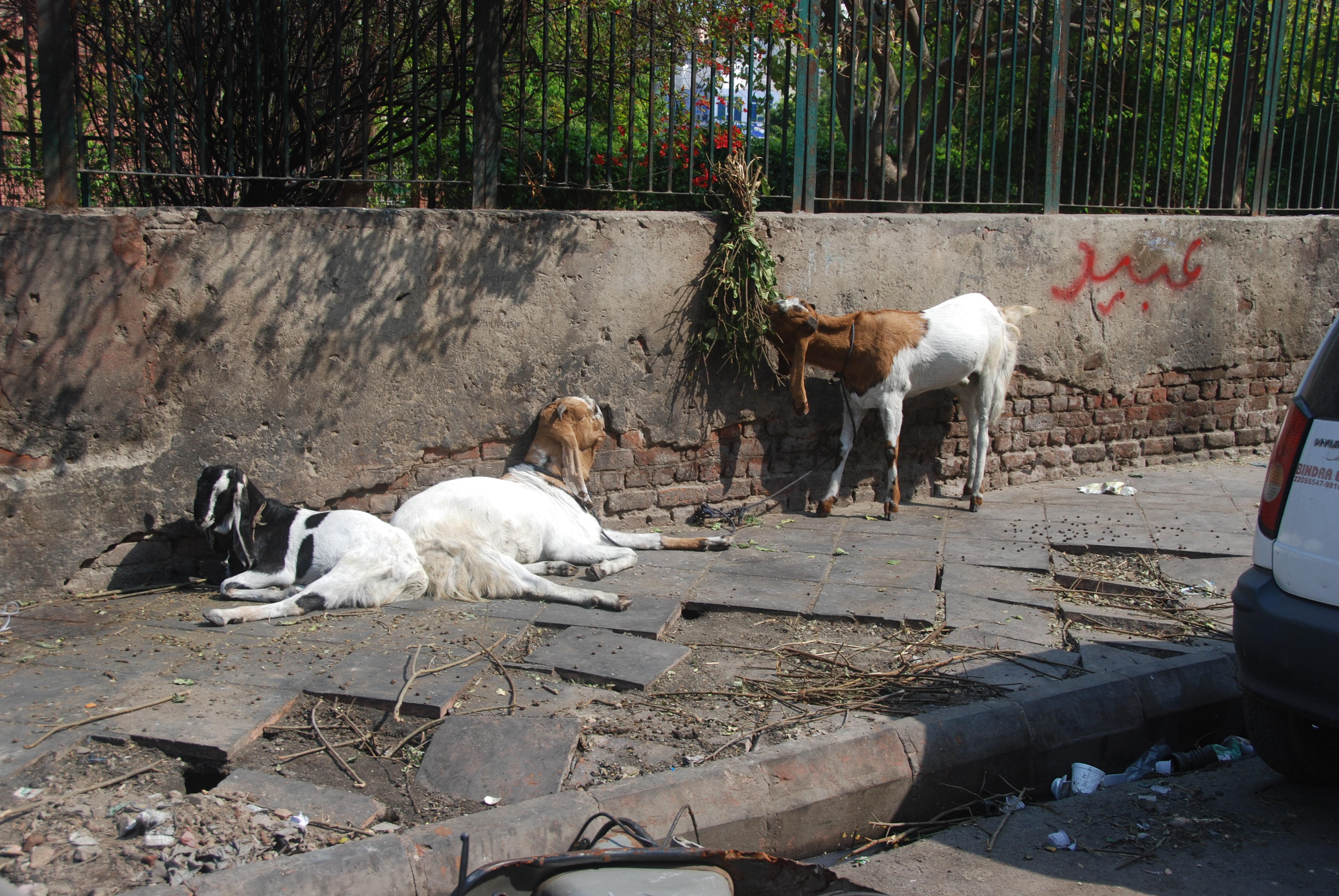
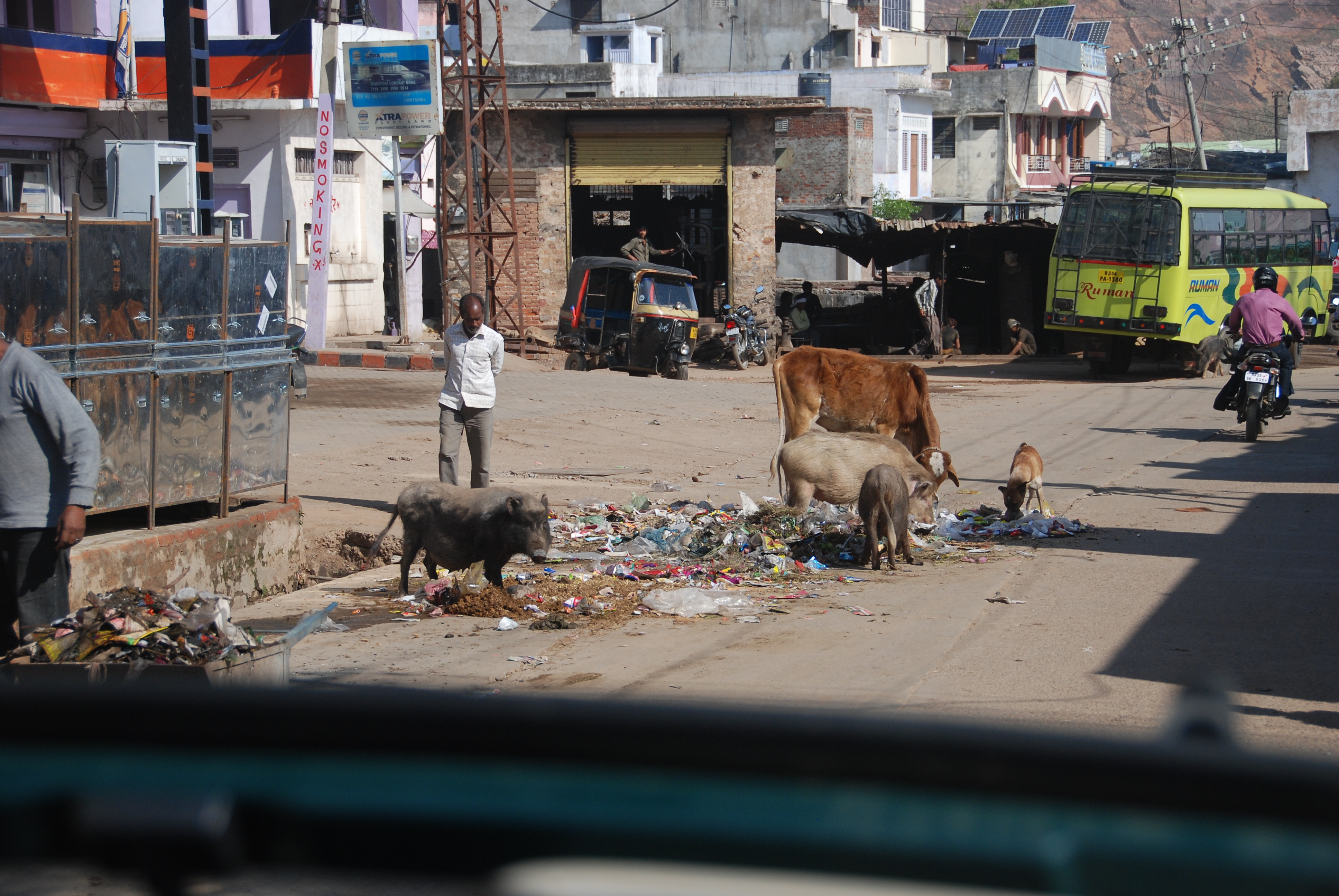
Delhi itself, while retaining some remnants of colonial architecture, displays evidence of great poverty everywhere you look. Shanty dwellings, homelessness, mangey dogs, rubbish and a high police presence. We found the rules for entering a public park be be rather amusing.
6TH MARCH, 2015
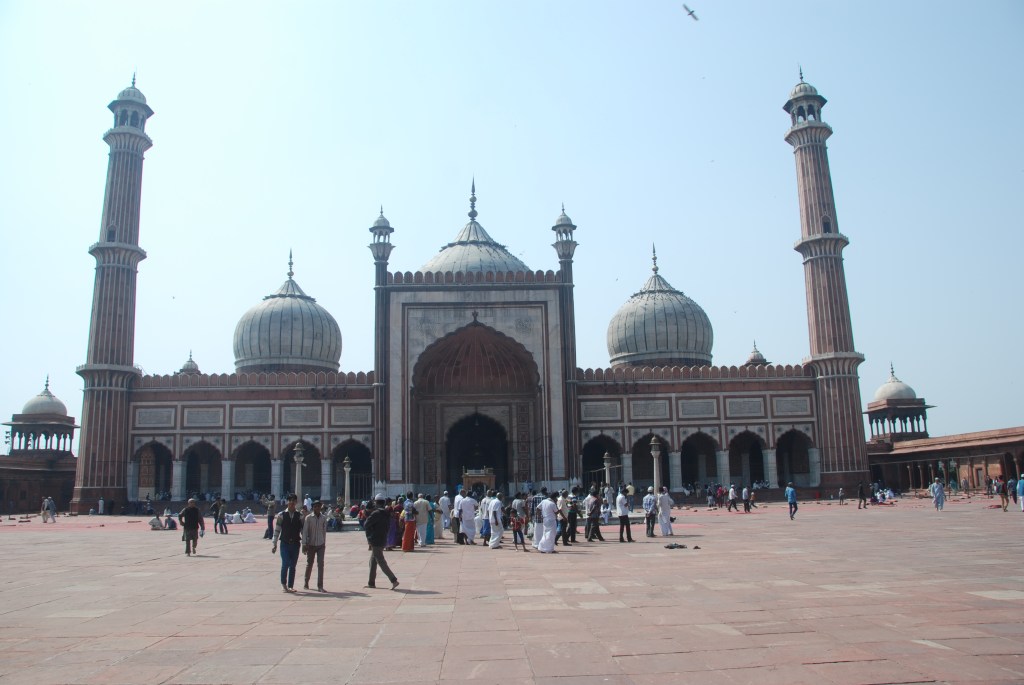
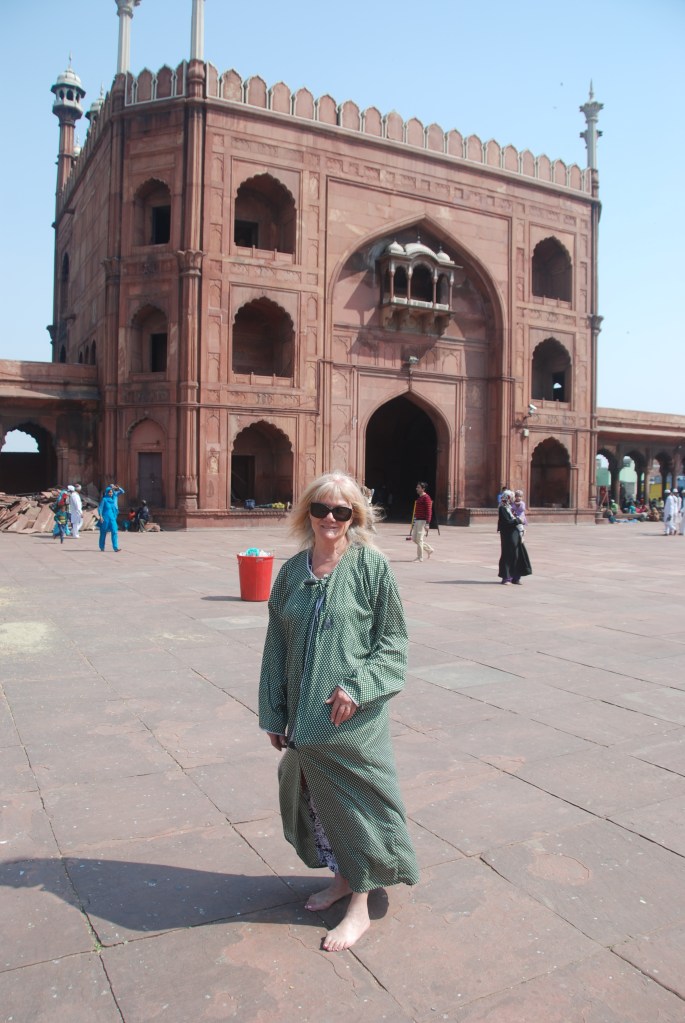
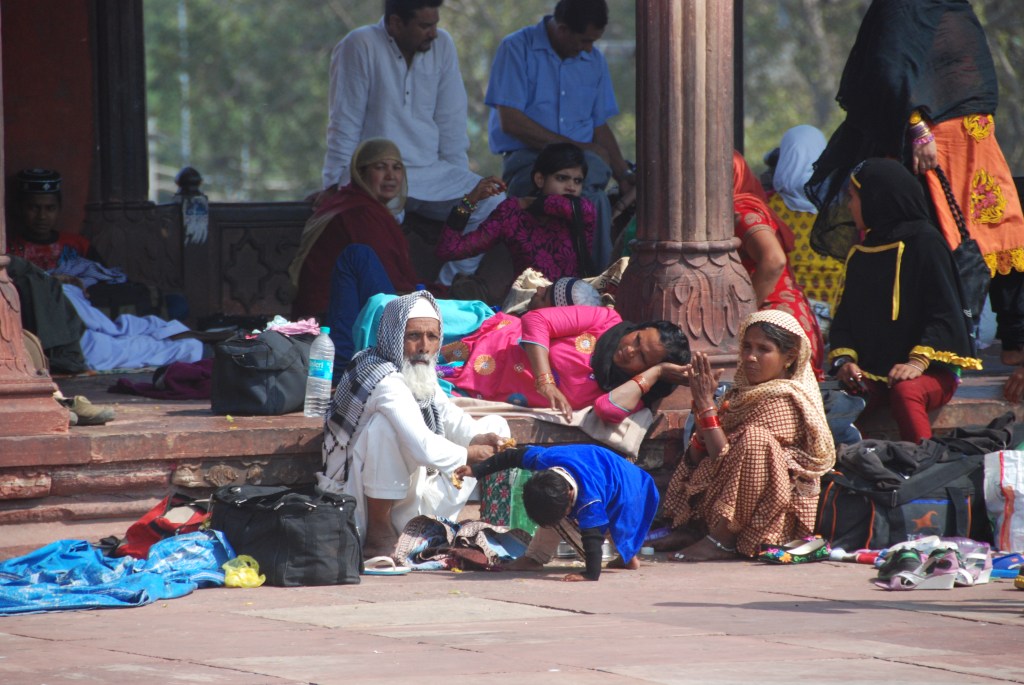
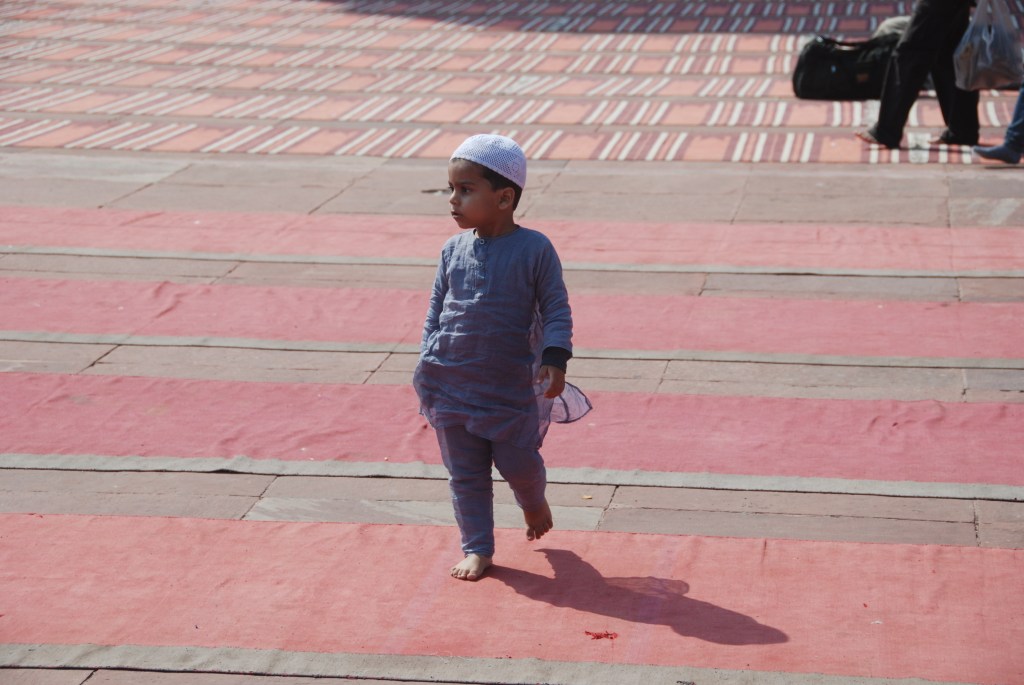
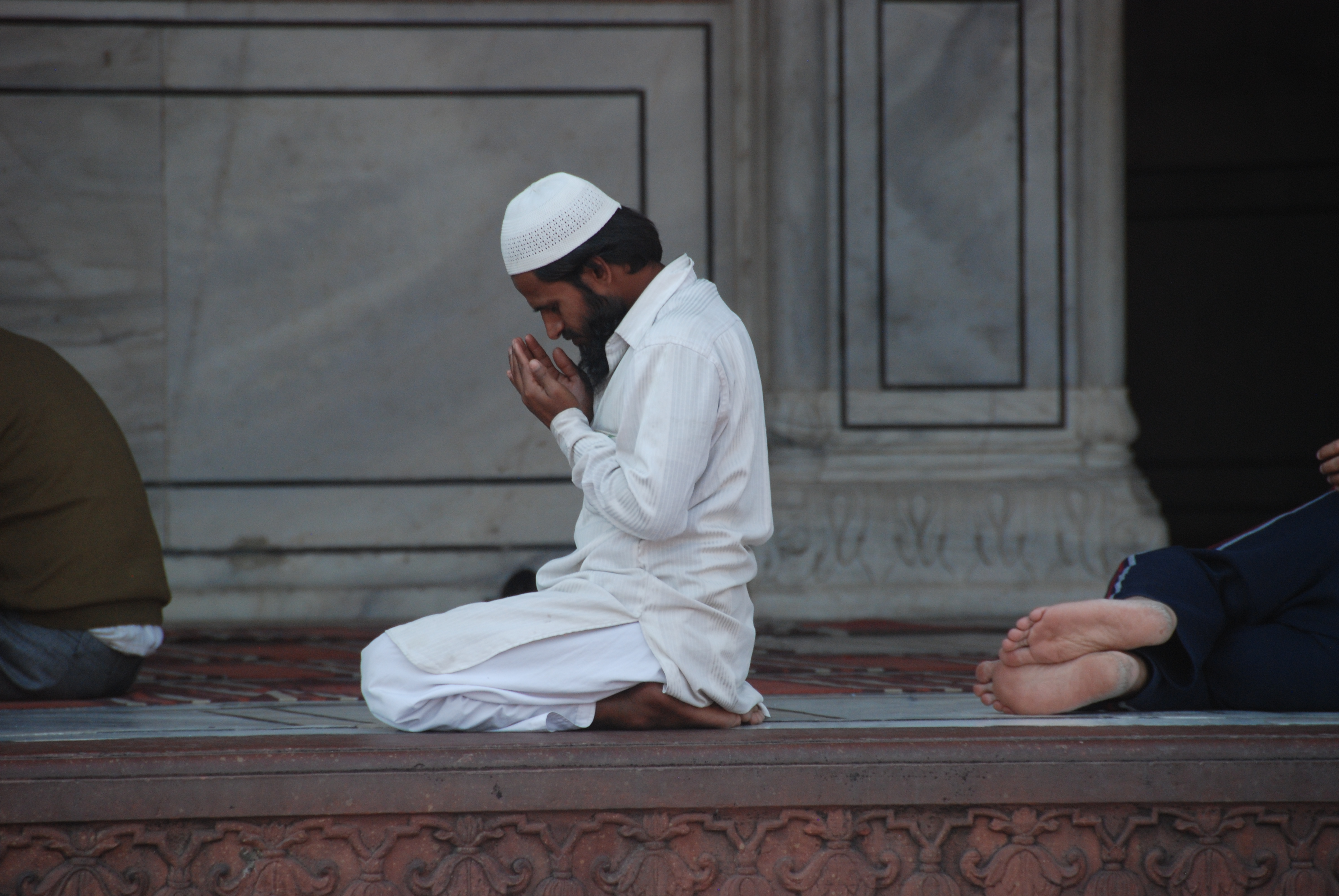
We paid a visit to Jami Masjid, the biggest mosque in India. It was so very different to any of the mosques that I have visited in the Middle East or China. The atmosphere was almost that of a family picnic and it was lovely to witness the reverent devotions carried out by generations of families.
7th MARCH, 2015 -MANDAWA
We left Delhi this morning with our driver Mahendra in the small Toyota van we have for the whole of our stay. The drive out of Delhi was an interesting insight into freeway practices in India. On a massive freeway with six or more lanes in each direction, the chaotic dance of death that cars, trucks, buses and motorcycles engage in has to be seen to be believed. Marked lanes appear to mean nothing to anyone. Drivers commonly drive on for miles obliviously (or perhaps belligerently) straddling two lanes. Others weave – at high speed – in and out of the many lane displaced vehicles. After an hour of involuntary flinching and ducking for cover, I began to relax and leave fate to take its course. Mahendra of course, hardly showed any discomfort.
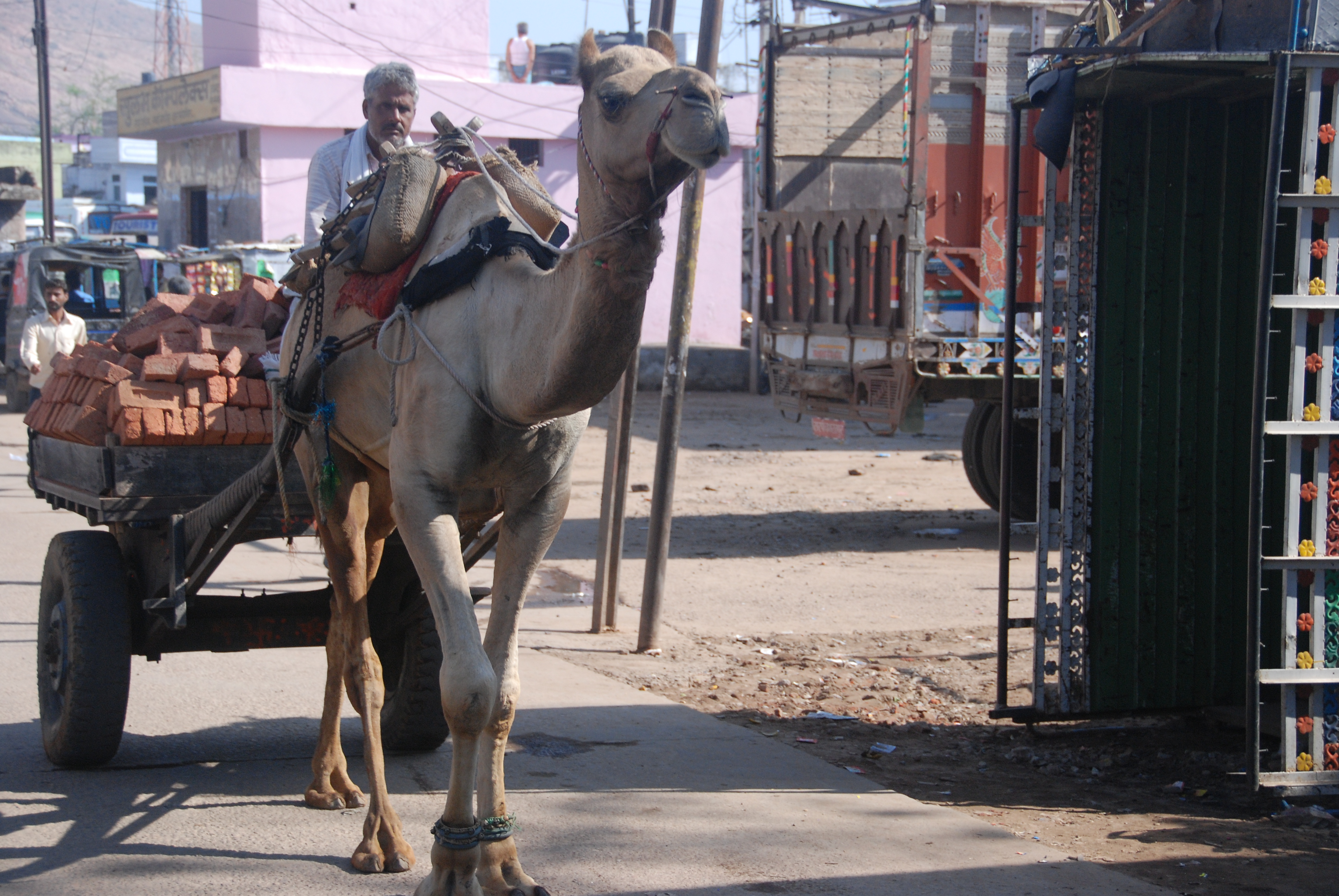
However, once out on narrower, two-way rural roads, the sphincter clenching really began!! The art of overtaking is a highly skilled interplay of hand-on-horn, foot-flat-to-the-floor, and violently wrenching the steering wheel in the classic right-left-right pinpoint accurate swerve!! This is all compounded by the fact that the manouvre is usually executed (no pun intended!) in the face of oncoming trucks, buses, cars, camel or donkey drawn carts and a variety of man powered push carts or rickshaws … motorcycles are barely an afterthought, as they are expected to pull over to avoid all oncoming traffic on the wrong side of the road!! It gives a whole new meaning to the expression, “I’m on your side!!!”
The drive to Mandurah took seven hours in total. The roads were often pitted with pothole that would swallow a small car, not to mention the traffic-slowing congestion and chaos through an endless succession of small towns and villages. Did I forget to add the lack of any semblance of order or road rules of any kind. That made navigating traffic snarls a matter of playing aggressive ‘chicken’ with all the other vehicular contenders!
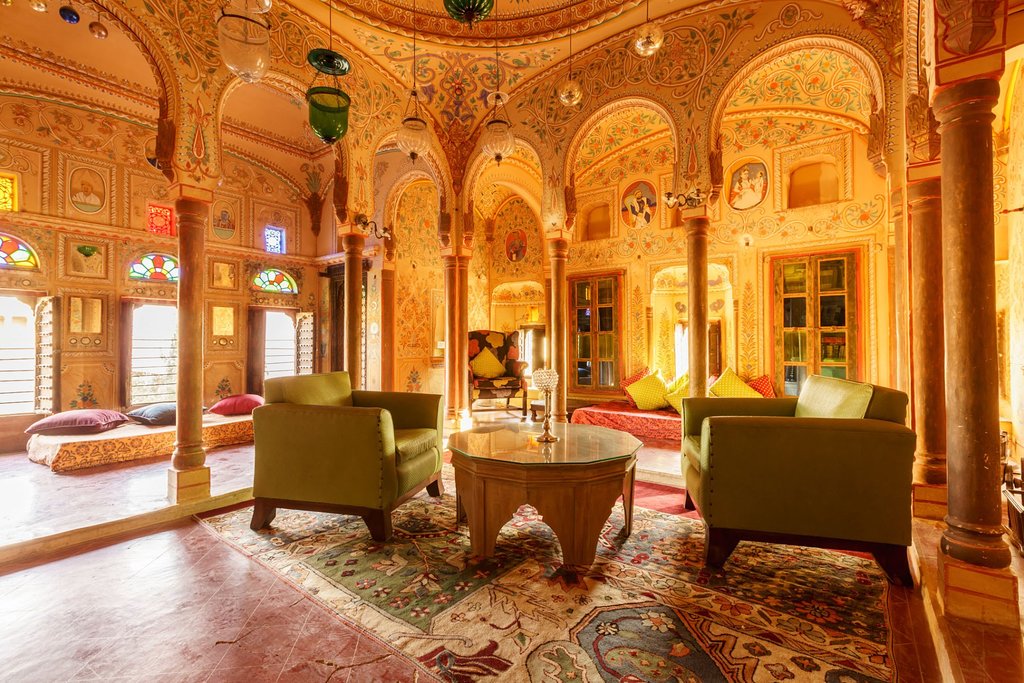
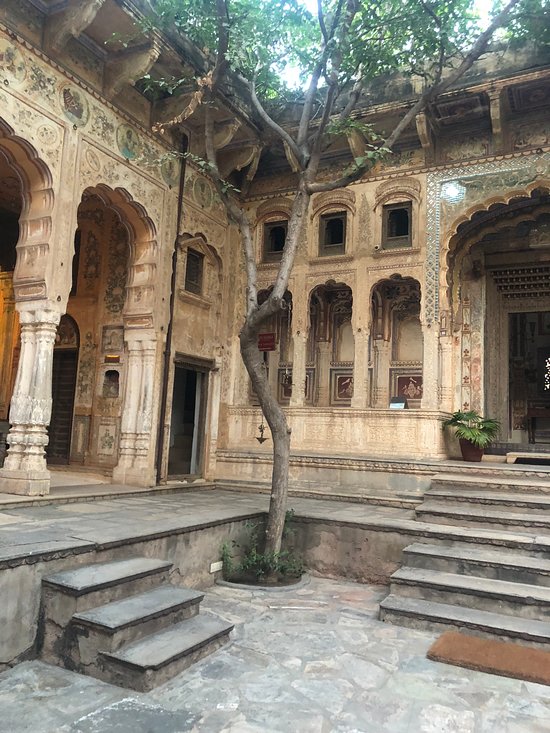
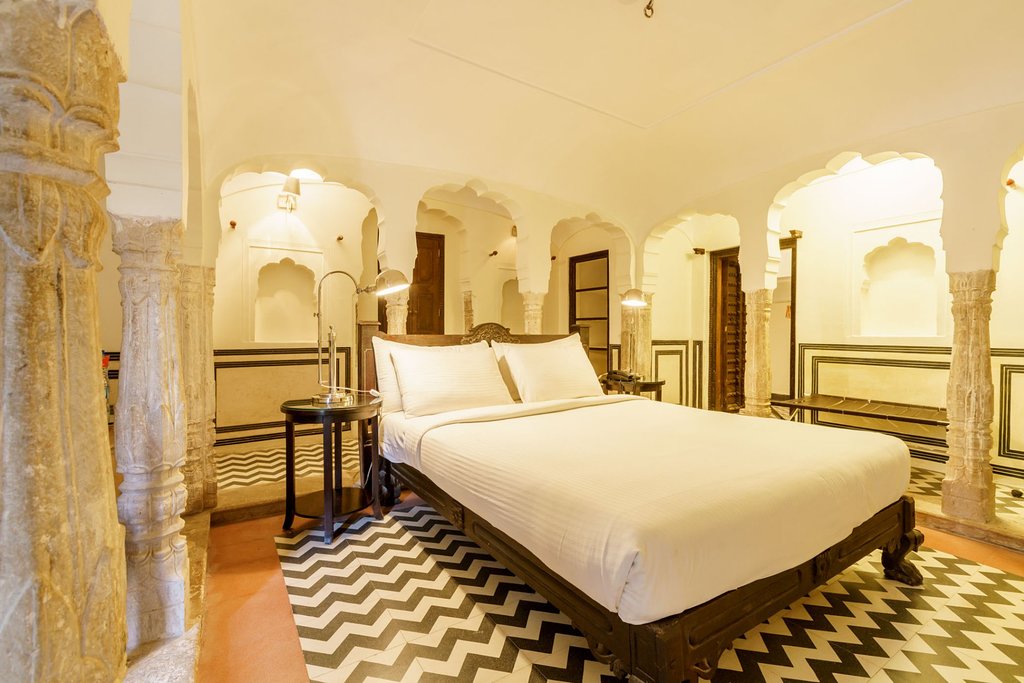
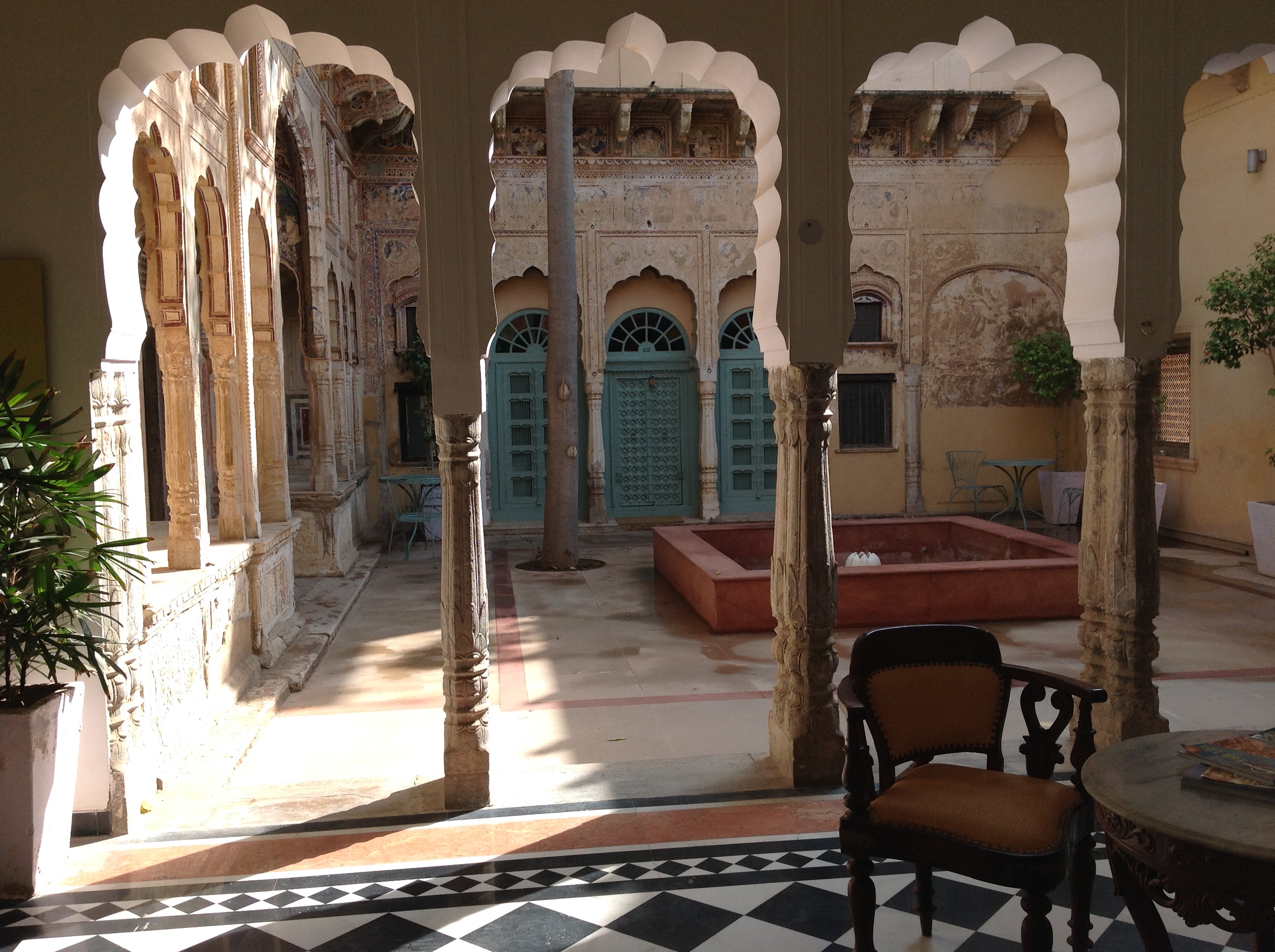
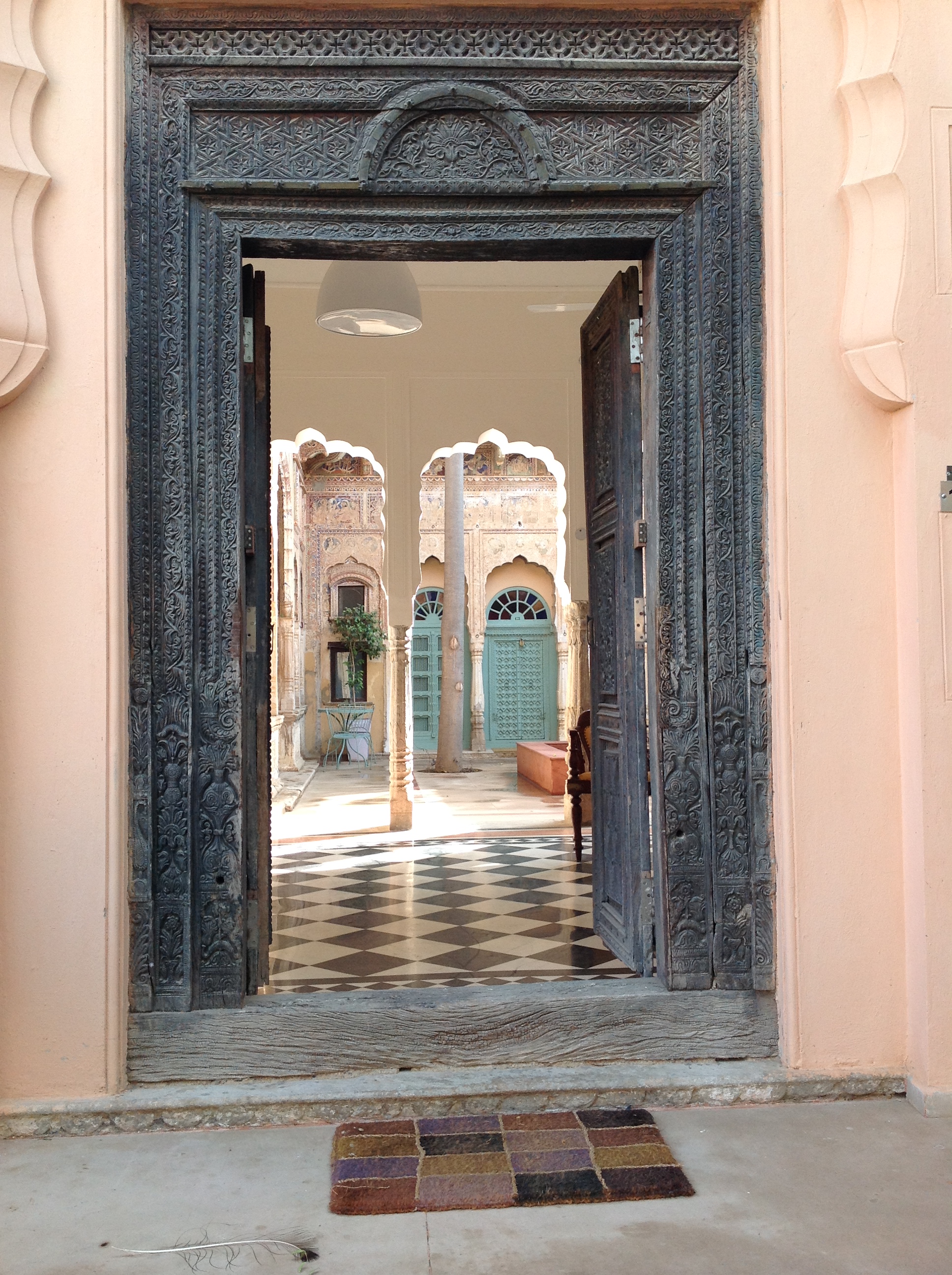
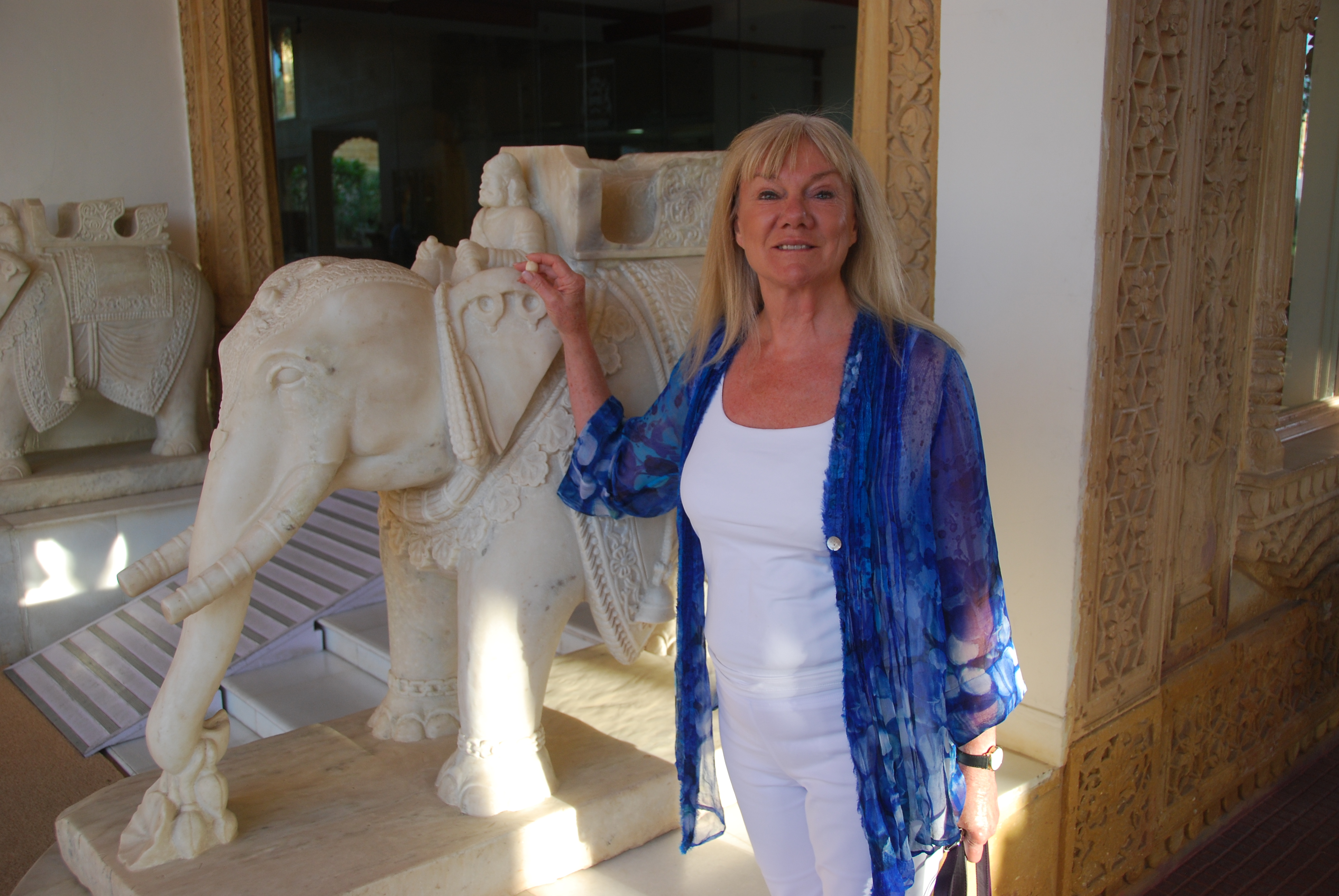
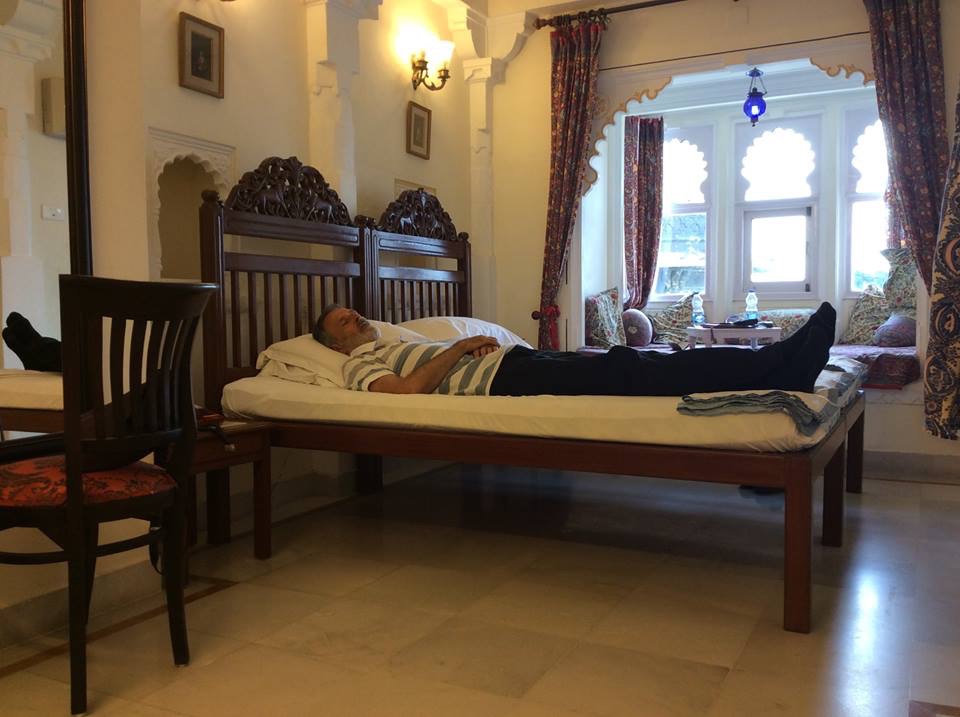
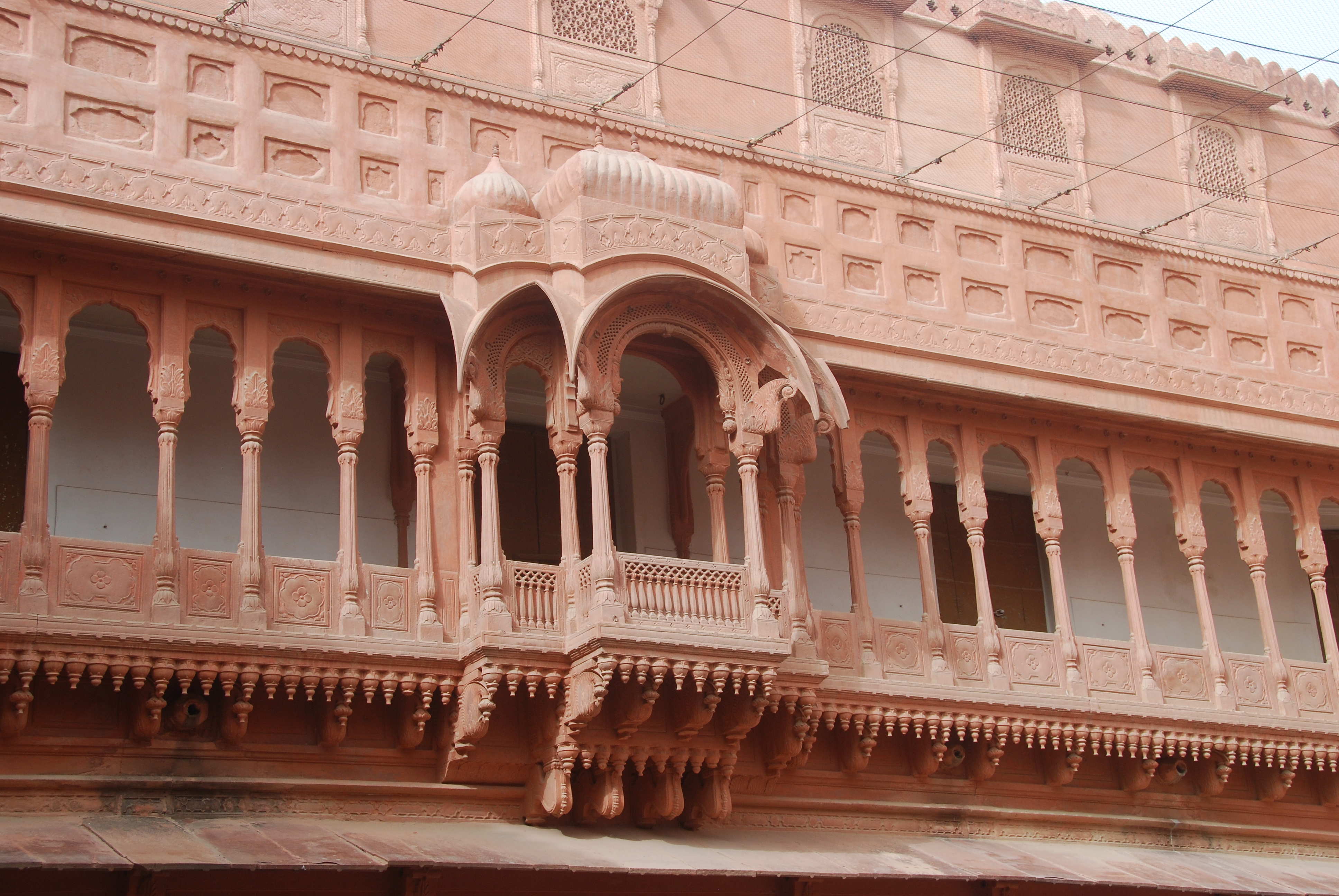
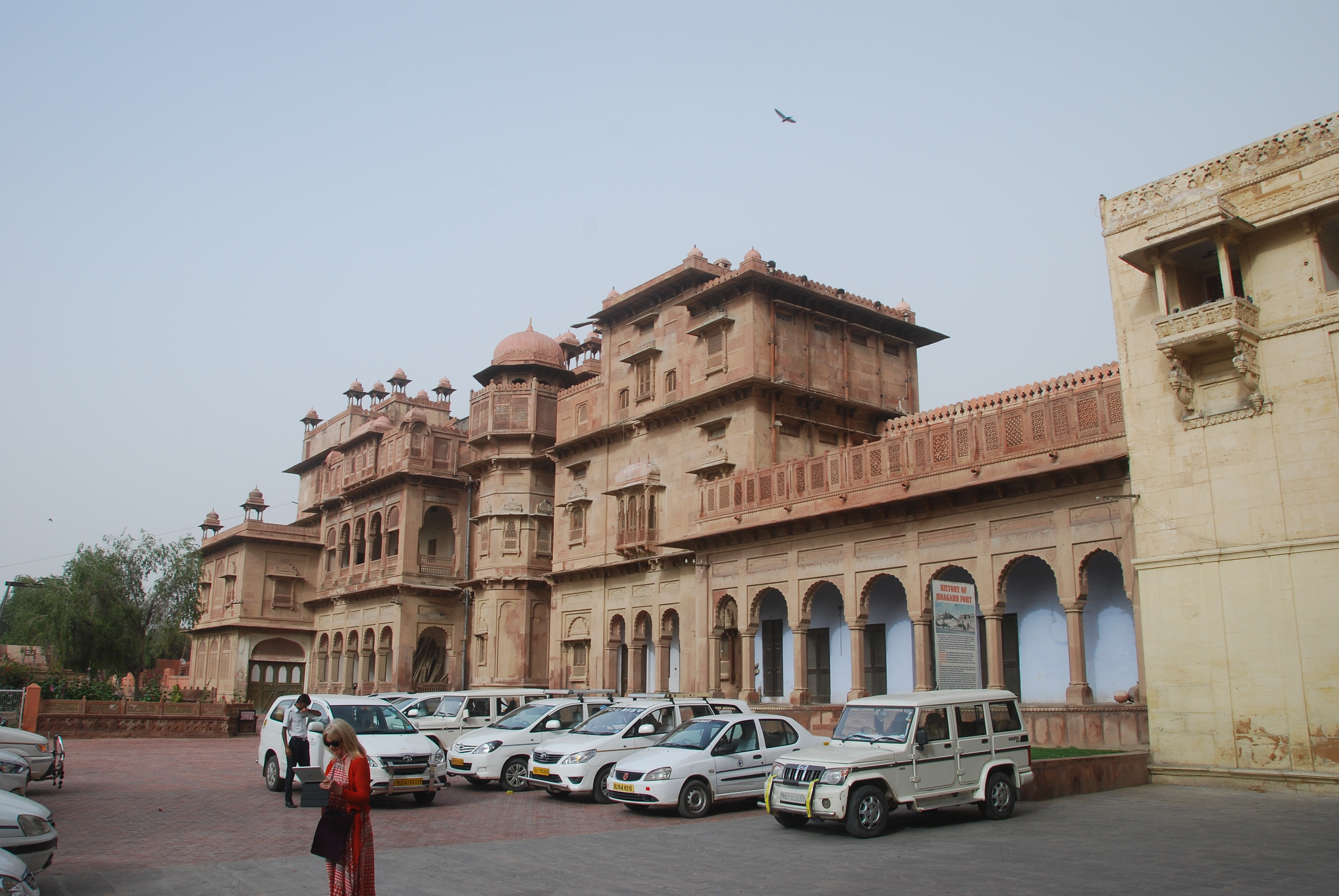
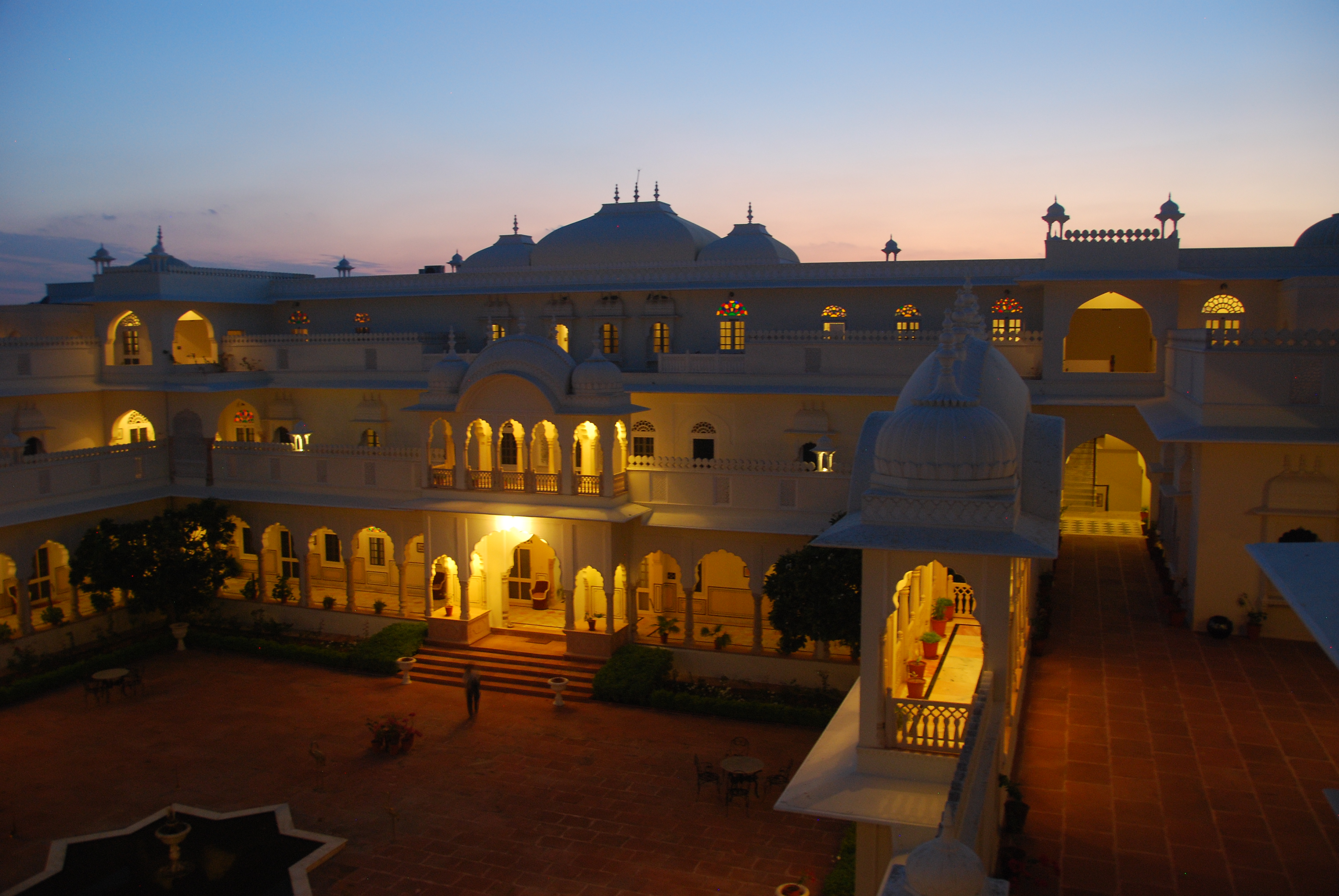
Mandurah has been a revelation. In what is an otherwise small agricultural village, there is quite a grand hotel. Obviously, it had been a Maharaja’s Palace in an earlier life. But I can’t help being reminded of the ageing qualities of The Best Hotel Marigold. However, this has been surprising in its quality … if just a little bit quirky. I could resist the photographic beauty of the place. When we arrived, a thunderstorm lashed our van and our run to the front door (assisted by porters running to our aid with umbrellas). But within twenty minutes the sun was bathing the columns with a soft afternoon glow. Here are just some of the pictures.
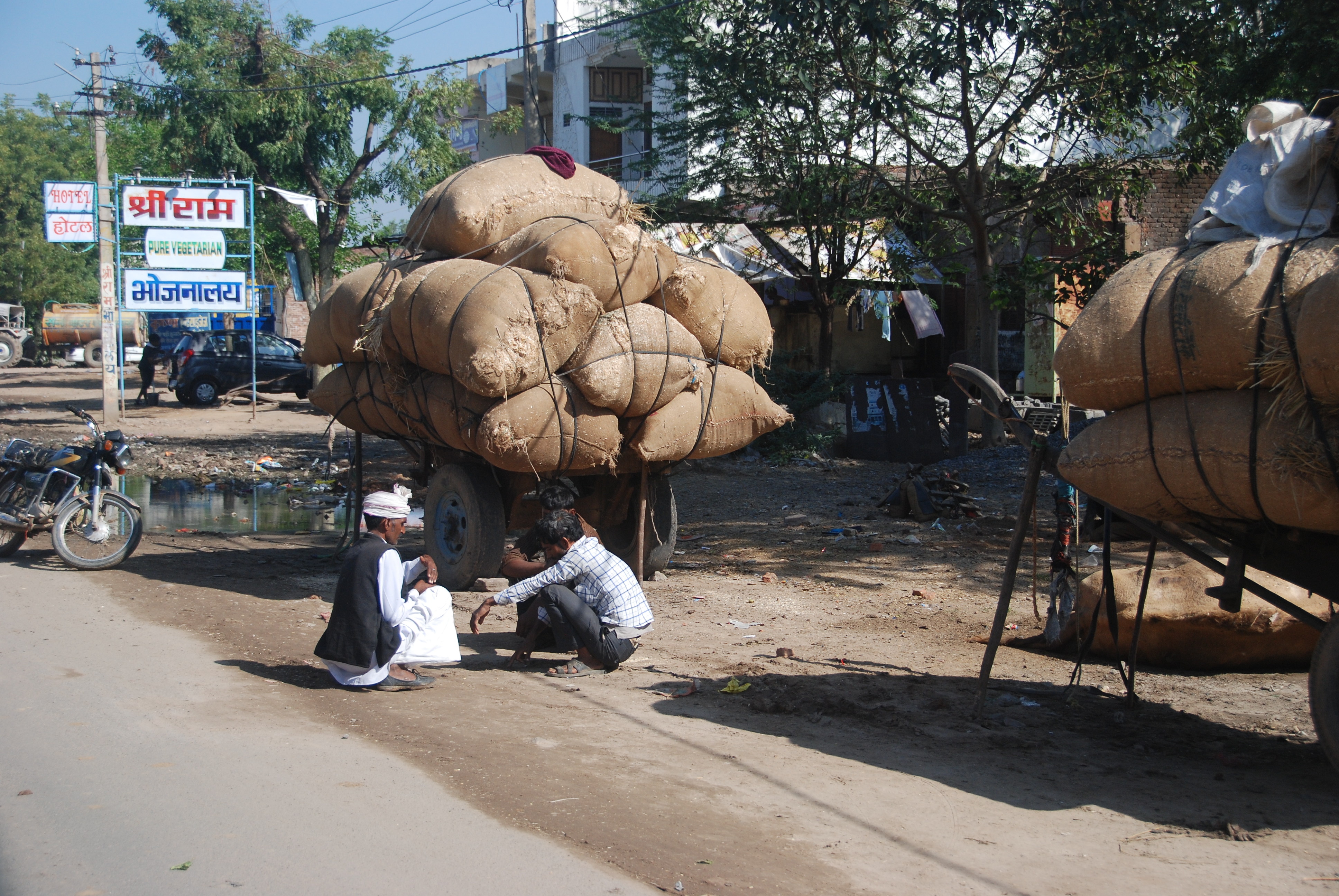
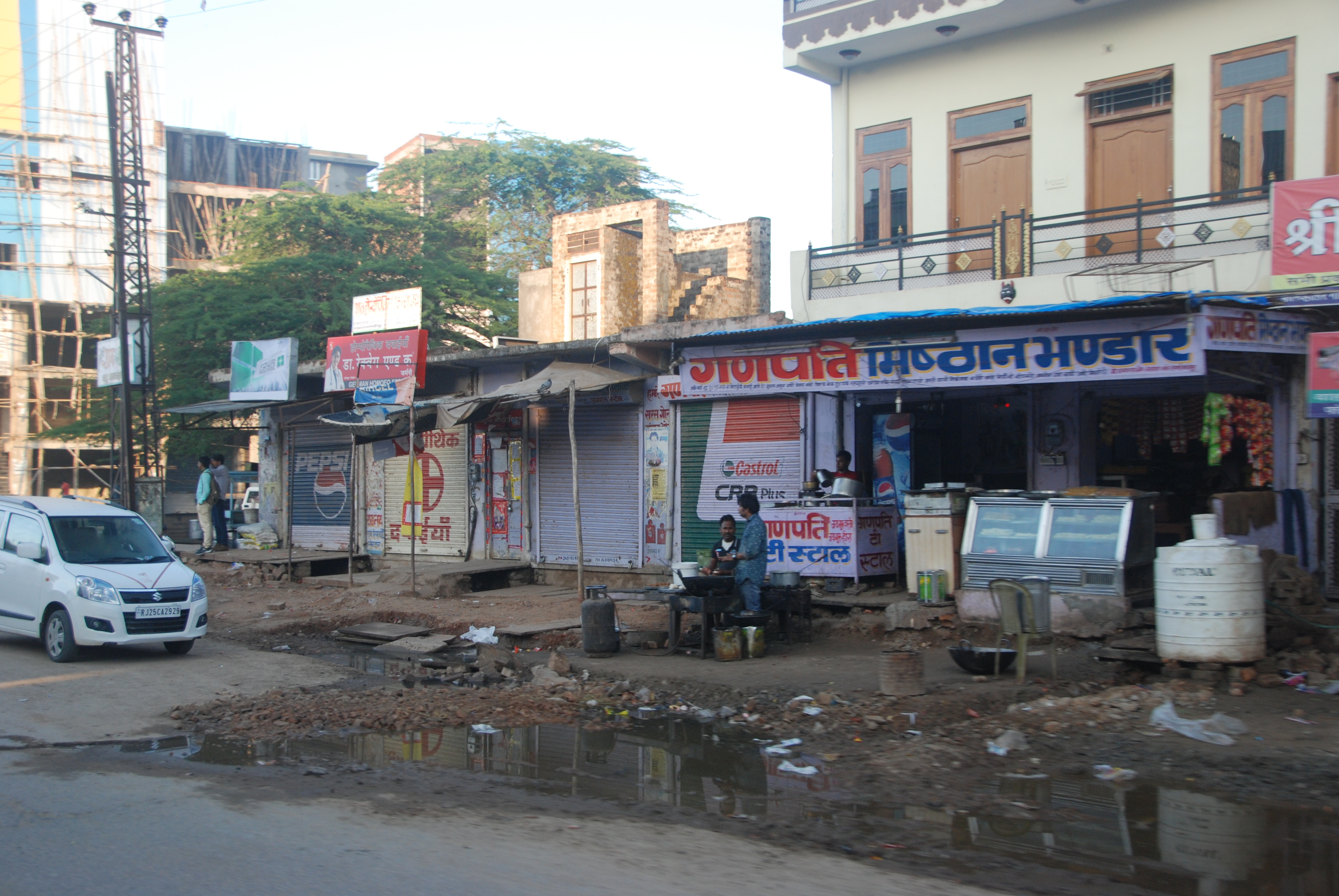
We actually stayed some distance outside Mandawa, in a pathetically poor, dreadfully dirty agricultural village whose roads were mere muddy tracks between ancient, cream coloured, cement rendered brick houses. But in the centre of the jumble of rutted lanes stood the one-time ‘palace’, now re-birthed as a boutique Indian hotel. But it was a delightful place to stay.
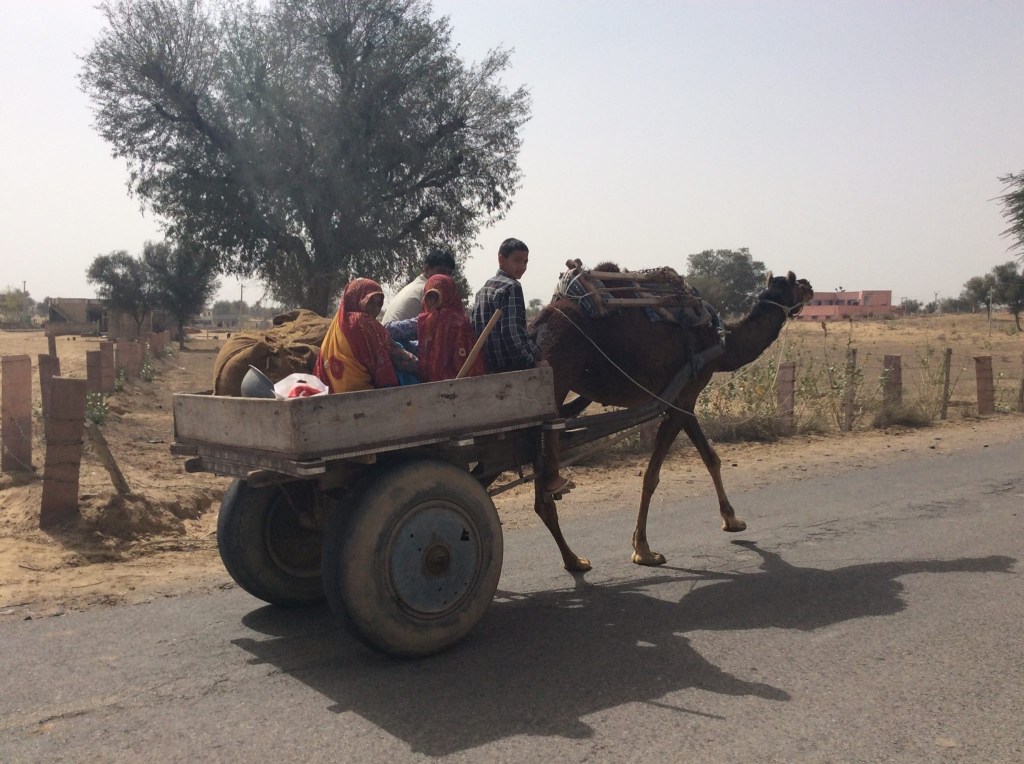
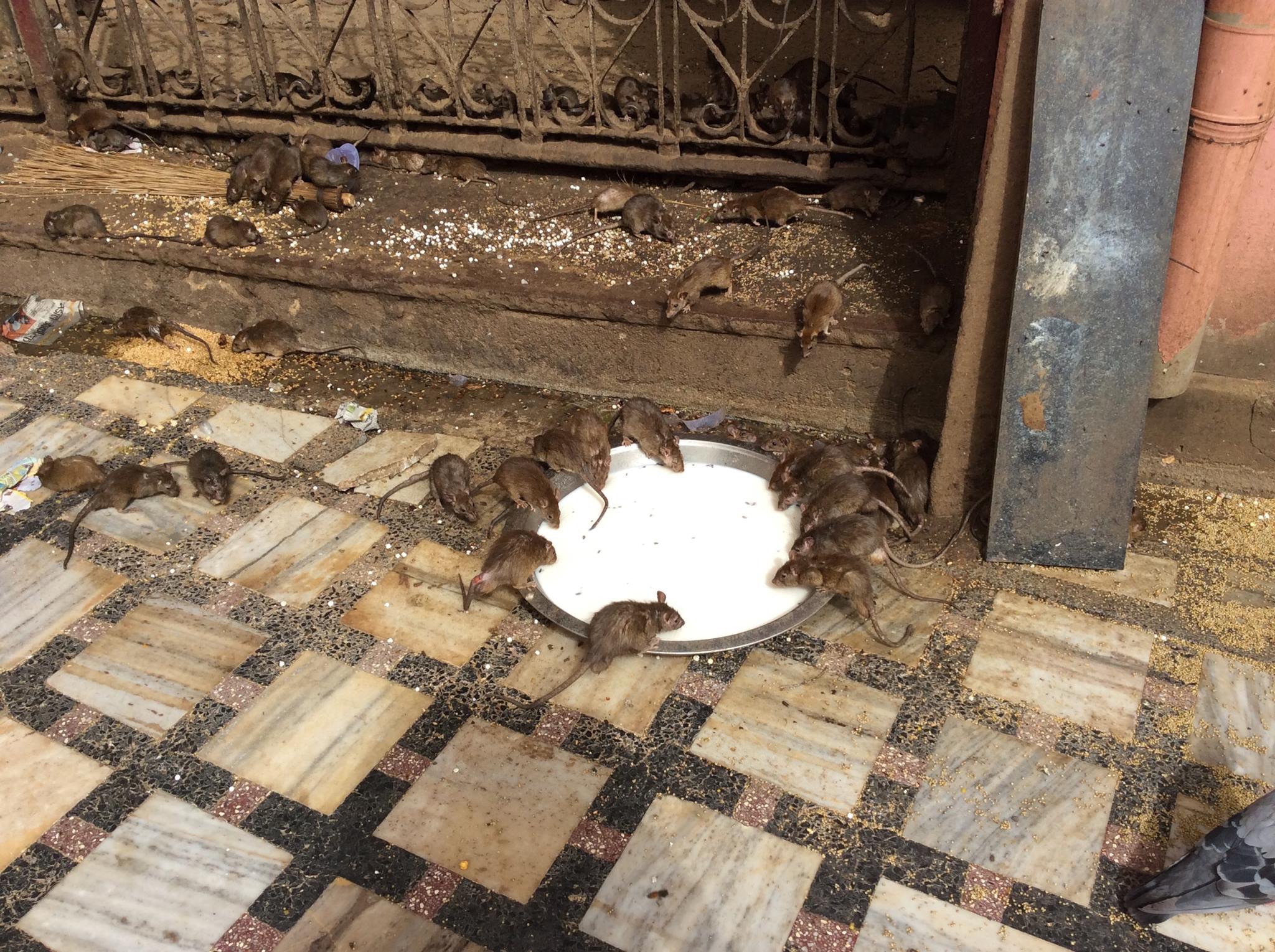
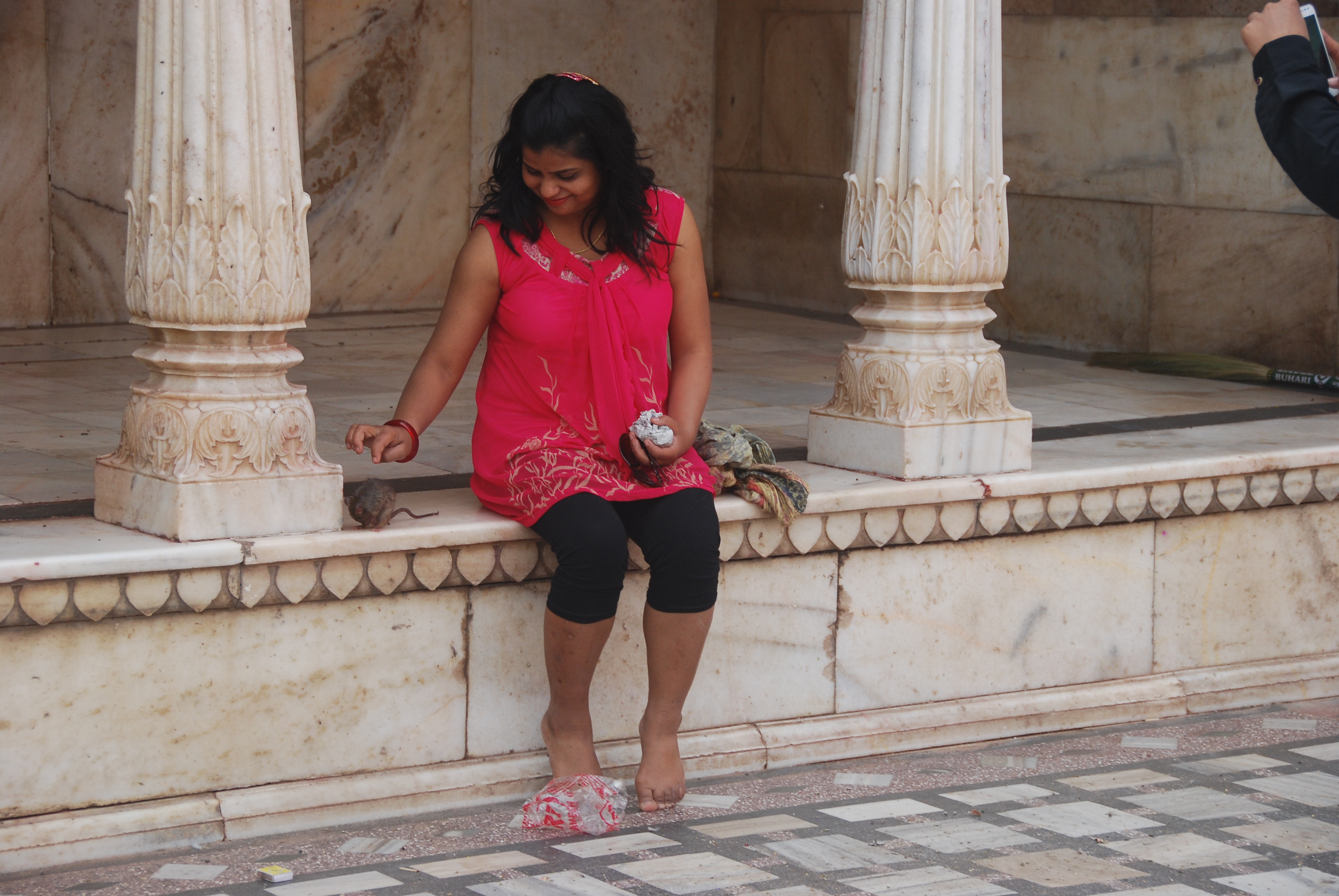
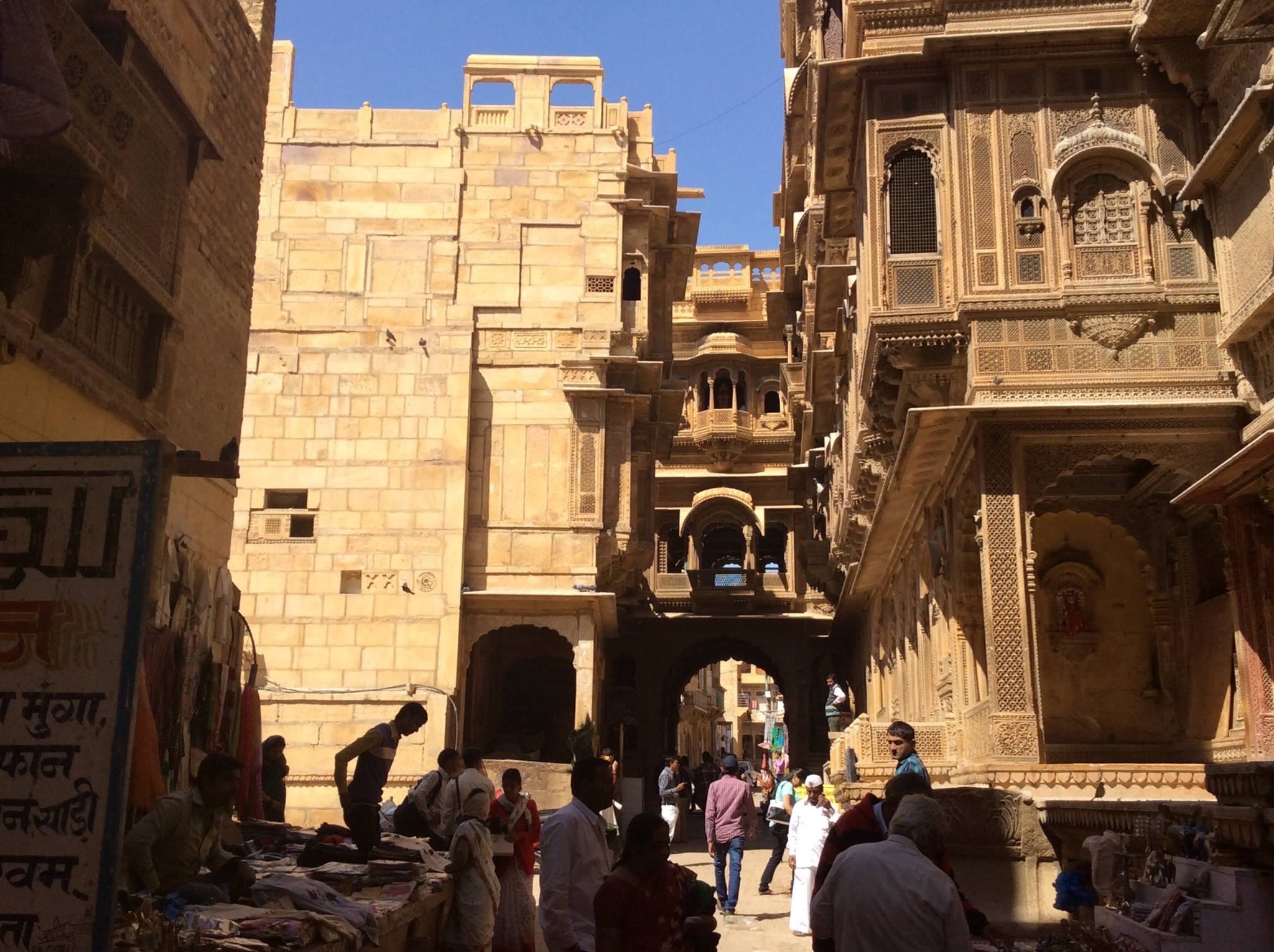
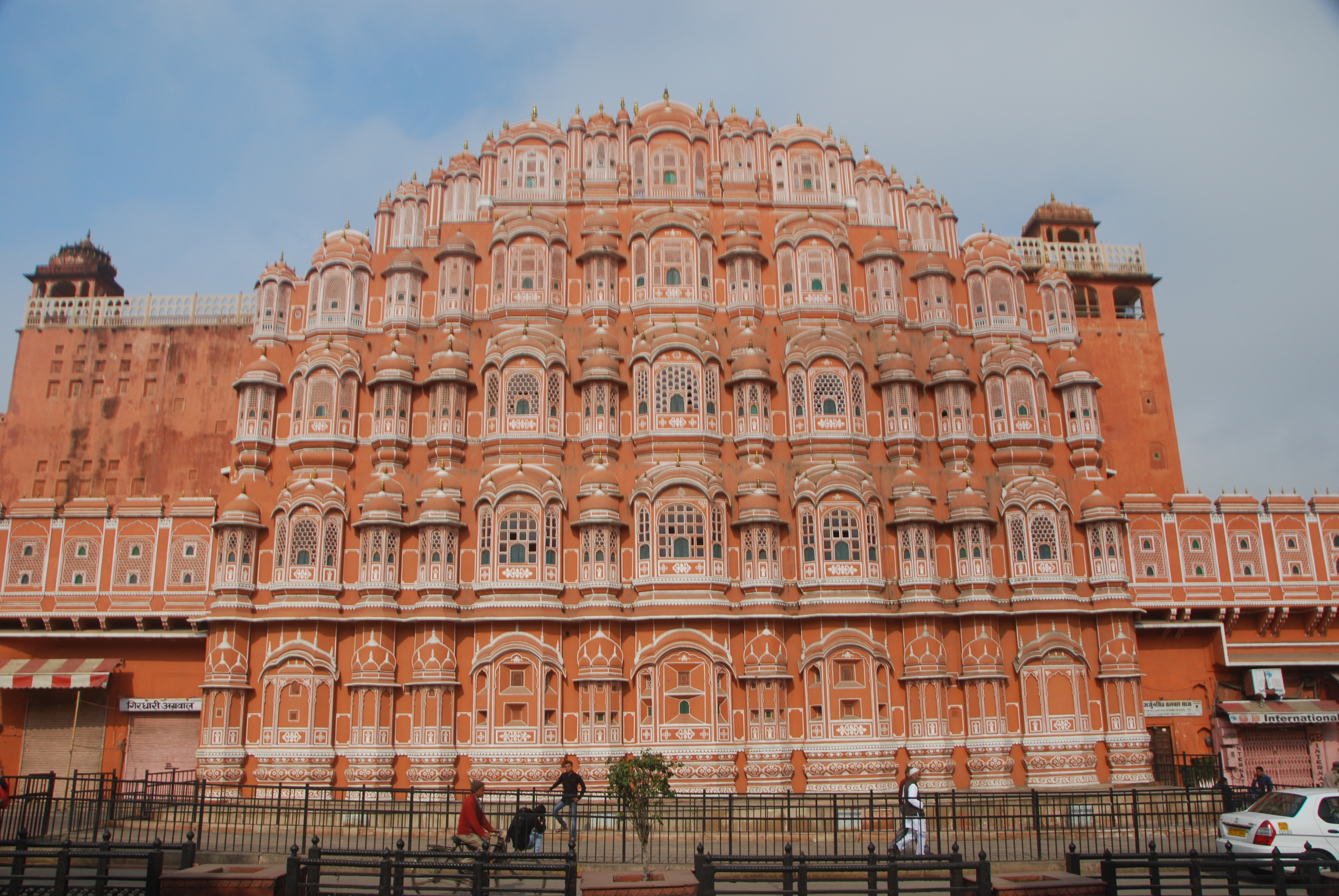
Our first stop was in nearby, Mandawa where we saw the ‘Havali’ (painted houses) mansions of the wealthy merchants of a bygone age. Mandawa was on the famous Silk Road. The whole region of Rajahstan still relies on camels as beasts of burden, although it’s hard to get photos of them as we speed past them on the highway. We had another long day in the car, travelling from Mandawa to Bikaner, the location of the famous “Red Fort”. That was an impressive structure! But more striking was our stop on the outskirts of Bikaner at the (Hindu) Kavli Temple … which is famous (?) for the rats which are revered and scamper everywhere within its confines … including across your feet as you walk!!!!! Like all temples and mosques, you have to take your shoes off outside. Fortunately, they provided foot ‘covers’ (of course for a fee!!). The thought of going in there barefoot doesn’t bear thinking about!
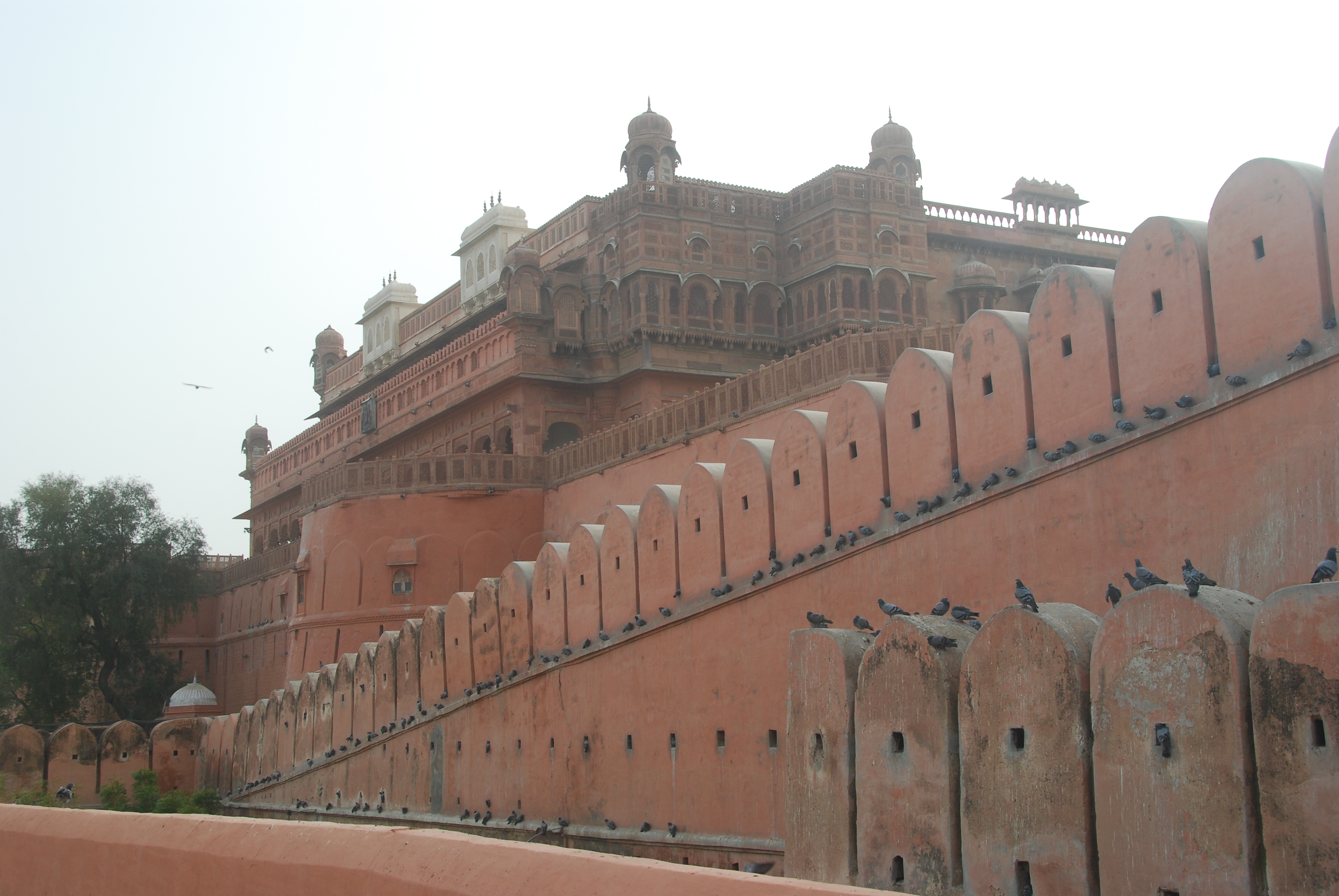
The Red Fort was a huge imposing structure. It’s called the Red Fort from the red ochre colour of the sandstone it is constructed from. Photos, of which we have many, barely do it justice
After a succession of days eating in our hotels due to simple convenience or the remoteness of the location, it was a pleasure to have the opportunity to eat out at a local restaurant. Needless to say, the price was a fraction of the hotel fare but the quality of the food was particularly good. We were taken to a restaurant on the hill of the Jaisalmer Fort. It was at the end of a building that served as a guesthouse. It was a rooftop restaurant recommended by our driver/guide. It had a quaint ambience … by which I mean it had a rough cement floor, rendered low walls and columns painted an aqua blue/green. The columns supported a steel roof frame with a canvas covering. Between the columns, there were light cotton fabrics, slightly torn, serving as a wind breaks. The table cloths were of the same material, frayed at the edges … all were strikingly reminiscent of used hotel bedsheets!
The food was excellent, and the service was attentive … actually, far too attentive!! We’d only just had our meal served and the waiter/owner had walked away. As we ate, we chatted about the day and the delicious meal. Then we became aware that the owner was standing less that two metres from us staring intently, and making occasional comments and trying to engage us in a conversation we didn’t want to have. Our mistake had been to show interest and kindness when we first met him. He’d seized that opportunity to tell us all of his recent life history, and obviously regarded us as his new best friends!! The poor man told us that he was not from Jaisalmer, but had come from the Himalayas over twenty years ago and opened the restaurant. Two years ago he’d gone back to his home, a remote rural region in the Himalayas. One morning, he went out walking and was attacked by a black bear that ripped off the side of his face and right eye. In the dim light we hadn’t been able to see him clearly, being conscious only that he wore glasses and was otherwise nondescript. He took off the glasses to show us the featureless depression that had been the right side of his face. The attack had happened at about 9am and he had to be carried to hospital in a chair by a relay of friends. It took until 5pm before he reached the hospital.
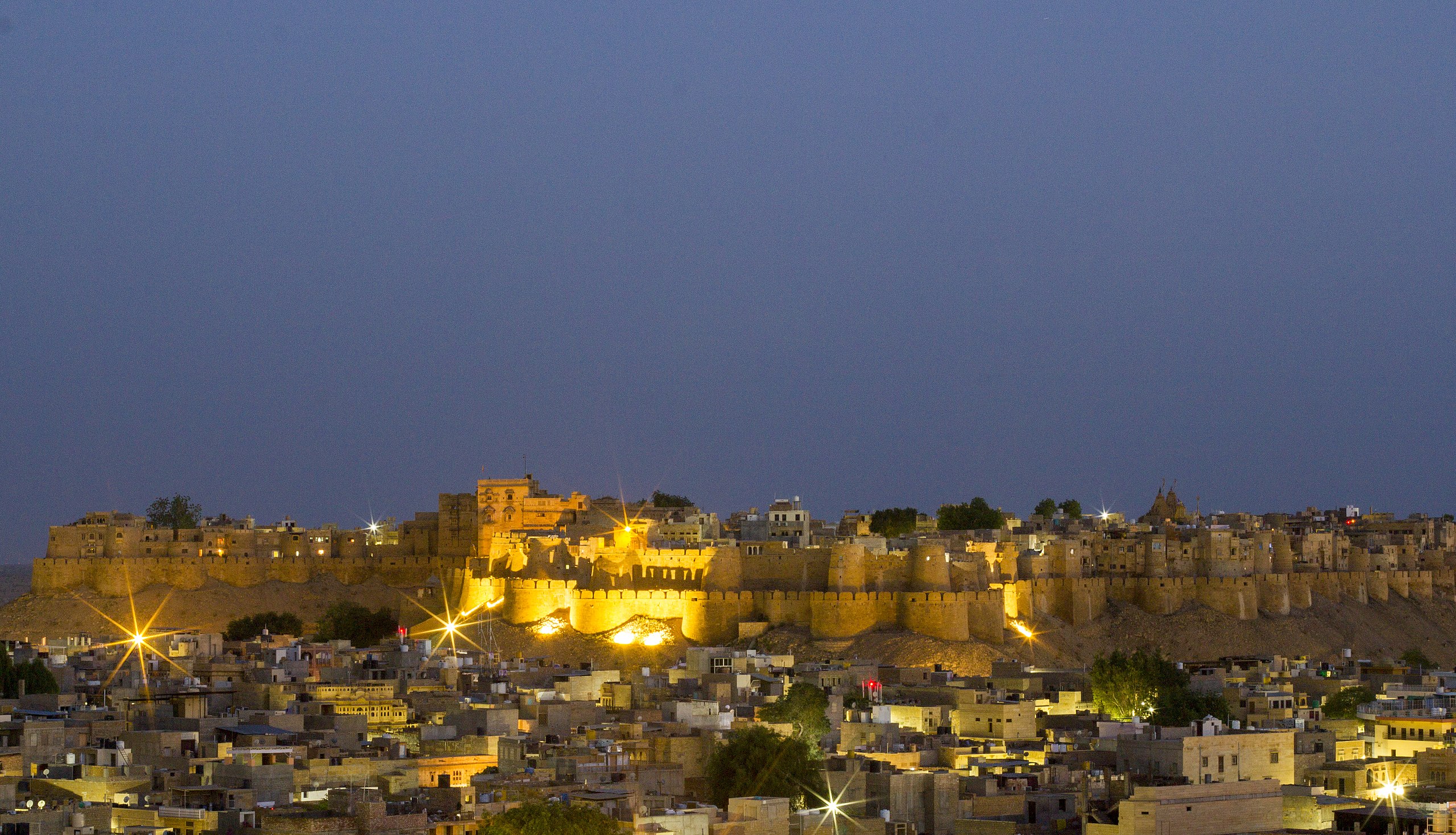
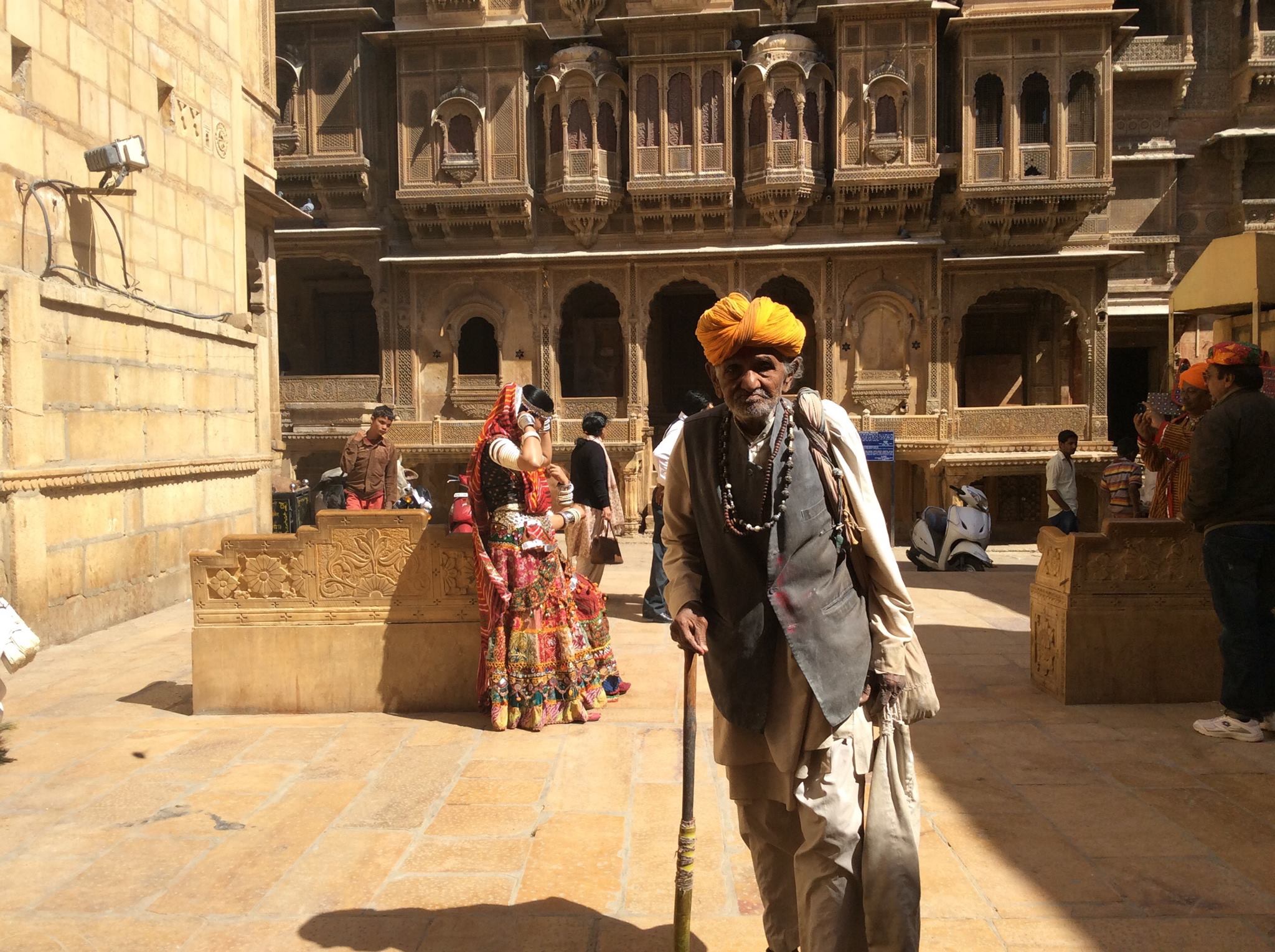
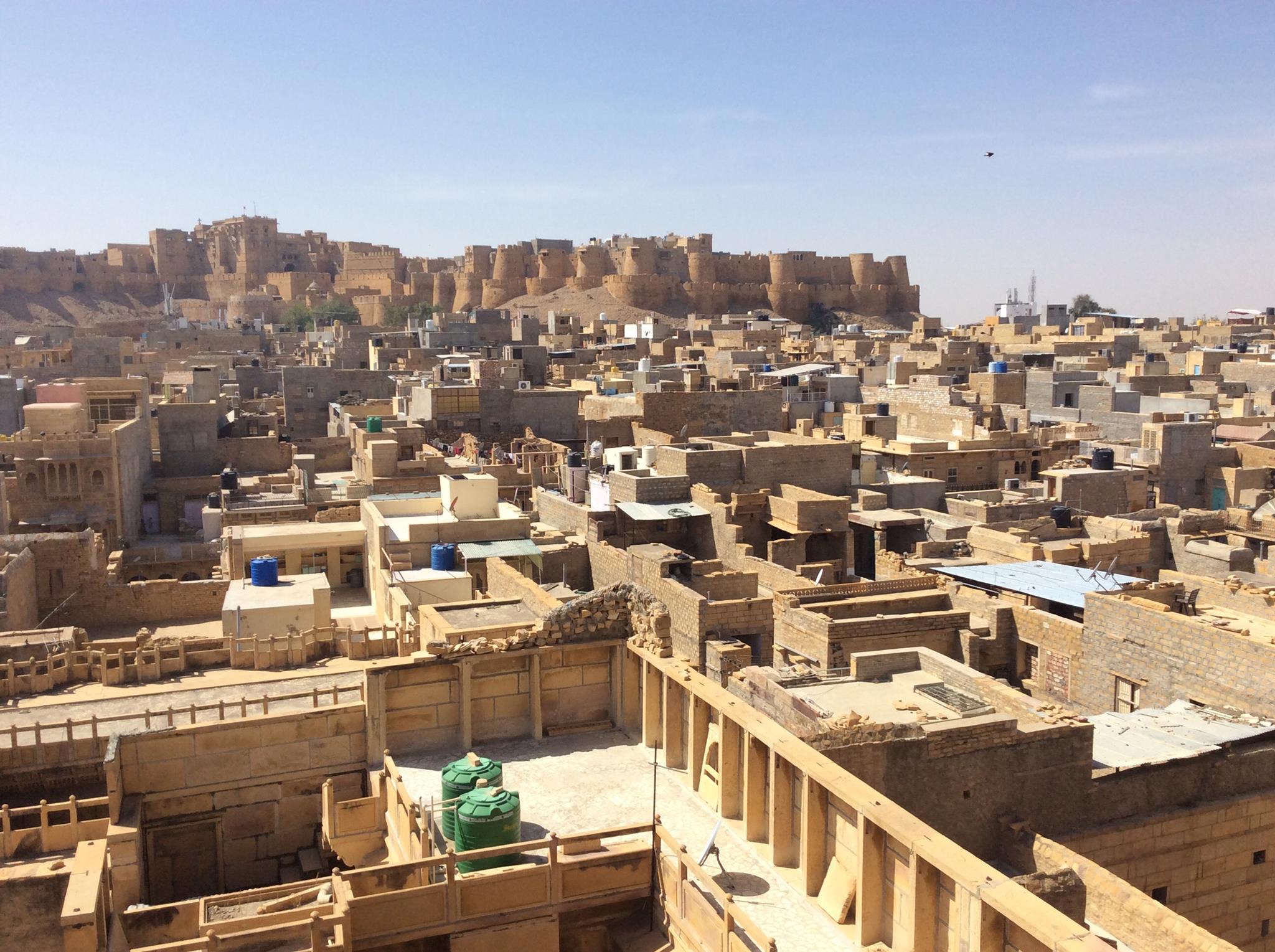
Today we went with a guide to see the fortified city of Jaisalmer. The fort is set high upon a hill with a commanding view of the surrounding plains. It is an impressively huge structure filled with the most magnificent architectural features. It makes many castles in Europe look insignificant in comparison. Walking its narrow lanes was a feast for the eyes and for the senses. It was like a trip back in time and culture. While there was ever the ubiquitous and pervasive tourist-focussed vendors, paid photo opportunities and offerers of all kinds of goods or guide services, there was so much here that was simply the genuine cultural canvas of the region. It has been the best we have seen so far!
Our guide Padam was a mature man, with good English (he claimed to speak several languages) and carefully followed our request to keep the vendors and beggars away from us. However, that was to come back to haunt us at the end of our tour. We had expected to tip him – according to our satisfaction – and we had been very satisfied. But when we gave him what we believed to be a generous tip of 300 Rps, he rudely flipped the notes, counting them in my presence and said, “Not 500 Rps? That is the standard fee!” I’m sure it’s not ‘standard’ by any measure, but I simply gave him what he asked … but then that is hardly a ‘gratuity’!
It wasn’t such a long drive to Jodphur from Jaisalmer, but there is so much to see along the way. There were at least two wedding groups, each with the bride and groom lavishly dressed … but in each case, surrounded by a bus tour group of French or Germans insensitively and intrusively snapping photos!! At the last few hotels we stayed at we’ve had to endure the noisy ‘joys’ of bus groups … which is particularly irksome at the breakfast buffet!! So, at each wedding party, we drove on by. The independence of doing “India by car and driver” is its best feature. It truly is a wonderful way to see it all without having an abrasive group constantly around you.
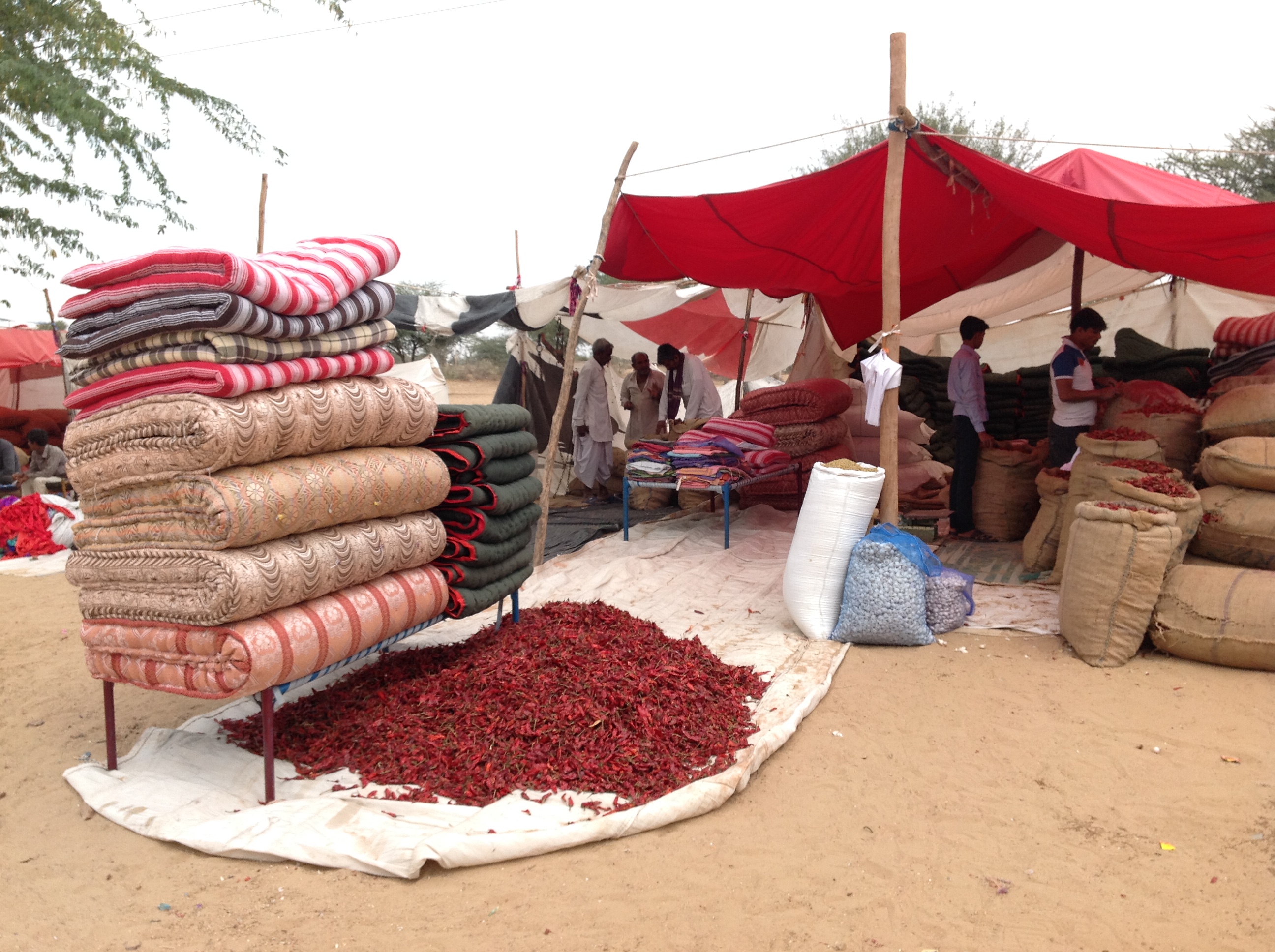
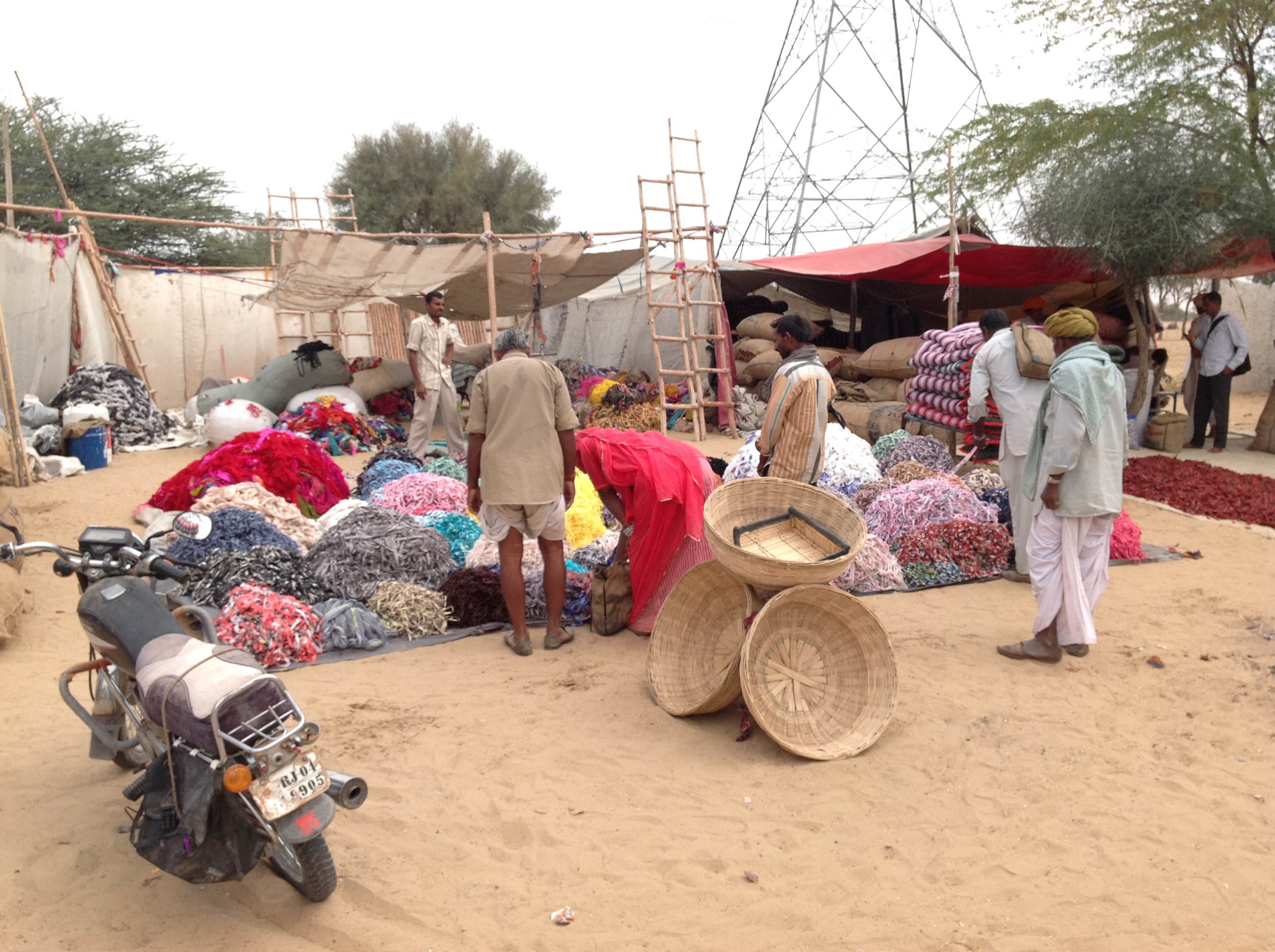
Shortly after the last wedding party, we stopped at a roadside market. In this remote part of Rajahsthan, we were as much of an intriguing sight to the people as they were to us. This was principally a chilli market. I’ve never seen so many chillies in one place. As we stood taking the few photos we did, people began to surround us in a very friendly, inquisitive way, looking at the iPad and wanting us to take their photo and show it to them. But their curiousity made it hard to take the pictures we would’ve liked, so we retreated to the car and headed off to Jodphur.
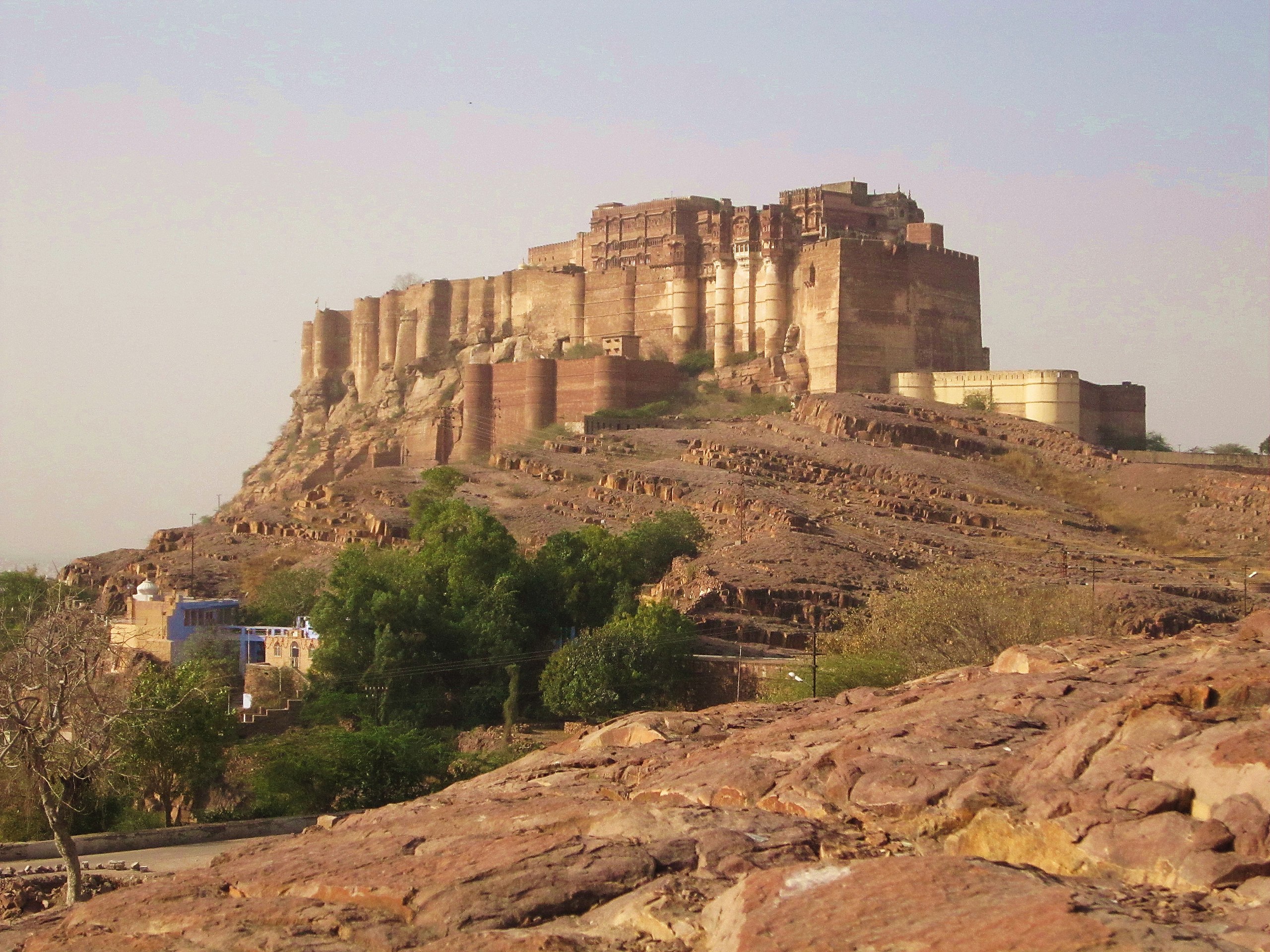
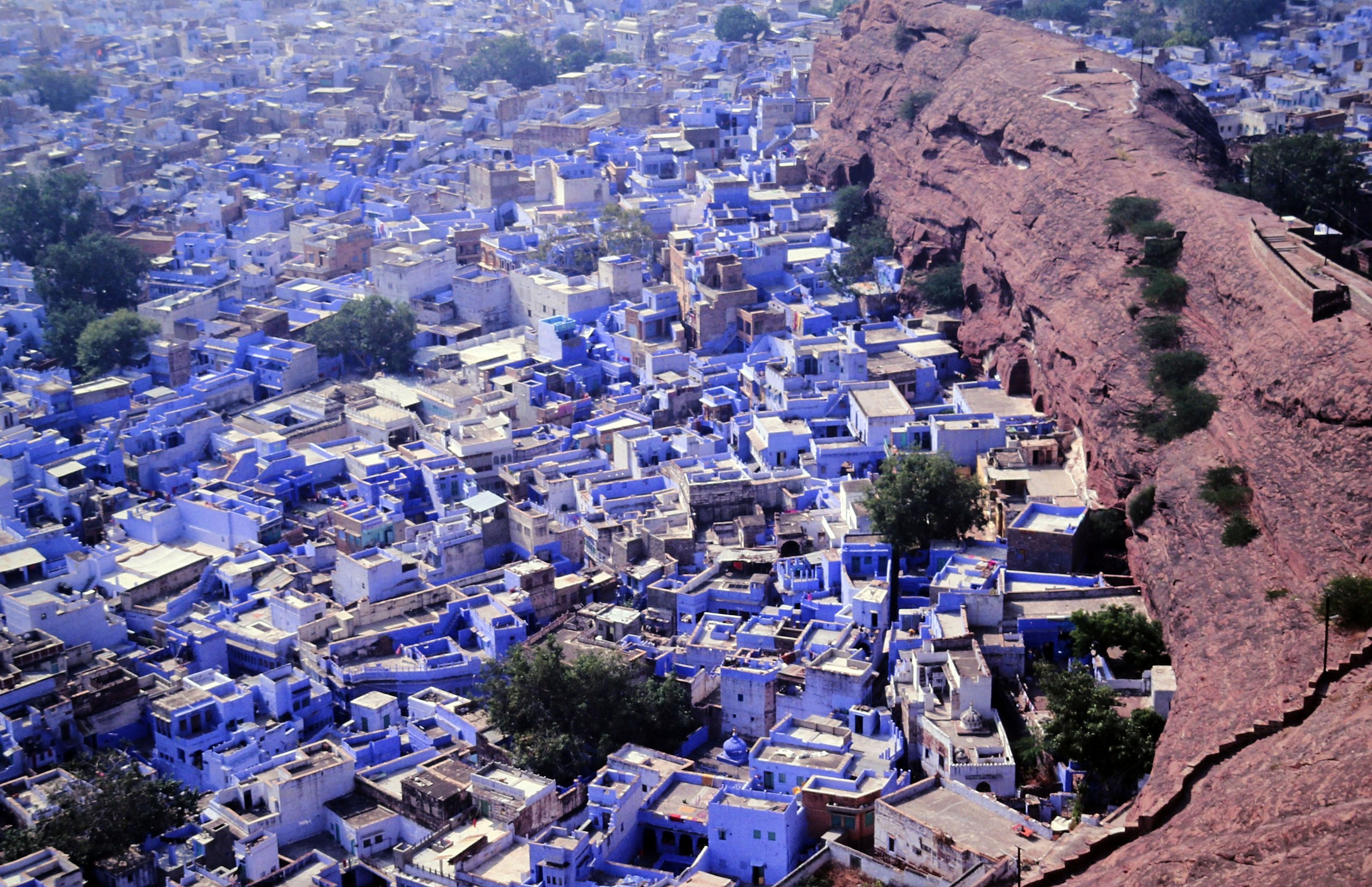
Jodphur is partly surrounded by a remnant wall that snakes over hills and ridges, akin to the Great Wall of China. One stretch Barry tried vainly to photograph (without a wide angle lens) must have extended for six kilometres or more – and that was only a portion of it! But the Mehrangarh Fort, perched on a high rocky hilltop, was absolutely vast … and absolutely huge. From ‘ground’ level (at the top of the rock) it extended upwards beyond the height of a ten or twelve storey building (at least!!). Again, photography struggled to capture the colossal nature and immensity of the structure.
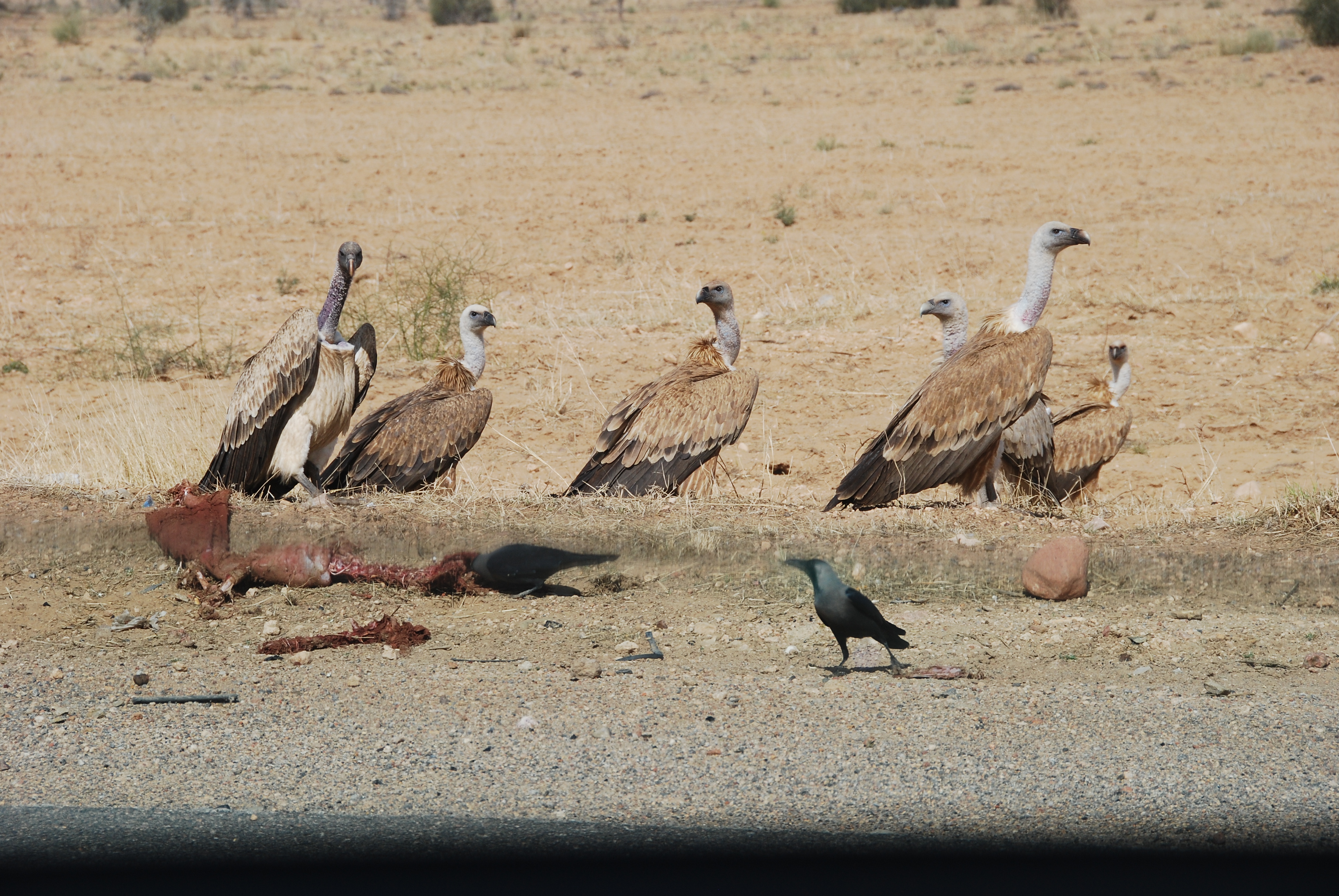
The trip from Jodphur to Udaipur was an eventful one. The road out of Jodphur is a straight featureless highway (single lane in each direction). It is a legacy of the hostilities with Pakistan. The Indian Army has upgraded the road for strategic purposes, and maintains it well. The road passes through the flat, scrubby desert country, reminiscent of the drive between Mildura and Ouyen, except for the wild camels and vultures feasting on roadside carcasses! But approaching Udaipur, the country became more mountainous, with bare craggy monoliths jutting up out of the plains. Further on, it became more of a wild, rugged winding mountain road in dry, harsh and arid conditions.
The road was simply a narrow single strip of bitumen with precious little space either side of the tarred portion. Two way traffic was a challenge (particularly given the very cavalier Indian driving) especially when the opposing traffic was a truck or bus. Overtaking buses was something of a thrilling experience too!!! Added to that excitement, at one point we were confronted by a group of four aggressive men standing in the middle of the road, blocking our path and plainly intending to stop us. They were waving and shouting and had strewn large rocks on the roadway, but not fully across our path. Mahendra, our driver, simply planted his foot and drove straight at them!! At the last minute, one of the men tried to roll a large, wheel-smashing rock into the small gap left open. The men leapt out of the way as the car plunged through the diminishing gap, our wheels thumped as they clipped against that last encroaching stone!
Mahendra laughed this all off as youthful exuberance in pursuance of the celebration of ‘Holi’. He said that they only wanted to stop us with a view to having us pay 100 Rps to avoid the car being ‘bombed’ with coloured powder or dye. In Delhi Holi was a single day, but here in Rajahstan it continues for ten days. I’m not sure whether that was truly the case or just Mahendra trying to reassure us that we weren’t going to be mugged … particularly as he forgetfully told us, some time later, of the “bad men” and poor people (i.e. brigands!!) that make the area a very dangerous one for tourists!!!!
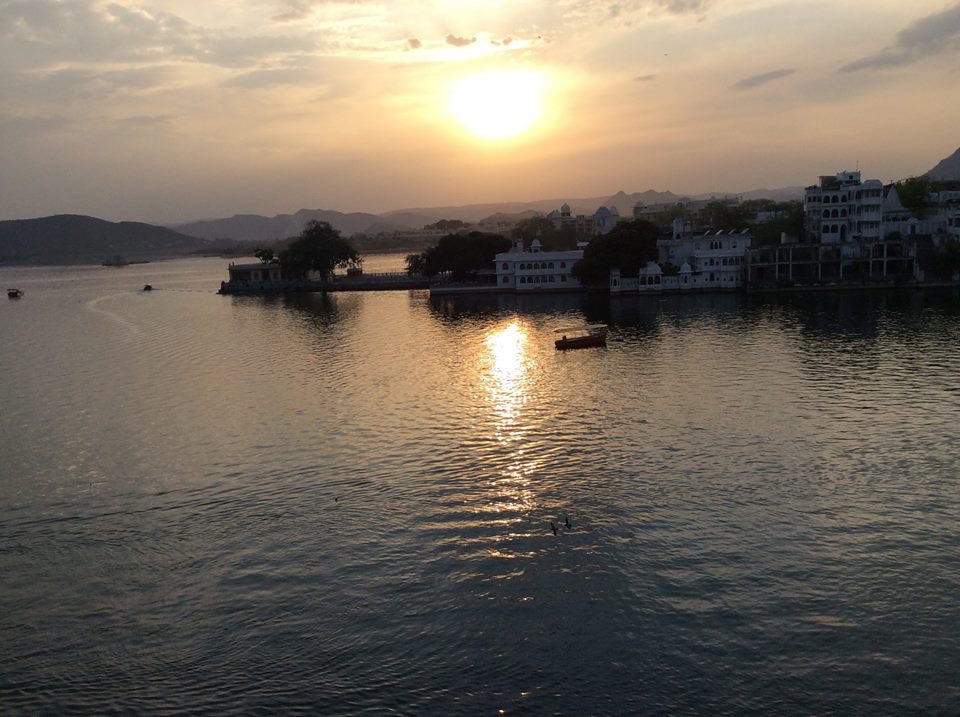
Udaipur is known as the city on the lake, dating from the 14th century. The lake was created by the then Maharana building the dam to provide water in an otherwise arid area. In all of the rest of India the rulers are Maharajahs, but for some reason (explained to us in a convoluted way we never really understood) here alone, is the ruler called a Maharana. Apart from its picturesque beauty and historic architecture, there are signs everywhere advertising screenings of the movie, “Octopussy” which was apparently filmed here. In the middle of the lake is the white summer palace of the Maharana, now converted into an ultra-expensive historic hotel.
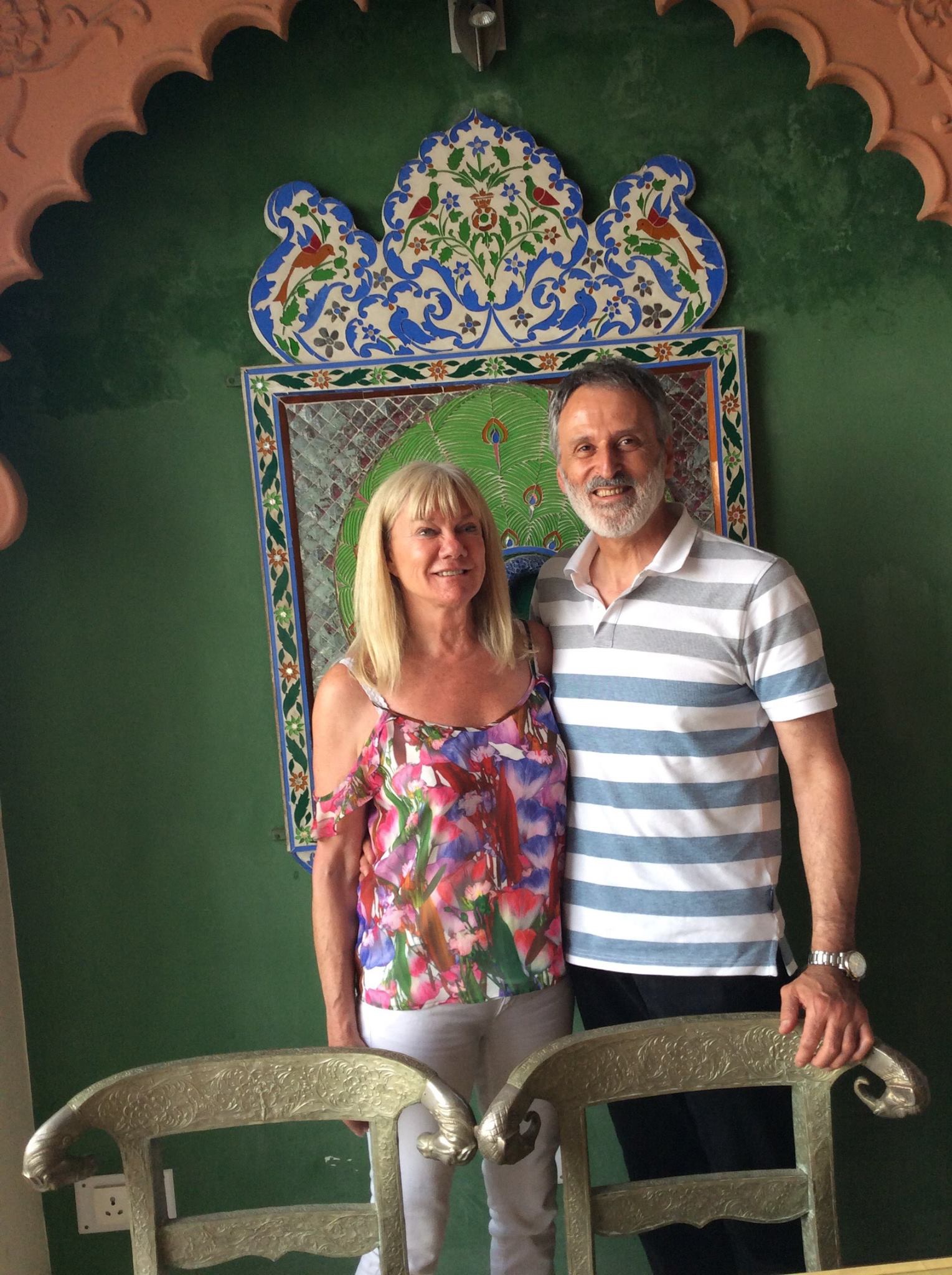
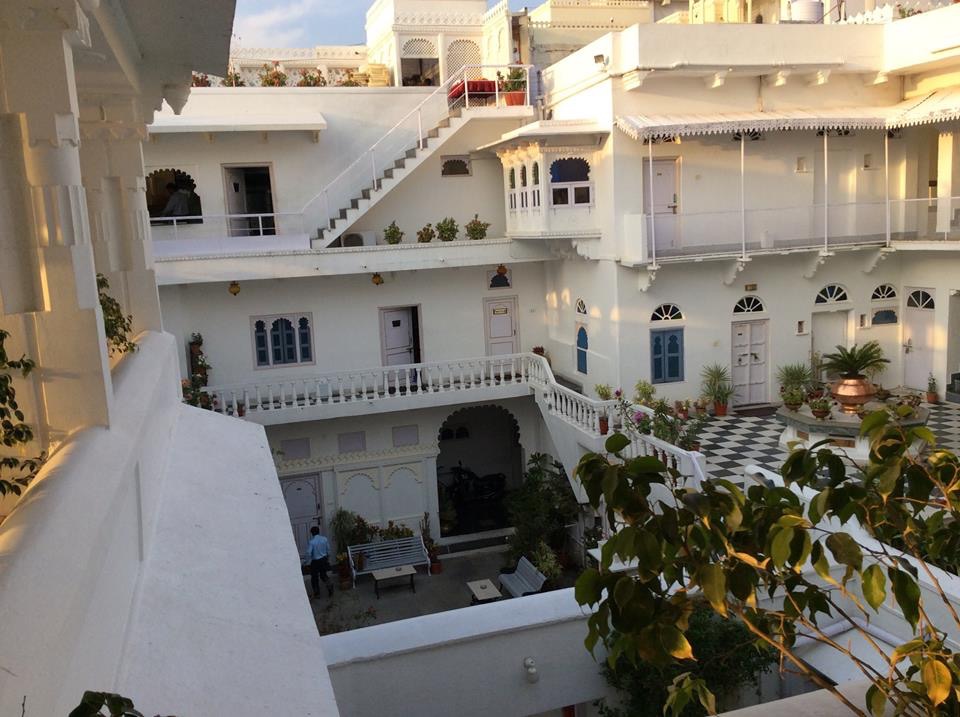
Our Hotel, the Jagat Niwas Palace, is also an historic ‘haveli’ (rich merchant family mansion). Most of the places we’ve stayed at have been converted havelis of greater or lesser grandeur (sadly some of them plainly ‘lesser’!). It is easy to see how the concept for the Hotel Marigold films developed. Many of Udaipur’s havelis are located right on the water’s edge – as is the Jagat Niwas – and most have been converted to hotels of varying standards. But most appear to cater to backpackers or those on a tight budget. But, despite the perception of India as a poor country (or at least afflicted with some of the very poorest of people) tourist accommodation here is far from inexpensive.
14th MARCH, 2015 – PUSHKAR
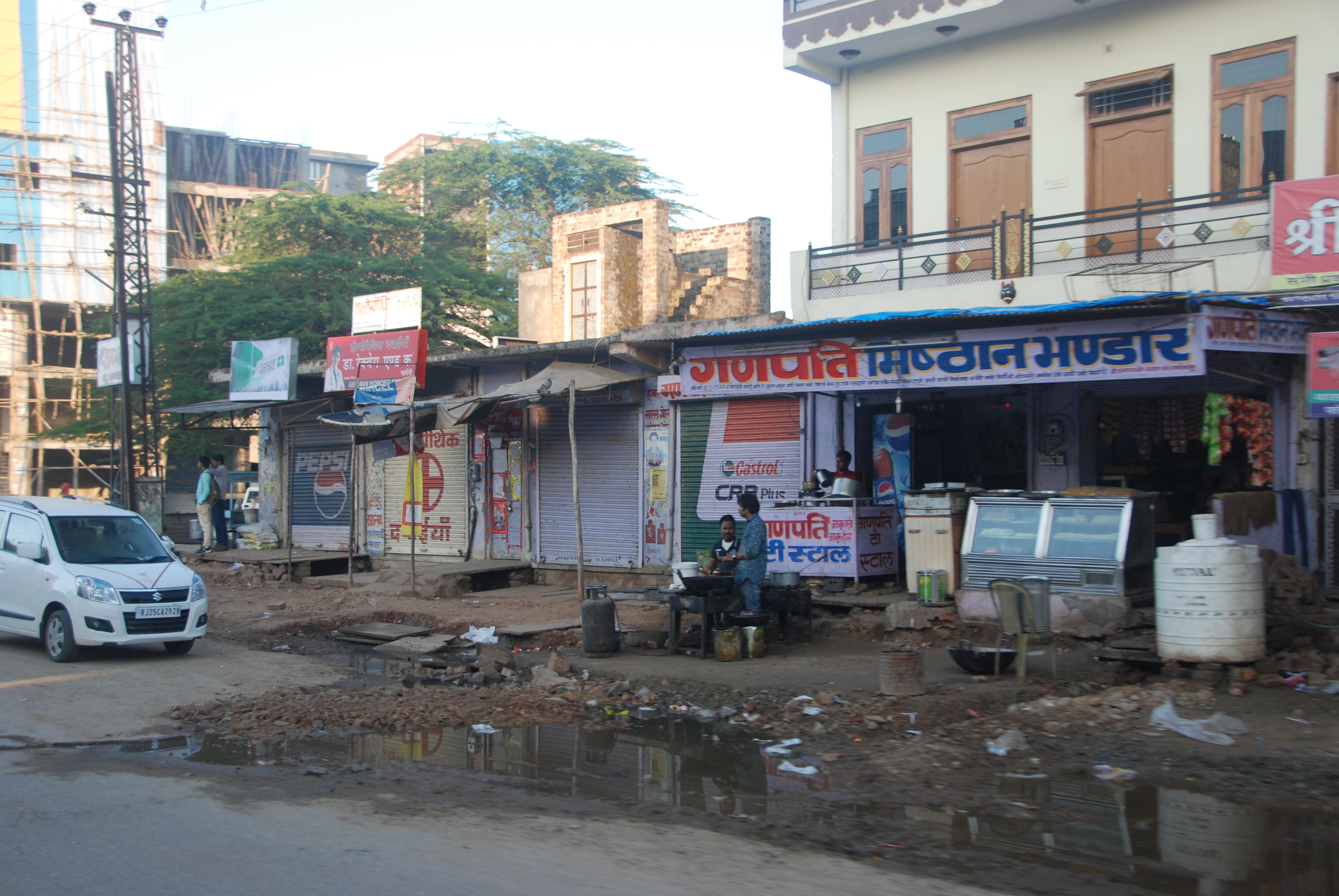
Our last night in Udaipur was disturbed by the mother and father of all electrical thunderstorms and torrential lashing rain and hail. By morning, the weather seemed to have cleared. The roads out of Udaipur climbed up the same winding, narrow and precipitous mountain roads. Heavy trucks, buses, fast erratic cars, slow, struggling three wheeled smoking ‘tuk tuks’, and speeding motorcycles, trusting karma, darting mindlessly in and out, between all of the aforementioned!! Added to the hazard, the roads were still wet from the previous night’s rainstorm. But no one seemed to adjust their driving to take the conditions into account. Leaving early, as we passed through some of the small roadside villages, it was plainly breakfast time. The weather was cold and damp, making the small stalls appear atmospheric from the steam and smoke of mud brick wood fired stoves, topped with large blackened, dished cauldrons. A variety of golden deep fried treats were on display. It was a photographer’s paradise. Many times, we’ve managed to capture the roadside scene in videos taken on our iPads out of the moving car. But often the best visual gems pass before you get the chance! The road at this village was so narrow with so many cars and other traffic behind us that stopping wasn’t an option. So the only ‘video’ was that captured in our minds.
Our destination yesterday was Pushkar, the location of the only Hindu temple solely dedicated to Brahma. It is a place of pilgrimage for Hindus in the same way as Mecca is for Muslims. It is also the location of the largest camel market and annual camel festival. We arrived late in the day, just as another downpour was beginning. It had obviously been raining there off and on all day. The narrow muddy lane that led to our hotel on the outskirts of the town was inundated in parts and slippery. We were met by a proud wizened man in humble native dress and a rich red turban. He held out an umbrella to take us to the reception. The place had the appearance of a fort, but was one of the many recently constructed ‘heritage’ establishments. The ‘cottage’ accommodation was well away from the main wing and dining room. The room was large and well appointed, but for the large, garish tangerine coloured cornices set against the otherwise cream coloured walls and ceiling. We were walked under umbrellas to be shown to our room. Unfortunately, they didn’t think to leave us an umbrella for the trip to dinner! The weather was cold and still threatening to rain, so we opted to have dinner brought to our room … after much of the ordering seemed to be ‘lost in translation’, finally a delicious meal materialised. But with no internet and cable television screening exclusively Hindi programs, we decided to have an early night … at 8.30pm!! However, despite being in the middle of nowhere and the place being otherwise as quiet as a tomb, there was an even more dramatic thunderstorm that night in the desert!! The ancient two-panel door, fitted with a sliding wooden ‘bolt’, creaked and groaned as the wind whistled through its cracks. The ventilation was superb, but the noise was sleep sapping!! Eventually, I pushed a large heavy chair against the door. Silence at last!! Well, at least for about two minutes! Despite its weight, on the polished marble floor, the chair slid back away from the door. That was the least of the issues as the storm generated thunder, howling wind, lashing rain and hailstones. The drumming on the roof and against the windows was at times frightening. The power went out in the night and the room was pitch dark. I tried feel my way to the toilet and became totally disoriented, bumping into furniture and walls. Fortunately, I found the bed again and, in exasperation, gave up on my urinary ‘quest’!!
This morning, another early start had us back on the mountain roads. More of the same driving thrills!! We made our way finally to what passes for a motorway in India. In many areas, because of roadworks, we were diverted onto the ‘wrong’ side of the freeway. Although there was never any delineation between the oncoming traffic and the diverted traffic. We just passed by each other in opposite directions with sometimes inches to spare! Mind you, it wasn’t much different even when we were on our correct side, because it wasn’t altogether novel to find motorcycles coming towards us travelling at high speed … and not infrequently, cars too!! We arrived in Jaipur at lunchtime, to check in at our hotel before an afternoon tour of the city with our personal guide. The Hotel, Shahpura House, is magnificent. It is a genuine heritage building that was previously the home of the a member of the Jaipur royal family.
15th MARCH, 2015 – JAIPUR
17th MARCH, 2015 – RANTHAMBORE
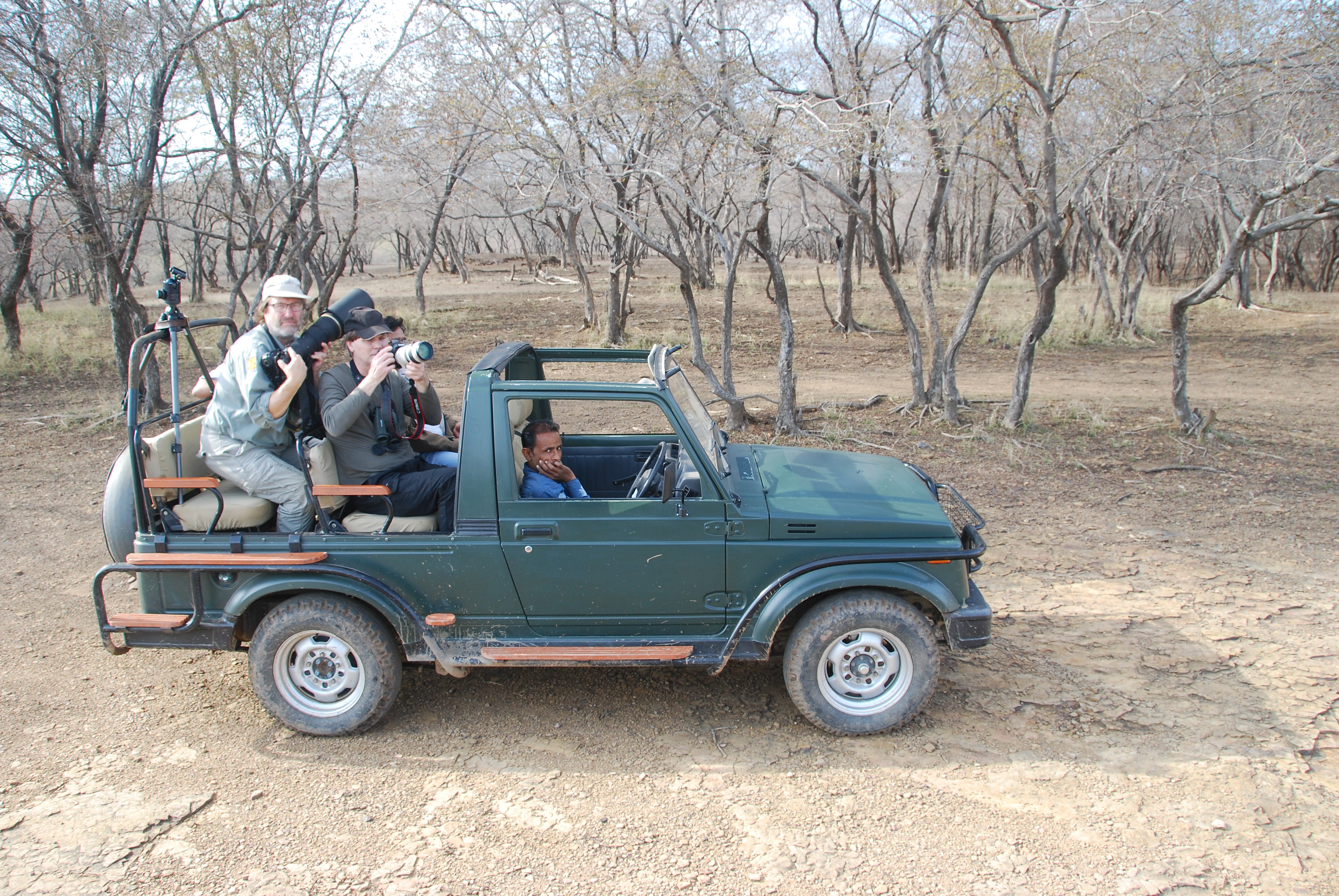
But something seemed wrong when the ‘guide’ gestured me to move over so he could sit on the right hand side. He did that without saying a word or introducing himself. So I looked straight at him and said, “Do you speak English?” The blank, totally unresponsive, stare looking back at me was the only answer I needed. Not only did he not speak a single word of English throughout the whole tour, neither did he speak to the Indians in Hindi. In fact, all he seemed to do was take up space and sat texting on his mobile (yet, unbelievably, there was reception!!). So now, in the tiny 1300cc four cylinder 4WD Suzuki, there were eight adults and a child, most of us perched high up, creating a very high centre of gravity on a narrow-track vehicle.
This zone of the park sat at the base of a precipitously high rocky escarpment. There was thick impenetrable scrub, a tangle of thorny trees (the size of Australian ti-trees) leading up to the base of the almost vertical rock face. Somewhere in there we were supposed to be able to see a tiger. Plainly we’d been told that in each of the zones there was a small population of tigers. But it was hard to understand how you could have any chance of seeing anything in this terrain. But we set off up a very narrow winding rocky track. For the first time, we were literally the ONLY vehicle in this zone. The truck-like 24 seat vehicles couldn’t even have got to this zone due to the state of the access road, much less have had any possibility of coping with the narrow track we were on. Neither did we see any other Suzukis at any stage!
The track actually required very high-difficulty four wheel driving in an overloaded, underpowered vehicle. The ‘road’ was a jumble of loose rocks and deep furrows. The furrows often so deep as to tilt the vehicle dangerously to one side – more often than not, over towards a precipitous drop off to the downhill side of the track. As the track steepened, the little vehicle struggled. It was in low range in first gear and had little left in reserve as it laboured up the impossible hill. I’ve done a bit of serious 4WD driving in the past, and this was well up with the worst I’ve seen … but never in such an ill-suited vehicle.
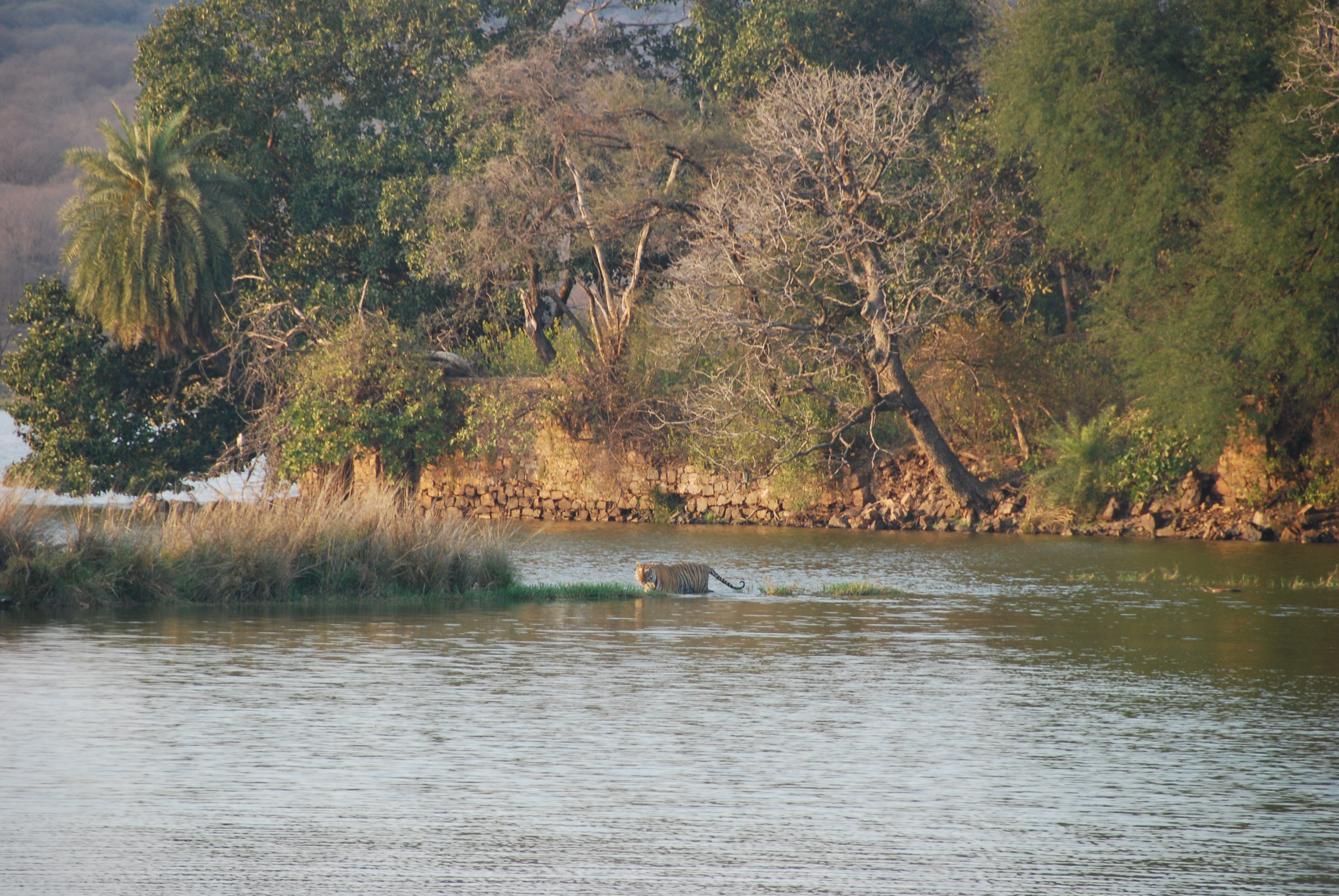
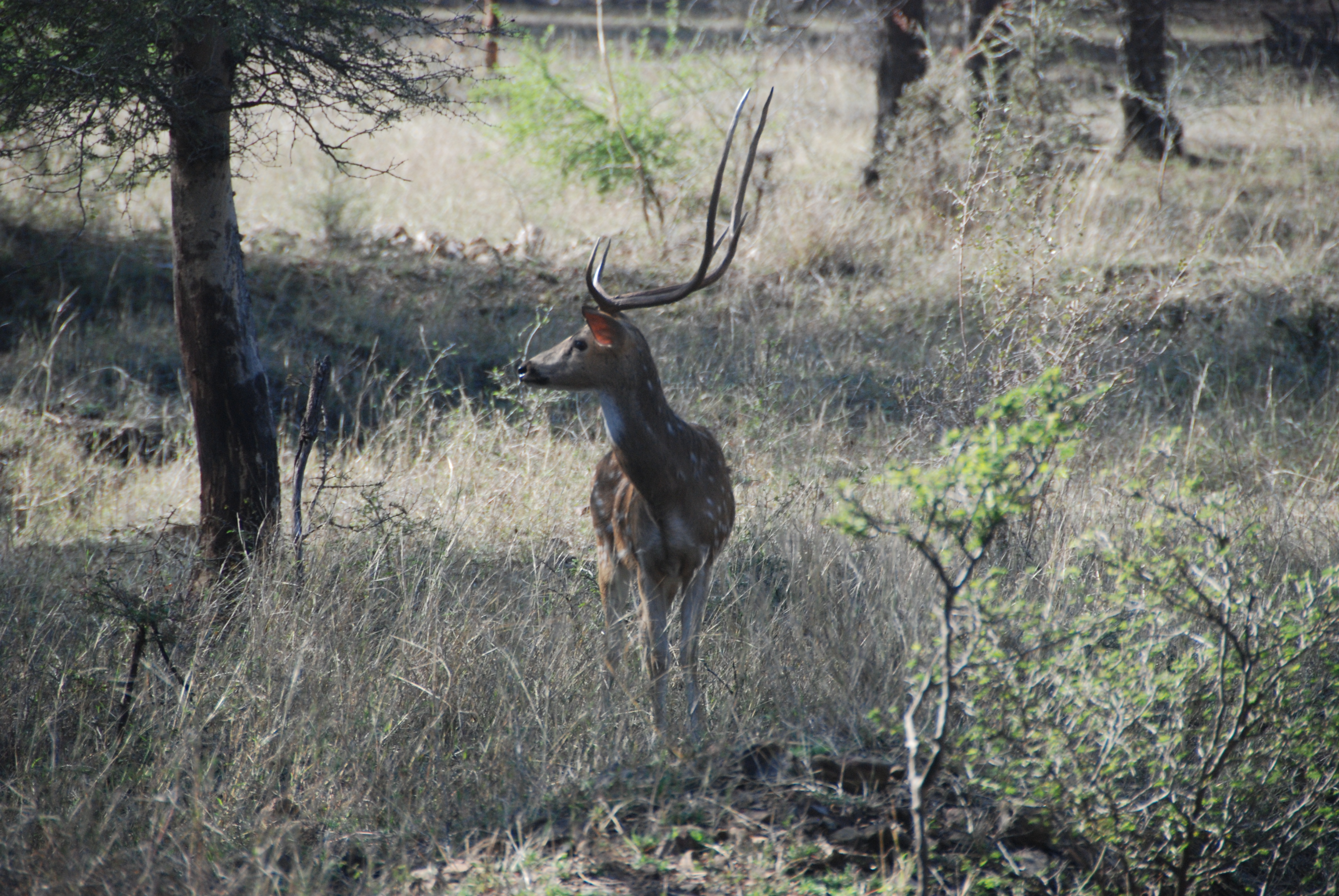
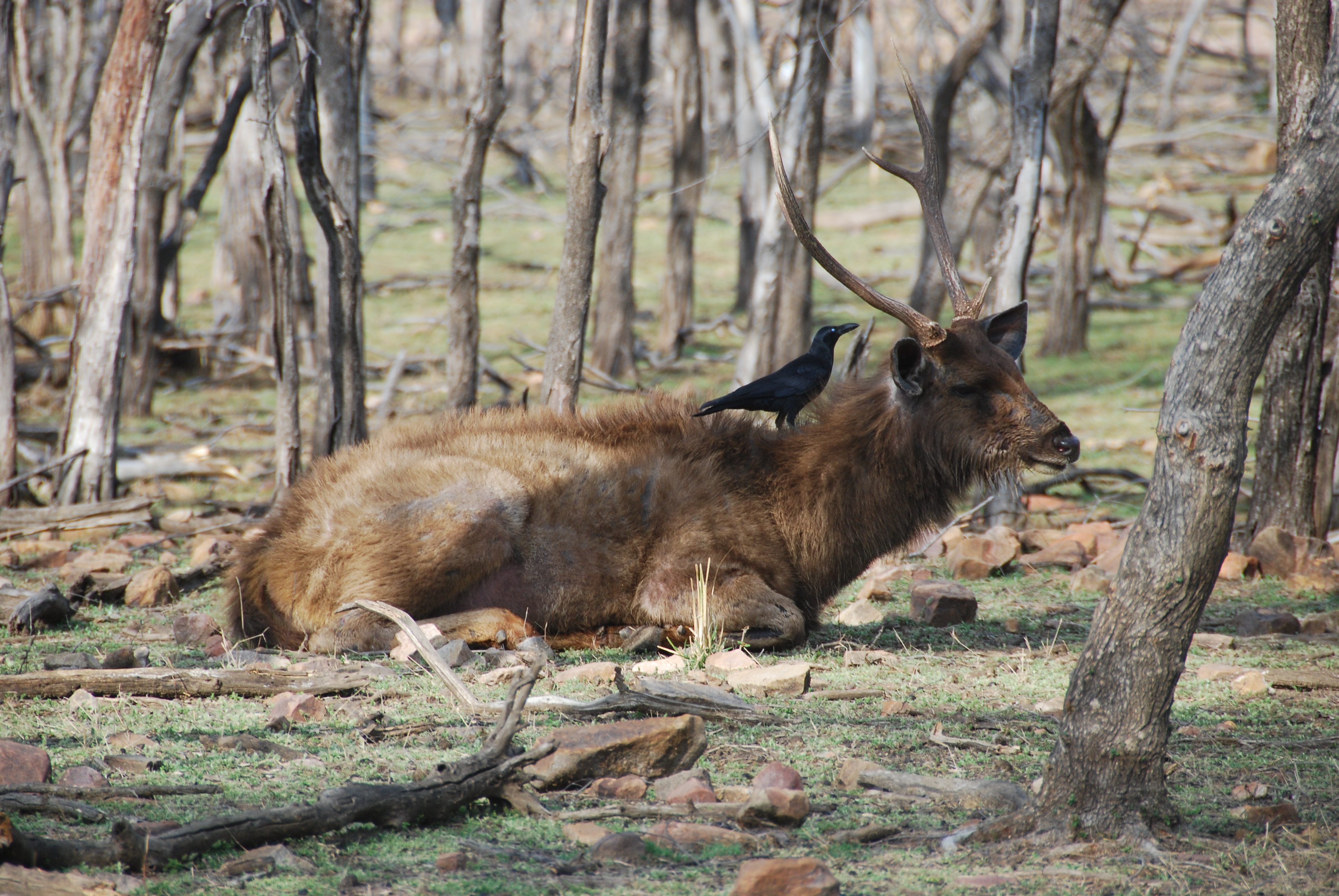
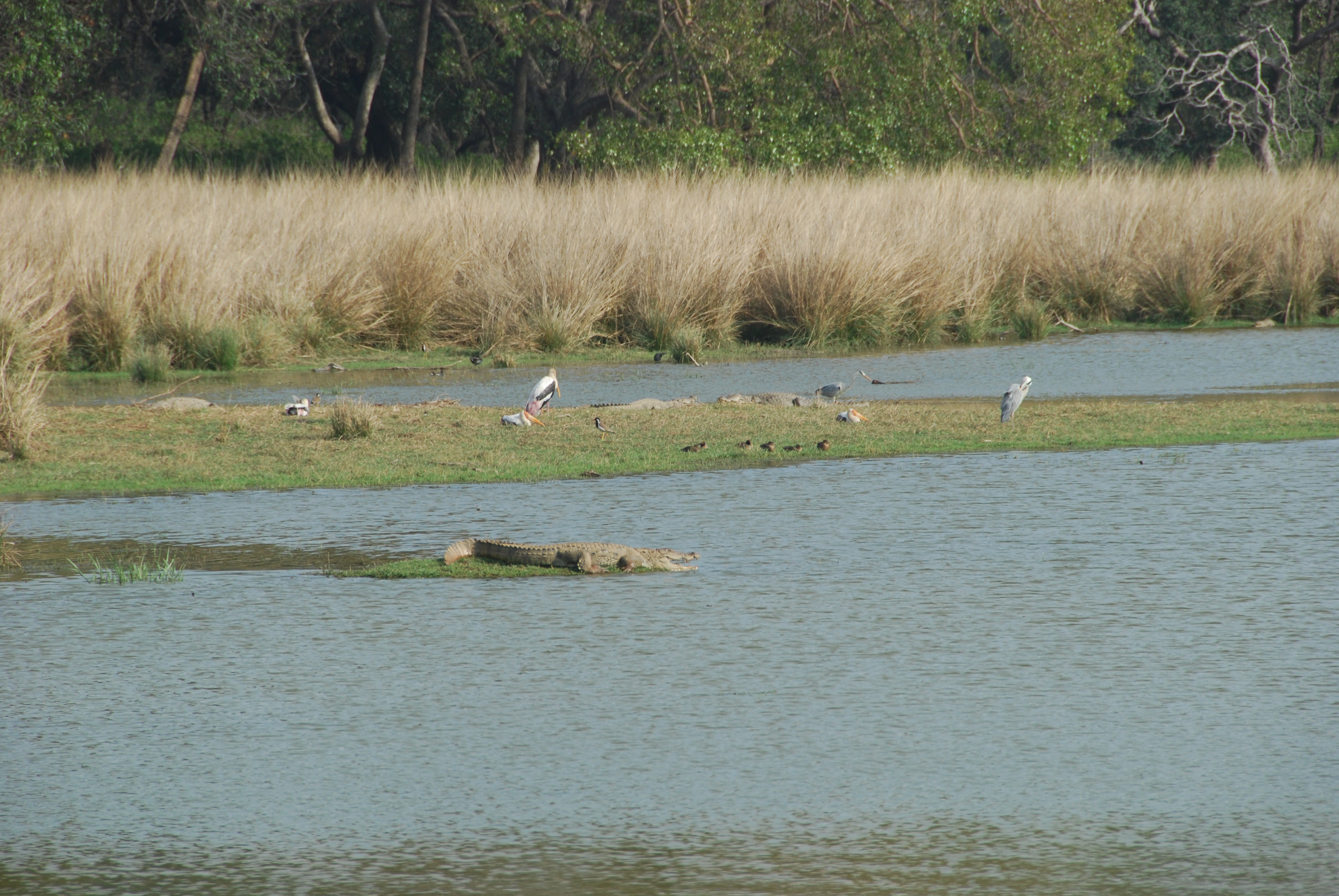
Needless to say, we drove on like this for over an hour and saw only the view from the top of a rocky plateau … a few spotted deer and some samba deer. All of this with hardly a single word from the driver or the guide. We were relieved to be heading back down the track – except that I knew that a descent posed almost as many dangers as the climb! On the way down we suffered a flat front tyre. We were about to get out of the car to stretch our legs and to lighten the weight while the tyre was changed. The guide signalled for us to stay in the car. But the Indians were already out and we followed. But the frantic haste with which the tyre was changed and the look of real concern on the driver’s face as he worked had the look of someone swimming in shark-infested waters!! Their fear of a tiger was palpable! Obviously, we’d been placed in the wrong tour! But this was our last night. Nevertheless, we had seen a tiger. Many others had not.
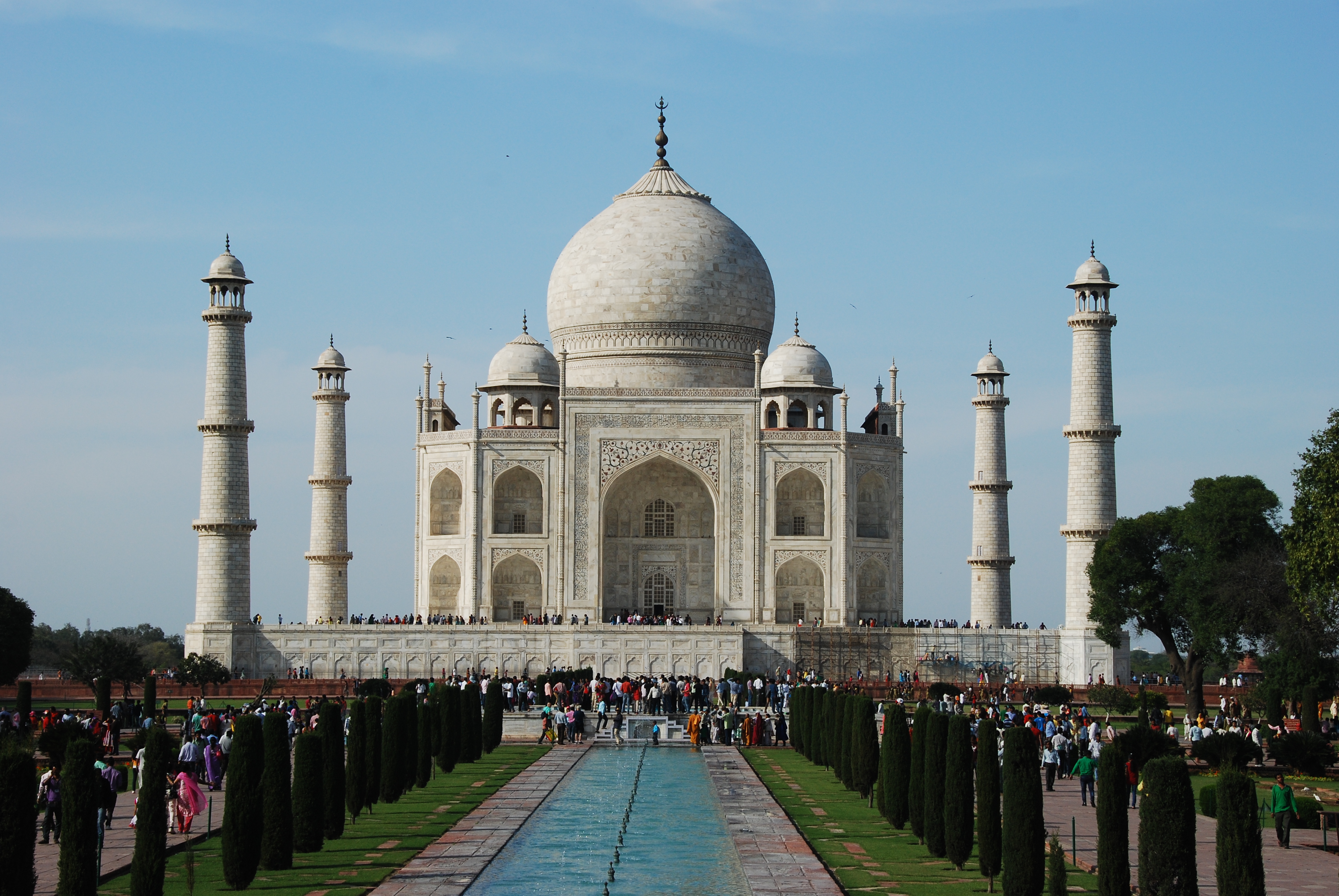
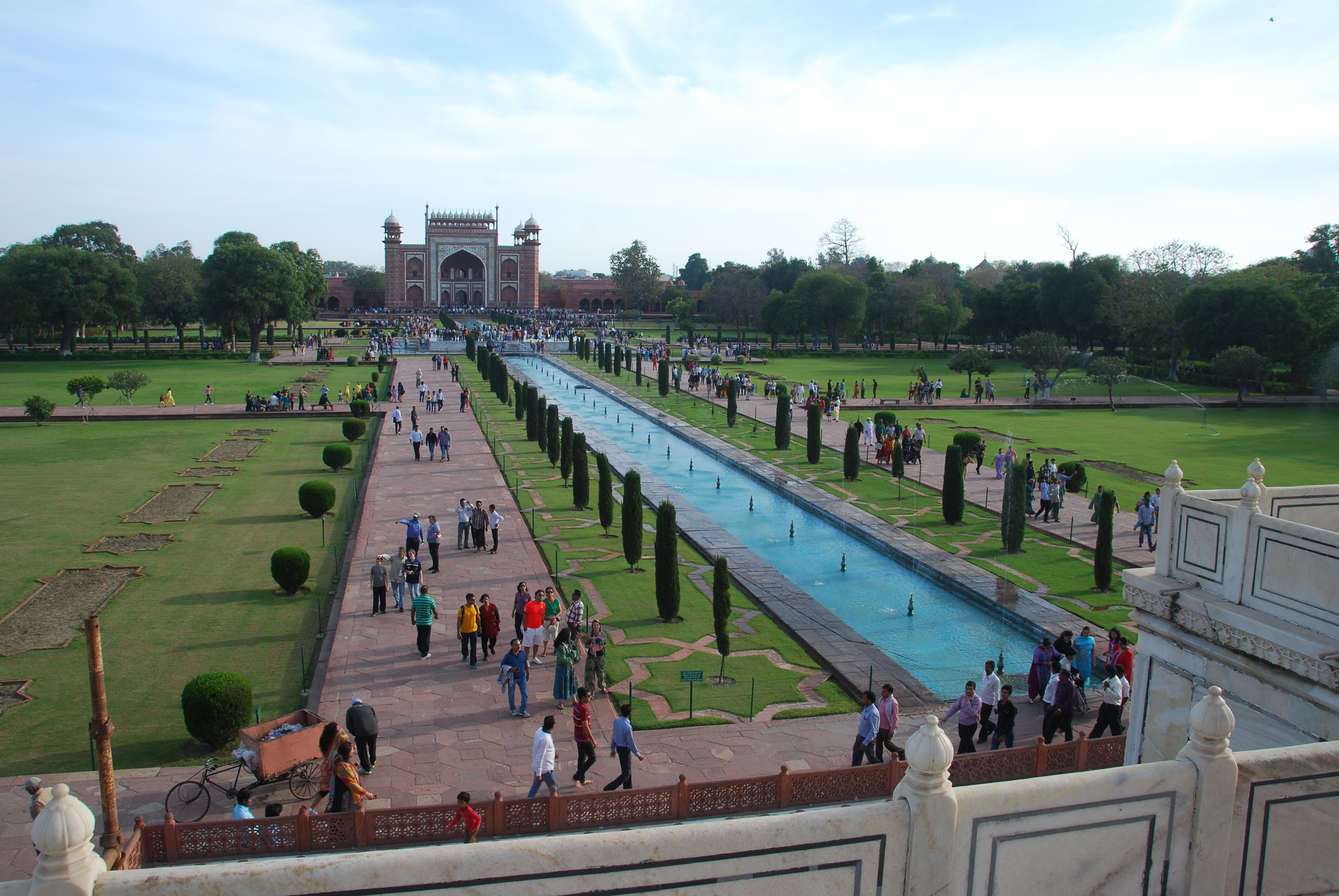
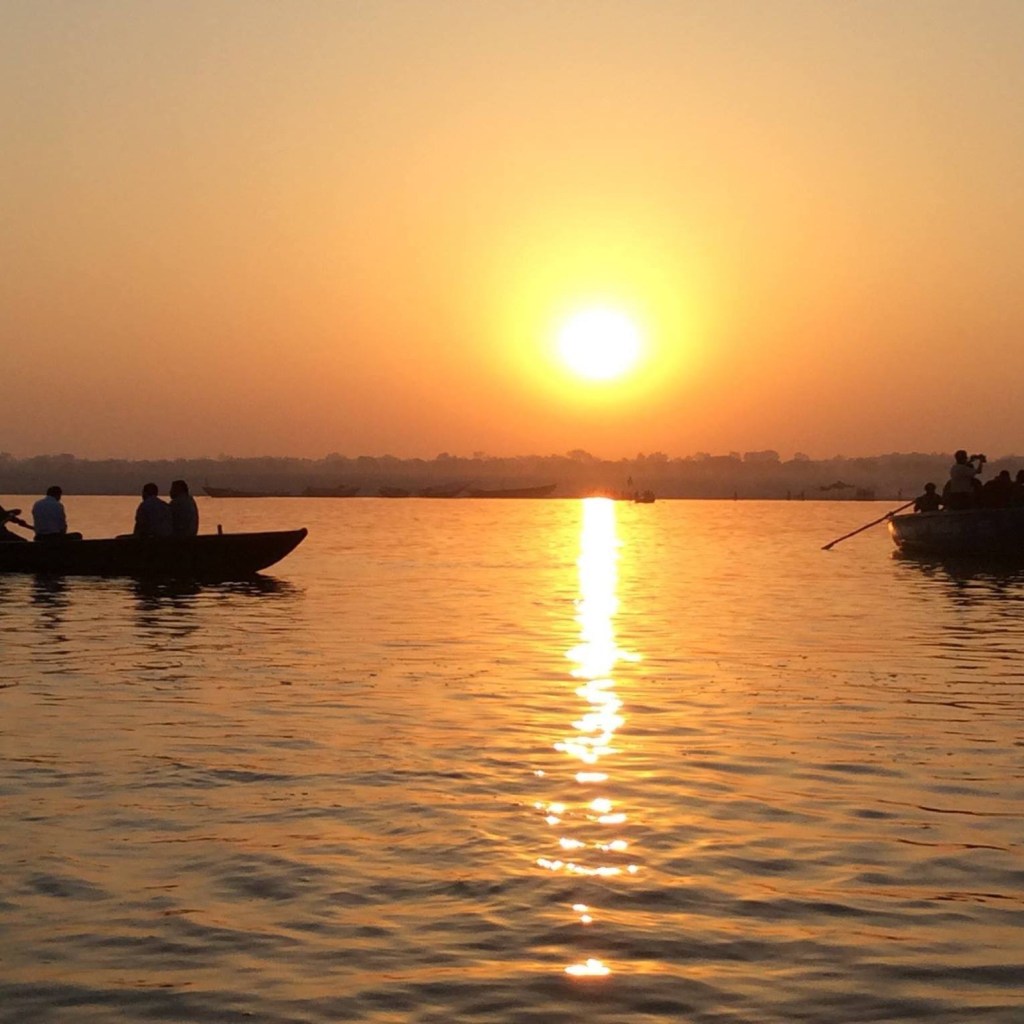
We’d returned from Agra (and the Taj Mahal) to Delhi by road and immediately took an internal flight to Varanasi on the banks of the ‘Holy Mother’ Ganges. We stayed at the “Palace on Ganges”. It certainly wasn’t a palace in any sense, but it was right on the Ganges. It was also the most expensive place we’d stayed at, so location obviously played a big part … the room and the service didn’t rate very highly. The bed smelled a little musty and the sheets felt like woolly sandpaper, covered all over with irritating pilling. It was only when we went for a sunrise boat ride that we understood the curious ‘scent’ and texture of the bedding. One of the fascinating sights along the river bank was the traditional washer men, doing the laundry for all the nearby guest houses. Sheets were being rinsed in the Ganges water and spread to dry on a steeply inclined paved embankment to dry in the sun … on the ground!!
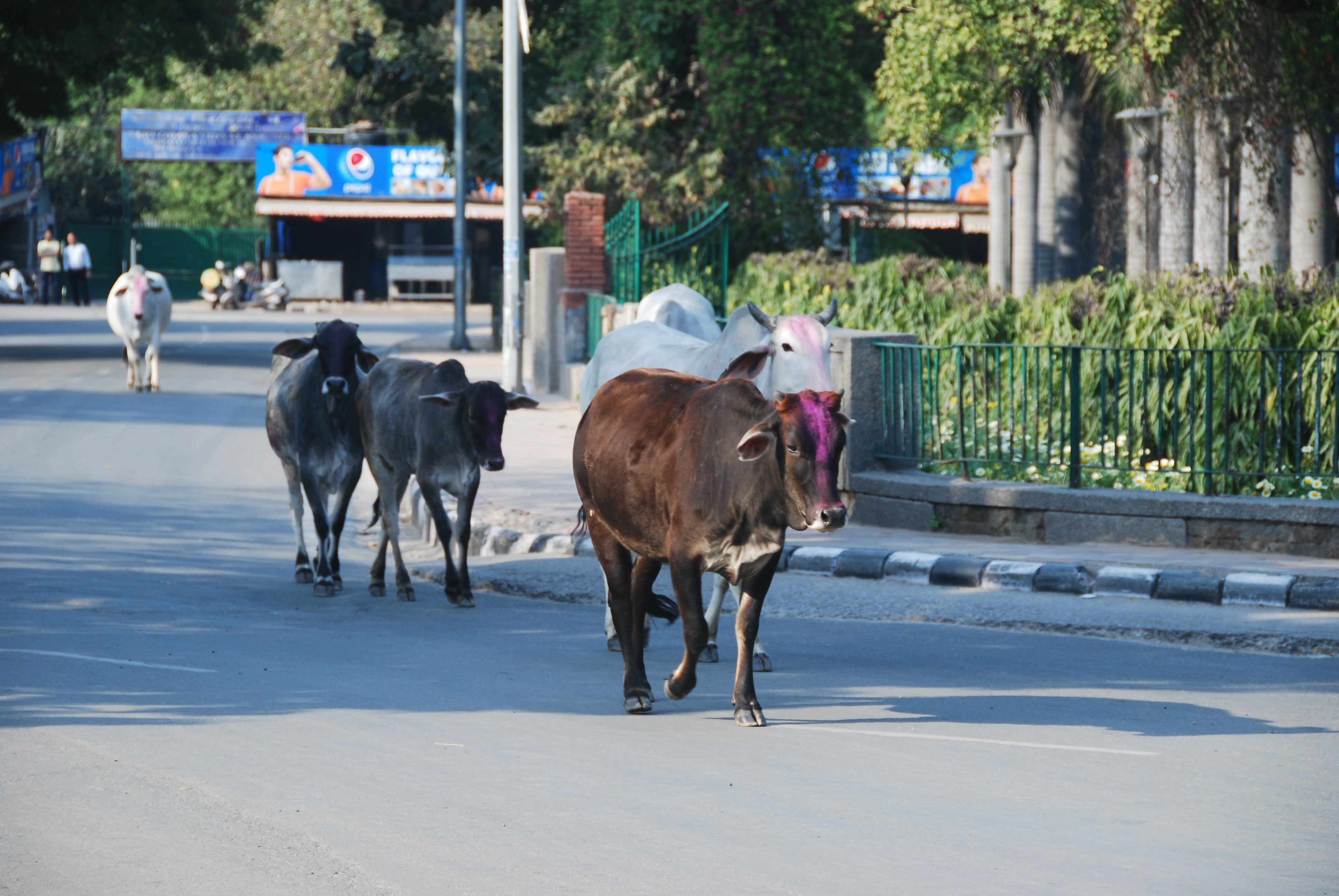
Varanasi is claimed to be the “oldest living city” in the world, having been continuously occupied for over three thousand years. That’s probably true, evidenced by the fact that nobody has swept or cleaned up in all that time!! Like many Indian towns, it’s ‘town planning’ is medieval in nature. The streets are very narrow, intersected by countless lanes that led off in dark labyrinthine twists. Trucks, tuk-tuks, push carts, pedal rickshaws, bicycles, motorbikes, people cars, dogs, pigs and cows all vie for their own space on the thoroughfare, all moving at dangerously different speeds relative to one another … and some not moving at all! It’s hardly surprising any more to see cows standing in the middle of a road or even a freeway! But people as well simply stop anywhere on roads, in the most awkward of places, ignoring the agitated chorus of car horns! The horns aren’t simply honked here, they serve as a resting place for the driver’s hand, and blare annoyingly and continuously like a siren’s wail.
All that aside, words alone can’t describe Varanasi. This whole trip has been the experience of a lifetime and one not to have been missed. However, now as we wait for the flight home, we feel a great sense of relief to be away from the constant noise, chaos and overloaded senses.
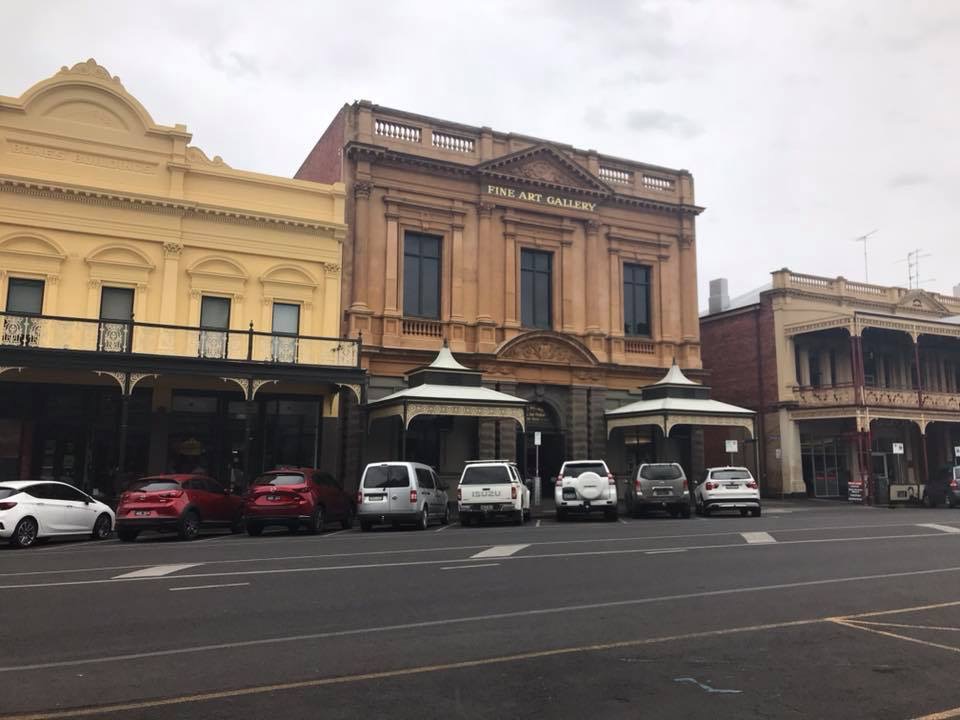
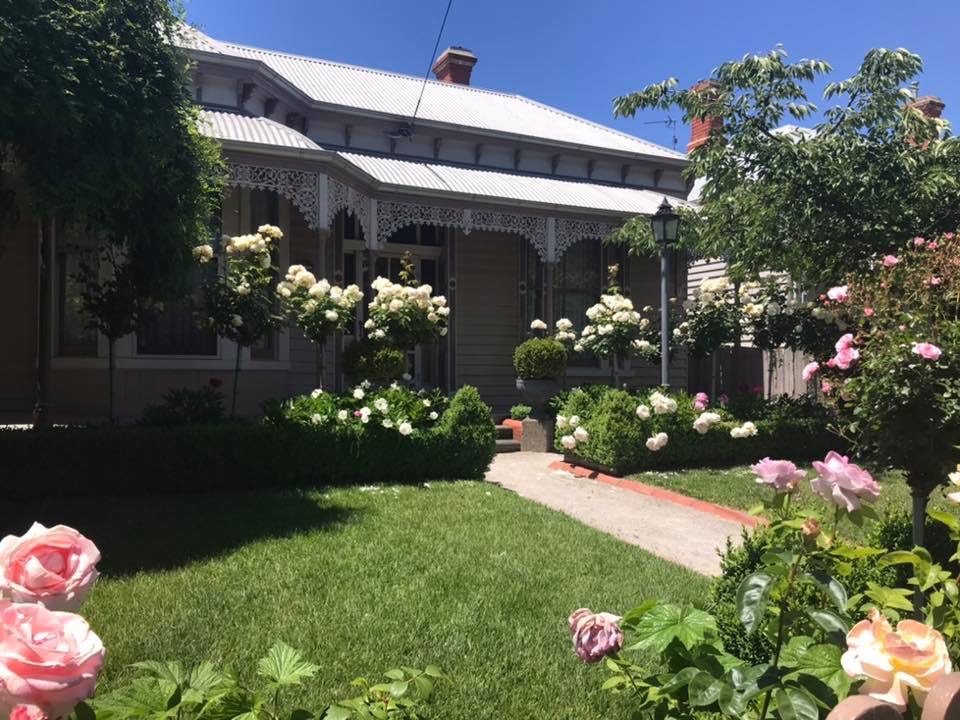
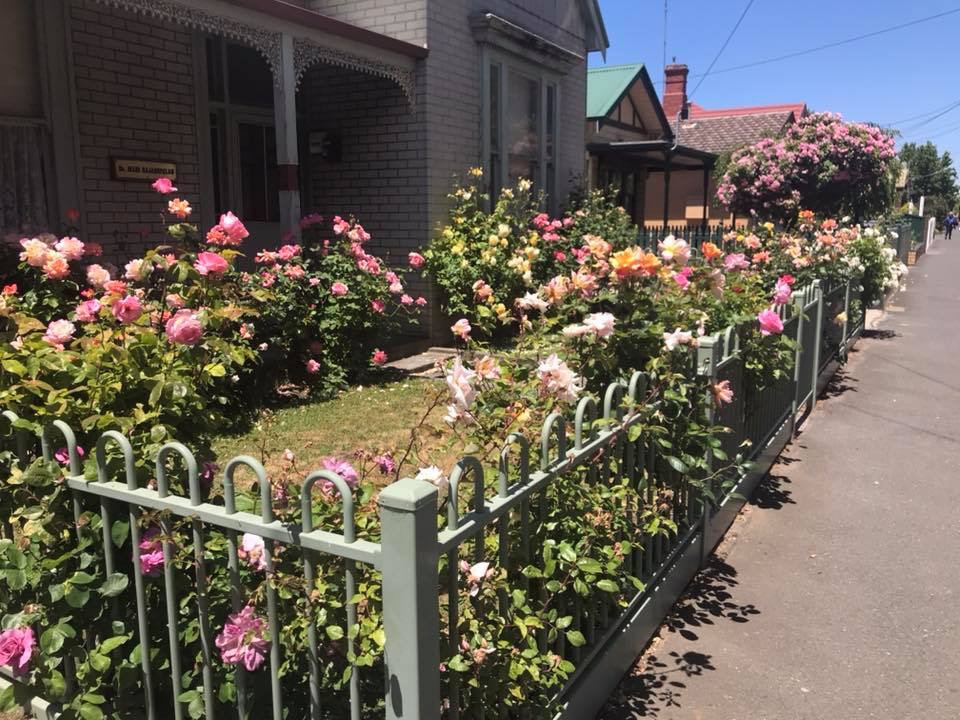
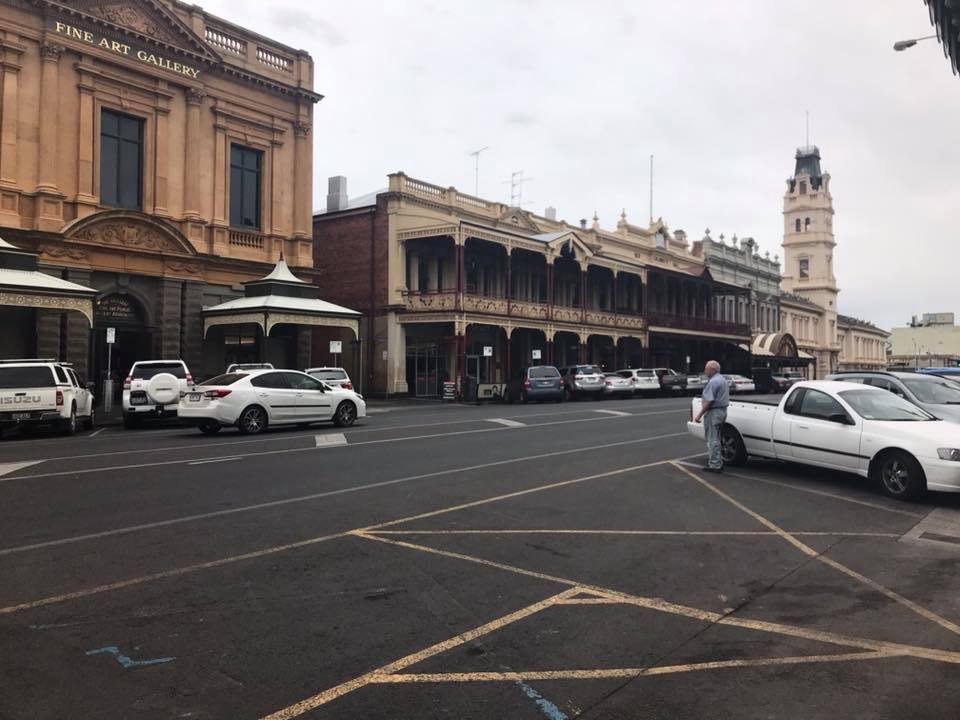
Ballarat has some wonderful architecture. Unlike many other gold boom towns, the Ballarat fields experienced sustained high gold yields for many decades, which can be evidenced to this day in the city’s well preserved mid 1850’s public buildings, churches, mansions and family homes. Many of these homes retain glorious gardens and the roses, in particular, are a sight to behold.
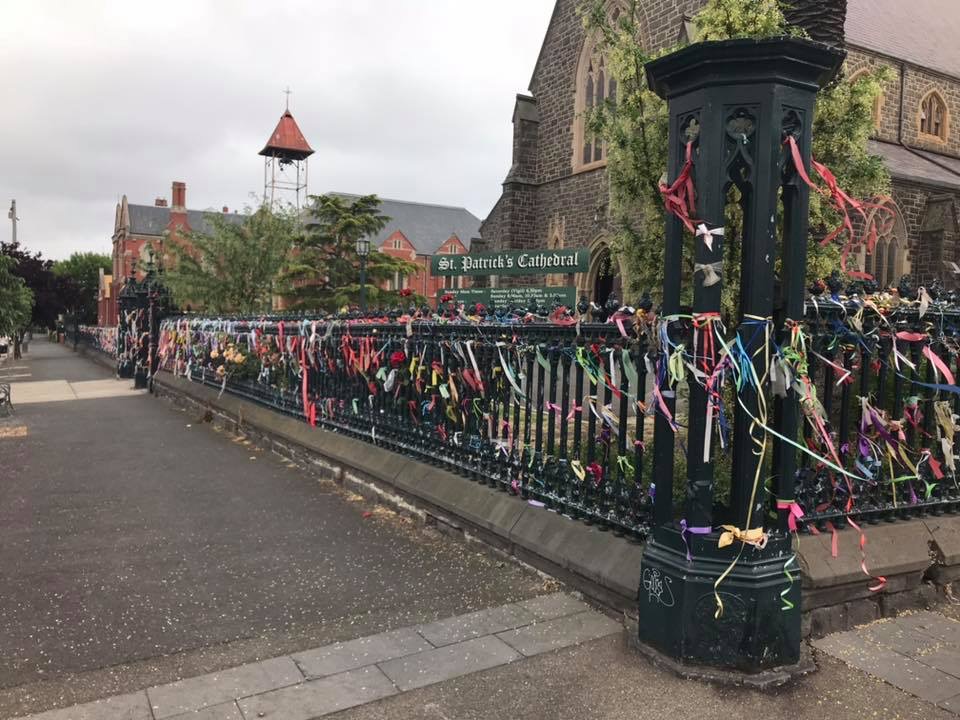
Recent infamy has drawn attention to the large concentration of pedophile priests, including the convicted Gerald Risdale, Paul Ryan and Cardinal George Pell. Ballarat founded the Loud Fence movement, where brightly coloured ribbons represent support for victims of child sexual abuse by institutions such as the Catholic Church. Three days after the royal commission findings into child sexual abuse were made public, the Ballarat Catholic Diocese made the decision to cut off the ribbons from St Patrick’s Cathedral. The ribbons went back up and remain to this day. The Loud Fence movement has now spread around the world.
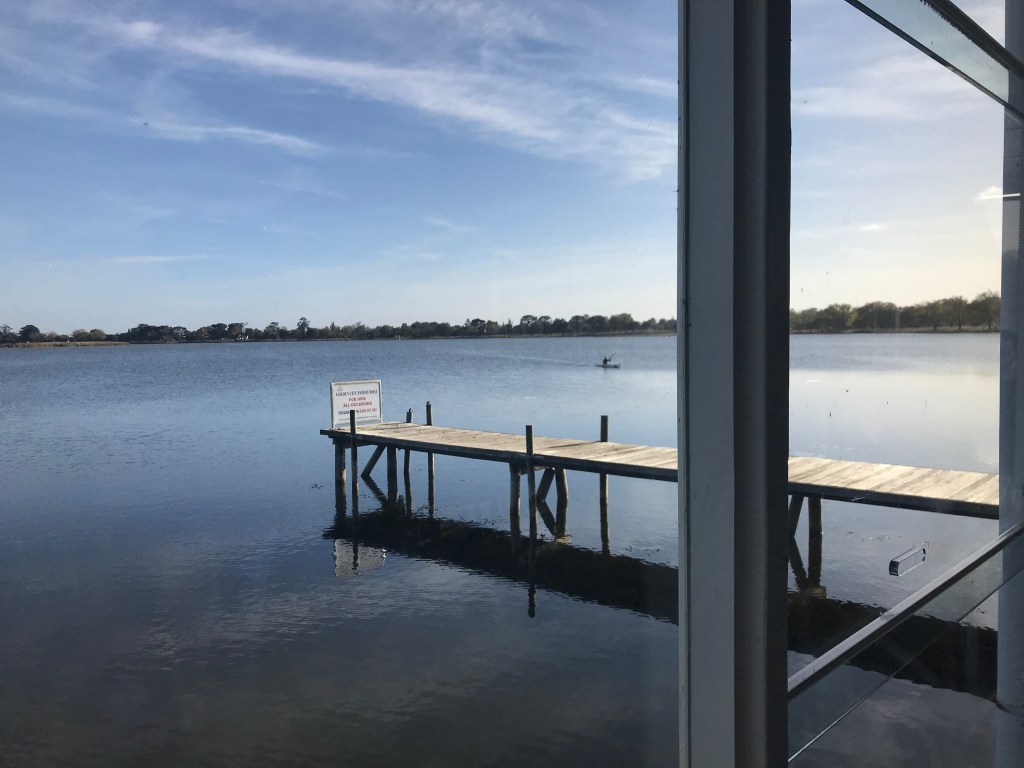
View from The Boathouse restaurant on Lake Wendouree
We have travelled to Ballarat several times for Barry’s work. Previously we have stayed in the town center at the Quest serviced apartments which were quite dreary, time worn and with uninspiring views of the parking lot and a brick wall. I was sure that there must be something better and did some research on AirBnB and came up with a lovely two bedroom apartment with views over Lake Wendouree for almost exactly the same price.
We stayed here for four days last week and will be here for five days this week. I have enjoyed the 8,000 step, one hour walk around the lake quite a few times. The Ballarat Botanical Gardens are at the half way mark and worth while exploring. I particularly enjoyed the Prime Ministers Avenue which documents Australian political history by displaying bronze busts of successive Australian Prime Ministers beginning with Sir Edmond Barton in 1901, all the way through to Julia Gillard.
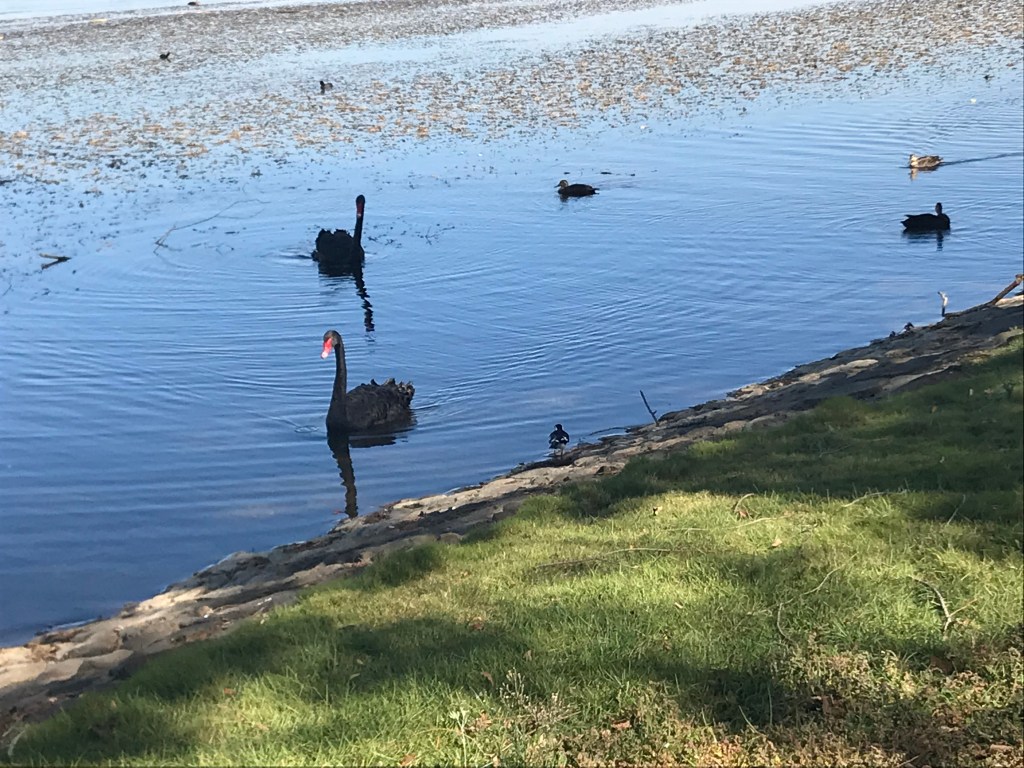
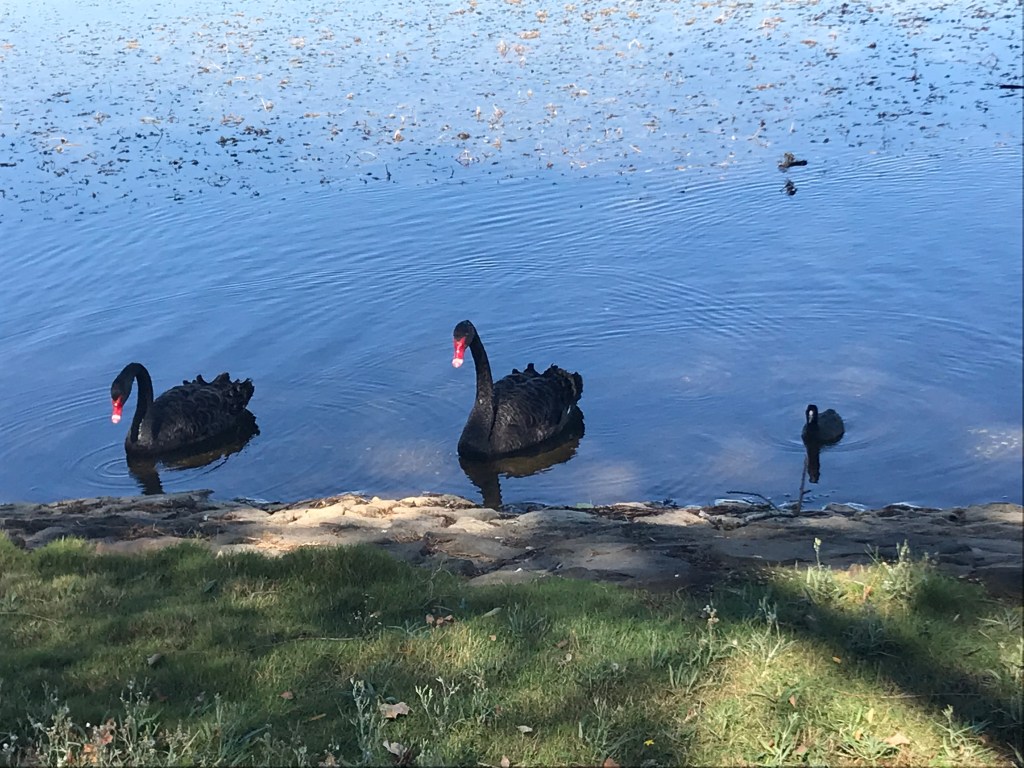
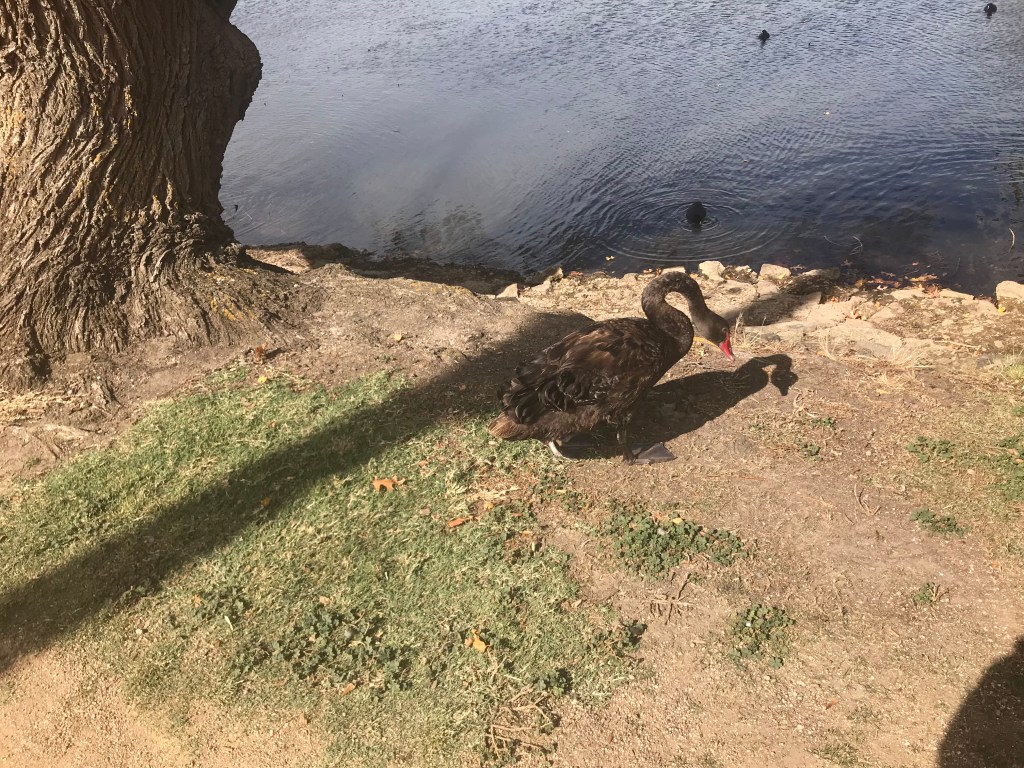
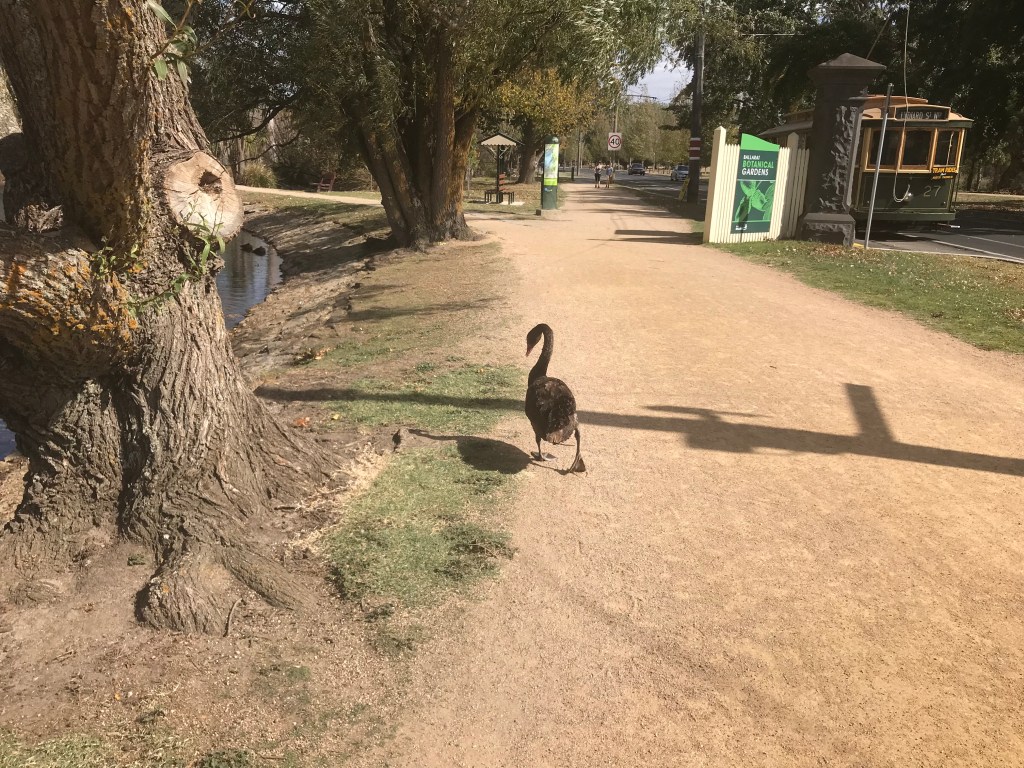
The bird life around the lake is glorious: coots, ducks, ibis, swans, cockatoos and lorikeets, to name but a few. One day Barry met me for lunch at the beautifully restored Pipers by the Lake where we had the best ham and cheese toastie that either of us has ever eaten. pipersbythelake.com.au
After lunch, strolling by the lake’s edge, we came across an extraordinary courtship display, that may well be the origin of the commonly used term ‘necking’. Two black swans were doing an erotic dance entwining each other around their long necks in turn, until finally the male pushed the females head under water and raucously mounted her for 20 seconds (I took a video clip that went for 27 seconds), before they went their separate ways.
ANZAC DAY – 25TH APRIL, 2019
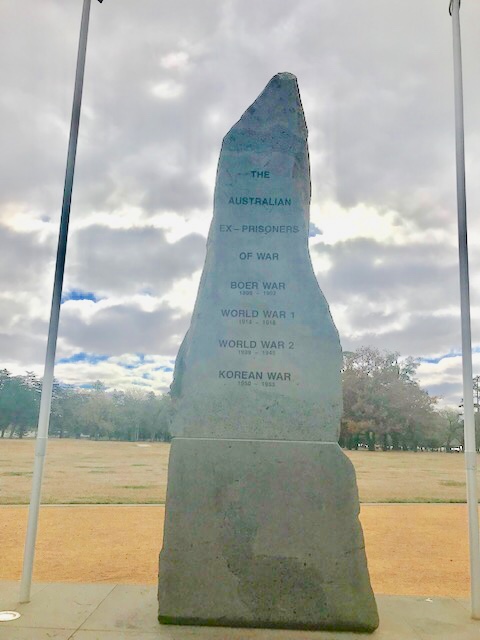
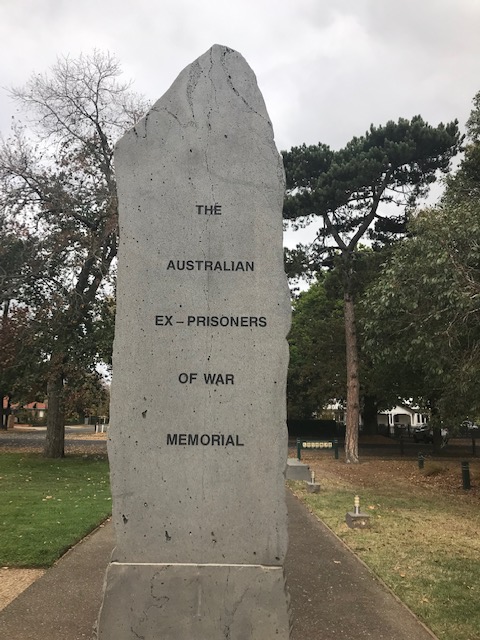
Ballarat’s Australian Ex-Prisoner of War Memorial is situated in the Botanical Gardens on Lake Wendouree. It was the perfect place to visit on Anzac Day, especially as my grandfather on my mother’s side had been held prisoner by the Japanese in infamous Changi.
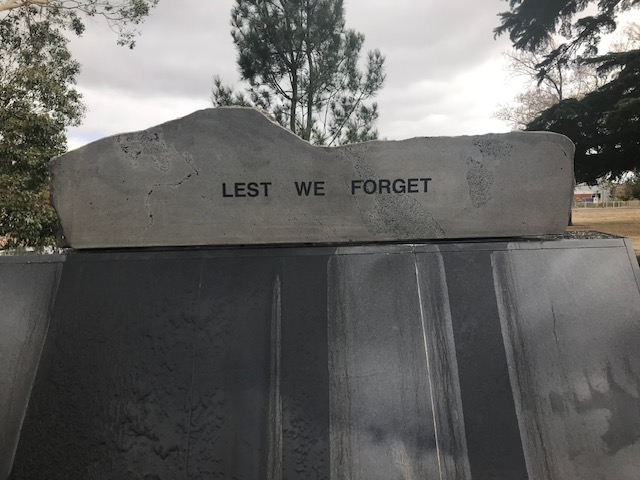
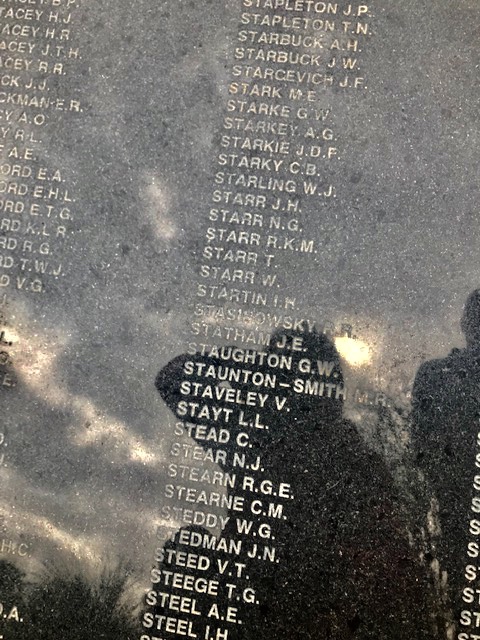
Dedicated in 2004, the monument features a 130-meter long wall of polished black granite engraved with the names of more than 35,000 Australian held prisoners during the Boer War, the First and Second World Wars and the Korean War.
I looked for Granddad Stearn’s name, and there he was!




 maryannsholidays