Life began at sixty-five. After a long, tumultuous relationship, I finally married the love of my life on my parents seventy-first wedding anniversary in 2015. Knowing that we were unlikely to share many decades together, we decided to pack in as many adventures and experiences. We share a passion for diverse cultures, cuisines, architecture, history, art and the glories of nature. What better way to indulge all these pleasures than to dedicate ourselves to travel.
With few other distractions, we have felt so grateful to live adjacent to the Churchill National park in this past five months of COVID lockdowns. What has always been a pleasant walk or invigorating hike, has now become the opportunity to practice mindfulness and meditation. We have always loved chancing upon a group of kangaroos, wallabies, a lone echidna, an occasional snake and the sight of beautiful parrots, rosellas, black cockatoos, fairy blue wrens and, on rare occasions, a hawk. A few times I have been nonplussed to see ducks sitting high up in a tree. Yet these days our senses have become even more attuned to the oasis of wildlife that we are so fortunate to experience every day.
Ducks perched on a tree top
Even from my front window, I watch for hours as the various birds reveal their personalities to me. The conceited Noisy Miner Birds are forever admiring their reflections in car windows or rear view mirrors. They stop only to exhibit their spitefulness by forming groups to aggressively force other birds away from their territory.
A Noisy Miner Bird admiring its own reflection
The Magpies, notorious for stealing chicks from the nests of other species, become ferociously protective during their own nesting period. Bike riders have taken to wearing spikes on their helmets and unsuspecting walkers have been known to be pecked so much on their unprotected heads that blood streams down their faces.Walking in the park we are often delighted to hear the laughing call of the kookaburras, the pretty song of the bell birds, or the serenades of the whip bird.The tiny fairy blue wren darts from here to there at great speed, flashing the vibrant blue markings on its wings while catching almost imperceptible insects. Last year we were delighted to find one its cleverly constructed nests. At about seventy-five millimetres long and looking as if it is spun with silk, it is a miracle of engineering. We were able to stand on tip toes and peek inside to find four tiny, pale blue eggs. After a few weeks, we were thrilled to discover four little beaks opening and shutting and squeaking for food. We knew that in just over two weeks they would become fledglings and leave the nest. We waited another five days after that and then carefully carried the nest home and placed it in Astrid and Isobel’s special ornamental tree for their enjoyment.
Our favourite bird is the Crimson Rosella, with its red head and body contrasting to the vibrant blue of its tail and the outer edges of its wings. The juvenile isn’t nearly so pretty with mottled red and green that gradually transforms into the splendid adult creature. A few years ago we started luring a pair into our front garden in winter with seed blocks. We were gratified when they returned, season after season. Then this year, something changed. More birds arrived, sometimes they shared the seed block cooperatively, with one adult bird sitting on our roof guttering waiting patiently until bird number one flew to a tree across the road along with its juvenile. The next adult would start munching on the block while it’s juvenile foraged on the surplus seeds that had dropped into the daffodils beneath.
We have counted up to eight juveniles at a time and laughed at their cute antics. One larger, dominant juvenile bosses the others away from the seed block or pushes them off the garden border if they approach while he is munching dropped seeds from the daffodil bed. One morning we awoke to tapping on the window above our bed. We assumed it was a narcissistic Noisy Miner but when we carefully opened the shutters, we discovered that it was one of ‘the boys’, a Crimson Rosella.
A week before we had woken early to the ugly cacophony of the piercing squealing and squawking of a flock of sulphur-crested cockatoos. This signalled that they had discovered the seed block and as their groups can easily number thirty or forty at a time, it would be devoured in ten minutes. The sulphur-crested cockatoo is considered to be the most intelligent of the parrots and is a clever mimic, capable of learning words and whole phrases. Some people keep them as pets and find that they are very affectionate and bond with humans readily. Many more people, however, find them to be pests. They can swarm on neighbourhoods in huge groups and have been known to devour entire verandas and wooden garden setting, not for consumption, but to sharpen their beaks. Such is the contempt that many people have for them, they are often described as ‘flying rats’. I try to shoo them away from our property when I see them, not because any part of our house is wooden, but because they are also destructive for no apparent reason, pulling off flower heads and ripping up small plants. This time, however, I knew that they were after the seed block!
Window frames and decking chewed by cockatoos
So I threw on a dressing gown and rushed out the front door yelling and waving my arms around. They just looked at me nonchalantly and only moved at all when I started running towards them. Despite my constant shouting and wild gestations, about twenty of them refused to disperse. They sat looking at me belligerently from a tree across the street, my mailbox, the side fence, my roof and neighbouring roofs. I was delighted to look across he street to see a young kangaroo, unperturbed and munching on some grass from the footpath. I retrieved the seed block and took it inside the house and eventually, perhaps bored with the lack of activity, they headed off in a huge formation like a swarm of locusts. Later that morning, coming home from our morning walk we discovered that the cockies had returned and had spitefully pulled the heads of my snow flakes in retaliation.
Cockatoos refusing to budgeRetaliation of the Cockatoos
After that episode, I made it a habit to remove the seed block every night at sunset and to only replace it after nine in the morning. This particular morning, however, we slept late and perhaps the juvenile rosella had become impatient for his breakfast. While they were at first extremely skittish and flew off the second they heard the front door open or heard footfall on the driveway when we returned from our daily walks, they had appeared to become tamer and more accustomed to us with each passing day. The incident with the window tapping made me wonder if perhaps it was us, rather than them who had become tamed!
I had spent the night with Ursula and Manfred so it was an easy drive to the airport. The anxiety and foreboding about the trip all but vanished when I had my bags checked in almost three hours early. I walked around the airport made my usual last minute calls to Mum and Dad, Barry, Joshua and Becka and then waited with the hoards.
The plane was a huge A380 seating 450 people and took ages to board. I was in row 88, the very last and in the middle of the middle row. After a polite, brief acknowledgement of the people on either side of me (I had no desire to get a seven hour version of anyone’s life story), I started reading my flight magazine. As we began to taxi along the runway, I had the sudden sensation of dropping blood pressure that used to signal the onset of palpitations. This was followed by a sick feeling, so I put away my glasses and magazine and tried to do some deep breathing to restore my vitals and had what felt like a ‘stitch’. The stitch quickly developed into a sensation of being crushed in the chest and burning, as if I’d been shot by a cannon ball. I tried to use biorhythms to break the cycle but the next thing I knew, people were gathered around and shaking me and asking if I was OK. The passengers on both sides of me had pressed the emergency buttons because apparently I had gone as stiff as a board, threw my arms over my head and started convulsing.
My first thought was that I’d developed epilepsy and that now I would be seeing neurologists instead of cardiologists, and I was rather annoyed. The plane had been cruising all over the airport as it had aborted the flight path once they’d discovered a medical emergency. The captain called for a doctor to assist and suddenly I was surrounded by them – men, women, Chinese, Indian, Orthodox Jews, American and Australian. Finally two of them agreed to attend to me. As soon as I was asked had I experienced chest pain, I knew what it was and denied it. I did my best to convince them that I’d had an anxiety attack because I’m not used to flying and was so scared that I hadn’t slept all night. My blood pressure was 90/60 and I told them that it was always low and that I was feeling much better. They seemed to be wavering but ultimately it was the captain’s decision. I became nauseous and threw up and apparently that was then last straw and so we had to wait for a gate to open so that they could offload me. When that finally happened, I had to walk the gauntlet of 449 passengers and crew all craning their necks to have a good look at ‘the trouble maker’. By the time they located my luggage in the hold the plane was two hours late in taking off. I hate to think of all the missed connections!
There were at least a dozen people waiting at the door for me – airport security, passport control, the Qantas manager, the crews that bring out the stairs and open the doors, an of course, the ambulance people. I kept insisting that I was ok and the qantas manager said that if I checked out ok he might be able to get me on a flight at 11:30 pm. The first thing the Ambos wanted to do after checking out my vitals (which were now high) was to give me an ECG. At that point I felt the need to ‘fess up’ about my heart ablation in February and took a punt that they wouldn’t be all that familiar with how that procedure might effect my ongoing vitals. They wanted to take me to the hospital, but I knew that then they’d do a blood test and there is an eight hour wait for the one that determines heart damage. Maybe they’d even make me cancel the trip altogether.
The Ambulance offices pointed out that weekends in emergency departments in Melbourne were a crowded nightmare with drunks, drug overdoses and victims of street fighting swelling the numbers. They suggested that I go to my own doctor (not likely that I’d do the round trip to Rye – especially without a car!) and the last option was to go to a local clinic. I really liked that idea because I know the type of locums that would likely in an Essendon clinic on a Sunday night.
Ursula and Manfred kindly came to get me and to take me to the clinic. I was sure that Ursula would hold me up after she started making lots of noise and demands that I be seen first because I had a plane to catch. It was coldly pointed out to her that everyone who goes to a clinic on a Sunday night has an emergency!
As I had hoped, the doctor, an ageing Vietnamese, Dr. Ng, seemed to be quite incompetent. He studied the ECG and didn’t seem to understand it. He tried to get the nurse to give me another one and there was a stand up fight because it wasn’t in the job description – she was only hired as a receptionist. Clearly, the old boy hadn’t worked there before and clearly, he couldn’t administer an ECG himself. So he just took my blood pressure, which thankfully by this time were at my normal levels. 120/70 with a heart rate of 72. He listened to my heart and my story which he clearly bought. He wrote the Medical Certificate saying that I was fit to fly and then I just had to convince Ursula and Manfred to take me back to the airport rather than their house for the night. I doubted that I’d get on the 11:30 flight but I just wanted to sort out my ticket, have a shower and go to bed.
The sales desk gave me a whole set of new problems. The 11:30 flight could only take me as far as Hong Kong. The same flight the next day didn’t have any frequent flyer seats left and Head Office wasn’t happy with my letter from the doctor because it wasn’t on the correct form. They put me on the phone to the woman in the Head Office who harangued me for delaying the flight for two hours and wanted to know what guarantee Qantas had that it wouldn’t happen again tomorrow. I was very distressed but willed myself to remain calm and apologetic. “This has never happened to me before, I’m really sorry about the delay. I didn’t want to get off the plane.” She scolded me that I was offloaded for my own good. The doctors were concerned what would happen to me once we were airborne and the cabin pressure changed. Good point!
She didn’t want to OK the medical certificate and said that she’d have to contact the Chief Qantas doctor. So I waited for ninety minutes on a hard chair before getting the OK. I was conscious of the fact that I hadn’t eaten for nearly twelve hours but all the airport food on offer looked disgusting. I finally settled on a chicken and salad sandwich.
I was also worried about Kerry’s reaction when I didn’t turn up for our planned meetings in either Changi or Heathrow. I sent her a text and when I went to an internet booth to check airport hotel prices, I put a post on Facebook so that others would know what had happened too. In the end, I couldn’t care less about the price of the room and I paid $220 for one at the airport Holiday Inn (the Hilton was $320!).
I hadn’t been in my room long when Kiri called (bless her) and so I asked her to put an abbreviated version of what had happened on Facebook because I didn’t have the energy to do it myself. I had the chance to talk to Barry and told him about the chest pain. He was concerned and wanted me to contact my cardiologist. My retort was that that he didn’t have the right to expect me to ‘obey’ until we had exchanged those vows. Then I’d do anything that he asked!
3rd MAY – MELBOURNE TO ROME
I had a good sleep and a hearty breakfast before crossing the street to the airport. The Sales Office has my tickets ready and had arranged for me to have aisle seats ‘in case I needed attention’ and slightly forward of the Frequent Flyer seats right at the back. Joshua called me while I was going through passport control and so I rang him straight back. He seemed very cool at first and despite only reading what I had written on Facebook – just saying that I’d had a medical problem and been offloaded, and Kiri adhering to my request and simply adding that I felt unwell and had lost consciousness momentarily, he immediately diagnosed a heart attack. I’d had a pretty good idea that that’s what it was, but he explained that my ‘convulsion’ which the ambo’s had called a hypo something or other, a convulsion completely different from my feared epilepsy, caused by low blood pressure and Dr. Ng had explained as an anxiety attack, was actually my body kick starting my stopped heart in much the same way that doctors use ‘the paddle’ when a patient doesn’t do it automatically after a heart attack. He suspected that had the cabin decompressed after takeoff, I’d be dead!!: very sobering!
It’s strange that I had been feeling unusually apprehensive and legitimately anxious about this trip. I presumed that it was because I was fretting about the uncomfortable and long flight. The Cathay flight to Vietnam was almost unbearable because the seats didn’t recline at all and there was not even a footrest. Even so, I chided myself for the sense of dread that I couldn’t shake off. Now I wonder if I’d had a premonition!
I was delighted to find that the plane was the same beautiful new aircraft (airbus) that I’d been offloaded from complete with wonderful ergonomic seats that RECLINED and foot rest baskets and numerous ‘help yourself’ refreshment stations.
The plane was delayed for an hour because of an engineering problem, which caused me to cringe anew at the thought of the erstwhile passengers that had been inconvenienced because of me the day before. I loved having an aisle seat compared to being stuck in the middle of the row originally and the movies were great. ‘It’s Complicated’ with Meryl Streep and ‘Crazy Heart’ with Jeff Bridges.
Our stop in Changi was reduced because of our late departure but when we rebordead I found that Qantas, (who are now my favourite airline), had given me three seats all to myself for the twelve hour flight! After dinner I reclined flat with three pillows and had at least seven hours sleep.
I had to pick up my boarding pass to Rome at Heathrow and at first the crew was afraid that I wouldn’t make it to terminal 5 in time for my flight and warned me that if I did, my luggage might not be loaded. I DID make the flight, but my luggage didn’t.
Tuesday 4th MAY, 2010 – ROME
Looking at the bedraggled and over-burdened passengers on the Rome airport train, I was actually rather pleased to be unencumbered and even more so when I had to navigate the long honeycombed passage-ways through to the crowded metro. I got on two different metros (signage is almost non-existent), trudging from one side of Termini Roma station to the other before I finally found the right one. My swollen feet were really sore when I arrived at the Casa Accoglienza Paolo VI Piccole Suore Familia on Viale Vatico, 92. This was the convent attached to the Vatican where had decided to stay in Rome. It had come to my attention that with dropping numbers of priests and nuns being ordained, the Church had become very proactive about utilising their now almost empty convents and monasteries. These buildings were in some of the best locations in Italy and this was was no exception.
I managed enough Italian to explain to the nuns that my suitcase was lost but that British Airways would deliver it to them later that afternoon. The youngest nun was close to sixty and the other ones were probably in their eighties. They were quite stooped but nonetheless spry. I was delighted with my ‘cell’ as the nuns’ rooms were called. It was small but had a very good bed, a small side table and an extremely modern, renovated, en-suite bathroom. Unfortunately there were no amenities provided. British Airlines had advised me that if for any reason my luggage didn’t turn up that day then I would be entitled to go out and buy toiletries and a change of clothes. I decided that the best option would be to walk over to Kerry and Paul’s hotel and ask for some soap and a clean pair of socks. I hadn’t had a shower for 48 hours and I felt really grubby. They were staying at a hotel overlooking The Forum and it was only about an inch away on the map…! I made the bad decision to walk.
After walking for half an hour, I stopped and sat down to take my shoes off and was horrified to discover that they were bleeding. Stigmata! I noticed that I was very close to the hop-on-hop-off bus stop and so purchased a two day ticket and enjoyed a tour of Rome and was dropped off directly in front of Kerry and Paul’s hotel near the Forum. Equipped with a cake of soap and a fresh pair of airline socks, I took the bus back to the Vatican to freshen up. I was starting to feel SO excited and thrilled to be in this beautiful city.
There had been no luggage delivered to the convent so after showering and changing my socks, I took myself off to buy toiletries, underwear and a new outfit. I just loved the fashions in Rome, so a I decided that I’d need a second new outfit for the next day and hope that British Airways would reimburse me even if my luggage arrived first thing in the morning. Then I took advantage of my Hop-on-Hop-off bus ticket and went for a longer tour of this magnificent city.
I had scoured trip advisor and come up with a promising restaurant very close to Kerry and Paul’s hotel. La Taverna dei Fori Imperiali, was located in a narrow little street, strung with lights. There were pretty flower boxes in the windows and it was quite small with only about ten tables set up with checked tablecloths. Especially as most of the other diners were Italian, it looked promising and the promise was certainly fulfilled. I had an absolutely delicious Osso Bucco and Kerry and Paul seemed pleased with their choices as well.
5th MAY, 2010 – ROME
Kerry joined me for another bus ride and we stopped off to take a closer look at some of those sites that we heard so much about. While Paul is most interested in the Antiquities, Kerry and I were keen to see the Spanish Steps, the Trevi Fountain, and of course, the shops! I was really loving every minute of it and felt a bit sad that we were leaving the next morning for Sorrento, but I knew that I had a few days up my sleeve at the end of the trip, so I’d be back.
We went back to Termini Station to book our train tickets for the next day in advance to save any last minute hassles. Kerry and Paul decided to book first class tickets, so I did the same. Kerry and I were goggle eyed over the great shops at the train station. My luggage STILL hasn’t arrived, so I bought yet another new outfit and more underwear along with a cheap oversized handbag to store all my new things. I had an oh so wonderful meal in a trattoria close to the Vatican and was so entertained by people watching that I wasn’t in the least concerned about eating alone. We will have an early start in the morning in order to get to Sorrento and still have time to explore the town. I made a phone call to British Airways to give them my address in Sorrento and they assured me that my luggage would be delivered to me there within 24 hours.
6th MAY, 2010 – SORRENTO
It didn’t take too long to find the correct platform at Termi station and Kerry and Paul were already on board. The ninety minute train trip to Naples was uneventful other than the discovery just before we arrived, that despite paying for first class seats, we had been sitting in second class. I thought that the carriage was pretty good, anyway. Walking through the train station at Naples and making our way to the regional train platform was rather disconcerting. Threatening looking people had me clutching my bag close and the large presence of police and police dogs, didn’t make me feel any more secure. If the second class carriage of the high speed, trentitalia train was pretty good, the regional train from Naples to Sorrento was appalling. The train was very crowded and there were no seats available. It was difficult enough to keep our balance and not intrude on the space of fellow travellers as it was, but when the driver picked up speed to such a dangerous degree that every time he took a corner, we felt that he might derail, things became really scary. Kerry was not alone in being too short to reach the straps and several people were being flung around while desperately trying to hang on to a companion while luggage was similarly out of control. It was with an incredible sense of relief that we finally disembarked and wearily made our way out of Sorrento station.
Sorrento turned out to have a dramatic cliff top setting overlooking the Bay of Naples and beyond to Mt Vesuvius. While Kerry and Paul were staying at the more upmarket, Hotel La Solara, I had booked into Hotel del Mare, a small but lovely hotel located in a little fishing village at the base of the town of Sorrento. The Hotel La Solara was located three kilometres from town but offered courtesy bus that ran regularly to and from Sorrento. My hotel was only a fifteen minute walk from the train station and given that I had no luggage to speak of, I was quite prepared to soak in the atmosphere. I was already in love with Sorrento and the beautiful shops and restaurants. So my plan was to check into Del Mare and if there was no luggage waiting for me, to go straight back up the hill and buy myself something new to wear to dinner. I had started to get very accustomed to all this unusual spending and enjoying the lovely clothes on offer.
The walk down to the village was steep but very charming. The hotel, while simple, with tiled floors and spartan public areas, was scrupulously clean and my very pleasant view had the same view of Mt Vesuvius that Kerry and Paul were enjoying. My luggage had not yet arrived, so off I went again, up the steep narrow road that had been cut out of the cliff, to explore the town of Sorrento and to make another purchase.
7th MAY, 2010 – SORRENTO
Kerry met me in the morning and we enjoyed exploring the main shopping precinct, admiring the fabulous clothes, accessory shops and limoncello purveyors selling this Sorrento specialty in a multitude of variously shaped bottles. We came to love this delicious lemon liqueur and drank it regularly throughout the trip. We then wandered around the delightful, winding, cobblestoned laneways just behind the Piazza Tasso and stumbled upon an unexpected and seemingly inexplicable site. Almost obscured by greenery, we looked down to see a haunting and dilapidated building that was both enchanting and magic and in stark contrast to modern Sorrento. It was only on returning from our trip that I was able to unearth some information about this almost eerie location. It is called il Valloni dei Mulini (the valley of the mills) and had long ago been abandoned when the ‘new’ Piazzo was built above it.
I felt rather disappointed on returning to my hotel to discover that my luggage had finally caught up with me. I had thought that I would be worn out and be ready for a rest, but I was still full of beans and set off up the steep hill once again. A small bus serviced the fishing village but I could make heads nor tales of the written instructions at the bus stop, so I decided instead to go to the main bus station in Sorrento and make enquires about catching a bus down the Amalfi Coast. Close by the Tourist Office, I came upon the beautiful medieval cloisters of Chiesa Di San Francesco. The beautiful arches that circle the garden are draped in greenery creating an immediate sense of calm and serenity. I was stunned by the unexpected beauty and the peaceful feeling that came over me.
I dined alone at Da Emilia, very close to my hotel in the fishing village. It turned out to be the archetypal family-run trattoria. It was welcoming and casual and with a small uncomplicated menu with fish so fresh that it is almost flapping. It was a balmy evening and I enjoyed sitting outside, admiring the locals and eating the most delicious grilled fish and sipping local white wine. This most glorious meal cost me all of €12!
8th MAY, 2010
The biggest attraction that Sorrento had for Paul, was, of course, Pompéi. I wasn’t particularly interested myself but was instead drawn to the idea of going down the Amalfi coast. Kerry would have liked to do that too, however, her lifelong fear of steep winding roads and the notoriously recklessness of Italian driving style, had her elect to join Paul instead. Stretching around fifty kilometres along the southern side of the Sorrentino Peninsula, the Amalfi Coast is said to be one of Europe’s most breathtaking. it certainly took my breath away! Only a few kilometres out of Sorrento, I felt my stomach drop as the bus took a hairpin turn at some speed and I found myself looking over the side of the mountain. I was glad that Kerry wasn’t with me as I’m sure she would have asphyxiated in terror! Cliffs terraced with scented lemon groves sheer down into the sparkling sea; whitewashed and pastel coloured villas clung precariously to unforgiving slopes and at one point it seemed that the sea and sky merged into one fast blue horizon.
I decided to get off at Positano, one of the coasts most photogenic and expensive towns. It is one of Italy’s top tourist destinations and a favourite of the well-to-do jet-setting crowds. It’s steeply stacked houses are a medley of peaches, pinks and terracotta’s, and its nearly vertical streets (many of which are, in fact, staircases) are lined with flamboyant shop displays, designer fashions, jewellery shops, ceramic shops, elegant hotels and smart restaurants. The quality of the souvenirs here was vastly superior and also more expensive than I’ve seen elsewhere. One shop was devoted almost entirely to crisp white cotton garments and I settled on a blouse much more expensive than I might otherwise buy, but I loved it.
I was a little underwhelmed when I arrived in Amalfi, but I nonetheless enjoyed my time there. I took a stroll along the undeniably beautiful waterfront but after Positano, the tacky ceramic shops, comparatively downmarket boutiques and restaurants held little appeal. Instead, I headed back up to main Piazza and to the iconic Cattedrale de Sant’Andrea. The Duomo is really spectacular and imposing and dates from the tenth century. A sweeping flight of stairs lead up to a distinctive black and white striped facade yet the baroque interior wasn’t the splendour that the exterior promised. I even found myself saying a short prayer.
By the time I arrived back in Sorrento there wasn’t much time left to get ready for Kerry’s 60th birthday dinner. Kerry and Paul had found the restaurant and it was fabulous. The food was terrific and the service, by our very cheeky waiter, was great. The next morning we were going to go our separate ways. Kerry and Paul were off to Assisi and I was going to Siena. Yet we would catch up again in Florence in another three days. I wondered what other adventures were ahead of me.
9th MAY, 2010 – SIENA
My decision to take the boat, rather than the train to from Sorrento to Naples was a good one. It was much easier, especially as I was rewarded for taking a photo for a young couple as we docked by being invited to share their taxi to the train station. It took another five hours by train to get to Siena. The combined cost of the boat, train and bus to get there wasn’t cheap at €92, but it was worth every bit of it.
Siena is a beautiful walled city in the middle of Tuscany. The lush rolling green hills and valleys between Florence and Siena is Chianti country and the moment I looked at the medieval town from outside the walls, with its huge city gates, I was captivated. Once inside the walls, the sight of so many majestic buildings, the gothic churches and the narrow roads winding around and then all leading ultimately to the centre of town, Il Campo, had me gobsmacked.
Il Campo is where the spectacular horse race, il Palio, is held twice a year. At the lowest point of the square is the Palazzo Communale, or town hall. At the highest end is the 15th century Fonte Gaia (Happy Fountain) which had me enchanted for hours on end day after day. It is such a beautiful piece of artwork with its carvings of breast feeding mothers and of course, depictions of Romulus and Remus. According to legend, Siena was founded by the son of Remus and the symbol of the wolf feeding the twins, Romulus and Remus, is found everywhere.
All cars are banned in Siena so it is a pleasure to wander around. Siena was home to Santa Caterina, one of Italy’s most famous saints and I was to be staying in one of the convents dedicated to her.
ALLA DOMUS – Santuario S. Caterina Via Camporegio, 37 (curfew 1 a.m.)
After finally locating and then checking into my rather spartan convent room, I was anxious to explore this ever so enchanting walled town. It was absolutely thrilling to suddenly hear the sounds of medieval music and then the sight of a troop of men wearing red and yellow medieval costumes, some beating on drums and waving huge red and yellow flags. People congregated in doorways and hung out of windows to watch the procession. I had never seen anything like it in my life. Then I noticed the flags hanging from every narrow house. They were not red and yellow but red and green and dominated by a large white goose with a crown hovering over its head. This was all quite bizarre but became even more exciting as, while following the troupers around the curves of the street, I encountered another group in medieval attire, these ones dressed in blue and white and their flag of the same colour had a fish in the centre of it!
It turns out that I was fortunate enough to arrive on the day of a very special event in Siena. Siena is divided into seventeen ‘contrada’ or districts. Each contrada has its own flag, emblem (fish, owl, goose), the members of each contrada usually belong to one trade (carpenter, baker etc), they have their own saint, church, administration and are fiercely loyal to their group. The highlight of celebrations for the contradas is the biannual Palio, probably the most famous horse race in the world. Il Campo, the town square, becomes a horse track for the race. Representatives from each contrada parade through each others’ districts, just as I witnessed, in historical costume, beating drums and holding their banners aloft until they all arrive together from various districts into the town Center where the horse race will begin. Each contrada has a delegate who will represent them in the race for the glory of the contrada. The bareback riders race around the il Campo three times and it is all over in one minute!
This particular parade that I was following with such enthusiasm was not for the Palio, but for a flag throwing competition. The actual flag throwing has representatives of individual contrada’s throw their flag high up into the air where it spins and rotates before falling back down, hopefully into the hand of the thrower. It is held in the Palazzo Comunale, which has a huge open courtyard. I was fascinated by it all and was especially drawn to a seemingly hapless participant. Each competitor took turns and apparently there were three rounds that were judged in turn and then the best of the three throws was the one used to determine the winner. After each throw, the supporters, clearly identified by the scarves they wore bearing their colours and emblem, would cheer wildly or give out an audible sigh if it hadn’t been a good throw. My own favourite was much younger than the other competitors and considerably overweight. I had to wonder to myself why his contrada couldn’t find a better candidate. Excruciatingly, one round after the other, he was the only participant who didn’t once catch his flag. He slipped away dejectedly at the conclusion of the contest and I felt SO sorry for him!
10th MAY, 2010 – SIENA
Despite the church bells waking me up at seven (tolling bells are a much more pleasant way to start the day than an alarm clock), I woke up feeling quite refreshed and enthusiastic about starting another day in Sienna. The bed, once again, was as hard as a rock and the breakfast was the most impoverished of fares – cereal, yogurt, long-life milk, packaged cakes and juice that tasted like cordial and even the coffee ruined by the awful milk, but the second, black cup was much better.
My luggage finally got the better of me and I decided to mail as much as I could home. It is much warmer than I’d anticipated, so there was no need for the sweater or the warm dress. The shoes I bought in Rome have proven to be too uncomfortable, especially as I’m on my feet , and usually walking for at least twelve hours a day. I might even be losing some weight, but it’s hard to see because convents only provide the tiniest of mirrors in the tiny bathroom – maybe I need to get rid of my full length one at home! So my first job was to find the Post Office but the hardest part was navigating the procedure with the workers there who were no more competent in English than I am in Italian.
After waiting in line for twenty minutes for my number to be called, I found that I had been waiting in the wrong line. After another twenty minutes, I found that I had to go to a separate part of the Post Office to buy a box (which I couldn’t put together unassisted). There was another long wait and I found out that I first had to fill out the Customs Forms. That really took some creativity to translate and decipher. Then I was told that I couldn’t just write ‘used clothes, €140, 3k’, but that I had to list each item separately, then write the individual weight and cost value. Naturally enough, it was a huge ‘guesstimate’, but at last it was done. It cost me €35 (about $50) and took two hours of my time, but at least I made a little bit of room in my suitcase. I’ve also started dumping old underwear and socks in the waste bin in my room. Washing any kind of clothes in the room is forbidden, in any case.
I spent the rest of the day exploring, getting lost and making new discoveries because of that. I stumbled across the university, its buildings were as spectacular as almost every other on in Sienna. In the large central courtyard was a beautiful statue that was a memorial to fallen soldiers, but at closer inspection, it turned out to be in honour of students who had fought in the war of Independence in 1894. I went to the chapel and said a prayer.
Despite being so pleased to have offloaded some clothes, I was tempted into buying a lovely little dress. It is very tiny, but I’m aware that I’ve lost all self-control and resign myself to dumping even more clothes before this trip progresses much further. I stopped for a glorious slice of capricciosa pizza for the princely sum of €3.
I went to the bus station to check on time-tables for San Gimignano tomorrow but as the day wore on, I realised that there was so much more to see in Siena and I’m starting to get very tired. San Gimignano is much smaller than Siena with only 7,400 people as opposed to 54,000 and it is just as easy to get to from Florence where I have four nights instead of three. I know that I’m kidding myself and that I will resent using up a day of Florence when the time comes, yet San Gimignano sounds so enchanting. I’ve decided to book my spare days in Lucca if at all possible, rather than having more days in Rome before I leave. I really adore Tuscany!
On my way to check out what appeared to be a very promising restaurant with a degustation menu on the other side of Piazza del Campo, I stumbled across a lovely trattoria quite close to the convent. The chef’s recommendation for the day was Wild Boar with porcini mushrooms and polenta. When I discovered that my first dining choice was a restaurant than judging from the state of the building, had long ago closed, I hotfooted it back for the boar which was sublime. It was slow cooked and was oh so tender! The taste was between pork and beef and the sauce was wonderfully flavoursome – apart from the delicious fresh porcini, I also detected soft peppercorns – yum!
Trattoria La Tellina. Via Delle Terme, 52. Boar, wine, water and 15% service = €23
Despite my best intentions I didn’t turn off my light until after midnight but a call from Barry made the late night worth it.
11th MAY, 2010 – SIENA
The acoustics here are unbelievable. I’m sure people in the hallways (not to mention the adjoining rooms) have no idea that every word they utter is amplified so that it sounds as if they are in the same room as me. What was particularly irritating last night was that the occupants of the room next door kept scraping their chair every five or ten minutes along the stone floor. They must have a much larger room than me! At one stage I was contemplating banging the wall with my shoe but I’m glad now that I controlled myself.
The nuns here, as in Rome, are old and decrepit, but incredibly sweet and very obliging. It is not unusual to see young black or Asian nuns walking around the cathedral. One young, Italian priest striding purposely across the courtyard caught my eye. His regulation black winter coat was the most fashionable item of clothing that I’d seen on any member of the clergy. Moreover, he was incredibly handsome. He must make the female members of his congregation swoon with impious lust.
My last meal in Siena was at La Pizzeria Di Nona Mede, Comporegio, 21. It was very close to the convent and I had a delicious gnocchi with three different cheeses and truffles with half a carafe of Sicilian white wine for €22.
Every day that I have spent in Italy seems better than the one before. I can’t imagine that anything or any place, could be more wonderful than Siena!
12th MAY, 2010 – FLORENCE
Suore Ablate, Borgo Pinti, 15
I am staying in another lovely convent, this one attached to the Duomo and hidden behind a huge front door in the narrow little street of Borgo Pinti. The door was opened by a sweet faced young nun from South America. She ushered me through rooms that were filled with beautiful museum quality furniture and had paintings hanging on the walls that wouldn’t have been out of place in an Art Gallery. My room in this huge mansion was upstairs and down a long corridor. My ‘cell’ was a tiny, but comfortable with just enough room for a single bed, small desk and sink. Across the hall was a newly converted, modern bathroom that I had all to myself. The cost was only €180 for four nights, of €45 per night including breakfast. A great deal! They also had ‘matrimonial’ rooms. The curfew at 11:30 was also very reasonable.
It was good to catch up with Kerry again. We sat upstairs in the hop-on-hop-off bus and despite the rain, we enjoyed it very much. It went outside Florence proper, and the views across the valley from up on the mountainside at Santé Croce were lovely. Looking down upon the city gave a different perspective and we absolutely fell in love with Florence.
I had dinner at a nearby restaurant, La Giostra – Borgo Pinti, 12 and although very good, it was probably the most expensive meal I’d had in Italy.
13th MAY, 2010 – FLORENCE
I was over the moon as I walked the streets of Florence, gasping in wonder at the glorious architecture, the beautiful fountains, churches, statues and of course the wonderful clothes displayed in all the shop windows. The Uffizi Gallery was spectacular and I was fortunate enough to witness a fashion shoot in the gallery, but after four hours, I finally succumbed to sensory overload and spent the afternoon shopping with Kerry. The lovely hotel where Paul and Kerry stayed was quite close to the leather markets so we spent quite a bit of time exploring that. Her upmarket hotel also offered free drinks and nibbles at ‘happy hour’ for the guests and so I joined them there for a while before heading back up to the Duomo and getting ready to go out to dinner. I had asked one of the nuns if there was an inexpensive restaurant close by and she directed me to Trattoria Acadi, just across the street. What a gastronomic delight that was! I had rabbit with potatoes, spinach and beans baked in a ‘fragrant’ tomato sauce. I discovered that fragrant meant spicy, but it wasn’t overpowering. Including the service charge, water and half litre of wine the bill came to €22 and worth every cent.
14th MAY, 2010 – FLORENCE
The nuns that I have encountered have been so lovely and I simply can’t imagine any of them doing harm to a child.
Paul decided that he didn’t want to go out to dinner after Happy Hour, so Kerry and I went for a rare meal alone together. We went to Il Cantastoni near Piazza della Signora, quite close to their hotel. I had Bistecca (the famous Florentine steak) and a mixed salad for €25.
15th MAY, 2010 – FLORENCE
It was a wonderful day. In between indulging my passion for Italian fashion and buying yet more clothes and then allowing the stylists in the boutiques accessorise them all with scarves, bangles, necklaces etc., I had another good look at the Duomo and admired the golden bronze doors around the baptistery with the panels depicting the story of humanity and redemption. I also crossed over Ponte Vecchio to explore Palazzo Pitti and surrounds as well as an extended visit to Palazzo Vecchio. I had trouble dragging myself away and so I didn’t arrive at Kerry and Paul’s hotel until after 6:30. Paul was a bit truculent because he had spent the day in department stores with Kerry and had missed out on seeing the museum that housed Michelangelo’s David.
I had raved to them about the trattoria across from my convent and so they joined me there for dinner. I also took them in for a tour of my convent. While the rooms are scrupulously clean, they are very basic and would probably only be worth of two stars. The public rooms, however, are lovely.
On those relatively few occasions when we’ve eaten together, I’ve been surprised at how much I’ve enjoyed Paul’s company. I had never realised what a good sense of humour he has and on many occasions he had induced prolonged periods of belly laughter from me. This time I chose the ‘beef cooked with Chianti and herbs in earthenware pot’. I had suspected that it would be an Italian version of Boeuf Bourguignon, but it was very much more than that.
This was to be our last night in Florence and we had a big travel day to get to Cinque Terre in the morning, so we made an early night of it.
Sunday 16th MAY, 2010 – CINQUE TERRE –
I had booked a room in the same hotel as Kerry and Paul, for once, and I was looking forward to enjoying more salubrious accommodation than I had so far experienced in Italy. It was a three hour train ride from Florence and it took another twenty minutes of hard uphill slog to get to the Firenze e Continentale hotel. Kerry and Paul checked in first but when it was my turn, the receptionist said there was no reservation in my name. I rooted through my luggage looking for the booking confirmation to no avail. Then I was told that there was actually a room available but not at the price that I had found on the internet. I felt that I had been scammed and simply left the hotel and trudged back to the train station where I had noticed a tourist office. The assistant there told me that there might be a room at the Hotel Palme in Monterossa and was kind enough to dial the hotel for me. I was almost in tears as I explained what had happened to me at Firenze e Continentale. The receptionist was horrified and seemed rather pleased that this more upmarket hotel had let me down. So I took the Cinque Terre train to its westernmost and largest village.
It was a tiny room with a crap TV, and a noisy fan, but I grew to love it. The staff were infinitely patient with me, particularly when I first arrived, tired and harassed. The lovely receptionist had given me a very warm reception and best of all, after weeks of painful and mentally exhausting need to communicate in my hopeless Italian, she spoke fluent English. The hotel itself, despite its official four star rating, was initially disappointing. The foyer certainly wasn’t anywhere near as nice as the
Firenze e Continental. Yet the incredible beauty of Monterossa and the fact that rather than staying in the comparatively ugly, large city of La Spezia (population 94,000), I was actually going to be staying in one of the towns (population 1,580), that was my reason for being in the region.
Apart from the simple reception area and bar area, when the receptionist handed me a remote for the TV that looked dirty and at least twenty years old, my heart sank a little. The room itself was no larger than my nun’s cell in Florence and the TV was indeed old and minuscule in size. Similarly the telephone could easily have come from the early eighties. The bathroom was about half the size of the one in Florence, but it was scrupulously clean.
The heat in the room nearly knocked me out and the air conditioning didn’t appear to be operational. When I pulled up the outside blinds, the view was completely uninspiring. This is where the hotel came into its own. Without the slightest hint of irritation they were at my door in less than a minute on each of the four occasions that I called for assistance. The male staff member explained to me that the radiator heats up and it would take several hours after switching it off at the input valve before all the heat would be gone from it. He suggested that I keep the window open until it cooled down but warned me to turn it back on before 20:00 when it will all shut down and not reheat until morning. I told him that I would much prefer to be cold than hot, that in any case, there were plenty of blankets.
I had a shower, changed clothes and headed off to explore the village. My first priorities were to locate an internet point and the Post Office. After lugging my bags through the busy streets of Florence, up and down numerous flights of stairs, struggling from the train station to Firenze e Continentale, then back again and the to Monterossa, I knew that it was time to send back yet another package of clothes.
I strolled along the beach to the picturesque little village full of variously coloured houses with Juliet balconies and green shuttered windows. I was captivated by the narrow cobblestone lanes, the presence of ‘real’ Italians, fishermen, black clad nonnas, shrieking children and hardly any tourists. Few tourists actually stay in the villages and are mainly day trippers. At around four every afternoon, I suddenly felt that I had the village to myself. Delicatessen/wine bars gave out samples of wine, cheese, salami and bread and I immediately felt part of the community. I loved the little boutiques to be found around every corner and despite my resolve, found so many lovely shirts, scarves and bags, that I was soon carry bags of clothes, stationary, pasta herbs and pesto.
I had a wonderful meal of grilled swordfish prepared with tomatoes and capers at Ristorante Via Vente and went back to my hotel tired but happy. I loved this lovely little town.
17th May 2010 – MONTEROSSA – MANAROLA -RIOMAGGIORE
The five villages of Chinque Terre can be accessed on foot, by boat or by train but there is no car road that connects them. I decided to go by boat to Manarola and arranged to collect Kerry and Paul at the boat stop in Vernazza. Unfortunately the sea was too rough for a proper landing, although some locals managed to get off. All I could do was to wave to Kerry and Paul waiting on the dock.
Manarola has more vineyards than any of the other four villages of Cinque Terre. I was fascinated to see that the terraced grapes came all the way down to the sea. Some grapes need to be harvested from boats. It was a very steep one hour climb to the top of the mountain and with only that narrow road that is made up of steps the whole way, I shudder to think how the inhabitants get their supplies up the hill, not to mention furniture and appliances.
From Manarola I was able to take the shortest of Cinque Terre’s cliff side walks. It was only 1k to get to Riomaggiore, but the Lovers’ Lane walk afforded me some truly alluring views out to sea and the adjoining coastlines.
Riomaggiore is the largest of the villages but seemed to be the least touristy. Fishing boats bobbed in the small harbour and the colourful houses seemed to be stacked on top of each other. I was particularly interested to see the murals outside the train station. They depicted the backbreaking work of Cinque Terre’s farmers who, over the centuries, built Cinque Terre with their bare hands.
Completely exhausted after a very long day, I took the little train back to Monterosso. After another delicious dinner of swordfish, I was ready to go back to my hotel room to relax before bed.
Wednesday 18th MAY, 2010 – MONTEROSSA
I thought that I would try to walk some of the 12k blue trail that runs the length of the coast from Monterosso to Riomaggiore. I gave up after half an hour because it was quite boring and not at all scenic.
I went instead to Corniglia, the quietest of all the villages. There is no boat access, so I took the train and from the platform had to climb up around 400 steps to get to the village. Reaching the top had its own rewards with the most spectacular of sea views that I’d experienced to date.
The walking path to Vernazza was just gorgeous with wild flowers growing out of rocks and quite distinct from the multi-coloured houses of the villages, always tucked up against each other, there were quaint little houses, here and there.
After weeks of enjoying the glorious gastronomic delights of Italy and four nights in beautiful Cinque Terre, my last night in Monterossa was marred by a visit to Ristorante il Castello. Guided in part by the valuable input of fellow travellers on Trip Advisor and the suggestions listed in the Lonely Planet Guide, my dining experiences have almost always been wonderful and I’ve been treated very respectfully. I’ve been ranking these restaurants on a scale of 1-10 and the lowest, which was still very good, I gave a 7.5.
Tonight I rated Ristorante il Casello a low 4. Guided by the food alone, it probably would have been worth of a 6, but the rude and blatantly discriminatory service that I was given as a single woman was astounding and crushing. I was made to feel like a third class citizen.
At 8 o’clock it was two thirds full. More importantly one third empty. I was waved towards the front centre table, which was up to that moment used to store menus. The three neighbouring tables (protected from the chill night air by clear plastic screens and warmed by braziers, were empty and each had a vase of flowers. I watched other diners arrive while I was there and old table cloths were whisked away to be replaced by crisp new ones. After waiting fifteen minutes to be served, I started to feel seriously cold and as all of my neighbouring tables were yet to be filled, I moved myself to one of them that was shielded by the plastic screen. I was told to move back because that table was ‘reserved’. This proved to be a blatant lie. I watched and listened as the serving staff – one male and one female – fawned over their respective customers with syrupy charm and friendliness, while I was treated as if I had leprosy.
When my order was finally, literally, plonked down on my table, it wasn’t the promising sounding ‘sea bass baked in earthenware dish with tomatoes, potatoes and olives’, but as the waiter dismissively announced ‘grilled swordfish’. He was decidedly petulant when I immediately corrected him in my order and he took it away with a theatrical sigh.
While I shivered and ran my hands up and down my arms to try to warm myself up, he wooed his other customers with silky service, fetched another screen to protect them from the sea breeze as the night air chilled even further. He eventually plonked my correct down even more contemptuously and an even louder thud than he had the swordfish.
Really very, very cold by now and only half way through my meal, I requested my bill. He quickly audibly tallied up ‘service €2, one glass of wine €2, sea bass€14, . . €19’ and then spun around to tend to his prospectively more lucrative customers.
My sense of frustration increased as in the next ten minutes he studiously avoided eye contact with me. Finally, from two tables away, I had to vigorously wave both arms at him and reminded him that I’d asked for the bill.
He almost, but not quite, shouted at me in a very agitated tone ‘I told you, €19!!!’
‘I want to SEE the bill!’, I replied.
Five minutes later he slapped it down on the table. It was a terrible experience!
19th May, 2010 VENICE, ITALY
After travelling by train for more than six hours, it was a thrill to get my first view of watery Venice as we approached the station. Kerry and Paul travelled in first class and I was able to walk through the carriages to say ‘hi’. What a lovely surprise to find that some lovely South Korean women that I had befriended while waiting at La Spezia train station were sitting next to them!
It was a thrill to board the Vapporater and tour down the Grand Canal getting a bird’s eye view from the front of all the magnificent palaces, churches and ancient buildings that I’d seen so many times in documentaries.
The entrance to my Venetian convent.
They say that you’ve never been to Venice if you never get lost – so naturally I got very lost. I didn’t mind though, even with my luggage, it was a real treat. It was late when I arrived at the convent of Instituto San Giuseppe and the fat old nun that let me in was very stern and read me the Riot Act about the rules, especially the 10:30 curfew. I left my passport with her and was delighted to discover that my room was better than the four star hotel in Monterosso. The furnishings weren’t as modern, but it was a twin room and comparatively large. The bathroom was great and had two sets of fluffy, white towels. Best of all, the beds were really comfortable, the sheets ironed and the pillows soft. I also had lovely views from the windows.
By the time I had a shower and changed clothes it was already nine o’clock which meant that I only had one and a half hours before ‘lockdown’. I spent more time than I’d intended looking around the neighbourhood so I ended up just getting a huge, delicious slice of pizza for €2 for dinner. By then I’d become disoriented and ended up being five minutes late back. A sweet, pretty Phillipina nun opened up for me and handed me back my passport. As luck would have it, the old crow wasn’t very far behind her and admonished me. ‘En retardo!’ I got the same treatment from a nun I passed in the hall. I had very clearly breached protocol.
20th May, 2010 – VENICE
What started out being a magical day, turned out to be a major catastrophe. My first priority was to find an Internet cafe to pay off some of my credit card balance for fear that the cards would be suspended otherwise. I took the water boat and then it was one of those series of wrong turns that I’m famous for and when I eventually found it, I realised that I’d been very close on several occasions.
The moment I stood in the doorway I realised that I wouldn’t be allowed to use it because, for once, I wasn’t wearing my money belt and I’d left my passport in my room. Except for Naples, I felt very secure the entire time I’d been in Italy, and particularly so when I was staying in convents. I felt extra safe also because a big statue of a Jesus guarded my door and I’d even put my passport under the bible! I realise now what a stupid and obvious move that was!
Suffice it to say that the passport was gone! The money belt with the cash and credit cards was still in my suitcase (thank heavens) but everyone knows that your most precious possession when away from your home country is your passport.
I wasn’t unduly distressed immediately, I’m forever misplacing things when travelling. The less sleep I get and the more stress that I endure, the more my brain turns to mush. Other than the brief irritation at the hotel in La Spezia, I’d had no problems at all and woke every morning after only five or six hours of sleep ready to get going again. I was actually going to send an email to the Walking Women listing the relatively few things that I’d lost (glasses, camera case, the odd bottle of water).
This was far more serious, of course, and the first few times that I unpacked and then repacked all my suitcase, checked every pocket, looked through every item in the room, etc., I still felt confident that it would turn up. The fourth time that I did it, even looking in ridiculous places like the shower and under the mattress I started to get scared. I’d left my windows open and wondered if someone had climbed across the balconies and got in that way. I questioned whether I had locked the door. Surely the nuns were beyond reproach!
I went to the reception area to report it and Mother Superior called the cleaning woman to her office. (I’d seen no evidence that the room had been cleaned and I’d made my own bed) but she said that she’d cleaned it but hadn’t touched any of my things.
The contact details that were printed in the Lonely Planet for the Australian Consulate were wrong, but the Philippina nun, who thankfully spoke English, was able to translate the recorded message and give me the new number. The embassy staff assured me that I could be issued with a temporary passport at their office in Milan (4 hours travel) but because it was Friday in Australia already, it could only be done if I could get there by 9:00 AM the next morning. I’d have to go to the Police Station to get a report and I’d have to get passport photos taken. I still had a glimmer of hope that the passport would turn up, but I went through the process anyway.
I’m starting to think that a requirement for joining the Italian Police Force is that the candidate be drop-dead gorgeous, because they all are. In fact, good looks are everywhere in Northern Italy. The female officer who took my details was also lovely – I would have liked to take her photograph.
Just as I left the police station and entered the always crowded area around St Marks Square where I was meeting Kerry and Paul, six black men carrying multitudes of cheap, counterfeit bags, started moving very quickly. I presumed that they were rushing to the dock – perhaps a boat load of tourist from the large P & O liner were coming ashore. Then with incredible speed, I witnessed a bag snatching. In an instant they all ran towards the same direction, suddenly dropped all their bags and then scattered in every different direction into the crowd. What was left behind in the middle of the bags was a furious man standing there swearing in Italian. I thought it was very strange that he pulled out a walkie-talkie, kicked the bags and then walked off still talking in a highly agitated manner, but not going to the police station which was immediately behind him. What was stolen?
Before going out to dinner together, Kerry and Paul came to my convent room and went through it and my bags looking for my passport to no avail. I had asked Kerry to bring her own passport so that I could get internet access, give Barry my passwords and get him to do my banking for me. Unfortunately, the Internet cafe was closed, so I decided that after dinner I would send him a text message.
Over dinner at La Mascareta (5183 Calle Lunga, Santa Maria Formosa) we discussed the bag snatching and Kerry suggested that he must have been a courier. They had obviously planned the operation and the dropping of all those bags seemed completely incidental, so they must have known it was going to be a very good take. It was probably drugs. The speed with which it happened was quite stunning!
We shared a wonderful bottle of Valpolicella but I was quite disappointed with my ‘lamb roast’ which turned out to be lamb chops in a very salty sauce. I’d particularly booked that restaurant based on recommendations in both Trip Adviser and the Lonely Planet. On re-reading the Lonely Planet, I noted that it was primarily a Wine Bar that served great anti-pasta platters, and they certainly did look good! Kerry loved it that patrons arrived for dinner with their dogs in tow.
I was happy to get back to the convent with 10 minutes to spare but when I got back to my room, I made the dreadful discovery that I’d left my phone in the restaurant! I raced back downstairs right on 10:30 but the nuns pointedly ignored me when I rang the bell to be let out. What else could go wrong? ‘Thanks for nothing, Jesus’ I said as I passed him by my door.
I was due to go to Verona and stay two nights at Hotel Europa in two days time. It occurred to me that I’d have trouble checking into that hotel without documentation so I decided to ask the nuns if they would call the hotel and confirm that they had seen my passport. I found the hotel telephone number and went down to the office and asked the man that was sitting in the office to make the call for me in case the people at the Verona hotel couldn’t speak English. It turned out that the male at the hotel Europa did speak English and he went through the same routine that I’d experienced at the hotel in La Spezia.
‘How do you spell your name’? ‘When did you make your booking’? ‘Did you book on the internet’? ‘We have no reservation for you. We have a room, but not at that rate’. Kerry had the exact same thing happen to her in Assisi and it is obviously a scam that works very well. I decided that my best course of action would be to ask the nuns if I could spend an extra two nights with them.
The entire, unpleasant exchange shook me up and a couple from Goa (Christian Indians) who were standing waiting for attention, saw the expression on my face and with concern asked if I was ok. The woman’s bag was open and I cautioned her about crime in the area and told her what had just happened and about my passport. They were so sympathetic that it actually made me cry again.
Friday 20th MAY – VENICE
I woke up feeling much better. I had my health, cash and credit cards and I knew that I’d get a new passport on Monday. The first thing that I did was to ask to see Mother Superior. She couldn’t speak a word of English, but it was her who called for the cleaner who denied any knowledge of ever seeing my passport.
I showed her the police report where I had just said that it was missing or lost, specifically NOT stolen and that I didn’t suspect anyone. She seemed pleased with that and said that she had prayed for me this morning and that I should pray too. I assured her that I had and then asked if I could stay another two nights. She said that she thought that I could have ONE and my heart sank, but she said to go downstairs and ask at the desk and gave me a big hug.
Just as I arrived at the desk the phone rang and the nun took out an eraser and rubbed something out. When I asked about the extra two nights, I was told there had just been a cancellation and so, yes! Mother Superior’s prayers worked!
I went first to the restaurant which was closed, but a delivery sat on the step, so I wrote a note in Italian saying that I had left my phone in the restaurant the night before and that I’d be back. I’d noticed an Internet cafe just around the corner from the convent. Had I known about it before all my passport problems might not have developed. I tried showing my Police Report but the attendant was adamant that the law required photo ID and I started to cry with frustration again. An elderly American couple was standing in line and wanted to hear my story. I can only guess that the attendant had not fully understood me before because he now handed me a password and told me that I didn’t have to pay the €10. That was my second stroke of good luck in an hour!
I decided to do the Lonely Planet walking tour from the train station to St Marks Square. Doing it backwards made it more challenging but stumbling into ‘hidden’ working class Venice was a real treat. I particularly enjoyed getting directions from an elderly man who for all the world was an Italian version of my Uncle Karl with all his cheekiness, dress style and zest for life. When I told him that Venice was beautiful and number one in Italy and the whole world, he rewarded me with a kiss on the cheek and my second hug of the day. I’ve never appreciated before just how healing the power of a hug can be. I also came across the hospital and was fascinated by the water ambulances. Of course everything going to or from Venice, with no cars or motor bikes at all, does so by water. Food, furniture, garbage, and coffins -it makes no difference. There is only one way in and only one way out. On my way back, I passed through St Mark’s square and was delighted to see so many beautiful brides posing for their wedding photos. Then it was on to the Police Station to yet again repeat my now well practiced question “Avete trovato il moi passaporto?”.
22nd MAY, 2010 – VERONA
Since I was supposed to be going to Verona today, I decided that I could at least take a day trip. This proved to be lucky for several reasons. First of all, pretty as Verona is, one day is really all the time it takes to explore and was glad to have the extra time in Venice. Secondly, I happened to arrive on the day they were hosting a regional wide food festival. Each region had their own stall selling and giving out samples of their produce. I tasted cheeses, olives, hams, salmon, wild boar with crackling, pesto, and best of all, truffles in a variety of guises.
Train services are limited on Saturday’s, so I had quite a wait at Verona station but Saturday is also football day and the local team apparently won. The fans were exuberant and as the trains full of them arrived, the sound was almost deafening as they sang a seemingly endless series of support songs. I recognised ‘when the saints come marching in’ and it was great fun!
I walked for forty minutes back to the convent from the station and along the way picked up supplies from various deli’s for a quiet dinner in my room: prosciutto, a deliciously runny Gorgonzola dolce latte, fresh sardines, prepared Vitelli Tonata, a slab of ricotta cheesecake for dessert and a half bottle of Valpoliceli wine. As delicious as it was, I couldn’t finish even half of it and so my ‘snack bag’ keeps growing. I’d also stopped by the Police Station to enquire yet again if my passport had been found.
24th MAY, 2010 – MILAN
Have passport, will travel!
I took the train to Milan. They have the most beautiful train station in the world. Moscow has the official status, but I’ve never seen it. I made a stop at Baggage Storage to offload my suitcase and then took a taxi to the Australian Embassy. Security is tight and I enjoyed being frisked by the cute guard. The Rome consulate had advised me that after I turned up, Milan would have to get the OK from Canberra, so I was sent away for five hours.
It was such a pleasure to have the opportunity to explore the spectacular Gothic Duomo. Milan is Italy’s fashion capital and I’ve never seen such high fashion in one dedicated area before. Down a back street I saw a Congo line of people waiting patiently to enter a store front before emerging with gelatos. I waited ten minutes for my turn along with students and business people, but not a single tourist (they were buying theirs from the shops around the main square). I had been rationing myself to one gelato a week and wasn’t due for another one for six days, yet I had three scoops. I saved calories by having it in a cup, not cone. It was the best gelato I’ve ever tasted and I decided that pistachio, hazelnut and bacchi is my favourite combination.
Beautiful Milan. More gorgeous Italian policemen.
My passport was ready just in time for peak hour but on Eurostar they only have assigned seats, so at least I didn’t have to compete for space for me or my bag.
25th MAY, 2010 – BOLOGNA
Bologna is both the gastronomic and gay capital of Italy, yet surprisingly and wonderfully, it is almost devoid of tourists. Not a single pack of American, British, German, French or Japanese tourists blocking the narrow streets following the leader. In Rome, Venice and Florence every time I turned the corner I stumbled into a group of them recognisable by the coloured flag or umbrella held aloft and the guide speaking into a microphone. On the few occasions when the tour was conducted in English I tagged along briefly to get a free lecture.
Here in Bologna I’ve only heard an occasional non-Italian language spoken. Thankfully they weren’t American! Why do so many (not all) Americans find it necessary to speak so loudly in public? Some cultures that have different norms regarding personal body space and make Anglo-Saxons and Northern Europeans uncomfortable by standing too close. Similarly, Americans seem to be culturally unaware that most of the planet lowers their voice in public so that only people within a few meters can hear their conversation. Anyway, it felt as if I had Bologna all to myself and felt blessed.
It is my habit to walk to my accommodation from the train station if it is under 3k from the station. Greater distances will have me taking the metro or a bus. I’d rather spend the taxi money on good food and clothes. The most important reason for doing this is that it always gives me the immediate sense of the place I’m in. By the time I arrive at my hotel (it usually takes about an hour including ‘lost’ time), I am so hot and tired from dragging over 20k of luggage around, that I promise myself not to buy another single thing. I seem to be continuously breaking that promise!
I’d eaten on the train and it was nine o’clock, so after a shower and a change of clothes, I decided to wander around Piazza Maggiore (main town square) and get a glass of wine in one of the bars facing into it.
What a treat! Rather than a major city, it had the feel of a village square and even better than the little villages in Cinque Terre because it was only populated by locals. University students, openly (and unreservedly accepted) gay couples, families with kids and old people were all enjoying the cool air (it had been 30 degrees during the day) and the entertainment. First there was an incredible fire-dancer and then a young woman with the voice of an angel sang contemporary songs in both Italian and English.
I sat there at my little table drinking a San Gimignano red, snacking on the nibbles provided, listening to the singing having a warm conversation with a table of three generations of Italian men and the smile didn’t leave my face for an hour.
26th MAY, 2010 – LUCCA
My lovely hostess, Anna, met me at the train station and took me to her beautiful mansion that she runs as a BnB. Al Tordone was probably the most comfortable accommodation that I’d experienced in Italy to date. It was perhaps no more than a three and a half star but was situated in a large family estate with beautiful gardens and about two kilometres from the city walls. As BnB’s so often tout, I really did feel as if I was a guest in a beautiful home. My upstairs room was large and luxurious with views over the garden.
Anna’s house was outside the city walls but she gave me the use of a bike and said that it would only be a ten minute ride. When I caught my first view of the old town of Lucca, it was love at first sight. Hidden behind imposing 12m high Renaissance walls, complete with moat, was the loveliest of towns that I have ever seen. Devoid of motor vehicles, the narrow cobblestoned streets were full of extraordinary buildings, churches, enticing restaurants and delightful shops.
Lucca’s busiest street, Via Fillungo, threads it’s way through the medieval heart of the city. It was to become a firm favourite of mine and I would spend many hours browsing the shops and eating in the restaurants in the immediate vicinity. I suddenly stumbled across Piazza dell’Anfiteatro and I was agog. A huge oval was filled with colourful multi-storied houses. These houses, I was later to discover, had been built on the foundations of the one-time Roman amphitheatre and retained the shape of the original. Underneath were shop fronts for restaurants, souvenir shops, boutiques and art galleries. The upper floors were housing. It was just gorgeous!
If all this wasn’t enough, I then discovered that on top of the city walls was a wonderful wide expanse of footpath shaded by huge lush trees. Passeggiata della Mura is a 4m long circular footpath used by strollers, joggers, cyclists and rollerbladers. It was quite high above the city and so afforded a wonderful view of Luccese life. I slowly took it all in, seeing the botanical gardens, numerous churches, tall tower buildings, looking directly into the houses of residents, admiring the opulence of mansion gardens and so very much more. I knew that I would be returning to this fantastic wall top track again and again.
I had dinner at Cantine Bernardini, a small restaurant off a side street off the Piazza Bernardini and had the most wonderful dish of tagliatelle with wild boar for €11! Then I had the challenge of trying to find my way home. Once back outside the city walls, I was completely baffled as to which way I should go. I made many false starts and kept going around in circles and nothing at all seemed familiar. I stopped a few people and tried to ask but they didn’t understand a word of either my Italian or my English. It started getting quite dark and of course the bike had no headlights. I was about to break down crying in frustration and then by some miracle I found myself in front of the gates of Al Tondoni and I was home!
27th MAY, 2010 -LUCCA
Anna served a delicious breakfast, by far the best one I’ve had in Italy. Her lovely daughter was there to help and was keen to chat but I simply couldn’t wait to head back to the old town, but before I did that I asked if I could stay an extra night. Unfortunately, the bnb was all booked out but she had an apartment inside the city walls that she could let me have. Yes please!
The first thing that I did was to take a ride on top of the city walls. My delight at this wonderful open space was only marred by my inability to gain full control of the bike. I kept ringing my bell and screaming out ‘scusi’ but people kept walking in front of me and I’d have to quickly disembark rather that hit somebody. It was even worse when I tried to ride it through the main shopping street of vía Fillungo. I kept crashing into walls until I finally gave up and walked the bike to the shop that I had seen the day before. It was a shop selling luggage and decided that this close towards the end of my trip, I was better off buying another bag rather than mailing more stuff home. I’d only come with carry-on, so there was no danger in being over weight. So I bought another suitcase from two lovely middle aged ladies, strapped it onto the back of the bike and somehow managed to get back to Anna’s. Now that I had another suitcase, I couldn’t wait to go shopping again so that I could fill it.
I had a great afternoon, I bought a leather jacket and found an incredible little shop where a man was making books out of leather and handmade paper. I bought one for Barry and then another for myself. I also found a shop selling armour and chain mail, so I bought a hood for Joshua. I soon found myself admiring Chiesa Di San Michele, an extraordinary Romanesque church with an exquisite wedding-cake facade, topped by blue and gold figure of the Archangel Michael slaying a dragon.
This church was in the middle of Piazza Cittadella, a lovely square surrounded by fashionable shops, cafes delicatessens and an absolutely devine pasticceria. There was a trumpeter playing music in a far corner and as I got closer I realised that he was playing under a statue of Puccini, cast in bronze with a cigarette dangling from his slender fingers. As the city’s most favourite son, Puccini was born in Lucca and wrote most of his famous works, including Madam Butterfly right here.
I decided to have dinner at Trattoria da Leo, a restaurant recommended by both TripAdvisor and Lonely Planet. It seemed that others had read those reviews also, because the place was packed. I decided to wait around the corner propped up on a low window sill. A few minutes later, an attractive woman in a jaunty peaked cap, approached me. She held out her hand and said ‘Lesley, Piacere’.
Lesley was an American of with an Irish mother and an Italian father. In just a few days we became firm friends. She was an actress of TV series and had been in films with Keifer Sutherland and Steve Martin and in various episodes of NYPD and ER. She amused me with her repertoire of accents and anecdotes.
28th MAY, 2010 – LUCCA
After my walk along the city walls, I was tempted down to explore the Orto Botánica, to admire the plants there and to sit quietly for a while to listen to the birdsong. It was so peaceful! In the afternoon, I met up with Lesley and we went shoe shopping and to Sophora and before going out to dinner together at Osteria Baralla where I tasted the most wonderful dish of forrest mushrooms cloaked in a three cheese sauce. The wild Boar was also the best that I’d ever tasted. After dinner we went to a Puccini concert together.
29th MAY, 2010 – LUCCA
Anna drove me to her sweet little apartment very near to Piazza Santa Maria. It was only tiny but very comfortable. I especially liked the little kitchen with a small table set up in front of the window which afforded a wonderful view of the day trippers, and locals walking through to the nearby via Fillungo.
I took my now habitual 4K walk on top of the wall, enjoying my birds eye view of Lucca. I decided to go explore more closely the magnificent Palazzo Pfanner that I had been admiring every day on my walk. Having the most ornate and substantial garden within the city walls and guarded by statues representing Greek and Roman deities, I was delighted to be able to inspect it at closer quarters.
I was desperate to cram in as much as I could of this beautiful city before my trip back to Rome the next day. So I walked down streets that I’d never visited before, climbed up to the top of Torre Delle Ore for a birds eye view of the walled city and beyond to the Tuscan country side. I was determined that I’d return to Italy and spend my entire holiday in Lucca. With its close proximity to Florence and San Gimignano, I thought it would be a perfect base.
30th MAY, 2010 – ROME
I treated myself to a glorious five star hotel for my last night in Italy but couldn’t drag myself away from Lucca (the town, not the British Airline representative that I was to meet the next day) until hours after I’d originally planned, so it was after 9 p.m. before I arrived in Rome. I once again had the sensation, as I had on return to Florence, that I’d started to ‘know’ Rome.
That first trip was a shocker with getting on and off three different metros before getting it right. Then there was the walk to the convent being much longer than expected and in the rain, with no luggage or soap to wash thirty hours of travel away. So I carefully selected a five star hotel that was only a five minute walk to the station.
I arrived feeling hot and sweaty, not only from being in the train for six hours but then also pulling TWO bags up the cobblestoned street. Yet I was hungrier than I was concerned with my appearance. I asked the concierge to recommend a very good restaurant that served traditional Roman food and was not too far away. So I rushed to my absolutely fabulous room, had a quick shower and then ten minutes later I was in Trattoria Dell’OMO and found myself to be the only non-Italian in the building. The waiter put down two menus: one was printed in English, French and German and the other was hand-written in Italian.
As I was looking at the menu a young couple, clearly in love, came in. She automatically went with him to his chair and sat on his lap as they read and discussed the menu together. They only disentangled when their food arrived.
I asked the waiter to order the most traditional meal for me. He opted for lasagna and a dish of meat slices from an indeterminate animal lying in a bowl of broth. When I asked about vegetables he said that only potatoes and salad were available and I elected to have the salad.
When I took my first bite of lasagna I knew that it was going to be a very special meal and it was. If it wasn’t the best, it came a close second. Despite having been told of the limited vegetable choices, I saw the waiter carrying a big plate of green which appeared to be spinach to another table and so I requested some too. His look told me that he didn’t think that I was going to like it. The first few mouthfuls were a bit of a shock to the palate but I ate most of the huge portion. It had an acrid, bitter taste with a hint of garlic and Chili. I later found out that the dish is simply named for the major ingredient, ‘weeds’!
I immediately thought of the Italians that are often seen foraging on the side of Brown’s Road just before Borneo Road. Even though I was too full to eat it, I ordered dessert so that I could at least sample their version of Tiramasu. The Italian diners had been letting out sighs of ecstasy with their first mouthfuls so it definitely needed to be tasted. The owner came over and gave me a digestive ‘on the house’. I took a photo of the label on the bottle because I couldn’t distinguish the flavour.
When I got back to the hotel, I showed the photo to the man at the desk and asked him to translate the ingredients. He told me that whatever was the distinguishing flavour wouldn’t be listed. People make their own and never give away family secrets. Some Americans who came to collect their keys overheard the conversation and started guessing. I told them that it had a slight hint of what could have been anise, but no, I was certain that it wasn’t ouzo or saltimbocca. I was very grateful to have had that restaurant recommended. It was a great gastronomic and social experience!
Up in my room I ran a bath and soaked in an exotic aroma while listening to CNN. It was only the second time I had turned on a television in more than a month. Seduced by my luxurious surroundings, I made a quick managerial decision and decided that rather than fight the mob at the train station, I’d splash out and go to the airport in the hotel limousine.
31st May, 2010 – ROME
I’m truly blessed or perhaps ‘charmed’ is a more apt term. I’m sitting here in the Business Class lounge at a lovely desk. The only other opportunities that I’ve had to write have been while traveling from one city to another and compelled to sit still on the train. My journal entries have been sparse and usually only written on those occasions when I wasn’t subject to a convent curfew, I’d already eaten, it was late at night AND I found the rare internet point that was open after 9 p.m.
For over a month now, I have yet to go to sleep before 1 a.m. Remarkably, even after habitually taken a sleeping pill every night, I wake up each morning at around 7. The most sleep I’ve had in one night has been six hours , but I’ve more often managed only 4 or 5. Although I’ve been a long term insomniac, AD (after David) it no longer bothers me if I can’t sleep. I simply let my body decide when it’s time to sleep and quite frequently resist the temptation to resort to drugs to induce sleep other than when I’m away from my own ‘princess bed’. Usually when that happens it is difficult to rouse myself until I’ve had at least ten hours of sleep. My time is my own and I have the luxury of being able to perform anything that would ordinarily be required to achieve in ‘business hours’ at 4 a.m. if I happen to have a sleepless night. The greatest luxury, in my opinion, is time. To own your own time and not be compelled to be a slave to routine and the regimentation of the worker bee, to be able to sleep when you want and wake when you want.
The one routinely exception to this rule is, of course, my weekly date with the Walking Women. I fret that I’ll be late and for that one day of the week I set my alarm and toss and turn fitfully and worry that I won’t get myself organised in the morning to be in Sorrento on the dot of nine. However, for the entire time in Italy I am instantly fully awake and brimming with excitement for what the new day will bring and simply can’t wait to get it started. I’m sure it’s related to how happy I’ve been.
That was simply a long winded way of saying that I’ve been too busy having fun to do too much writing and now I have this wonderful opportunity. When I’ve talked to a few people about my experiences in Italy they are shocked and appalled and immediately think that I’ve had very bad luck. I’ve had a heart attack, my luggage was missing for four days and my passport was stolen. In fact, every ‘bad’ experience had multiple positive outcomes. Other than having a serious medical episode on the plane and the thought that I may not have been permitted to take my long anticipated trip, I really hadn’t been more than momentarily distressed about anything and refused to allow unfortunate incidents spoil my trip. Extremely lucky things have happened to me just about every day. One door might seemed to have closed but ten kinds of good and unexpected things happened over and over again.
I chatted amicably with Luca, the charming and good looking Italian on the British Airways Help Desk when I was about to fly out of Rome on my homeward journey, because I needed information about filing a Lost Luggage claim. When he looked at my passport he noticed the ‘Emergency Passport’ emblazoned across the front cover. I told him about having the original one stolen, that although I had felt a bit vulnerable being ‘persona non grata’ for three days and not being able to book into any hotels or use the Internet (I didn’t tell him about temporarily losing my phone the same night), I quickly came to the conclusion that in the greater scheme of things, it really wasn’t such a big deal. I told him about the wonderful weekend that I had in Venice and how pleased I was to unexpectedly visit Milan with the beautiful Cathedral and the gorgeous fashions. I also told him about some of the wonderful convents and monasteries that I’d stayed in and how economical they were and the great locations of them all. He’d never known that was possible and I promised to send him the email and web links – they certainly don’t pop up on TripAdvisor, or any other similar sites.
He pointed me in the right direction to get my tax rebates and as I passed his desk some 20 minutes later, he came out from behind it say that he really admired my attitude, that he was a Buddhist and strove to adopt my attitude of ‘when bad things happen, twice the amount of good things will follow’. Then he told me that he’d called the Business Class Lounge and told them to expect me as his guest.
Especially as I’d arrived at the airport four hours instead of the required two hours before my flight in anticipation of the usual slow Italian administration procedures, and those had only taken twenty minutes, and the plane was running forty-five minutes behind schedule, it was a real treat!
We arrived in Las Vegas and took a taxi to The Bellagio. Everything in Vegas is over the top, the fake architecture, the neon lights, the restaurants, the obesity, and the flamboyant dress sense of the eccentric ‘look-at-me’ people. But, it was the prices for even the most humble meals that were truly over the top. We ate dinner at ‘Harvest’, each of us having the Sea Bass. It was a great meal, but the table service was lacking. Breakfast was an unremarkable ham and cheese panini (with no resemblance to real bread in the panini), but the machine made latte with a double shot of espresso was passably good.
We took a taxi to the airport satellite building housing all the car rental outlets to collect our car. The booking was made through Europcar, but was delivered by an agency, ‘Advantage’ car rentals. While the sign said “Cars Available”, we were told there’d be a half hour wait as they had nothing ready! The VW Jetta diesel station wagon with 45,000 miles on it, was much more rudimentary than the modern (and luxurious) Lincoln Nautilus we’d become accustomed to, but it drove well. The drive to Yellowstone was a desolate five hour drive through very arid desert country.
DAY 1 – FRIDAY 4/10/2019
Bob and Judy, my old friends from Denver had driven down to spend time with us at the Grand Canyon. We had arranged to meet them at their lodge at 4 pm.
Because of the delay with the hire car, we were going to be an hour late and, without internet or phone coverage in the National Park, there was no way to contact them. Once we had checked in at El Tovar, we went to park the car. But there wasn’t a space to be found. So we decided to drive to find them at their hotel. We drove around the village, frustrated by the confusing labyrinth of one way streets. Eventually, after about four circuits of the roads, as we passed a small car park with spaces available, we drove in and parked the car. As we walked out to the road, the Park Shuttle Bus came around the corner and pulled into the bus stop just near us. Spontaneously, we decided to take the bus to the Yavapai Lodge. We boarded the bus and relaxed as it took us to where we expected to find Bob and Judy.
In a comedy of errors, we had been looking for them at their hotel while they had been looking for us at our hotel. We looked everywhere at Yavapai Lodge expecting to see Bob and Judy at every turn. We rang their room and left them messages, all to no avail. Giving up, we ate a hamburger dinner while waiting and then took the shuttle bus back to El Tovar. We planned to retrieve our car in the morning.
El Tovar Hotel
DAY 2 – SATURDAY 5/10/2019
Next morning, it dawned on us that we had absolutely no idea where the car park was that we’d left the car! We each had recollections of where it was, and that it was adjacent to a shuttle bus stop. But looking for it would have to wait! Having finally contacted Bob and Judy we had arranged to see them at 10 am at their accommodation, the Yavapai Lodge. That meant taking the shuttle bus up to Market Plaza, which afforded us an opportunity to keep a lookout for the missing car! But no luck! We spent time catching up with Bob and Judy and arranged to have a light dinner with them that evening. Then, at 12.30 pm, we returned to El Tovar to have lunch with John Orth and his partner Judy. So our search for the car would have to wait until later in the afternoon. But, thinking that we’d soon find the car, we booked a helicopter flight for the next day.
Once we said goodbye to John, our simplistic plan was to ride the shuttle bus until we recognised that one particular bus stop next to a small car park. As night was falling, after a complete circuit on the bus, we were still no closer to finding the car, we were only more confused and distressed! At the end of the line, at the Visitor Centre, the bus driver wouldn’t let us stay on the bus to go around again. We went to see a Ranger who narrowed the search down, saying it must be in one of three small car parks. Finally, at 5 pm, after a full 24 hours of it being lost, we found the car! What a huge relief it was. It had been such a cloud hanging over us. At last we could relax into enjoying the amazing Grand Canyon.
DAY 3 – SUNDAY 6/10/2019
It was such a relief to have found the car, particularly as we had booked a flight over the canyon by helicopter at 12 noon. The airport was a 20 minute drive out of the Park, so having the car was essential! We drove to the airport to check in , be weighed, and have the pre-flight safety briefing. Our helicopter was only going to be carrying four passengers, us and two Chinese girls. But the weight distribution calculations meant the we had to have the front seats! What a real bird’s eye view of the canyon. It was a long flight out to the canyon, over scrub and sparse trees. When the canyon rim came in view it was exhilarating. As we flew over the rim, the first sensation of thermals lifted under the helicopter. But it was a very smooth flight. The only sensation after that was one of complete awe and wonder at such a wonder of nature. We took photos, although nothing can reflect the grandeur that the naked eye experiences. As we flew back, over the scrubland, music played in our headphones. One song, “The Time of our Lives” was so moving. This holiday, from start to finish, truly has been the best time of our lives. We held hands tightly, feeling so grateful for the love we share.
Bob and Judy had planned for us all to have a ‘picnic’ dinner on the road out to Hopi Point. But our plans were thwarted when we discovered the road was only open to authorised vehicles and the Red Route Shuttle Buses. So, in the end we spent a pleasant evening back at their hotel room, talking and laughing over an easy meal of corn chips and guacamole.
DAY 4 – MONDAY 7/10/2019
We woke early and had breakfast in the dining room at El Tovar. At 9.30 am we found Bob and Judy in the foyer and set out for our planned walk down into the canyon on the Bright Angel Trail. The trail snakes it’s way down to the floor of the canyon. Many serious hikers make the long descent, camp overnight, and climb out the next day. Signs warn against trying to do both in one day. Our plan was much more manageable. We’d descend for 45 minutes and then turn back and make the climb out. It was a totally different perspective than looking down from the rim. The high altitude makes physical exertion more difficult, as does going up rather than down. The hike upward made our muscles ache but the satisfaction we felt was worth any discomfort.
We spent the afternoon packing for our final time. We’d soon be settling into a comfortable seat on the Qantas flight home. We met Bob and Judy for the last time for a trip out to Hopi Point to watch the sunset over the canyon. The play of light and colours as the sun went down was watched by hundreds of people lining the safety rail … and by those dangling their feet over the rim with a 1000 foot plunge below them! Many people fall to their deaths in Grand Canyon every year. Only a small percentage are suicides. In 2018 four people died in the space of ten days. The most common cause of all falls or stupid ‘selfies’!
A couple of idiots risking death for a photograph
The only way in had been by shuttle bus and, with so many people there, the logistics of getting them all back to the village was very impressive. It was all very orderly, people lined up patiently as bus after bus pulled in. It took several buses to get to us, standing in the increasing cold. We were dropped back at the interchange, ready to find a place to eat. But, like Mary and Joseph, there was no room at the inn! We tried at Bright Angel and the Arizona Steakhouse, but in each case there was a 20 minute wait. So Bob suggested the Maswick Lodge nearby. It provided a ‘food hall’ cafeteria style of dining. At the burger bar, two lazy, inept and incredibly slow moving cooks took only one order at a time and, usually finished that before even taking the next order – there was no efficient ‘stacking’ of orders. The people ahead of us waited as part of their food went cold waiting for the rest of the order to be served. Bob ordered a Bratwurst roll. At least that was placed on the grill while our burgers were being agonisingly slowly prepared. But their ineptitude was highlighted when, having forgotten entirely about the bratwurst, it burst into flames on the grill. It was tragically comical, but the 40 minute wait to get two unpalatable burgers made us regret we didn’t wait at the Bright Angel.
After the meal, it was time to say our ‘goodbyes’ to Bob and Judy. They are our very good friends and it was hard to part, wondering when we’ll ever see them again. We went back to El Tovar and poured ourselves a glass of wine and went down to the mezzanine lounge, overlooking the lobby (where we had internet access). There’s a grand piano there that was played by a guest at 2.00 am one morning, causing many complaints … until guests realised the pianist was Paul McCartney! El Tovar has played host to many notable people over its long history since 1905, including US President Theodore Roosevelt, the Duke and Dutchess of Windsor, and Albert Einstein.
More interesting to us, however, were the very many delightful couples we met throughout our entire time visiting the three national parks that we were fortunate enough to experience. Many of these couples spend a considerable portion of the year visiting some of the over 400 national parks that the United States is fortunate enough to have. These couples are the American equivalent of our ‘grey nomads’. I have travelled and lived extensively all over the world, including stints in the US, but I had never before experienced such absolute splendour. The breathtaking beauty of American national parks are unique to the world. I feel privileged to have experienced some of that beauty.
We set an alarm for 8 am, ate a breakfast of sunny side up eggs, grilled ham and sourdough toast, accompanied by fresh fruit salad. At least here we were able to get reasonably passable double shot lattes! We set out for Las Vegas in the car intending to break half way for a coffee. But traffic chaos at Kingman, where we’d planned to stop, inclined us to press on non-stop. Then it was the usual routine: return the car, check in to the flight and be relieved of our heavy cases! Now we’re heading home, first to Los Angeles on American Airlines, then on Qantas to Melbourne. It has truly been the time of our lives!
We took a last long admiring look at the magnificent mountain range and carried our bags down the stairs and packed them into the Lincoln and left Jackson Lake Lodge at about 11 am. The drive North through Grand Teton National Park to the South Gate of Yellowstone took only about 40 minutes as the two parks are contiguous. We had expected it to take longer as the speed limit in both parks is 45 mph (75 kph) and sometimes as low as 25 mph. We joined a long line of cars waiting to pay the $35 entry fee and crawled along for about 10 minutes before reaching the ranger’s booth. We didn’t know exactly where we had to go, once inside Yellowstone so we asked him for directions. He was very helpful but surprised us when he said the drive would take us another two hours! Such is the size of Yellowstone!
Naturally, when we arrived at The Lake Hotel and timidly asked if, perchance, our room might be ready, the standard reply (of course without checking!) was, “If you come back at 4.30 pm, we’ll hope to have a room available.” At least the lady was attentive enough to tell us what walks and other attractions were near to the hotel. We drove out to the Gull Point scenic drive by the lake and had our first animal sighting, an Elk grazing on tree fronds high up on the embankment beside the road. From there we drove to the West Thumb thermal area. From a long way off you could see the steam rising from the many fumerols and boiling pools. The area was quite extensive, with a long, boardwalk circling around the main vantage points. As our first experience of Yellowstone’s thermal wonders, we were amazed. The heat, the steam, the mineral accretions and the bacterial activity that creates a rainbow of colours, is nature’s magic.
Our hotel
From there, feeling like we needed a refreshing brisk walk, we drove to Bridge Bay. Off the main lake, a narrow channel, crossed by the road bridge, opened into a wide bay that housed a large marina. The marina was now closed for the season, so canoeing was no longer an option. But it wasn’t the road bridge that gave the bay its name. It was a natural stone bridge created by erosion from a small stream passing under it. According to the hiking guide, it was supposed to be a “1-2 hour” walk. But we managed it in 40 minutes. Perhaps our pace was quickened by the chilling signs cautioning the presence of bears! We went quickly in a state of hypervigilence. However the only ‘wild’ life we saw was a tiny squirrel.
We returned to the hotel at 4.40 pm to find a throng of people at the check in counter. But we were approached by a distinguished grey haired man, Edward, who effectively allowed us to bypass the queue. He proved to be the Manager of the hotel! Our room was a third floor lake view room. The lake over which it looked is at the highest elevation of any on Earth, at 7,200 feet above sea level. The Lake Hotel was first built in 1891 and is the oldest hotel in Yellowstone. The room was very comfortable, with excellent amenities and toiletries, but sadly no wireless internet, nor ANY mobile signal at all! Mobile coverage is only available a few limited areas of the park, but we never found a signal anywhere! But our room had an Ethernet cable in it. We were given an adapter for the iPad which worked on the first night, if at painfully slow speeds. But it never worked again after that! It was terrible to have two essential lines of communication, phone and email totally unavailable. In an emergency, out in the park, there is simply no mobile coverage at all, even for 911 calls.
DAY 2 – 30/9/2019
Despite all the well meaning warnings, we have been pleased to find that there haven’t been the expected crowds of people. That is partly due to this being the end of the season. Temperature are dropping, snow is falling, and annual road closures are only weeks away. But the roads can be closed at any time, without warning, if the circumstances require it. One road closure had already occurred on the way to the Lamar Valley. We drove out to Canyon Village. The Park has its own ‘Grand Canyon’, a spectacular deep gorge, with a thundering waterfall at the entrance of the valley. The views were breathtaking, but once seen there was no reason to linger (the tour bus that arrived had nothing to do with it!).
From there, we drove on heading for the Mammoth Hot Springs. That took us through the Hayden Valley, an open plains area where it was expected to see more wildlife. We were not disappointed. It wasn’t necessary to be particularly observant as whenever animals were present, numerous cars would be parked on the side of the road or in wide roadside parking areas (or ‘pull outs’ as the Americans describe them). That usually signified something worth seeing and photographing. Small herds of Bison or grazing Elk were the usual animals to be seen. Every so often, a lone Bison would wander nonchalantly out onto the highway, causing traffic to stop completely. One walked right by our car. Less than a metre away!
We drove on to Mammoth Hot Springs. Along the way, at many points, active fumerols filled the chill air with thick white plumes of steam. We climbed higher into the mountains toward Mammoth. The weather had closed in by the time we arrived there. The cold, conditions made the calcified terraces harder to see through the mist, added to which, the very steam produced by the cascading hot springs and fumerols filled the air. Gusting wind would sometimes blow the steam aside enough to justify yet another photograph. But, nevertheless, the mineral deposits of Travertine, layered in grand terraces, one upon another, are a true wonder of this amazing thermal area.
DAY 3 – 1/10/2019
Today we planned to visit two of the Park’s best thermal areas, Old Faithful and the Norris Thermal Basin. We drove the 38 miles to Old Faithful. We’d been told that this iconic attraction would be quite crowded. When we arrived, the vast car parks and the huge modern visitor centre were testament to the size of the crowds that visit there. But the amazing thing was that the car park was almost empty! Again, the plummeting temperatures as the season ended, reduced the visitor numbers. The geyser is incredibly predictable with its ‘eruptions’ and the next one was due at 12.41 pm! But that was 45 minutes away. We went into the General Store and did some shopping. Still with time on our hands, we went to the iconic Old Faithful Inn, the original hotel on the site and the largest log built structure in the world. Looking for a ‘good’ coffee, we were thrilled to discover it possessed something rare in America, a proper espresso machine! But that time for the geyser was approaching so we went first to the observation platform. As the predicted time approached, the geyser hissed and spluttered boiling water as well as the thickening plume of steam. Right on cue, Old Faithful vented a steaming, scalding water spray high into the cold sky.
Old FaithfulInside the Old Faithful InnThis sign was prominent on all the doors in National Parks
As the venting was dying down, we made our way quickly back to the Inn for a great coffee. But, we took more time there than we had anticipated. So, instead of going down to Norris, we decided to return to the Lake Hotel, but we decided to visit Norris next day. When we got back, there in the middle of a grassy area dividing the car park a massive Bison was reclining, completely unconcerned at his proximity to civilisation.
DAY 4 – 2/10/2019
While we were scheduled to check out the following morning, on 3rd October. It had been our plan to leave at 6 am for the long drive back to Salt Lake City. But now having experienced the roads, we were concerned that, at that time, black ice on the road could be a real concern. Added to that, animals wandering onto the roads was another likely hazard. Yet another issue was the total lack of any mobile signal if you had an accident on the way. So, we cautiously decided that it was best to leave one day early. Our decision was validated when we woke in the morning to a heavy snowstorm to find all of the Park’s roads were closed!
We waited throughout the morning, watching the gradual opening of portions of highway until we had a clear path to the West Entrance. We drove out onto the roads tentatively. They were still icy and snow covered in parts and called for a careful approach. Having missed seeing Norris the previous day, as it was on our way out of the Park, we decided to stop there. The Norris Thermal Basin has the most powerful geyser in Yellowstone, shooting as high as 140 feet into the air. It is much more powerful than Old Faithful, but has none of the former’s impeccable regularity. We waited as it waxed and wained, bubbling furiously at times, forewarning of an imminent eruption. But when a regular watcher arrived and told us it had erupted two days before and that it might be another week to the next one, we decided to leave.
We drove on for another three hours to Idaho Falls. We had booked at Hilton Gardens for the night to break the long drive to Salt Lake City. The restaurant there didn’t look appealing, so we walked a kilometre down the road to ‘Jakers’ a restaurant filled with locals (including two police, in full uniform, with their young ‘girlfriends’!). The food and service was great, without the pretentiousness of some of the more upmarket places we’d experienced.
Next morning, we had a good breakfast at the hotel and we set off for Salt Lake City. Once the car was returned, we checked in for our Delta flight to Las Vegas and looked forward to checking our three pre-paid bags. Of course the largest bag was heaviest, and being 45kg was classified ‘overweight’, incurring a $100 fee on top of the $75 already paid! But we had no option other than to pay.
Now we were off on our next travel adventure, our last stop before returning to Australia. Las Vegas airport had a large reptile model in the foyer that immediately made me think of how much Astrid would have lived it. It must nearly be time to get back to them!
After our delayed flight landed in Salt Lake City at 9pm, we found the Hertz airport rental office and packed our bags into a large, luxurious, black Lincoln Nautilus. We programmed the in-car navigation to take us to the ‘Super 8 Wyndham Motel’. If the title wasn’t immediately as recognisable as a Hilton or a Comfort Inn, there’s probably a reason for that! Near the airport, there was a cluster of airport hotels. The Wyndham was right there amongst others we’d have probably preferred. It had come up on the internet as the closest to the airport which is why we chose it. As close as it was, the navigation took us in a wide circle around the airport, before spiralling back in on the Wyndham. It proved to be a very down-at-heel establishment. The room was spartan, reasonably clean but strangely smelly. But the bed was comfortable and we were so tired that was all that mattered.
We arrived at Jackson Lake Lodge at about 4.30 pm. It comprised the historic, large, lodge style hotel, with a number of successive, outlying additions in the form of single and double storey ‘cottages’. After checking in, we made our way to room 909, on the top floor of two at the outer edge of the development. The view from our room was magnificent. It looked out over an expanse of wetland, stretching into the distance to a glistening blue lake at the foot of the incredible rugged snow capped peaks of the Teton range of glnacier carved mountains! It was breathtaking to have such an outlook.
Next morning, we went down the road to a nearby diner and had a ‘hearty’ breakfast (that’s code for Australians seeking a light repast, being furnished with a plate that would feed a starving family!). After that, we checked out and set the navigation for Jackson Lodge, Grand Teton. It was a long 6 hour drive through Utah, Idaho and into Wyoming. We had to cross two state borders before we could get a decent cup of coffee. We’d been holding off for coffee in a large town, but with fatigue beginning to set in after more than 3 hours at the wheel, we had to stop. In the small town of Alpine, Wyoming, we pulled up in front of a general store. The most unexpected surprise was inside – a REAL coffee machine! We savoured a very strong, well made Latte. Feeling revitalised, we set off for the remainder of our journey. Soon after leaving Alpine, the road headed up into the mountains.
Food options at the lodge were limited. A fine dining restaurant, a 50’s style diner, a bar with ‘snack’ options, and a (real) coffee bar with pastries and savoury croissants. The whole guest lounge area was teeming with conference people when we arrived. It was a combined BBC and National Geographic event. Almost every seat in the lounge was taken, either by excessively loudly talking people or strewn with backpacks or camera equipment. We decided to settle in and come back later to have a relaxed meal after our long day. So we opted for the diner. The portion sizes were huge, the food poor, and the service appalling. The waitress we had was over-the-top, effervescently but superficially attentive, inanely enquiring if we were happy, while providing the poorest service. The meal itself was so unpalatable that we decided never to try the diner again. But there were plenty of Americans happily shovelling greasy food into themselves at the counter. That awful sight was as much a disincentive to go back there as was the culinary disappointment.
We’ve spent our time here walking the walking trails surrounding the vast wetland area, around the Emma Matilda Lake. The terrain is hilly and stoney. There are only a limited few paths crossing the wetland itself, only providing access to the hilly trails. But the scenery is breathtaking. Open wetlands are interspersed with pockets of pine trees and stands of Aspens. The Aspens have already yellowed and the leaves are beginning to redden. Our walks are about two hours each day. Back in our cottage, we sit out on the verandah in the warm sunshine, looking out at the mountains, with a cup of tea! Out on the distant wetland, we can see a small herd of Elk grazing. It is just too far for our 230mm telephoto lens to make them more than the size of an insect. The more ardent nature watchers have far bigger lenses than we do.
Bald Eagle
We booked for a 10 mile raft trip down the Snake river, a protected wilderness area. We were picked up at 4.30 pm as part of a group of 11 rafters, with Michael our raft guide. The rafting craft was a huge inflatable boat about 5 metres long and 3 metres wide. Michael stood amidships, controlling our river ‘descent’ with long oars, manoeuvring and steering the raft around rocks and fallen trees. The river is only about a metre deep, crystal clear, with a round, rock strewn bed, a legacy of the glacial past. The 10 miles was covered in just over 2 hours. Along the way, we had hoped to see some of the larger wildlife such as Elk or bears, but to no avail. However we did see bald eagles and other native birds. We saw trees dramatically gnawed away by beavers! It was as if they’d been ringbarked and one even looked as if an axeman had tried to fell it. But, as evening fell, so did the temperature. We were well ‘layered’ with warm clothes, over it all was a snug fitting life vest, further insulating us. Fortunately, while the river was fast flowing, it wasn’t a wet, white water experience, so we all stayed dry.
Back at the hotel after dark, we ate a light meal of charcuterie and a cheese platter in the Blue Heron Lounge, accompanied by a refreshing salad. Then, tired from the long day of walks and rafting, we retired to our warm cottage. The weather up to this point had provided warm, clear sunny days, chilling down noticeably in the evenings. The forecast was for snow (at least in Yellowstone), but we suspected we’d wake to rain next morning. But, to our surprise, we opened our curtains to see soft snow falling over the wetlands and the mountains hidden from view in the mist. We’ve been warned that the roads into Yellowstone could be closed without warning if the weather turns. That might prevent us getting in, or worse, see us being stranded in the park, unable to get out! Although everyone says the road clearing machines keep things open as far as it’s possible.
The Grand Tetons were indeed covered with a thick dusting of snow and so we headed off for Yellow Stone National Park.
The Iberia Air Business Class flight from Marrakech to Madrid was the usual disappointing, economy seating with a vacant seat in between. But it was only a 90 minute trip. However it left us with the prospect of a 9 hour layover until our 11.30 pm overnight flight to Mexico.
The Business Lounge in Madrid had received some unflattering reviews. It was basic in comparison to some lounges, particularly with the food offerings but, nevertheless it was a comfortable haven for a long layover. We had considered leaving the airport for a trip into Madrid itself. But due to Barry feeling a bit ‘off’, we chose to stay and rest. The lounge had a sleeping area with couches in individual booths that could accommodate two very cuddly somnolants – at a pinch. It did for us! A blanket and pillow was available from the reception. Although our sleep was disturbed by an inconsiderate man in the next booth who noisily zipped zippers, crunched cellophane, coughed loudly and, most annoyingly, constantly kept turning his light on an off to check his emails. We breathed such a sigh of relief when he left … until our alarm went off only 10 minutes later!
The next leg on Iberia Air was on an A340 with a proper Business Class cabin. The cabin configuration was different from most in that each alternate pair of centre seats were side by side with no partition between them. It was lovely to be able to hold hands in the night as we slept! It was a long 11 hour overnight flight, so it was a blessing to be able to sleep comfortably for much of that. We landed in Mexico at 4.20 am. Our plan had been to make our way to the hotel and see if they could give us our room ahead of the 3 pm check in.
DAY 1 – MEXICO CITY (16/9/19)
We found the ‘authorised’ taxi offices, several competing companies. The pre-paid fare was 384 Pesos (about AUD $35). The ride into central Mexico City was relatively quiet at that hour. But it struck us that the taxi would slow down at red traffic lights, see that the road was clear, then drive through against the red light. It seemed strange to us, but we saw other drivers doing the same. But it was in a such squalid area that it occurred to us that the driver never wanted to completely stop, as if to avoid being a ‘sitting’ target for a carjacking or similar.
Once again, in one of those amazing unplanned coincidences we’ve encountered on this trip, we arrived in Mexico on 16th September, Mexican Independence Day! But it caused a problem for out taxi driver as most of the streets around the main square, where our hotel was, were sealed off by police. Along the last, long street he could take us, there were police or soldiers lining the street, standing three metres apart, like an honour guard. The driver had tried to explain to us in Spanish that he couldn’t take us right to the hotel and that we’d have to walk with our cases the last few hundred metres. We struggled to understand at first and thought suspiciously that it was just some other scam. But, once we got closer to the city centre, it became obvious he was telling the truth.
He dropped us as close as he could and gave us his last directions. There were police and soldiers everywhere so we felt some confidence that we were safe. As we skirted around the edge of the square, under colonnaded walkway, about 40 people, by their appearance homeless men, women and even families, were dotted along the path we had to pass. They huddled in dirty blankets, stretched out on the pavement on sheets of cardboard. We felt quite uneasy then. We tried to reassure ourselves that the strong security presence meant we would be safe and carefully picked our way through them.
When we found our hotel, the ornate wrought iron and glass doors were locked. Inside sat three uniformed armed guards who were in no hurry to admit us, even having been shown our reservation form. Eventually, a hotel employee signalled them to admit us. Right then, tired and in need of a shower as we were, we would have happily paid any amount to be given an early check in. But the celebrations meant that the hotel was fully occupied and nothing would be available until nearly 3pm. But nevertheless, they made us welcome and invited us to use the guest lounge. Tea and coffee was available and we were given a swipe card for access to toilets. We were astounded (and a bit concerned too) by the number of security guards in the hotel foyer. To be fair though, quite a few were openly asleep in chairs!
When we had asked if there was any possibility of an early check in they said we could come back at 2 pm and there might be a room then. But, in the meantime, we could leave our luggage and make ourselves as comfortable as possible in the lounge. So we settled down with our iPads and fought fatigue as we waited. For a hotel at capacity we were struck with how, except for the sleeping staff, it seemed completely deserted.
At 7.30 am the breakfast buffet was due to open. We weren’t hungry then, but a strong coffee would have been welcome. But 7.30 am came and went but the cafe still didn’t open. The square was beginning to fill with squads of soldiers, marines, sailors, bands and high ranking military officers. The variety of styles of uniforms were impressively designed and smartly tailored, trimmed with gold epaulettes and decorations. At about 8:30 there was activity in the cafe setting up for a breakfast buffet. We saw that the cafe’s windows overlooked the square, so we asked to have coffee. We were the only people in there for over an hour. But as excitement in the square increased we decided to stay and have the breakfast buffet to reserve us these grandstand seats. It took a bit of bending down to see the best of the action under the arches of the colonnade outside, but there was also a television right above our table with a slight time-delayed telecast. But the people-watching in the street below us was fascinating. Amongst the crowd of excited Mexican families, every branch of the military services in all their resplendent finery (all highly ornate dress uniforms) and others in full combat equipment, patrolling menacingly. Every so often, patrolling troops would break into a run towards a possible point of trouble. We never saw any actual kind of ‘incident’ and suspected that the running ‘drills’ were simply a visible indication of their readiness, to prevent anyone even contemplating causing trouble.
The main ceremony started at 11 am when the President walked out from the palace escorted by military officers. At the podium he pressed a button to raise the truly huge Mexican flag (50 x 28 metres) to the top of the 100 metre high flagpole in the centre of the 240m x 240m ‘Zocalo’ (square). Troops of all branches of the services were formed up meticulously, filling the entire square. Around the perimeter, kept back by temporary barriers and police officers spaced out every 5 metres, the enthusiastic families were ten deep against the rails, with children held up or on their fathers’ shoulders. Everyone sang their National Anthem with pride. When that part of the ceremony finished, the troops in turn all ‘double marched’ off the square in greatest precision. Then the barriers were removed and the people rushed like swarming ants to fill the square.
Then began the parade of military equipment, troops of every branch of the Mexican services, troops of soldiers and sailors from other countries (as diverse as Malaysia and Argentina). Following the military were floats of Mexican cultural groups, as well as groups of traditional gauchos on horseback, wearing traditional dress and sombreros. The parade continued for well over an hour. It was taking so long that we joked they must all be going around in a circle, using the same people over and over. But it was all the one massive parade!
We wandered in the square after the parade ended. It was still thronging with people and alive with activity. I have never, in all my travels, experienced such genuine patriotism and joy in a population on their National Day. Most interestingly, there were ‘Indian’ shaman with feathered headdress and native costume. People were lining up for them to have them perform a kind of ‘smoking ceremony’ of ritual cleansing. All the participants involved had earnest seriousness. It was curious to see such practises in what has been a Catholic country for centuries. But it is one example Christianity assimilating or tolerating indigenous religious practises. Nearby, we saw a restaurant that offered meat on the rotisserie tacos. It looked like a small hole-in-the-wall place but, as we looked, we were offered the ‘upstairs’ dining area. We saw it a as possibility for our dinner later.
We strolled along the surrounding streets which had become thronging street markets with vendors selling every kind of food, toys and other colourful useless trinkets. One of the popular food options was cooked cobs of corn (maize?) with kernels the size of chick peas! These were either boiled or grilled nearly black. But we resisted the urge to try one!
While taking a break back at the hotel, where we had finally been admitted to our room, we could hear an annoying drip-drip-dripping coming from the shower. Barry inspected it and saw it was actually coming from pipes inside the ceiling cavity. We called hotel maintenance. It was soon realised that a major repair was needed and we would have to be moved to a new room. After resting for a while, we decided to go back to the taco ‘restaurant’ (hardly that!) and try a local fare dinner. We chose three types of taco, chicken, beef and chorizo. The surprise was that there was nothing in them except the meat! The only condiments were a squeeze of lemon or an utterly toxic, volcanic red chilli sauce! The tiniest touch of which burned on the palate mercilessly for some minutes after! It was possibly the worst meal we’ve had in all our travels so far. However, yearning for some vegetable inputs, we chose a salad that proved to be more to our taste. As the restaurant served no wine, we abstemiously chose the house made lemonade. It was refreshing and cleansing.
When we returned to the hotel, we were given keys to room 303. When we opened the door we discovered that the room was a significant upgrade to a magnificent suite with a separate living room, a four-poster bed and a balcony view of the Zocalo! Good fortune continues to follow us. It had been a very long day, added to which was the element of jet lag and change of time zone. We were completely exhausted! Our bed at the hotel was one of the most comfortable of all over the past three months and we fell into the deepest sleep!
I absolutely love our hotel. It was built with material shipped and supervised by the Eiffel company of France in the early 1900s. The ceiling, designed and made by Tiffany, is so famous that people come to dine in the hotel restaurants just for the opportunity to photograph it. Every time we walked out of the door of our room, for eight days straight, I had to stop and admire it and appreciate our good fortune to be able to experience such a wonderful piece of art.
DAY 2 – MEXICO CITY (17/9/19)
Next morning, having decided against the hotel buffet breakfast, we wanted to explore the cafe options nearby. There was a cafe/restaurant nearby that looked good online. It was obviously popular and had only limited tables. None were free and we were told there’d be a 20 minute wait. On our way, only two doors down from the hotel, we went past an ordinary looking cafe packed with local Mexicans. So we went back there and were delighted with it. The baguette with warm ham, cheese and salad was delicious. The coffee, a double espresso con leche was perfection itself! This will be our regular morning stop.
In the afternoon we visited the Presidential Palace. The public is admitted free to see the gardens of the palace and the huge Diego Rivers murals, painted between 1929 and 1951. The murals depict the history of the exploitation of Mexico, illustrating the serial colonial injustices up to the revolution that led to independence. Although it is one artist’s compendious visual conception of a very long span of history, the murals are nevertheless quite moving.
After our visit to the Palace, we needed to take the google-estimated 18 minute walk to the Chedraeu shopping complex. Very few of the small mini-marts near us stocked wine and those that did only had a poor selection at prohibitive prices. So the larger store seemed to be a better option. With the hotel map in hand and a clear grid city pattern, finding our way was straightforward. What we hadn’t taken into account was, the further we walked from the old city centre, the seamier and more threatening the people and the neighbourhood became. Just as the complex came into view a block away, we saw a fortress-like liquor store on the corner. As wine was all we wanted, there was no need to go any further into this ugly neighbourhood. Wine proved to be unnecessarily expensive, particularly compared to spirits. So we opted to be Gin and Tonic drinkers instead.
We made our way back to the hotel. On the way, we passed by a local restaurant (more like a diner and patisserie combined). It seemed to offer good Mexican food at realistic prices. So we decided on that as our dining option for the night. Back at the hotel, we sat relaxing with a G&T as we wrote up our travel diary. However, with our thoughts occupied as they were, at 7 pm when it came to go out for dinner, we looked out to see a torrential downpour of rain flooding the square. Cars were driving through water half a metre deep in places. Going out was no longer an option, so we had little choice but to go to upstairs to the rooftop restaurant. It literally is a rooftop restaurant, open to the air, with a tent like roof covering the tables. The rain made a dreadful roar on the stretched taut roof. Waiters were using squeegees to push water away at the outer perimeter.
We ordered a bottle of wine and the mixed grill from the smoking charcoal griddle. The wine was quite good, but the meal was sadly underwhelming. Of course, the price of everything was exorbitant compared to the ‘ordinary’ peoples’ restaurants within a block away. But the rain had kept us captive. However, the view over the square from the restaurant was a fabulous panorama. It must have been the greatest vantage point for those guests who had booked for the Independence Day celebrations.
DAY 3 – MEXICO CITY (18/9/19)
The following morning, at 7.30 am, the sound of drumming to a marching beat woke us up. We looked out to see a large contingent of soldiers, a drum band and a bugler forming up for the raising of the absolutely huge Mexican national flag to the top of the 100 metre flag pole. As it was raised, the few local people in the square stood transfixed, all looking in the one direction and some saluted. Even the uniformed street sweepers all stood to attention as the flag was raised.
We didn’t rush to get up at such an early hour, the comfort of our bed was too inviting. At about 9 am, after showering, we went two doors down to our small cafe. Again we ordered the ‘Opera Baguette’, the delicious ham, salad and melted Manchego cheese filling in a fresh baguette. The coffees were perfect to our palate and the fresh squeezed orange juice was wonderful. After breakfast, we decided to go across the square to see the Aztec site that had only recently been discovered under an existing building. The building was promptly demolished and the historic ruin made into a museum site.
As we set out to walk across the square, we could see a hundred or more soldiers, marines and sailors formed up in ranks as if another ceremony was about to take place. Of course, we couldn’t miss that! We stood waiting expectantly for about an hour. There was plenty to see with marching troops going here and there, while others simply stood in ranks. Officials were discussing the order of events and briefing others by reference to a large map of the square mounted on a board. Meanwhile, ordinary people wandered amongst the soldiers and officials with little restriction. One very old man with a walking stick positioned himself as if one of the official party, listening to the briefing. Another man, who was plainly mentally disturbed, was waving one hand emphatically, clutching a sheaf of paper, as he shouted abusively (?) at the flag pole. He shouted and ranted for nearly 20 minutes until his voice was hoarse and he was exhausted. Finally he genuflected at the flag. Surprisingly, no one interfered or tried to stop him. It was then we realised this must have been just a dress rehearsal for an upcoming ceremony. No one would be allowed anywhere in the square when the actual ceremony takes place.
We looked briefly at the Aztec ruin from the outside but decided not to go in as we plan to visit the magnificent site of Teotihuacan tomorrow. Then, after a brief stop at the hotel to confirm the tour arrangements, we walked down to the Museum Bella Artes to see more of the huge murals of Diego Rivera and of other artists. On our way back, we continue to wonder at the genetic factors predisposing a preponderance of Mexicans to carry body fat in unusual distributions. So many of them, men and women alike, seem to have a disproportionately large, distended ‘spare tyre’ of fat around their waist. Is it nature or nurture? Given their high starch diet, it could well be a combination of both factors. But, in all our travels, we’ve never seen a physical characteristic so evident within a population. On our observation in Mexico City (although hardly a scientific study) it must be that at least 70% or more people would be clinically obese, but with that classic Mexican body type.
On our way back from the museum, we walked along Avenue 5 de Mayo admiring the grand architecture of the buildings. Many show obvious signs of uneven subsidence into the swampy geology underlying the whole city. Further along, nearer to our hotel, the high end retail stores gave way to some restaurants. We looked at the menus which looked particularly inviting as we were beginning to feel hungry. It was only 5.15 pm, too early for dinner. Nevertheless, if we were to eat away from the hotel, we needed to do that before the rain predicted that evening. So we went in and ordered some small entrees, guacamole and corn chips, quesadillas, and two mains. Barry had a kind of mixed dish with very succulent and flavourful skirt steak, guacamole salad and French fries. I ordered enchilada moles,(the chilli chocolate sauce) which proved to be repulsively inedible! So I shared Barry’s skirt steak.
We made our way back to the hotel. Shortly afterwards, the torrential rain began, along with frighteningly loud thunder. The downpour was far worse than last night and lasted much longer. So we felt we made the right decision to eat early.
DAY 4 – MEXICO CITY (19/9/19)
The rehearsal from the previous day became the actual ceremony – unfortunately that began at 4.30 am! The rousing martial music of the Military Band woke us from our deep sleep! We couldn’t believe our eyes when we saw what the time was. Out in the square, the President had just left the podium and was taking the long walk back to the Palace Gates. The gigantic National Flag was flying at half-mast. We still had no idea what the ceremony was, especially at that hour of the morning. We asked about that of course. It was explained to us that on this day in 1985, a massive earthquake devastated parts of Mexico City and 10,000 people lost their lives. The ceremony was a remembrance of that disaster. In an ironic tragedy, on that same day, 19th September, in 2017, as the ceremony was about to be held, the ‘Puebla’ earthquake struck with its epicentre south of Mexico City. In that earthquake, 370 people were killed.
As a result of that, following that remembrance ceremony, at 10 am the whole of Mexico City was to have an earthquake drill. The hotel ‘invited’ us to take part and be evacuated to a safe area (rather like the lifeboat drill on the cruise). Fortunately, we had booked to go on a small group tour with ten other people to Teotihuacan leaving at 9.30 am, so we would have to miss it. But as we drove out of the city, we were nevertheless involved. Police and emergency vehicles were everywhere, taking part in the exercise. We drove first to an excavation in the outskirts of the city centre. As it was the first Aztec ruin we had seen there was a temptation to be excited. But this was only a minor find compared to what awaited us at Teotihuacan.
We drove the 40 kilometres from there to the Teotihuacan area. Of course, as on any organised tour, there was the inevitable stop at a ‘craft’ co-operative where the ‘genuine’ artefacts can be purchased, not the ‘counterfeit’ ones available elsewhere. However, the stop had some very interesting elements. We were given a demonstration of how Aztecs made use of the Agave cactus. Although not a true cactus, it is often mistakenly thought as one. It is a relative of the Aloe Vera plant. The large succulent fronds are tipped with a black, needle sharp tip that was used as a sewing needle – even to having its own thread. Throughout the the frond, from the tip down, run strong thread-like fibres. The tip can be detached from the frond with long strands of fibre trailing from it. We were told this was how Aztecs sewed their clothes. The fibres were also twisted into ropes, cords and woven into baskets and other household items. A thin membrane in the frond had the quality of a sheet of tracing paper. The moist sap between the layers, when rubbed, lathered as soap and was used for washing.
Aztecs also extensively used volcanic minerals for tools and jewellery and for decorative items. Obsidian (volcanic glass) was knapped and used for arrow heads and knives. Other minerals such as Lapis Lazuli, Opal, and an array of other semi precious gemstones. The workshop and store had a huge range of tempting products. One eye catching piece was an earth globe made of finely crafted gemstone inlays, the sea was made of Lapis Lazuli.
From there, we drove the last few kilometres to the breathtaking site of the Teotihuacan pyramids. When the Pyramid of the Sun first came into view, the first impression was a sense of disbelief at its size! Almost everyone must have seen photos of this legendary site, but seeing it with your own eyes is the only way to appreciate the size of the pyramids. The Pyramid of the Sun is 65 metres in height, while the Pyramid of the Moon is 43 metres high. While small in comparison to the great pyramid at Giza at 139 metres, they are nonetheless massive undertakings of human labour. The Avenue of the Dead that runs through the site, is 5 kms long and 40 metres wide, with 13 individual altars lining its path. The original builders of the site are unknown but it was the Aztecs, who came as invaders, who named the site Teotihuacan, and they are the culture most associated with it.
We walked to the foot of the stairs of the Pyramid of the Moon. People were climbing up to its mid level platform. Although some appeared to be struggling in the heat of the day, we decided to climb it as well. The stairs were very steep with short treads (30cm) and unusually high risers (40cm). Every upward step was both a stretch and a strain as you raised yourself up to take the next step … and the one after that, and the one after that! It was exhausting. We stopped a few times to catch our breath, but conscious of the people coming behind us. Although they didn’t complain, probably glad of the rest themselves. There was a rudimentary hand rail to assist, essentially just a loose steel cable covered with a black plastic hose, fastened to steel posts every 5 metres. At the top of the stairs, a broad stone paved platform opened before us leading to the stairs to the next level. Although climbing beyond here was prohibited. Our view over the site and down the length of the Avenue of the Dead from the platform was spectacular.
The platform was only at half the height of the pyramid, so it was ‘only’ at about 20 metres. But the climb was challenging. What was even more challenging was the descent! As I approached the edge of the platform, the stairs were so vertiginously steep that it was impossible to see the bottom. Gripping the loose cable ‘handrail’ didn’t give much comfort. Barry went ahead of me, slowly, step by step, as I bravely followed with one hand on the handrail and the other on his shoulder. I have great difficulty with heights and this was as threatening a descent as I would care to make. Again, the tall stone steps made each downward step a muscle-trembling strain. It was just as necessary to take short rest breaks going down as it was on the ascent. It such a great relief to get down to the bottom! Once again, we were reminded of how this is something that many retired people had left too late. There were quite a few people of our age, and older, who declined the opportunity to get that very special view because it was obviously physically too challenging.
After we regained our breath (and composure), we walked along the whole length of the Avenue of the Dead, so called because of all the sacrificial burials that have been excavated in front of the altars lining either side. Along the way, trinket vendors tried to sell their wares to the passing tourists. We appreciated that they were far less insistent than their counterparts in India, Jordan or Morocco. We made our way back to the meeting point of the tour and waited for everyone to rejoin the group.
After visiting the site, we were taken to a large Mexican restaurant for 200 Pesos per person. The food was varied in its range and in its palatability. The meats, kept warm in a ‘bain marie’ were unremarkable and well picked over. But the salads were a much better offering. After lunch, our next stop was to be the Shrine of Guadalupe, a site to commemorate the miracle believed to have taken place there. An indigenous Indian is said to have had a visitation from the Virgin Mary. The story is that she appeared to him on top of a hill in Guadalupe, told him to gather wild flowers into his robe and take them to the Bishop. Before the Bishop, he opened his robe and red roses fell out and an image of the Virgin (immediately recognised by the Bishop!) appeared on his opened robe. The Virgin gave the Indian a message to tell to the Bishop, that she is “the Virgin of the Americas”. The cathedral also has on display a painting of the Virgin, allegedly painted directly from the image on the robe, said to have miraculous qualities of its own. One of those explained to us was that, if you magnify the Virgin’s left pupil 250 times in the painting, you see the reflection of the Indian she appeared to! By the obvious religious reverence of those worshipping in the church, all this is passionately believed by the faithful. It certainly justified building the Cathedral as a shrine and place of pilgrimage. Over 20 million faithful visit the Cathedral each year, making it the second most visited religious site after St. Peter’s Basilica in Rome. Sadly, the first stop before the Cathedral itself, was predictably the gift shop. I did, however, purchase a small image of the Virgin to take back to my lovely, elderly and highly religious Italian neighbour.
As we made the return journey to our hotel, the rain started falling heavily at first, then torrentially. This has become a characteristic weather event each night of our stay here. We are told that this is the rainy season. We can attest to that! But at least the days have remained fine and sunny. The bus made a succession of stops to drop people back at their hotel. Ours was the last stop. Between being last, the peak traffic crawl, and the rain, it was a long and tiring day. Once again, the rain handicapped our dinner choices. So, as we had a lunch we wouldn’t normally eat, we decided to have a light dinner of Tacos in the hotel bar, accompanied by a Margarita each. It was a lovely end to an amazing day!
DAY 5 – MEXICO CITY (20/9/19)
One of my great desires in Mexico was to see the works of two famous Mexican artists, Frida Kahlo and Diego Rivera. We had already visited the amazing Rivera murals at the Presidential Palace. There was also Frida Kahlo’s house and across the street, a museum dedicated to her, there were other Rivera museums and places where his murals were displayed. There were group tours that took in some of what we wanted to see, but then you’re stuck in a group, limited by its schedule, unable to dwell on art at your leisure. So we were considering utilising an Uber driver to take us from place to place, taking one Uber after another. But the hotel could offer us a car and driver on an hourly basis for as long or as short as we needed, for 250 Pesos per hour (AUD $25). The driver would wait for us at each location and we could leave our things safely in the car. We had him for 5 hours and it worked out costing almost exactly the same as the group tour! Exclusive tours sometimes can be much better value in a number of ways.
We drove to Frida Kahlo’s house in the Coyoacan district (Place of the Coyotes). When we got there, the line for admission stretched up the street. But we had been warned that it could take hours to be admitted. However, from chatting to our Chinese fellow traveller on the Teotihuacan tour, we knew that there were mainly Japanese and Chinese exhibits on display. So, our only interest was to visit the site for its significance. We stopped, we took it in with our eyes and took some photos. Then we went to the ‘downtown’ of Coyoacan. It was a revelation. It had colourful street art murals with similar political and social justice themes to those of Diego Rivera. It was a vibrant area with cafes and shops selling finely crafted clothes, leather and jewellery. We decided we should go back there to spend more time.
Then we went to the University, where we had read that there was another Rivera mural. That proved to be the only disappointment of the day. The pamphlet published by Tourismo Zepeda was wrong: the library building is ablaze with mosaics depicting colonial times and Aztec culture by Juan O’Gorman, NOT Diego Rivera. It was nonetheless worthy of a visit.
But the next stop was more than we expected. It had been the Concierge who told us of the Dolores Olmedo Museum. It didn’t rate a mention in the Lonely Planet guide or in any local tour brochures. It is housed in the home of Dolores Olmeda, a friend and one time artist’s model of Diego Rivera. Dolores bequeathed the house and its collection to the Mexican people. The museum is full of the works of both Diego and Frida. It was a feast of their combined artistic outputs. The only disappointment was that we couldn’t take any photos of any of the works. Apparently, you could have paid for permission to photograph, but that hadn’t been explained to us before we entered. But the exhibition was the best of all we have seen in Mexico. It is a not-to-be-missed museum if you admire the work of Frida and Diego!
We left the museum to drive back to the hotel with Christian our driver. It didn’t help our confidence in him when he did a U-turn from where he’d parked and drove out of this one-way street the wrong way. Only minutes before, a stream of traffic had passed us as he waited to turn around. But, choosing his moment to perfection he drove into the busy five-way intersection, blending between cars coming in every direction. Job done! The traffic was a nightmare, chaotic everywhere and stationary often. It was a long drive back, added to the difficulty was the VW ‘people mover’ was spluttering and stalling. Something was desperately wrong with it. Christian constantly shut it off and re-started it, but to no avail. Sometimes, in busy intersections, it took several agonising attempts to get it started again. But we eventually made it back safely.
The rain came again that evening, fortunately not so heavily that we couldn’t go out for dinner. We decided to try to get in to the El Cardenas Restaurant. We got a large umbrella from the doorman at the hotel. The restaurant was just around the corner from us. It was about 6.20 pm when we arrived. According to the information on their website, they were open for dinner. We hadn’t known that in fact they closed at 7 pm. But we had a satisfying Mexican meal, although once again, it wasn’t the culinary experience we had expected. It cost 965 Pesos, not the most expensive but much more than other options. But the sting came when we were paying by credit card. The waiter cheekily asked, “Any tip?” as he processed the card. Barry, caught off guard, said, “Twenty?” meaning a lousy 20 Pesos. But he realised too late, the waiter took it to be a generous 20% tip! He was effusive with gratitude, inviting us back next morning for breakfast. I was infuriated when I found out what had happened. But, it was a lesson to learn. Travel is an education, one way or the other!
DAY 6 – MEXICO CITY (21/9/19) Saturday
Following our drive out to Coyoacan the previous day, we went through streets we hadn’t discovered before, even though they were close by our hotel. It appeared to be an area of all kinds of shopping streets. We decided to go there later but, as it was Saturday, the post office was due to close at 2 pm. I had wanted to send Astrid and Isobel postcards from as many of our travel destinations as possible but purchasing stamps in Mexico proved to be very difficult. So before shopping, we made the 15 minute trek to buy stamps for our 4 postcards. The Post Office is housed in an incredibly grand historic building. We lined up at the correct window for stamps, behind a few young men sending parcels. When we got to the counter to ask for stamps, only one postcard was filled in, the others I’d only just bought from a street stand outside. But in the strangest practice, I could only buy a stamp for the card that was ready to send! It was just a machine printed adhesive sticker placed immediately on the card. The lady indicated that we needed to come back when they were ready to send. Unfortunately that meant the following Monday.
So, after that postal disappointment, we took the rest of the day just browsing through our newly discovered Aladdin’s Cave of shopping streets. As we walked, the greatest discovery was a department store that had a food hall and wine section. Previously, the only wine we’d seen had been priced much more expensively than spirits. That was why we had opted to buy a bottle of gin earlier. But the wine section of the store had good wines at quite reasonable prices. So we bought two bottles.
We had intended seeing the Diego Rivera mural displayed at the Education Ministry building. It was closed when we got there. We immediately realised being a government building and, being the weekend, it was obviously closed. But, along the way, we had seen the many street food vendors furiously cooking for local people. We watched delicious meats sizzling on a grill, and saw freshly pressed taco dough, being seared on a hot plate before both were combined into a delicious meal. As we had no fixed plans for dinner, we thought we’d give this a try. After watching at one stand for a while to work out what to order, we asked for two quesadillas filled with chicken and cheese. (My obsession with languages has made it impossible for me NOT to try to decode Spanish! Even on the bus to the pyramids, I couldn’t help but to retrieve some all but forgotten Mandarin to speak with the Chinese woman. By the end of the trip we were speaking almost exclusively in Chinese.) It was a little unusual for us to be sitting on little plastic stools in the street surrounded, on adjoining stools, by curious local Mexicans. But they were immediately accepting of us, smiling and handing us napkins. The quesadillas were delicious, and the best food we’ve eaten so far! But we still felt a little bit hungry. So we walked around the corner to a different kind of stall. This had people eating in the street, but there were stools and long tables inside too. We ordered tortillas “carne con quesa” (meat and cheese). Again, they were made freshly on a hot plate. We sat inside the shop with some older Mexican men near us. The cheerfully tried to engage us in conversation despite our lack of Spanish. But they were delighted that we were happy to be there with them. The meal was delicious.
DAY 7 – MEXICO CITY (22/9/19) Sunday
We had a slow start to the day, taking our time and relaxing. We had plans to visit the Diego Rivera Museum. It was a 30 minute walk, down to the Museum Belle Artes, and further on to the far end of the Almeda Park. The walk was fascinating. Being a Sunday, it seemed like the whole population of Mexico City was out enjoying the sunshine. We walked to the beginning of Almeda Park. The crossing at the main intersection was a mass of humanity. A large line of older men, women and kids, riding their chromed and modified bicycles, were weaving through the crowd. They were like a group of outlaw bikers, except as harmless a group as you could imagine. Further into the park, a group were taking a dance class on the walking path, oblivious to everyone around them. In a breathtaking example of ‘oblivion’, at the far end of the park, with the heavy beat sound of ‘headbanger’ music, amongst tents and vendors and a curious smell in the air, was a huge group of young people ‘partying’. The vendors were openly selling marijuana, and the young folk were openly smoking. Strangely enough, a group of Mexican Mounted Police were tending to their horses on a path only 50 metres away. The police must be part of a special group, as their uniforms were styled as Mexican gauchos, complete with a huge sombrero.
Beyond the park was our objective, the Diego Rivera Museum. After the earthquake of 1985, the hotel housing one of Diego’s larger murals was irreparably damaged. But the mural was left intact. In an impressive engineering feat, the mural was encased in steel and removed with a crane. It was relocated to the Diego Rivera Museum to be the sole work displayed. People sit in hushed reverence before the huge work. Of all the Rivera murals we saw in Mexico, this was the best. We had been more interested in seeing the works of Frida Kahlo rather than those of Diego. However Diego’s works, in volume and in quality, overwhelmed us. He has become our preferred choice.
DAY 8 – MEXICO CITY (23/9/19)
Our last full day in Mexico was also our 4th Wedding Anniversary. Being a Monday, all the museums would be closed. But the Ministry of Education would now be open. The Ministry houses 120 murals by Diego Rivera. We walked there confidently, having been disappointed on our attempted visit last Saturday. The Ministry building is something of an architectural exhibit by itself. An imposing stone structure in an austere ‘classic’ style, of three floors, with colonnaded walkways on four sides surrounding a central courtyard garden. It was around the colonnades, on all three levels, that Rivera painted the 120 murals. The epic task was completed in four years, between 1924 to 1928. The murals deal with his recurring theme of the social and political injustice and oppression that led to the revolution.
We returned to the hotel, intending to take an Uber to Coyoacan. But with confusion as to the correct street corner we ordered to Uber, things went wrong and we missed the ride. Nevertheless, plan B was to order a driver from the hotel. That done, we drove in comfort back to Coyoacan. It is a fascinating district of Mexico City. It is obviously a far more affluent area than most. It has ‘Frida’s House’ in a street near the town square. It was only a short visit before we rejoined our driver to return to the hotel.
Our dinner that night was going to be our Anniversary celebration. So we ‘dressed’ for dinner and went up to the rooftop restaurant. It was a wonderful evening. We had just ordered a bottle of red wine when a waiter approached us with a bottle of Champagne (albeit a Mexican one) as a complimentary offering for our Anniversary. The meal was not a traditional Mexican meal, more of an Argentinian charcoal BBQ. We ordered the Arranchera, a grilled, seasoned skirt steak. Added to that, the salad buffet was much appreciated, given the lack of vegetables in the Mexican diet. Our waiter took some wonderful photos of us enjoying the spectacular evening vistas.
Then it was back to the room to pack and prepare for our onward journey to Salt Lake City! After our last breakfast at the Berico Cafe, we took the car and driver to the airport. Curiously, for something so indulgent, it cost only 275 Pesos, compared to the ‘authorised’ rattling, rough taxi we took from the airport for the ‘fixed price’ 384 Pesos.
In narrow lanes pedestrians compete with motor bikes, scooters and bicycles going in both directions weaving between unconcerned pedestrians. Last night an out of control donkey cart came careening towards us around a blind corner. We narrowly escaped into a tiny shop front in absolute terror while the driver shouted abuse at the donkey in Arabic, bashing it repeatedly on the head with a thick piece of timber.
Wow! This was such a change from France! It’s a mix of India, the Middle East and Africa. Monkeys on leashes (poor little buggers) posing for photographs with tourists, snake charmers, musicians, ladies offering to henna hands, fortune tellers and food vendors all compete for space in the square. Refugees from Libya and Liberia trying to earn some money before attempting to reach Europe, pester tourists to buy sunglasses and African shirts. Poor scrawny donkeys overburdened with produce or building rubble and malnourished horses hooked up to coaches for tourists to ride around in, would make some of my animal-loving friends despair.
This morning we saw a man on a motorbike with a baby no more than a few months old strapped to the front of his body, casually weaving his way through all the chaos one-handed while casually stroking the baby’s head. To say that the whole experience here makes me feel alive is an understatement. Every few minutes one of us says to the other ‘did you see that?’, or ‘discretely look to your left’. The photographs can capture only a fraction of what we have been experiencing. Words fail me. It is terrifying, exhilarating, exciting and sometimes very sad.
This is not the right place in the world to be living if you are frail, sick, handicapped, mentally ill or old. Seeing an old man being pulled through the alleyways in a wooden trolly and watching a frail old lady trying to navigate her own way using an antiquated pram as a walking frame made me feel so grateful for the care that my own parents have received and the dignity that has been afforded to them. Young people with mangled and deformed bodies, the blind, amputees and anyone without family support, have little option but to beg on the streets. The deranged wander aimlessly in the alleyways and are ignored. No Centrelink payments or Work for the Dole here. It is only by chance of birth that we, and everyone else who reads this, do not have to struggle for mere survival.
We were told that Marrakech has about 20,000 motorcycles. That has to be an under estimate! Everyone, kids, teenagers, wizened old guys, women in full chador and sometimes WHOLE families, flash past you atop mopeds, scooters and step-throughs of all kinds! To say the traffic here is chaotic goes nowhere close to describing it. The worst part for us is walking through crowded alleys with the aforementioned motorised traffic, going in both directions, weaving between unconcerned local pedestrians. We were the exception – we were very concerned pedestrians (sometimes terrified!).
Notice the younger woman in full chador about to mount her motorbike
Notice the different modes of dress
FES
After the bustle of Marrakech, Fes (previously I had always presumed it was spelled ‘Fez’) felt instantly soothing. Although clearly much larger and with a higher population than Marrakech, it seems to be more spread out. Once again, we are in the Medina, behind the walls in the old town. Our Riad Fes Maya is absolutely glorious with the typical open courtyard giving the only access to the outside world (the high up stained glass windows are never opened to the outside world) and rising up over three floor to the rooftop. Once a palace, the ornate mosaics and hand chiselled cedar wood is complimented by brass fittings, stained glass and hand woven rugs. There are only nine rooms in total, so it feels very intimate. The tables and chairs in our room are made of inlaid mother-of-pearl and the heavy doors and shutters on the windows are of carved cedar. Even the black marble sink in our bathroom sink is embedded with ammonites and other fossils. Barry keeps marvelling at the extraordinary craftsmanship of the hinged doors and windows, the hand-crafted wrought screens and bolster rails. It is all over-the-top but it is absolute paradise!
We were given a ‘complimentary’ half day city tour by a self-professed university art teacher, whose only interest in conducting tours on a voluntary basis was for fostering International Relationships. I immediately smelled a rat and made it clear that we were not interested in buying ANYTHING. First he took us to a tailor and we watched him making a lovely dress completely by hand including some intricate embroidery. He then took us to a woodcarver who was making the ornate cedar roof panels similar to the ones that adorn our rooftop restaurant. My sense of foreboding really increased when he took us to see some weavers who were just sitting around when we walked in and then immediately jumped and started operating the pedals of the loom and clacked the shuttles across twice before having us sit down and one by one, unfurling shawls, scarves and fine blankets over my knees. Adamant that I was not interested in buying, we managed to escape quite easily. Next came the carpet shop: a place set up for widows to prevent them from having to resort to prostitution and make a decent living from weaving carpets and of course, no children were ever used for labour. Here my insistence that I didn’t want to buy anything seemed to fall on deaf ears and the pressure became infuriating to me. Carpets were unfurled, explanations of the techniques, colours, knots continued. Which ones did I like best? Perhaps just a small one? The guide finally realised that I didn’t appreciate the badgering and took us off to see the tannery: now this was something really worth seeing!
The Chaouwara tanneries are one of Fes’s most iconic sights (and smells). It was a unique opportunity to witness the pungent, natural processes of producing leather that haven’t changed since medieval times. Without a guide, the only other method of access is from one of the surrounding leather shops who will pressure for a sale in return for using their viewing platform. The mint that is handed out at the door is meant for holding up to the nose to detract from the stench. Unaware of this purpose, I immediately started munching mine, causing barely disguised amusement from the sellers.
Men trample waist deep on skins that are submerged first in stone vats filled with a combination of water, pigeon poo, lime and salt to soften the hides of cows, sheep, goats and camels. The hides are soaked for two to three weeks in this mixture, after which tanners scrape away any residual hair, fat and flesh. Then it is time to put them into the deep vats of dyes mixed with cow urine that helps with absorption of dyes used and coming only from natural products: poppies for red, saffron for yellow, indigo for blue, jacaranda flowers for purple, mint for green. Once again men trample the hides, this time for up to two weeks to get the desired colour.
It really was a fascinating experience but once again our guide and the leather salesman were both disappointed by my unwillingness to buy anything. By now the guide was really fed up with us and completely aware that I meant it when I said that I had no desire to buy anything. Plainly, despite him professing to be a ‘volunteer’, any purchase we made would afford him a commission. He wanted to know if we wanted him to take us for lunch and when we declined with the truthful response that we don’t eat lunch, he really cracked it and said that he would take us back to the Riad. We almost had to break into a run to catch up with him as he strode away, heading for the Riad.
On route we heard a voice calling out ‘hello Australian man’. Accustomed to touts already we had developed the habit of either ignoring them or politely tapping our heart with our right hand, giving a slight bow of the head and saying ‘la, shukran’. So it took a moment to realise that someone knew that Barry was Australian. He wasn’t wearing an Akubra or Blundstone boots, so it must have been someone we had met. Sure enough it was the Argentinian couple that had been on the same flight from Marrakech with us and with whom we’d had a brief discussion at breakfast. The guide took one look at them with bulging bags from their souk purchases and immediately befriended them and started babbling away in fluent Spanish, ignoring us to such an extent and that he didn’t even acknowledge our farewells when we arrived back at the Riad.
CHEFCHAOUEN
We had organised for an English speaking driver to take us to Chefchaouen, the so-called ‘blue city’ located in the Rif mountains close to Tangier. It is known as the blue city because of the influx of Jews fleeing first from Spain in the 1400s and then from Hitler in the 1930s who settled there and painted their houses blue as a symbol of the sky and the heaven and a reminder to live a spiritual life.
The trip was a gruelling four hours. We drove higher and higher into the mountains. When Chefchouen was only about 15 minutes away, according to Ibrahim, we came to the outskirts of a small village on its market day. Ibrahim explained that in this remote area, people came from as far as 7 kilometres away (!) on foot or on donkeys to sell their produce and buy their necessary supplies. However, that didn’t prepare us for the traffic snarl that ensued! We crawled through the village at a snail pace, stopping frequently. Out the other side, we climbed into the mountains. At a clear vantage point, Ibrahim pulled over to allow us our first glimpse of Chefchouen, clinging to the mountain side. Interestingly, while we expected a panorama of blue, the town was essentially whitewashed, dotted here and there with blue houses. Once inside the Medina of Chefchouen, it was a very different story. We walked down a series of winding, narrow lanes. Within those streets, one house after another was painted in a variety of shades of blue. Admittedly, once again, we became slightly disoriented (lost) making our way back to the main square.
We had a couple of interesting surprises. One was the open selling of hashish and marijuana in the souk, another was the sight of obviously ‘stoned’ people in and around the area. Known here as ‘Kif’, marijuana is thought to have been introduced by Arab invaders in the 7th Century. Sultan Hassan gave five villages in the Rif mountains special permission to cultivate marijuana while restricting its cultivation elsewhere. While technically illegal, Morocco is the world largest exporter of cannabis resin and half the world’s hashish comes from this area. It is said that over 800,000 Moroccans work in the industry. So it is unsurprising that many of the tourists that flock to the area do so not for the photographic opportunities, but to ‘score’.
Although special permission has been given to the area to cultivate, sell and smoke the drug, prospective buyers should be very cautious about taking the drug out of town. At the entry and exit of every town and city, we have noticed the presence of heavily armed soldiers and police. They scan the occupants of every vehicle and occasionally pull some over for extra scrutiny. Leaving Chefchaouen, however, was our first experience of seeing multiples of cars, busses and trucks pulled over and very carefully searched. The penalty for the possession of marijuana in Morocco is up to ten years imprisonment and tourist are often made an example of.
VOLUBILUS, MEKNES AND MOULAY IDRISS
After our one day of rest, the next tour we had booked with Ibrahim was to Meknes Volubilus and Moulay Idris. Fortunately our departure time was 10 am. So we were able to have a more relaxed breakfast. Ibrahim was waiting when we came down. The distance was much shorter that to Chefchouen, but in the same general direction. We settled in for the drive. At about halfway. We stopped for a break at a small family road house. We sat outside in a shady covered area and were served mint tea and a freshly baked loaf of coarse bread. The mountains in the distance, above a azure blue lake, were strikingly white, as if covers with snow. We took some photos and resumed our journey to Volubilus.
The site at Volubilus covers the area of a small city, which is it was throughout its long history until the 4th Century when it was apparently abandoned. A Roman city at its inception, it had all of the iconic buildings common in the Empire. There were bath houses with pools and hypercaust under-floor heating, impressive villas, temples and an open forum. The remains of houses and streets covered much of the site. However, over the centuries of it being inhabited, Volubilus had successive civilisations after the Romans. The last being the Muslim rulers who came in from Spain. As such, much of the city was overlaid with construction and modifications that diminish its reflection of a true Roman settlement. Added to that, it was obvious that the site had undergone a significant restoration. Unfortunately, that reconstruction was rudimentary at best, with columns rebuilt with bricks filling in missing or broken segments. Above the columns, arches and other masonry blocks seem to have been unevenly and randomly placed to ‘finish’ a missing span. However, despite the unsympathetic patchwork restoration, the site is nonetheless significant and its modern museum is small but world class.
Moulay Idris was a city perched high on the side of a mountain, not unlike Chefchouen, except that it was not distinguished by historically motivated blue painted houses. A stop had been planned, but we chose to simply take it in with our eyes as we drove on without stopping. By that time, Moroccan villages were appearing very similar from one to the next. It had been the city founded by one of the first Muslim rulers of Morocco, Moulay Idris. We drove on through without stopping and went on to Meknes.
We stopped outside the Medina at Meknes and Ibrahim said he would have lunch while we walked through the Souk. He parked the car and gave us directions to the Souks about 600 metres away. We walked through the city gate inside the walls. There were three tour busses parked just inside. Not a good sign to us. The Souk was more open than in either Marrakech or Fes but it lacked their distinct cultural interest. We hadn’t wanted to stay there for long and said we’d meet Ibrahim at 3.15 pm, only a half hour of exploration. When we got back into the car, Ibrahim was a bit emotional. He said he’d been “raining” (crying) as he read a review about him as a driver and tour operator on TripAdvisor. It didn’t occur to him that it was OUR review of him following our tour with him two days before! Thankfully, that concluded our tour and we returned to Fes on the motorway.
The return drive to Fes took about two hours. It had been a long day for us. On the way, we had asked Ibrahim if he would stop at Carrefour for us. We knew it was out of his way, but he was obliging enough to do it for us. We jumped out of the car saying we would only be 10 minutes. We were back in the car right on time! We knew exactly what we needed and where to find it. Wine, naturally, and some sliced (non-Muslim) ham, salami and a baguette! That was dinner sorted!
Back at the Riad, we had our appointment at the Hammam booked for 5 pm. There was just time to relax for a while with a lemonade in the downstairs Marjolis (lounge). We asked how we should be attired for the Hammam ritual. That was just to be in our robe and slippers, wearing only underpants. The Hammam room was warm, not hot, with a tiled floor and walls with low marble benches for us to lie on, at right angles to each other. We expected that I would have a woman and Barry would be attended by a man. But we were met at the door by a stocky attractive woman. We were each told to sit down on the benches. Then, unexpectedly, a bucket of hot water was tipped over each of us in turn. We were each soaped, scrubbed and sluiced repeatedly with warm water. Then came the (painful) salt scrub with a coarse scouring mit as an effective exfoliant. It’s a wonder we had any skin left! We were then smeared all over with a black clay rub. Then we relaxed, flat on the warm hard marble … until the next bucket of warm flushing water flooded over us!
It was a hypnotically relaxing experience. That was followed by a 30 minute massage with fragrant oils. It was pure indulgent pleasure, utterly satisfying and so completely relaxing. We left soothed, peaceful and calm, yet at the same time a feeling of diffuse, peaceful elation. It is something we will definitely to do again. The next day we took as a ‘lay day’, rising late, breakfasting, then wandering around the Medina taking in the visual and cultural wonders.
On our last full ‘free’ day we decided to walk to the Jewish area. The map we’d been given at the Riad was abyssmal. It was so small that it was almost impossible to read street names. That probably didn’t matter, as so few streets have names on them! Using google maps was much clearer and gave interactive directions. However, the streets are so impossibly labyrinthine and devoid of street name signs, that we invariably got lost on all but the major roads. We walked in the hot sun for nearly six hours. Steps here are three times the height of our steps. We walked up and down a lot of steps! It was really tough and I’m actually starting to recognise the ageing process. We finally made our way to the Jewish quarter. Every Moroccan city has one and it is always stressed that there has never been fighting or discrimination in Morocco based on religion. We went to the Jewish cemetery. Barry looks cute in a Yarmulka. Then we went to a four hundred year old synagogue. It is rarely used today, and even then, only by very old people. The young Muslim woman who showed us around pointed out the Torah, the Bema and most interestingly, the women’s place of segregated worship upstairs. She didn’t accompany us, but pointed the way down very steep stairs to the natural well (mikveh) where women cleansed themselves ritually themselves after menstruation and childbirth and before marriage. which caused them to be in a state of ‘Niddah’. Immersion in the mikveh is believed to create ritual purity. We were told that there is now a new synagogue in ‘new city’ outside of the Medina and that is where the Jews now worship. We were very surprised to discover that there are now only forty or fifty Jews left in Fes because the rest have migrated to Israel.
The garbage man needs to ride a donkey to get into the alleywaysNarrow roofed alleyways
Tired of the lacklustre and inconsistent meals that had been provided at the Riad, we decided to chance one of the small restaurants at the Souk for some barbecued meat. We consulted TripAdvisor for recommendations and settled on ‘Mister Akami’ as one that was highly praised. Google maps suggested that it was just a short 10 minute walk through the alleyways. So we set off and within a few minutes we were once again disoriented and completely lost within the rabbit warren. We came across some teenage boys, clearly just released from school and keen to practise their English. They offered to assist us find the place and after twisting and and turning in every direction, eventually beckoned us to enter a completely different restaurant. We declined this and showed them the map that we had a ‘screen shot’ of from google and they indicated that they knew the way there. So there were many more turns in every direction until I balked at entering one alley that was completely dark, yet we seemed to have little option at this stage but to follow them. Then there was another tiny alley that was so narrow that it was not much wider than shoulder width. I had really started getting the creeps when suddenly we were out in the open again with full sunlight. Barry recognised immediately that we were back where we had entered the alleyways, on the main road near our Riad. The boys, meantime, had looped back into the lanes thinking we were still following them. Conscious that we could just take the main road rather than google’s unhelpful shortcut, we simply started walking away but it wasn’t long before the boys were back by our side trying to lure us back into the alley. We flatly refused and Barry gave one of the boys two 10 Dirham coins (about A$3.50) to which he got the cheeky response ‘No. Paper money’. I’m sure that their little scam will get more sophisticated as time goes by and I can’t help wondering what the next instalment in the maize of alleys with us would have been.
We still couldn’t find the elusive Mister Akami restaurant so, in exasperation we settled on Snack Rcrif further down the main road on an open square. We sat on a balcony overlooking the exciting chaos of the roadway and roundabout below, filled with petit taxis, bicycles, busses, motor scooters, ambling pedestrians and carelessly running children who were darting between the cars! The meal was succulently delicious and one of the best we’ve had in Morocco.
At the end of our week in Fes, we returned to Marrakech for two days. Our time in Morocco was nearing its end. We realised that we still had almost 1000 Dirham in cash, a currency that is utterly valueless outside Morocco. Even in Morocco, it’s value was questionable as there were some imported things you had to pay for in Euros. One Dirham was worth only 15 cents AUD. To add to the confusion, those shops or stalls that actually had price tags on things quoted either in Euros or Dirhams. At least then you had some idea of the value. But they were in the minority. Most traders cunningly waited for you to ask the cost, then they’d proffer a hugely inflated price expecting you would enter the ‘game’ and bargain with them. But not having any reference point to assess the true worth left you at a huge disadvantage. Truthfully though, there was nothing we really wanted to buy, except perhaps a few small gifts for friends or family.
The only inducement we had to bargain and buy anything, was to spend the cash we couldn’t take out with us. In the end, accepting the reality that we would probably be paying ‘over the top’, we bought the few things we ‘needed’ using basic bargaining rules (a) offer less than half the asked price, (b) answer the outlandish counter offer with a figure less than half the difference between the offers, then (c) walk out of the shop … waiting to be called back to make the sale! If you don’t get called back, you at least have an idea of the real price. However, even when you are called back, you still leave feeling you paid too much – and you probably did!
So, on our last day, feeling more confident in our ability to navigate from the tangle of random pathways in the Souk back out into the main square, we plunged into the dark labyrinth! We walked for over two hours completely disoriented, but nevertheless still confident the ‘square’ would be easy to find. We didn’t appreciate how wrong we were! But, in the midst of all of that, we stumbled upon a fascinating part of the Souk where the wool dyers were working. Of course we knew that once we stopped to look, we’d be set upon by someone wanting us to buy something. A personable old man, tugged us into a shop filled with scarves and fabrics of every shade and hue. He wrapped one around the head of each of us, posing us like Berbers (it did make a good photo!). One was a brilliant electric blue and black scarf. The haggling started. The first asking price was 250 Dirham. We offered 100 Dirham. He countered with 200. We said, “150” and started to walk away. Immediately he called us back and the deal was done. But only a few minutes later, after we’d walked quite a way, the same man came running after us, asking us to come back. Of course we said no. Then he asked us to wait for just one minute. We agreed reluctantly. Then he came back with a younger man (who must’ve been the stall owner) and said, “How much you pay?” I said, pointing at the young man, “What? For him?!” But there was no amused response. It became obvious that the stall owner thought the old man had pocketed some of the money from the sale. We said, “We paid 150” and the old man looked so relieved! That was the only time we were convinced we really did get a good price.
But, most of the time, you felt that you probably paid too much, but the relative cost in Australian dollar terms made it not worth worrying about. The only time we felt like we were actually cheated was buying Argan Oil. Was it really pure Argan or an adulterated blend, we’ll probably never know. We’d been told that pure Argan Oil is odourless. In a moment of impulse, we bargained a ‘good’ price and bought a bottle of ostensibly pure oil. It was only back at the Riad, we opened the bottle to discover a distinct oily odour!
We ate a wonderful dinner at the Riad with our last bottle French wine and retired to our room. Of course alcohol is not readily available in Muslim Morocco. But it can be legally purchased in some shops. In both Marrakech and Fes we bought ours from the French supermarket, Carrefours. In each case, it was a very long walk in the heat from our Riad. So, when we flew back to Marrakech from Fes, we had the inspiration to buy wine at the airport duty free shop! After the last of the packing and the last of our wine, we set the alarm to leave for the Marrakech Airport for our midday flight to Madrid, as the first leg of our onward journey to Mexico!
At the appointed time, 9 am, we waited at the Riad for the ‘transport’ to the airport. The driver was waiting in the car park square, 400 metres away. All we needed was the overworked man with the hand cart. At 9.15 am, despite the “he’ll be here soon” words from the staff, we decided to walk our luggage over the cobbles as time was ticking away. We had the added issue of retrieving the drone from Moroccan Customs and we feared that was going to be a long process. Traffic was light on this Sunday morning as we drove to the airport and we arrived shortly after 9.30 am, back on schedule. But in the natural chaos of Morocco, the taxi lane was choked full of cabs honking at the few drivers who’d stopped inconsiderately in the middle of the through lane, either picking up new arrivals or dawdling, unloading their dropped off passengers’ numerous bags.
Entering the building from the concourse, you have to put all your luggage through an X-Ray machine. Once in the terminal, the very short Business Class priority lane was a joy! We checked our bags and went through security. Again, all our hand luggage went through yet another X-Ray conveyor. In all our travels, I don’t think that anywhere else in the world checks passports and boarding passes as many times as here in Morocco. To join the line to passport control, your passport is checked. The immigration police check it at the passport window. The man who directs you to the next section checks it again. Once through to the ‘secure’ side, we asked where we had to go to collect the drone. Annoyingly, we had to go back to the ‘insecure’ area to collect it from Customs! We arrived at the office in the Arrivals hall to find no signs of life other than an open door and a light on. Eventually a man with a security lanyard ambled over and slowly, very slowly, processed our request. Fortunately, the one thing we remembered from when the drone was confiscated, was the ‘storage fee of 20 Dirhams per day’. It was just as well, because we’d kept aside 220 Dirham in cash, because plainly there was no credit card payment facility. Once reunited with our equipment, we simply walked out of the office, bypassing the Arrivals X-Ray machine and re-joining the Departure line once again, with its multiple successive passport checks!
We left Arles at 7am for the drive to Marseille airport for the 10am flight to Paris. The drive was relatively free flowing until the outskirts of Marseille when it began to slow to morning peak hour crawl. We returned the BMW and made our way to the terminal. When we arrived at Orly airport we organised our next hire car, a ‘DS 3’, a derivative brand of Citroen. From there we faced the usual stressful labyrinth of roundabouts, incomprehensible junctions and multiple-choice off ramps. Eventually, we escaped to the tollways and headed for the Loire Valley.
The first Chateau we had booked to stay in was a 15 minute drive out of Amboise, in Noizay. We drove through the almost totally deserted, narrow roads of the village of Noizay. Following signs to ‘The Chateau’ we drove through an impressive main gate and along a tree-lined driveway that opened out onto the forecourt of the Chateau. As our first Chateau, it was immediately impressive and imposing to us. However, as time went by, there was something of a ‘Fawlty Towers’ feeling to the place! Sitting at the tiny reception booth most often, was the ever-smiling, ineffectual young lady, dressed completely in black, who was never able to resolve any issue for us, or answer any question (the ‘Manuel’ of the establishment). At other times, it was the Chateau’s owner, an impeccably-dressed mature woman, with her strained frozen smile and surly disposition, taking her front-of-house demeanour straight from Basil Fawlty! There was never the slightest issue (which she immediately assumed was a complaint) that she didn’t have some well rehearsed and, no doubt, oft repeated excuse for! The many reviews we read later attested to this unfortunate characteristic. Overall, our experience was a positive one. The bed was comfortable and the room spotlessly clean and maintained. But there was a sense of miserliness in some aspects. One example was the minibar. A small bottle of water, that everywhere else was complimentary, was €7.50 and a tiny 5ml bottle of gin was €10 (when a 700ml bottle cost only €20 at a store). Breakfast wasn’t included in the tariff and, at €25 per person (a total of around A$75), we opted to take our coffee and croissant in Amboise for less than €10 for the two of us.
Chateau de Noizay
Amboise quickly became our favourite French regional city. It was large enough to have every kind of business and service you could need, yet small enough to immediately feel at home and comfortable in. It is a beautiful city with a castle atop the hill that overlooks the Loire River. It is exactly the kind of place we’d consider staying at as a base, if we decide to return to visit for a month or more. It was love at first sight when we rounded a corner next to the river and gasped aloud at our first glimpse of the Amboise Chateau towering over the village.
We especially loved the wines from the Vouvray region around Amboise. We took a wine ‘education’ tour on one of our days in Noizay run by a personable English couple, Cathy and Nigel who had lived in the Loire Valley for 12 years. Previously she had been a wine salesperson in the UK, while Nigel had been a farmer and viticulturalist, so they were eminently suited for this career path. The next day, while exploring on our own, an hour’s drive from Amboise was the picturesque Chateau Chenonceau. We arrived there at about 4pm. Visiting early in the morning or in the late afternoon is advised. However, the place was literally teeming with people. The parking areas, for busses and for cars were completely full. Fortunately, someone pulled out of a space as we approached. But once out of the car, it didn’t take us long to decide to forego the visit.
From Amboise it was only about half an hours drive to Tours. I had been excitedly anticipating a visit to the Musee des Beaux-Arts to see Rubins ‘Madonna and Child’, not to mention the Degas and Monet collections. Sadly, we arrived on a Tuesday, the one day they were closed. Yet the architecture was always available for public viewing and we strolled around agape at the beauty of the grand, semicircular Place Jean Jaurès, adorned with fountains, formal gardens, the Town Hall and the Courthouse. The Cathédrale St-Gatien, with its flying buttresses, gargoyles and twin Renaissance towers made the visit worthwhile all by itself.
On our last night in Noizay, we had booked to dine at the Chateau. The ineffectual smiling girl greeted us and led us to a table near noisy children. When we asked for a quieter table, she walked us into an adjoining dining room, past a table for two, and offered us a table set for four. It seemed odd, but it was the quieter kind of place we’d asked for. It was only after the first course that it dawned on us that we were at the only table without a tablecloth. We asked the waitress (a woman with a severe and serious countenance) why we were at such a table when a properly set table for two was right next to us, she said, “The people for that table had a reservation!” We said, “But we also have a reservation!” Then the young girl approached. Her explanation was, “That was the table you chose!”. Then, finally, the stone faced Chateau owner, having consulted with both of the others, came and offered us the table for two, saying, “These people haven’t come for their booking. You can sit here.” But, despite the strange table arrangements, conflicting excuses and slow service, the meal itself was excellent.
Our next stop was in Saumur, a two hour drive away. We breakfasted in Amboise one last time, then set off on our drive through the French countryside. On our way to Saumur, we stopped by Le Chateau d’Usse, the inspiration for Charles Perrault’s classic fairy tale, known in English as ‘Sleeping Beauty’. At first sight, emerging from the narrow winding village road (thankfully too narrow for tourist busses to navigate) the Chateau is spectacular. Creamy white towers and slate roofs jut out from the edge of the forest of Chinon and, as you get closer, absolutely glorious and well maintained garden areas surround it. Some people feel the co-opting of the fairy tale by way of stage sets with mannequins depicting various scenes from the story is a bit tacky, but I actually loved it. I clambered up the tower steps with excited little girls dressed up in their princess dresses and read aloud the English translation of the story before rushing up some very steep steps to the next floor to see what happened next. Getting to the top afforded sweeping views of the flat Loire countryside and the presently, all but dried up, Indre River.
We arrived in Saumur at about 2pm, still too early to check in to the Chateau De Verrieres, so we drove up to the fortified castle atop the hill overlooking the city. Château de Saumur also has a fairy tale look about it. It soars above the town’s rooftops and was built in the 13th Century by Louis XI. It has served variously as a fortress for protection against the Normans, a Renaissance palace, a Protestant stronghold and an army barracks. By 3pm we had seen and photographed as much as we wanted. We re-set the navigation to take us to the Chateau, thinking it was a considerable distance. It proved to be in the middle of a residential area, quite close to the ‘old town’, only a five minute drive from the castle.
After Chateau Noizay, the Chateau De Verrieres was truly magnificent! With wood panelled salons, marble fireplaces, original artworks, antique writing desks, Persian carpets and the most ornate heavy oak winding staircase that I’ve ever seen, The grounds, just like the interior, were immaculately maintained. The staff, too, were absolutely charming and welcoming, in complete contrast to what we’d had for the past three days. It was to become our favourite accommodation experience in France. The room we had was newly refurbished, large and impeccably furnished. It even had an air conditioner, albeit a portable unit. Best of all was the most astonishing view over Saumur’s Chateau, I could hardly pull myself away from the window!
That first night we hadn’t booked a restaurant. The concierge suggested a restaurant on the old town square. It was an excellent recommendation. The square was packed with local residents and almost every table was occupied. The Chateau had made a reservation for us. The meal was surprisingly good for a bistro. We were more than satisfied!
Next morning, we went down to see the breakfast fare at the Chateau but we didn’t want anything more than a coffee and pastry. Knowing that the old town square was so close, less than a ten minute walk, we opted to breakfast there, as we’d done in Amboise.
On our last night in Saumur we splurged on Michelin Star restaurant. La Gambetta served us an astonishing seven course degustation menu with matching wines and extra little taste teasers sent out from the kitchen. We are quick to criticise those people who have a need to photograph every morsel that they consume on a two week holiday, but we really couldn’t resist sneaking a quick photo as a memento of this incredible gastronomic experience. So we have Ambroise as our favourite French town, Chateau de Verrières as our favourite Chateau accommodation and now La Gambetta as our favourite restaurant. We have now spent ten days travelling in the Loire Valley. It is hard to pick a favourite Chateau because so many of them have special characteristics. Amboise is spectacular for being an integrated, medieval city which is stunning to view as you approach it with the Chateau sitting magically above the river. Similarly, the Chateau of Saumur sits proudly high above the city with its slate roof and spires above the cream structure. Yet for sheer opulence and genius design (no small thanks to Leonardo and his double helix staircase), if you only visit one Chateau, visit Chambord!
Chateau Chambord is by far the largest, grandest and most visited Chateau in the Loir Valley. The work of the stonemasons is a wonder of art and science. Begun in 1519 by Francoise 1st as a weekend hunting lodge, it quickly grew into the most ambitious and expensive architectural projects ever attempted by a French Monarch. Rising through the centre of the incredible structure, the world famous double-helix staircase, designed by Leonardo da Vinci, ascends to the great lantern tower and the rooftop. Leonardo had a fascination for the double-helix, though principally as a means of elevating water. The overall plan of the Chateau was designed on the King’s concept of chivalric principles, derived from his belief in the equality of the Knights of the Round Table. The four corner towers all had equal accommodation, including that of the king himself. Many works have been written on understanding the architecture of Chambord so any attempt of mine barely goes below the surface. One breathtaking item on display is the King’s absolutely magnificent suit of armour, manufactured in a Milan workshop in the 1500s. It’s dimensions reveal that the king must have been 6’6” tall, astounding for that time.
Leonardo’s Double-Helix staircase
The Chateau is set in a 54 sq km hunting reserve which gives it a very special feeling. Leaving the Chateau at night we have seen deer and elk grazing. We were fortunate enough to stay in a wonderful hotel within the grounds and directly opposite the Chateau. We ate in their fantastic dining room one evening (I finally found my veal sweetbreads and they were just as delicious as I had recalled) and it was lovely to stroll out and around the Chateau while it was almost completely devoid of visitors. On other evenings we ate in nearby Blois. Our best meal there was at the fantastic ‘Les Banquettes Rouge’. I made the mistake of ordering the pate de foie gras again (mistake because of the huge portions) but my quail was absolutely delicious and I left nothing on my plate. Barry opted for prawns with beautifully seasoned quinoa followed by his favourite choice of lamb. We do plate sharings and tastings and I can attest that his meal was as delicious as mine. It is so strange that since our wine ‘education’ we are drinking white wines almost exclusively. I say ‘white’ but in comparison to the watery whites of Australia and New Zealand, these whites are straw yellow, full bodied and syrupy. Unsurprisingly, the Loire is most famous for its white wines, so why not drink what is made here? No doubt on our return to Australia we’ll go back to being Shiraz drinkers. For now, however, our favourite tipple has become Vouvray. Whether we buy a better quality one by the bottle in a shop (Under A$20 for a 2015) or order it in restaurants by the glass or half carafe in a restaurant, A$8/25, we continue to love it.
The roads to and from Chambord to Blois were extraordinarily picturesque in the French way. In other words, through quaint villages, there was often barely room for two cars to pass, and occasionally not enough room at all! But we had planned to have dinner in Blois on two of our three evenings. On the first evening, we followed the car navigation slavishly … until it instructed us to go where the local automated bollards prevented us going! The only two options ahead of us at that point were each ONE WAY but not our way! Somehow we managed to turn around and by amazing luck, found a tiny parking place on the street that we literally squeezed into. The restaurant was only a few minutes walk. As we went there, we passed the restaurant we’d booked for our second dinner, so we knew where it was.
The next day we gave ourselves a ‘lay day’ at Chambord. We slept in, ate a leisurely breakfast in the dining room at the hotel, with stunning views of the Chateau. While there were numerous bus tour groups by the late afternoon, we went before most of the crowds. By the standards of Paris attractions, the Loire Valley sites were relatively lightly attended. That made for a very enjoyable visit. The Chateau was constructed in the early 1500’s by King Francois 1st. The King had been a great patron of the arts and science and invited many Italian masters to France. The most famous of course being Leonardo Da Vinci who is said to have died there in 1519, in the arms of the King. At the moment, the region is celebrating the 500th anniversary of Leonardo’s death.
The next morning, our last full day before leaving for Orly, we decided to drive to Blois early and do our sightseeing during the afternoon, then have our dinner in the evening.
Having learned our ‘navigation’ lesson in Aix en Provence, Barry looked up a car park near the old town, close to where we wanted to be. We followed the ‘instructions’ as the maze of roads became progressively narrower, spiralling us inwards, surrounding us with one way roads on each side. Finally, in the middle of a tiny lane with cars along one side and a stone curb and wall on the other, it announced, “You have reached your destination!” Not bloody likely!! We knew the car park was supposed to be on this road Rue des Lices, but where? We trickled our way carefully between the obstacles on each side until, around a tight corner, we saw a sign to the underground park! Thank God!
The surprise was, when we came out of the car park pedestrian exit, there was the Royal Chateau of Blois right in front of us. This had been the residence of Francois 1st before Chambord was constructed. In fact, it is said that he only stayed at Chambord for not more than six months, as he found it far too draughty, and he returned to Blois. We walked up to the square in front of the Chateau. As we took in the views, we heard a strange cacophony of sounds from one end of the square. It was the famous Maison de la Magie, the home of the magician, Robert-Houdin, from whom Harry Houdini derived his stage name. The house is now a museum of magic. The windows of the house were open and, in five of them, mechanical golden dragons appeared, noisily opening their jaws widely and roaring.
But the true wonder was inside the chateau. Having already been amazed by the sights at Chambord, we never expected to have that exceeded in Blois. France has so many magnificent historic sites. The splendour and grandeur of the attention to detail and architectural decoration in stone must be seen to be comprehended.
Seven French kings lived in Blois’ Royal Chateau, whose four grand wings were built during four distinct periods in French architecture: Gothic (13th century), Flamboyant Gothic (1498-1501), early Renaissance (1515-20) and classical (1630s). I was particularly touched by the exhibits discussing the marriage of Catherine de Medici to the then Prince Henry. At face value it would appear to have a been a love match. They were each only 14 when they married and they had ten children together, six of whom survived until adulthood and three of them became Kings with Catherine playing a large part in their reigns. Henry’s father, Francoise 1st, came to their chambers to witness the the wedding behind consummated and praise both their efforts. The Chateau still had Catherine’s ‘ceremonial bed’ with carved imaged of childbirth. There is also the chapel where she prayed every morning for his soul after he died. Yet a little research unearthed the fact that Henry took a 38 year old lover when he was only 15 and adored her for the rest of his life.
Until seeing the Blois Chateau I didn’t think that anything could surpass Chambord. Now I have to concede that just as you love all your children equally but differently, so too with the chateaux of the Loire.
It was an easy and comfortable two and a half hour trip from Lyon to Arles (you don’t pronounce the ‘s’) on the train. As soon as we scrambled down the rather steep descent from the train and Barry had handed down our luggage, one burden at a time, we realised that we had left modernity and sophistication behind. First the biting sun stunned us with its ferocity and then we realised that there were no lifts or escalators so we needed to navigate several flights of antiquated stone stairs. We couldn’t help but laugh out loud when finally at the bottom we realised that after a short walk under the tracks, we would then have an even harder job lugging everything back up an equal number of stairs.
Ms Janneke, our hostess at the Airbnb that I had booked, recognised us immediately and whisked us off in her little rattly Renault, through the impossibly narrow cobble-stoned streets until we arrived at our home for the next week. I had forgotten how steep the stairs in such buildings could be, but once inside and we looked out of the window at the splendour of the 2,000 year old amphitheatre, I would have gladly climbed twice as many stairs. Right on cue from that thought, I realised that the same number of stairs, on the same gradient, were necessary to navigate to the bedroom and bathroom. Above our bedroom another flight of stairs led to a mezzanine level with a platform bed which we immediately nicknamed ‘Leonie’s room’. It was simply perfect!
We wandered around exploring for several hours. Arles is a lovely small regional town with interesting, cobbled little streets, squares and fountains. Its colourful sun-baked houses inspired Van Gough who painted 200-odd works around the town. One of his paintings, The Asylum Garden, 1889, depicts a garden he painted while recuperating after he infamously cut off his ear. The same garden has been maintained and despite the growth of the trees, remains readily identifiable.
Most streets are closed to cars except for certain times of the day and with special passes. Bicycles, especially those weighted down by sleeping bags and supplies, are an occasional pest because they tend to travel in groups of two at least, but sometimes six or more. Other than that, in many ways it has all the hallmarks of a delightful quiet little French village. As it happened, we had arrived for ‘Roman Week’. Re-enactors of every age participated, soldiers marched up and down the little streets, ladies had a tent where they styled hair in the Roman fashion, there were demonstrations of weaving, weapon and jewellery making and the crowds were encouraged to participate in Roman board games. Having experienced the care and attention to detail of Viking Re-enactors, I could better appreciate the effort that this group had made with their togas (no, not simply white sheets), footwear and head gear. The entire town participâtes and even the shop assistants in boulangeries and supermarkets are appropriately attired. Clearly a lot of visitors had arrived to witness the event, but most of them were French speakers.
We enjoyed our first trip to the supermarket to pick up some supplies: water, wine, cheese, fruit and butter, located a boulangerie and looked forward to preparing our first breakfast in the morning.
22nd AUGUST, 2019 – ARLES
By virtue of our wonderful air conditioner, we had the best night’s sleep since leaving the ship in Stockholm. While Australia has been shivering, Europe swelters and hotels simply do not cater for temperatures in the 30s. This has been the first time that we have actually been able to manually control the temperature. So we luxuriated in sleeping late and then initiated what would be our morning ritual, to stroll down to the boulangerie, line up behind the other customers, order our baguette and croisants and then return to the apartment to eat it all with some freshly brewed coffee.
My research had informed me that it would take around forty-five minutes to get to Marseilles by bus. I had booked a car rental at Marseille airport which seemed to be the easiest option as we would drop it off there before flying back to Paris. My rudimentary French did not allow me to complete the more complicated task of ordering the car in Arles and returning it elsewhere. In any event, we headed off to the bus station to investigate timetables for the next day so that we could better budget our time. It was devastating when the young lady informed us that there were only two busses a day, that we would have to catch a total of three busses, and worst still, that it would be necessary to transit through Aix-en-Provence which was at least an hour travelling in the wrong direction. In other words, it would take the better part of the day to get there. My despair was short lived as I recalled that the train we had arrived in Arles with, terminated in Marseille.
We walked back to our apartment to regroup and cool off. Searching the rail timetable online, a wonderful realisation jumped out at us! The train to Marseille stopped at the airport on the way! Despite the debilitating heat, we realised that we needed to make the trek to the train station to confirm that was the case and to buy our ticket. On our way there, we heard a bugle playing the French equivalent of “The Last Post”. On the small square, just outside the old town walls, there was a ceremony taking place to celebrate the allied battle for the liberation of Arles on this day, 22nd August, in 1944. There were municipal officers resplendent in tricolour sashes, high ranking Officers of Police, and a contingent of French soldiers, proudly wearing the traditional peaked cap, the ‘Capi’. It was one of those poignant moments of fortunate coincidence, but one that made the hair on the back of your neck stand up!
We walked on to the train station where, in stark contrast, the girl at the desk was more helpful and very pleasant. We were correct in our understanding of the best way to get to the airport. There was no need to go all the way into Marseille. The train stopped at a little station 4 km from the airport, but a shuttle bus ran every 12 minutes! Added to that, as ‘seniors’ without having to show anything (except our weary countenance) we received a 25% discount!
With our rail ticket to Marseille Airport booked for 10.03am, we set our alarm for an ungodly 7.30am. That gave us time to make the obligatory trip to the Boulangerie for our breakfast of a baguette and croissants! While the labyrinthine streets of the Arles old town were intimidating at first, we were starting to feel a familiarity now, sufficient to allay any fear of being perpetually lost! We also knew we had rehearsed our trip to the rail station, and had noted how long it would take.
23rd AUGUST, 2019 – ARLES – MARSEILLES – AIX-EN-PROVENCE- PONT DU GARD – ARLES
After a relaxing breakfast of baguette, pastries and a wonderful strong cup of French press coffee, we set out for the station. It was still quite warm, but not yet sweltering. The second class cabin on the train was quite comfortable and not very crowded. But that didn’t stop people clamouring to get on board! We were fortunate to not have any luggage for once. Arles station isn’t designed for disabled access – nor for luggage! As we arrived at the station, we saw an old man well into his 80’s struggling along, aided by two ‘hiking’ poles, accompanied by his middle-aged son. When the train pulled into the platform, he made his way to the same carriage as us, with its difficult three-step climb. We stood back to help him up. But, at the same time, a thickset woman tried to push past me – and the old man – from the side! I was having none of that! I reached out my arm in front of her and grabbed onto the door’s handrail, blocking her path! We saw the old man to his seat, totally bewildered by the lack of respect and consideration that had been shown.
The trip took under 40 minutes. The shuttle bus arrived in about 10 minutes and took us to the main terminal. We soon found the Europcar office. The office seemed to be quiet and there were only 2 or 3 people ahead of us being served. We were attended to by Lilian (a very helpful young man). Inadvertently, our booking somehow defaulted to selecting a ‘manual’ car. Having had the nightmare of a left hand drive manual car once before, we wanted to change the booking to an automatic transmission. In Europe, the norm for rental cars seems to be manual gearbox. But, of course, an auto was going to be an ‘upgrade’! Equally, having a navigation package was yet another upgrade. Then too, ‘no excess’, another upgrade. Finally, we were offered a new sporty ‘Mini’, but with our bulky, heavy luggage, that was never going to work!! The next upgrade was a huge jump but, in a classic “bugger it!” moment, we took the beautiful black BMW 420i M4 convertible!! It wasn’t such a bad choice really, as we drive a BMW at home and, apart from LH drive, it has exactly the same controls.
We programmed the navigation (with some difficulty!) to take us to Aix en Provence. It wasn’t an entirely successful programming as it kept wanting to default to an unwanted series of ‘Aix’s’. In frustration, we eventually gave in and selected one of them. It proved to be to the local airport!! Nevertheless, we eventually made our way to the outskirts of Aix en Provence. But where to from there? We followed signs to the centre of Aix ‘Ville’. Only by chance, near the centre, we saw a sign to an underground parking lot. Down we went! The downward winding passageways were impossibly narrow and obviously not intended for such a large car as we’d extravagantly chosen! Added to that, it was quite full and there were almost no vacant spaces. Even to call them ‘spaces’ at all is something of a misnomer. They were all barely wider than a small average car and if someone parked crookedly or had encroached on your space, you couldn’t possibly fit into them anyway! Finally, we found one wide enough.
With a sense of relief, we walked out into the daylight. Aix en Provence is a beautiful city with wide tree-lined streets, grand fountains and eye watering architecture. The narrow walking streets are visually stunning, lined with the highest quality fashions, perfumes and every description of luxury goods. After our early start and exhausting drive, we needed refreshnent. In every small square, there were restaurants and cafes with tables under vast awnings or umbrellas. Everywhere people were enjoying the atmosphere, the food and the visual delights. There were very few free tables. But we finally found a table at a wonderful Boulangerie and ordered coffees and a Millefeuilles fraise (like a vanilla slice with strawberries in the custard – an inadequate description of what is truly a pastry masterpiece!).
There was a Modern Art museum nearby that I’d hoped to visit. Musee Granet houses some wonderful works of Rembrandt and Renoir as well as numerous Impressionist works, most notably Cézanne . Google Maps indicated it was about 3 kilometres away, so we decided to go by car. As we later discovered, it was actually only about half a kilometre from us! But once back in the car, using the navigation to guide us, we were funnelled into progressively narrower and narrower streets, edged by bollards on one side and awkwardly parked cars on the other! Then, arriving at a spiderweb of intersecting streets, with the navigation lady commanding, “turn left now!” while impatient drivers were tooting at us and gesturing it was a ONE WAY street! We had no option but to give up! As soon as we could find a place to pull off to the roadside (there are almost none!) we re-set the navigation to take us to the Pont du Gard. At 50 m in height, this aqueduct is the tallest remaining Roman ruin in the world.
After the labyrinth of Aix, it was a pleasure to drive out on open roads again. However, on the flowing autobahn style highway, we were soon confronted with a 12 lane wide, toll barrier. Cars and trucks fanned out to take any available lane. We had absolutely no idea what we had to do. As we sat in our lane, we watched those ahead of us for a clue of what to do. Some were plainly struggling and that gave us no encouragement. When we arrived at the barrier, expecting to pay, there was a machine with a ‘take a ticket’ symbol above a button, just like entering a car park! Still not being quite sure how to pay, we took the ticket … and the boom gate lifted! Mystified, we drove on. At the other end, at yet another multi-lane toll barrier, we inserted the ticket and when the toll Euro amount displayed, we tapped our credit card. It was simple in the end, but not knowing what to expect can be frightening.
On the lesser roads, roundabouts abound, many of them having multiple exits leading off them. The navigation lady did her best to tell us where to exit but, unavoidably, we sometimes got it horribly wrong and had to backtrack. How you could do this without a navigation system just beggars belief!
We got to the site of Pont du Gard at about 4pm. The temperature was 33 Celsius, but it seemed much hotter. The site is a National treasure and like all monuments, has an entry fee to visit it. This is a site that has to be seen to be believed. Like many of the World’s wonders, photographs alone cannot begin to capture what the eye can take in. Roman engineering is simply breathtaking! The thought of how it was constructed, the rugged location in which it was constructed, how the massive stones were quarried and transported, and how the rough sandstone was worked into the complex shapes needed, is almost incomprehensible!
After re-hydrating at a open air restaurant within the site, thankfully cooled by large fans and misted water sprays, we returned to the car. Oh, the joy of an air conditioned car! It took us over an hour to return to Arles. We had programmed the navigation to take us to the car park just outside the old town walls. It was a relief to be guided right to the ‘in ramp’! However, once again, the impossibly tight turns within the structure, with concrete walls showing deep scrapes and gouges at every turn, made it a white knuckle moment. Again too, the spaces themselves were quite small! No damage was done, but we were glad to have opted for ‘no excess’!
It was only a short walk back to our apartment, with just enough time to get ready for our dinner at “Le Piques ou Rien”, a degustation menu, where you simply accept to eat what they serve you. When we booked a table, they took time to ask if we understood the philosophy of the restaurant. The entree wasn’t as dramatic as we had expected. It was simply a mixed platter of charcuterie, cheese and olives. The meats were highest quality cured meats from Italy, Spain and a local speciality, Bull Sausage. However the following courses were more in the nature of a degustation. A cut of beef that we didn’t recognise, but delicious and cooked to perfection! But, most interesting of all, we sat outside the restaurant in the square surrounded by other restaurants. There was music playing from one, a vocal, busking acrobat was working the square, performing continuous somersaults and feats of the greatest athleticism. Next door, at a small art gallery, the owners, an elderly couple, transported straight out of the sixties, sat outside at a small table, drinking wine from a ‘teapot’ and eating their dinner al fresco. It was great people watching. All in all, it was a great end to a very full and exciting day! Afterwards, back in our apartment, we slept soundly in our air conditioned bedroom, thoroughly exhausted!
The amphitheatre after dark
24th AUGUST, 2019 – ARLES – GORDES – ARLES
After the marathon driving effort of the previous day, the one hour trip to Gordes was a breeze. We drove through the lovely countryside, through fields of the sunflowers that inspired many of the Impressionist artists that came here to paint, olive groves, vineyards, fields of cherries, pumpkin, corn, cabbages and broccoli. As we approached, Gordes we started to notice the incredible dry-stone fences and buildings. The craft of those bygone masons has hopefully been passed on because most of these structures appear to have been around for centuries.
Gordes is one of the most well-known hill top villages in the region and by popular opinion, one of the most beautiful in France. It’s houses and buildings of white and grey perfectly preserved stone, root themselves into the sharp cliffs of the mountain and the village itself has a labyrinth of narrow, cobble-stoned alleys, that meander around and through it. The imposing castle that dominates the village dates from the 10th century and was remodelled during the Renaissance. Incredible insecurity born from centuries of invasions, forced the people of the countryside to seek refuge on the fortified heights. The strategic importance of controlling access to the Cavalon valley below led to it being occupied from prehistoric times, through to Roman times and the Middle Ages and during the Second World War, Gordes was a centre for resistance fighters against the occupiers. The Panorama of the valley against the backdrop of the Luberon Mountains, is just one more on the incredible places we have visited that simply must be experienced because mere photography cannot do it justice.
Parking proved to be extremely difficult but the good fortune that inevitably clings to us endured. Yet we were unable to ascertain whether after the first thirty minutes our credit card would be automatically charged or if we would be fined if we stayed longer. My risk taking persona melded with Barry’s conservatism and we stayed forty-five minutes. By a happy coincidence, just as we began our descent from the village we found a rare viewing vantage point. With the aid of some vaseline, Barry was just able to squeeze into the last of only about six parking spots, so we managed to spend more time and enjoy a slightly different view. The sight of a group of young picnickers sitting nonchalantly with their legs dangling over the ledge of a precipice sent a surge of vertigo washing over me and I needed to get away.
It was lovely to get ‘home’ early enough to just flop for a while. The interminable heat saps our strength and our air-conditioned sanctuary has a magnetic pull. We look admiringly out of our windows and feel no need to do anything but appreciate the splendour in front of our eyes. After resting for a few hours, we showered and dressed for our dinner reservation at Le Criquet. On our way to dinner we strolled around town looking at the various locations famously painted by Cezanne and Van Gough who so loved the light in Arles. After Van Gough infamously cut off his own ear, he was hospitalised in Arles. He painted many works while convalescing and after being placed in a ‘mental’ asylum. The setting for the ‘asylum garden’ has been faithfully maintained as evidenced by our photograph compared to his artwork.
Dinner that night was a wonderful experience! In Paris, my stumbling French was often met with an automatic transition to English. As the days and weeks pass, my French becomes more confident, and I suspect more than that, in the South of France there is a more laid back acceptance of the non-French and an appreciation of efforts made by the ‘other’ to communicate in their own language. So in all the time we have been here, every shop assistant and every restaurant worker has allowed me to stammer on, without correcting me or breaking into English, and best of all, I am completely understood! Le Criquet epitomises this approach. The two beautiful and charming young women who run the place, flatter me by not slowing down their banter one iota. Not only that but the food was sublime! Barry had octopus salad followed by lamb. I had fish soup (like an unbelievably good strained bouillebaisse) followed by fish of the day cooked to perfection. I am loving the food in France so much that I fear that I am succumbing to gluttony.
25th AUGUST, 2019 – ARLES – NIMES – ARLES
I had chosen Arles as a base primarily for its proximity to the Roman antiquities that Barry loves so much. Today as we headed off for the forty five minute drive to Nimes, I had no real preconceptions. I knew that like Arles they had relics of an arena and a temple, if not much else. Boy was I in for a surprise. First of all it is a thriving city, more reminiscent of Paris on a smaller scale than the village-like atmosphere of Arles. Then, of course, there were the ‘relics’. The amphitheater in Nimes is the most intact Roman arena in the world, 20 metres high, and still used for concerts and bull fights. Although banned in Spain, bull fighting is still enthusiastically pursued in France. It has been deemed a cultural tradition and no amount of protest from animal rights enthusiasts has changed the opinion of government or the general population. We spent some time at the arena and discovered many interesting facts about the gladiators that neither of us had previously been aware of. This trip, like all international travel, has proved educational in so many different ways.
Similarly, we were impressed at our first viewing of ‘Maison Caree’ (square house), the best preserved Roman temple in Europe, with extraordinary visual appeal. We were not alone to feel that way and we discovered another fascinating historical fact. In 1787, the then Minister to France, Thomas Jefferson, travelled to Nimes. Jefferson believed that architecture is foundational to the taste of a nation and that America was in dire need of public buildings that sent the right message. Aping the palaces of Versailles or St Petersburg would be wholly inappropriate for the fledging Republic. So Jefferson turned to antiquity for models of uncorrupted by Royal extravagance or gothic exaggeration. A comparison between the Virginian Capital Building and Maison Carrée shows an undisguised similarity.
Maison CareeCapital Building
As we were to have six o’clock start in the morning, we had originally planned to have a picnic dinner in the apartment. However, we had been so impressed with Le Criquet the night before that we changed our minds and returned there for another sumptuous meal instead.
According to the ‘rules’ all passengers had to vacate their cabins by 8.30 am. Knowing that, rather than dress for breakfast in the Atlantide dining room, we opted for another breakfast in our suite. It made for a much more relaxed end of the cruise. Pedro, our cabin’s Butler, spread the white linen table cloth and dressed the plates and silver to his usual quiet perfection. After our quiet, private repast, we freshened up and packed our toiletries into our ‘carry-on’ bags. Our suitcases had been packed, tagged with our labels, and collected overnight from the corridor outside the cabin.
We waited to hear the call for ‘pink luggage tags’ and made our way down to the deck three gangway. We collected our bags and within 5 minutes a taxi loaded them into the boot and took us to our Stockholm stay, The Victory Hotel. This boutique hotel is one of three family owned hotels in ‘Gamla Stan’, the old city. They all share a similar theme, nautical history, particularly related to Lord Nelson. The other two hotels are the ‘Lord Nelson’ and the ‘Lady Hamilton’. All three hotels are historical museums, containing a large number of fascinating historic nautical items. Our hotel even has an original letter from Lord Nelson to Lady Hamilton on display.
We arrived at the hotel just before 10 am on Sunday morning. Everything in the streets around the hotel was deserted as the taxi made its way there. We weren’t expecting our room to be ready, but we were at least optimistic that it wouldn’t be an inordinate wait. So, it came as a shock to be told that the room was unlikely to be available until 3 pm! We arranged to leave our luggage and set off to walk around the old town to find some of the restaurants we had earmarked as serving fine traditional Swedish cuisine.
The old town is very small and easily navigated with the clear, helpful local map. But it seemed a daunting task to fill potentially five hours on foot in almost deserted streets. In a very short time we’d found two of our chosen restaurants, each of them within a five minute walk from our centrally-located hotel. What to do for the next four and a half hours? However, we should have savoured our solitude. It was short lived! The tour busses soon flooded the old town with flag-carrying clusters of loud, jabbering, selfie taking philistines.
Thinking we’d try to to find our third restaurant choice, we followed the map off Gamla Stan’s small island, across a main bridge to Nytorvet. As we made our way across the bridge, we struggled against a tide of local Swedes making their way to Gamla Stan! It proved to be a very long walk. But we had plenty of time on our hands. When we found the restaurant, it was obvious that it was too far for us to go for dinner, especially when there were better alternatives so close to us. But the residential area around Nytorvet was quite fascinating in its own way. We found ourselves at a church surrounded by an ancient cemetery. Reading the tombstones was a sad reflection of the people and the lives they lived, some of them distressingly short.
Our next objective was to find the Nordisk department store. However that required us to backtrack all the way to Gamla Stan then, just as far again, across a bridge, over on the other side! When we returned to the old town, the air was filled with very nearly as many selfie sticks as there were people on the ground! We threaded our way through the throng until we found our way to Nordisk. On the way, as we walked along a wide tree-lined walking precinct, we heard a marching military band approaching. Despite the opportunistic obstruction of a Hop-on-Hop-off bus partly blocking their path, the band masterfully marched past, followed by a large troop of soldiers in striking bright blue uniforms, wearing highly polished silver pickle-helms with gold badges and trims.
They were marching towards the Royal Palace where impressively uniformed soldiers stood guard. We could only assume this was to be part of a ceremonial changing of the guard. But we had our other goal already close and, in any event, we were too fatigued to try to follow them. We spent the next hour or more in the department store. But we allowed ourselves the luxury of a coffee and pastry to revive our flagging energy levels!
While we were inside, heavy rain had fallen outside. We’ve been very fortunate with the weather so far. This was only the second day of rain we’ve experienced. But the rain held off as we walked back to The Victory Hotel. It was such a relief to settle into our room! The concierge arranged our reservation for dinner at the “Kryp In”, a traditional Swedish restaurant with some very good reviews. Their signature dish was succulent roast reindeer! For goodness sake, please don’t tell Santa!!
After such a long day on our feet, it is so relaxing to be back in our room watching the news (unfortunately only from America!) and sipping a glass of wine. As we sat, a soft knock came on our door. With some surprise, we partly opened the door to find that we were given a tray with two glasses, chocolates and a small bottle of port. The serving girl explained it was a welcoming ‘night cap’. What an unexpected quality touch!
RESTAURANT KRYP IN – Prastgaten, 17, Gamle Stan
We ate a wonderful meal here. It was even better than we had expected. We started off with the two types on herrings served with Swedish akvavit. We loved the way that they served the snaps in a snaps glass immersed in a larger glass full of ice. What a great idea and I will incorporate it. The herrings were served Swedish style with potatoes and cheese and they were simply wonderful. Our main course was reindeer meat. I hadn’t anticipated that it would be so tender and flavoursome. It was superb. What a fabulous meal!
13th August, 2019
Our first mission of the day was to dispose ourselves of as much surplus clothing as possible. Spending nearly three weeks aboard the Silver Spirit, necessitated a more formal wardrobe than we would be requiring for the rest of our trip. There were also a few gifts and souvenirs that added to the bulk. I had originally planned to send an entire suitcase back to Australia unaccompanied, but ultimately decided that it would prove too problematic. Conveniently, there was a Post Office almost opposite to our hotel, so we packed up three boxes weighing 15 kilos in all, and mailed them to ourselves in Australia. We had packed one smaller suitcase inside a larger one, Babushka style, thinking that this would be useful as we acquired more possessions along the way. Yet with only one month away from home and with more than two more to go, we were already thoroughly sick of luggage. So we wisely located a charity store and dragged not one, but two empty suitcases half way across Stockholm to get rid of them. Along the way we admired some lovely Swedish Architecture and at the Royal Palace we were impressed with the way Swedes dealt with security bollards.
DEN GYLDENE FREDEN
The Den Gyldene Freden is the oldest restaurant in Sweden, operating in the same building since 1722. It means the Golden Peace and the food was great. We ate downstairs in the cellar, an atmospheric, cave-like space. We watched the table nearest us, with perverse fascination, as a family group of three Chinese tourists sat eerily illuminated by the lights of their individual iPhones for a full hour without exchanging a single word with each other and without making any eye contact at all. Barry had the traditional meatballs with lingonberries and I had the Torsk (cod), another delicious meal.
14th AUGUST, 2019
C and C Restaurant
This was another restaurant only a few minutes walk from The Victory Hotel. We chose this restaurant because of the regional game served here. We both started with a wonderful, full of flavour, wild mushroom soup. I had the roast Elk main course and Barry chose the wild Boar. Each meal was quite delicious but both of us concluded that nothing compared to that first delicious meal of Reindeer in Stockholm.
However, restaurants aside, class, culture and architecture aside, the most memorable, poignant and impressive experience for each of us in Stockholm was a visit to the Vasa Museum. The Vasa ship is the most completely and amazingly preserved Swedish warship from 1628. It sank on its maiden voyage, only 1500 metres from where it was launched. Sadly, to celebrate its construction and in gratitude to the workers, it was crowded with families, women and children as well as officials. All the gun ports were open. A gust of wind caused it to heel over. Perhaps it had insufficient ballast to keep it upright. Whatever the explanation, water flooded in through the open gun ports and the ship sank with all on board. It is said that a fleet of spectator boats rescued many of the survivors. But some, well below decks, never escaped. Their skeletons are on display in the museum, many with amazing life-like facial reconstructions allowing us to look into their eyes. There were shoes, personal items and fragments of clothing, all remarkably preserved in the anaerobic environment on the seabed. The ship was rediscovered in 1951 and was re-floated (yes, actually re-floated!) in an amazing engineering feat that took place in the 1960’s. It has taken many decades of careful preservation and intense marine archaeological research to get it to where it stands today. It truly is one of the archaeological wonders of the world. It truly is a must-see for anyone visiting Sweden.
15th AUGUST, 2019 – PARIS, FRANCE
I had pre-booked a Paris Pass which promised to make travelling and visiting museums much easier. We arrived at the bus depot to have our tickets validated and found a long line snaking out into the street. It probably took an hour, but once done we went straight out the front and boarded the hop-on-hop-off bus for a two hour tour of the glorious city. Paris is my favourite city in the world and this was my sixth visit. Every time that I have arrived here, I have completed the same ritual and it continues to take my breath away. The Louvre, Tuileries Gardens, Arc de Triomphe – it all dazzles me. Then, of course, there are the magnificent statues of Joan, Kings, angels, fountains and much more.
We stayed in the wonderful Clef du Louvre hotel, just a few hundred metres from the iconic Louvre Museum, in a beautifully restored building reeking of luxury and privilege. When I stayed in Paris with Leonie over 20 years ago, we shared a tiny room with views over the rooftops. The only way we could get to the bathroom was by climbing over the beds. Thirteen years ago, I took Rebecca to Paris, at that time we stayed in the same Louvre vicinity and although the room was of a higher standard, it wasn’t very much bigger than the one I stayed in with Leonie. Six years ago, I came to Paris with Kerry, that time we rented an “Air BnB” near the Montmartre Cemetery. It was more spacious, but the downside was that it was a long way from everything else and, consequently, we spent a lot of time in the Metro. The Clef du Louvre had it all. It was not only spacious, with its own living room, but it also had a well provisioned kitchenette complete with dishwasher and washing machine. It was perfect!
Our first meal in Paris was at Bofinger. We had gone out on reconnaissance so that we would know where to go ahead of time, but we became disoriented and ended up walking for over an hour before we found it. By that time we only had an hour to kill before our reservation time, so rather than go back to the hotel we walked around the corner to a street side cafe and enjoyed a cooling Aperol Spritz while admiring the Bastille Monument and the fascinating people-watching experience.
We arrived at the restaurant unfashionably early and found ourselves eating with primarily young families. Unperturbed, we enjoyed our meal very much. Barry was delighted with the Alsatian fare on offer, (pork knuckle, sausage and sauerkraut!) and I had the delicious duck. We had finished off a bottle of wine between us at dinner, and coupled with the pre-dinner drink, Barry had had more to drink than I’d ever seen him consume before, so we decided that the long walk home would be a good idea.
16th AUGUST, 2019
I have been travelling for over fifty years now. During that time tourism has developed in epidemic proportions. As international travel has become more affordable, the behaviour of travellers has declined. The new ‘privileged’ class wants everyone to witness this miracle of Capitalism. Self-obsessed visitors from every corner of the globe are spending their time taking endless ‘selfies’ against the backdrop of all the wonders of the world. Rather then spending even the most fleeting of moments savouring landmarks, these people are forever pouting, posing and primping in front of the ‘stage set’ rather than take a single photograph with their own eyes. The discourtesy shown to fellow travellers and locals alike, beggars belief. At the Musee d’Orsay they hogged every exhibit, not by admiring the works of the Masters’ but taking endless photographs of each other blocking everyone else’s view (selfie sticks are thankfully banned), but also by obscuring the view of the works by taking close-up shots of them, over and over and over again.
This obsessive behaviour doesn’t stop at galleries and monuments. In restaurants, not only is the place setting photographed, but so too the menu, the pre-dinner drink, and every subsequent food course. Rarely is there even a semblance of conversation between visiting diners, instead, there is checking of emails and face-books posts, responding to Instagram approval and admiring all their own photographs. In Gallérie Lafayette, the oldest and grandest department in Paris, I even saw women taking selfies in the ladies toilets!
Despite all that, it was delightful to be in the Musee d’Orsay again. The Paris Pass came into its own as we skipped the long lines and were ushered into a separate entrance, through security and were admiring the art in less than five minutes. Yet to have one of the greatest collections of Impressionist art in the world at your disposal can be overwhelming. It was a treat to view Sacre Cour through the clock and to discover an artwork that suddenly moved me. ‘Jerusalem’ was one such painting.
Also having to cope with the rude behaviour of other tourists and the often extremely crowded conditions made it a bit of an ordeal. After a few hours, the sensory overload left us feeling exhausted. It was almost with a sigh of relief that we left the building and took a leisurely stroll across the bridge and through the grounds of the Louvre to our hotel.
We dressed up for our wonderful splurge night in a Michelin star restaurant with ‘reach out and touch’ Eiffel Tower views from the terrace restaurant L’Oiseau Blanc at the Peninsula Hotel. We took our first and only metro ride using our Paris Pass but the labyrinth of tunnels under the Arc de Triomphe left us wondering if we would ever find our way out, but of course we did. When we eventually arrived at the hotel, I was devastated to discover that the restaurant had closed for the summer. I had made a reservation three months in advance and had exchanged several emails with the ‘hostess’ who assured me that we would get a special table by the window with spectacular views. To their credit, the hotel did their best to accommodate us. They organised a booking at Monsieur Bleu where there was no view and the service was surly and appalling. Nonetheless, the food was good.
Afterwards we went on a night cruise of the Seine. It was so packed tight with tourists that I was afraid that we were being sent to Belsen. The lights of Paris were lovely but we were squeezed in between rowdy bogans (some threw their empty water bottles at bridges as we passed under them) and there was a chill in the air. When we got back to the hotel there was a bottle of chilled champagne waiting for us and an abject letter of apology from the hotel. Apparently the Peninsula had contacted them and chided them for not passing on the message that the restaurant that we had booked was closed.
17th AUGUST, 2019 – PARIS
I had been sick with a cold for the last week of our cruise. When Barry woke up this morning he realised that he had finally succumbed. We had planned to go to Versailles but decided that it would be better if he laid low in the hotel room and I would go shopping. We had seen enough opulence in Russia to last a life time and health was more important than ticking off all the items on a tourist list. So I went to Galleries Lafayette and Printemps. I had been looking at a Boss (for women) outfit all around Scandinavia. Red, red, red. I looked at every other available outfit in these two stores and saw nothing else that even close. I bought it. It was obscenely expensive, but so is this trip. We had noticed that a lot of the restaurants and hotels near us had become Japanese, but walking up to Haussmann, I became aware that Japanese businesses went for more than a mile in every direction. Many of the boulangeries and charcuteries that I had earmarked to visit were gone and in their place stood sushi and karoke bars. It felt rather sad and was a peculiar discovery. Unlike many other tourists, especially Asian tourists, the Japanese tend to have a muted presence and are not in the least intrusive or ill mannered, yet they must be around in large numbers to warrant such amount of infrastructure catering almost exclusively to them.
We went to a magnificent food hall and purchased an array of charcuterie, cheese, bread and wine and had a wonderful picnic dinner in our room. What a lovely way to end a lovely day.
18th AUGUST, 2019 – PARIS
I absolutely love Paris. I love the architecture, the art, the gardens, the language and the food. I so admire French women: pre-teens, teens, young women, middle-aged women and elderly women are all impeccably turned out with an understated simplicity that exudes sophistication and style. No garish hairstyles, crass fashion or bling to be seen anywhere near them.
I took another walk up to the department stores and found myself a little disoriented (yes, I got lost!). Yet I was delighted to discover more hidden gardens, delightful squares with lovely statues and fountains and buildings that simply made me gasp aloud at the wonderful beauty of architecture.
I wanted to claim my duty free entitlement rather than be troubled with the tedious exercise at departure in the airport. I’m sure that Gallérie Lafayette greatly increases their custom by offering this service. I had noticed so many Chinese tourists lining up to get into the serious name brand departments for handbags and other luxury items, but now, clearly exhausted and waiting for their special tour busses to retrieve them, they just flopped with their bags wherever they could find a spot, usually in stairways.
The amazing stained glass ceiling of Galleries Lafayette Tourists resting on the stairs of the glamorous department storeThe balconies of the Department store
We took a lovely stroll around one of my favourite districts of Paris, the Marais. Formerly the Jewish Quarter and full of lovely little squares, the wonderful Place des Vosges and so many wonderful nooks and crannies and secret gardens.
On our final night in Paris we had an absolutely perfect meal at the Paul Bocuse restaurant at the Hotel Louve, only fifty meters from our hotel. I had snails and his signature quenelle and Barry had a Caesar salad followed by a most magnificent ‘heart of beef’. No, it wasn’t ‘heart’ which he wanted to confirm with the waiter, but rather fillet steak, cut in a manner we were not accustomed to. Under the tutelage of our charming and efficient waiter, we selected a Crozes Hermitage to drink with dinner and, as with every single bottle of wine we’ve consumed in France, it was outstanding!
After dinner, emboldened by the lovely wine, we tangoed around the grounds of the almost deserted Louvre, before returning to our hotel and doing our final packing for Lyon. How I love Paris!
19th AUGUST, 2019 – LYON
The last time I had been in Lyon was with Kerry and we had stayed in the most amazing apartment in the old town, full of creepy dark halls, incredible architectural features, enormous solid doors, long dark passageways and fabulous staircases. I had tried to book the same amazing apartment, but without any luck. So we stayed in the more commercial Presqu’île region in a lovely Sofitel hotel overlooking the square of BelleCour. On our first day we took a leisurely stroll over to the old town and it was so pleasing to be able to find the unimposing door that led to the wonderful apartments that Kerry and I shared. It is amazing that those not in the know would have no idea as to the splendours that lay behind that door.
We had dinner in the Silk Brasserie attached to Sofitel along the river Saône. We were astounded that the table of three next to us included a dog. Like all of the French dogs we have seen, it was absolutely adored, had fluffy, just washed fur but was not particularly well behaved. The dog was on a leash but was only a puppy and the owner had a bit of trouble restraining it and making it lie down. Earlier in the day we had seen a similarly loved little leashed dog being almost devoured by a huge Great Dane. The slightly built young woman who owned the Great Dane tried to wrestle it to the ground and away from the smaller dog. It took the assistance of passers by before the vicious skirmish could be contained. Dogs are seen everywhere: at train stations, on trains, in department stores, in the middle of the road following bicycles, they trot along behind their owners imperiously and no one blinks an eye.
20th AUGUST, 2019 – LYON, FRANCE
We woke to a rainy day in Lyon. Looking out of our window, all across the square, umbrella wielding residents scurried from one side to the other. The ‘Le Royal’ Hotel also serves as a training school for the Paul Bocuse Institute. Unfortunately, like apparently seventy percent of all restaurants across France, their primary restaurant was closed for the month of August. Yet the breakfast was the very best we’ve had in France. The croissants were incredibly flakey, the fruits plentiful and varied and they prepared an excellent omelette. Not only that, but the service was superb.
Despite the weather we decided to go walking. We wanted to investigate a Bouchon (a local restaurant that specialises in Lyonese cuisine) and I had heard that ‘Le Musee’ was one of the very best. Once again we were disappointed to discover the sign in the window advising us that they were closed for the summer and would reopen on 27th August. Unperturbed, we decided that a perfect way to spend a rainy day was with a visit to the Fine Arts Museum. Despite the rain and the construction works, winding our way through the interesting streets (like Paris, it seemed that half the streets were undergoing major reconstruction) was an absolute pleasure. The quality of the street sculptures, fountains and architecture was every bit as impressive as in Paris, albeit on a smaller scale.
The square that houses the Fine Arts Museum is also home to the magnificent Town Hall of Lyon and in the square itself, despite the reconstruction work somewhat spoiling the view, the powerful statue of the ‘Place Des Terreaux’, created by the same artist who sculpted the Statue of Liberty, is an incredible feast for the eyes. But we were out of luck again! In front of the museum the sign advised us that the museum was closed on Tuesdays!
Back at the hotel, we struck gold when we enlisted the assistance of the concierge to assist us in finding a Bouchon in which to eat that night. The first thing that struck us about the ‘V’ was that we were the only non-locals there. The second thing to notice was the professionalism of the wait staff. As the night progressed and we worked our way through our €39 three course dinner, we came to realise that this was arguably the best meal that either of us had eaten ever. In the same way as it is impossible to convey the splendour of the Norwegian fiords with mere photography (it must be experienced) so too is it impossible to describe the taste sensations that we were fortunate enough to enjoy. Barry started with a ‘meat pie’, a ridiculously inadequate translation for the most exquisite slice of terrine encased in pastry. I had the most curious ‘carp’ dish that I would never have picked as fish had I not read the menu. This was followed by suckling pig for Barry and a boned and stuffed chicken for me. Once again, I can’t even begin to attempt to describe the delicious flavours and perfect accompaniments. For dessert Barry had crème brûlée while I had an iced Cointreau parafait. If this entire experience wasn’t perfect enough, after dinner the chef, replete with his red, white and blue ribbon around his neck, came out to personally greet us and to shake our hands. A truly remarkable and memorable evening.
21st AUGUST, 2019 – LYON AND ARLES, FRANCE
I allayed my disappointment of not being able to visit the Fine Art Museum the day before with the knowledge that as our train to Arles wouldn’t leave until 13:20, there would still be time to pay it a short visit in the morning. The sun was shining warmly and the blue sky created a perfect backdrop for the ‘’ white church up on the hillside overlooking the entire town. To enter the huge wooden doors of the museum was to enter a tranquil setting of perfectly maintained gardens, outdoor sculptures and seating. Through the courtyard we entered another building and subsequently spent some time admiring the incredible sculptures in the basement before ascending the stairs to a collection of primarily Impressionist works that far surpassed my expectations. Best of all, we were almost alone and there wasn’t a single tourist or camera in sight! So we were able to enjoy a collection of Manet, Monet, Ingres, Matisse, Renois, Degas, Rembrandt, Gaugin, to name just some of the works, that would have people lining up way down St. Kilda Road if it ever visited Australia. I vowed that this was the way I would forever view European Art, visiting the Art Galleries of lesser towns rather than enduring the claustrophobia of crowds in Paris.
As everywhere else in France, the police/army presence is ever present, at train stations, areas where large groups of tourist congregate, parks and public places. I have felt absolutely safe here, I haven’t been hassled by beggars, toutes and other nuisances.
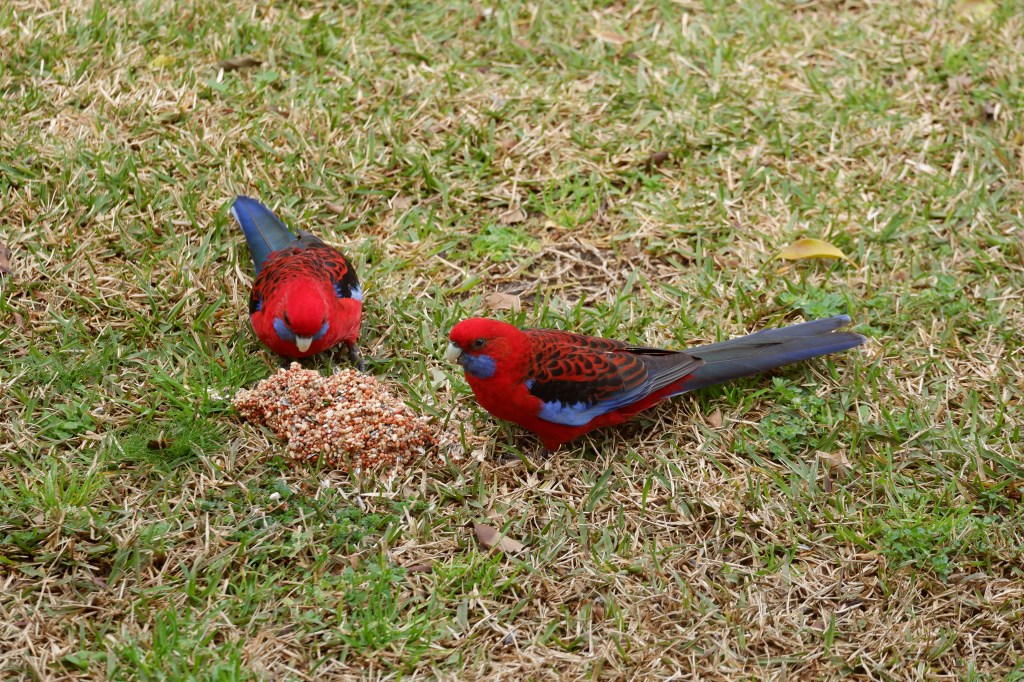
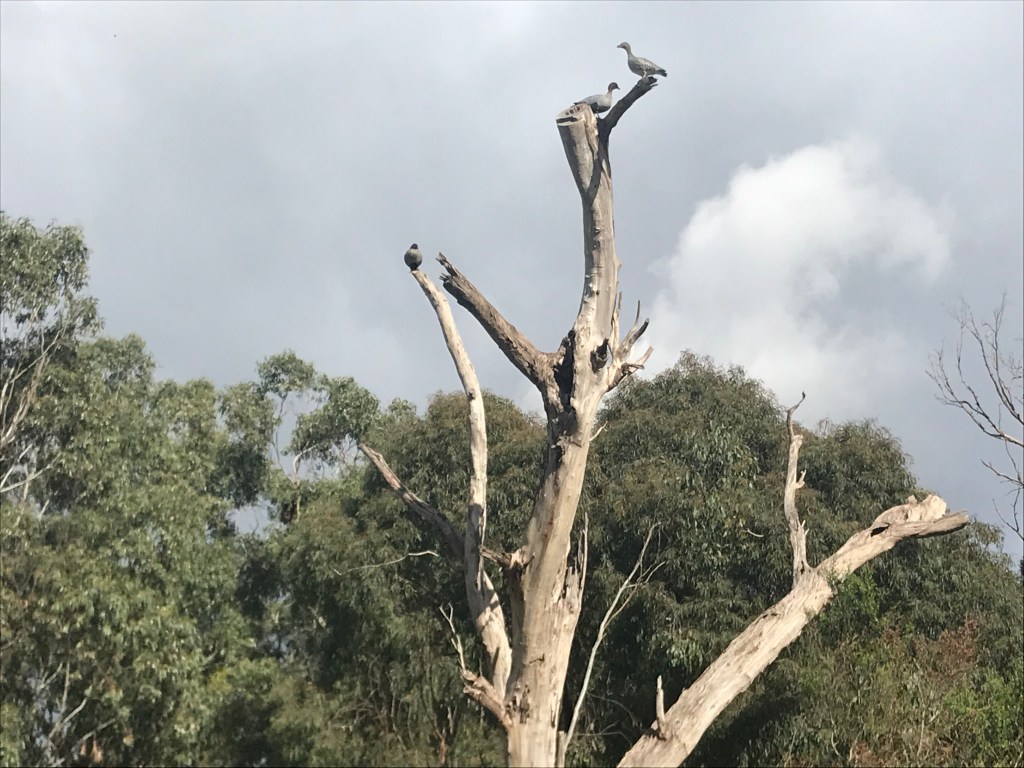
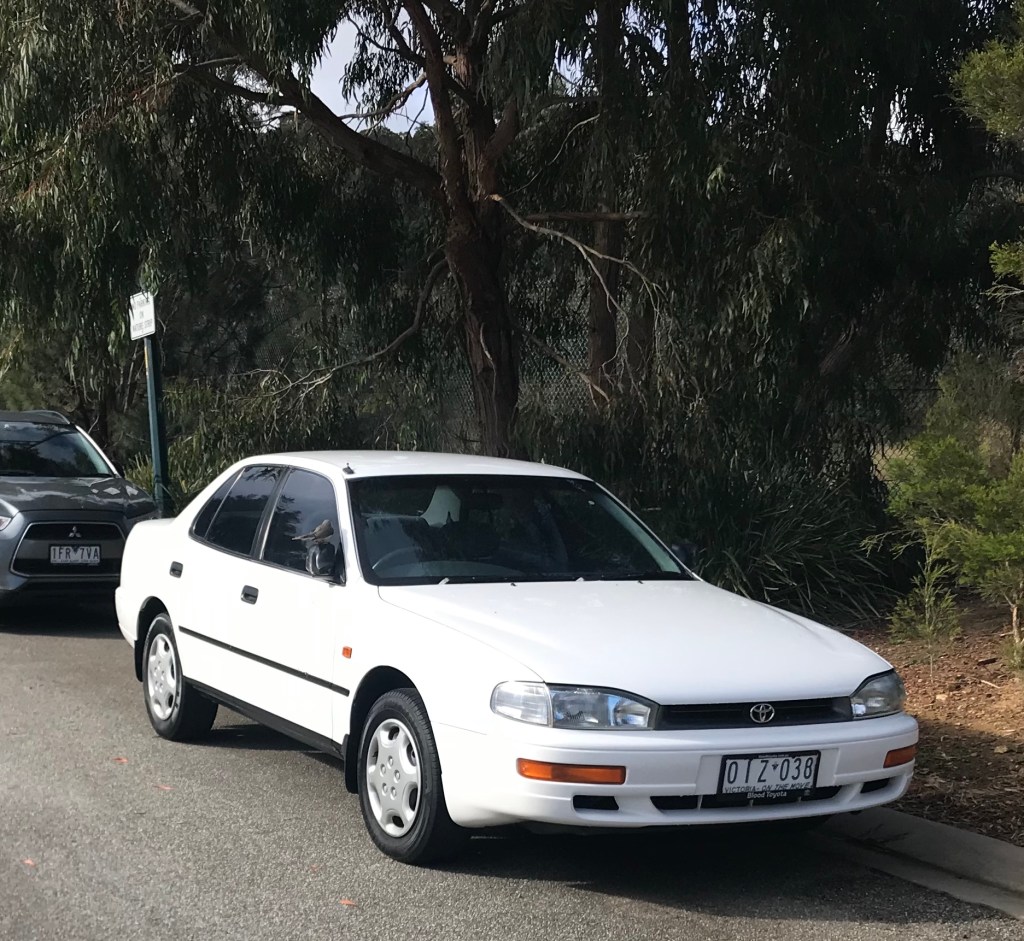
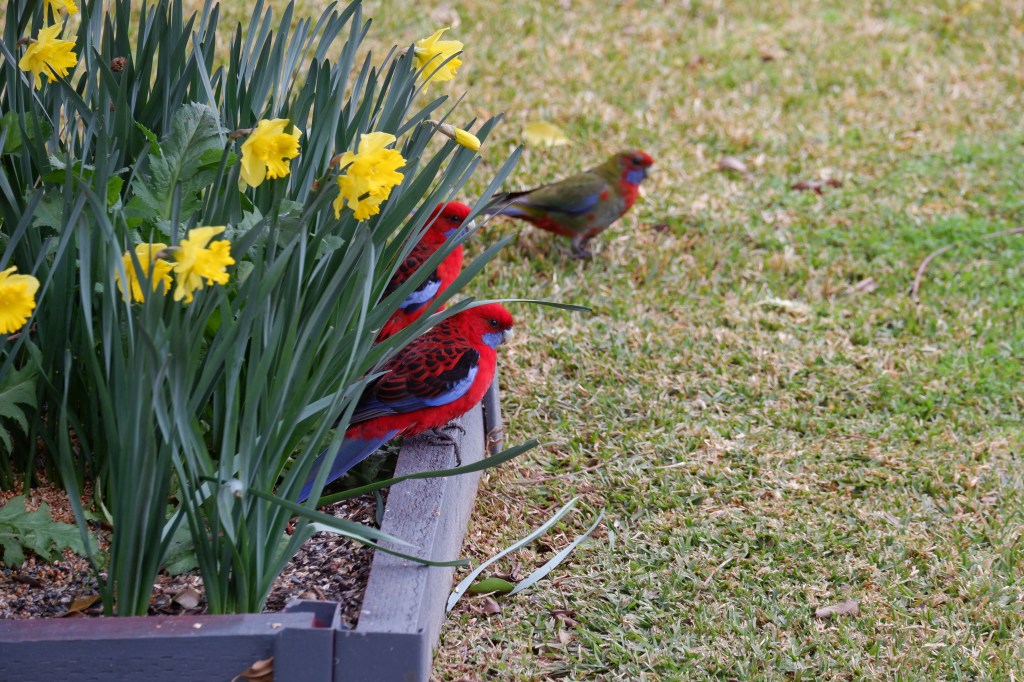
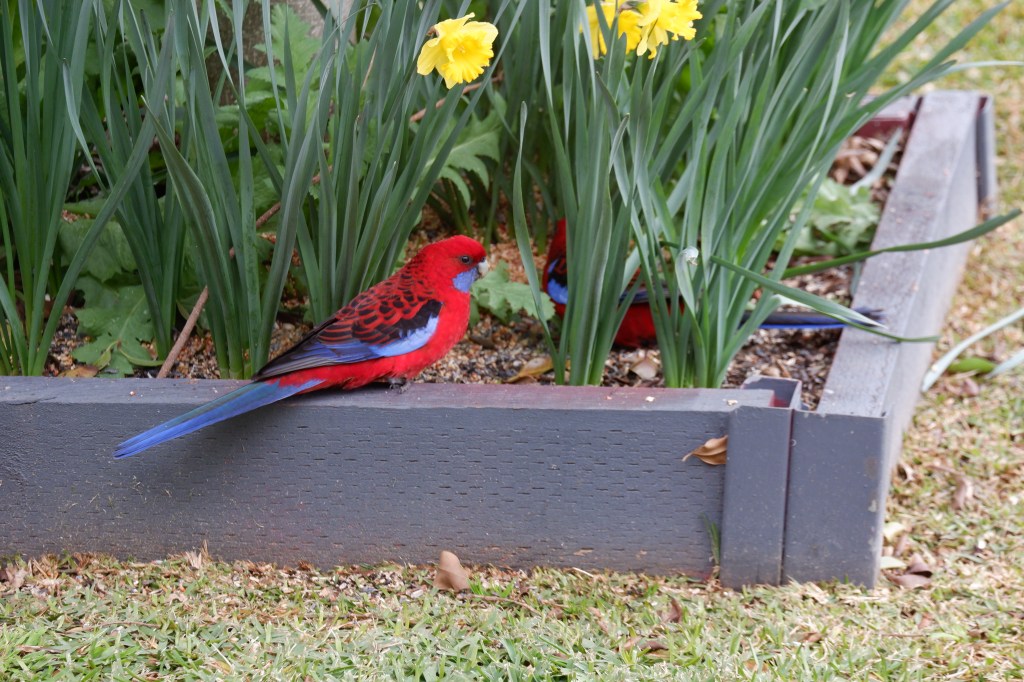
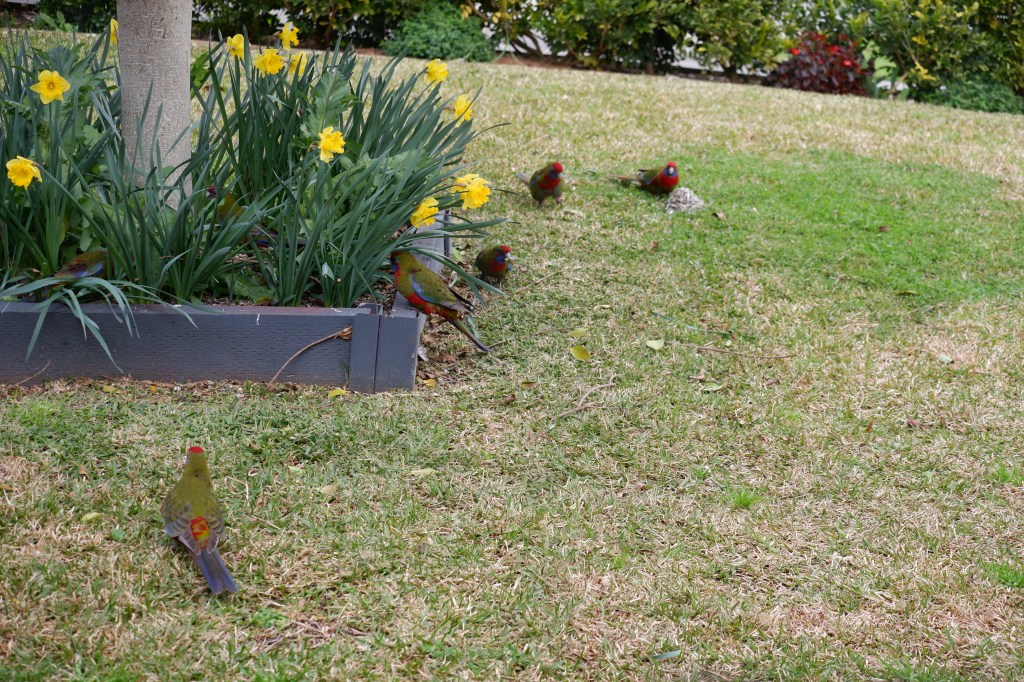
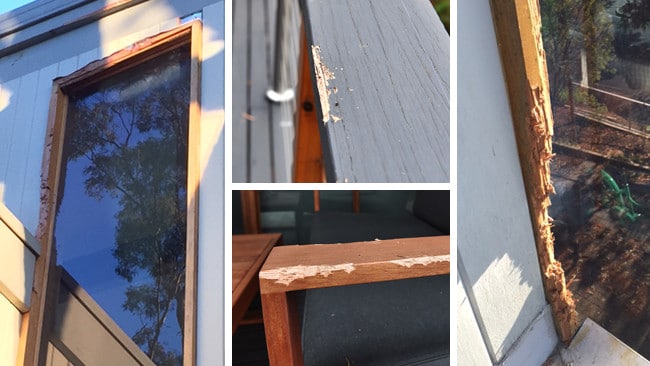
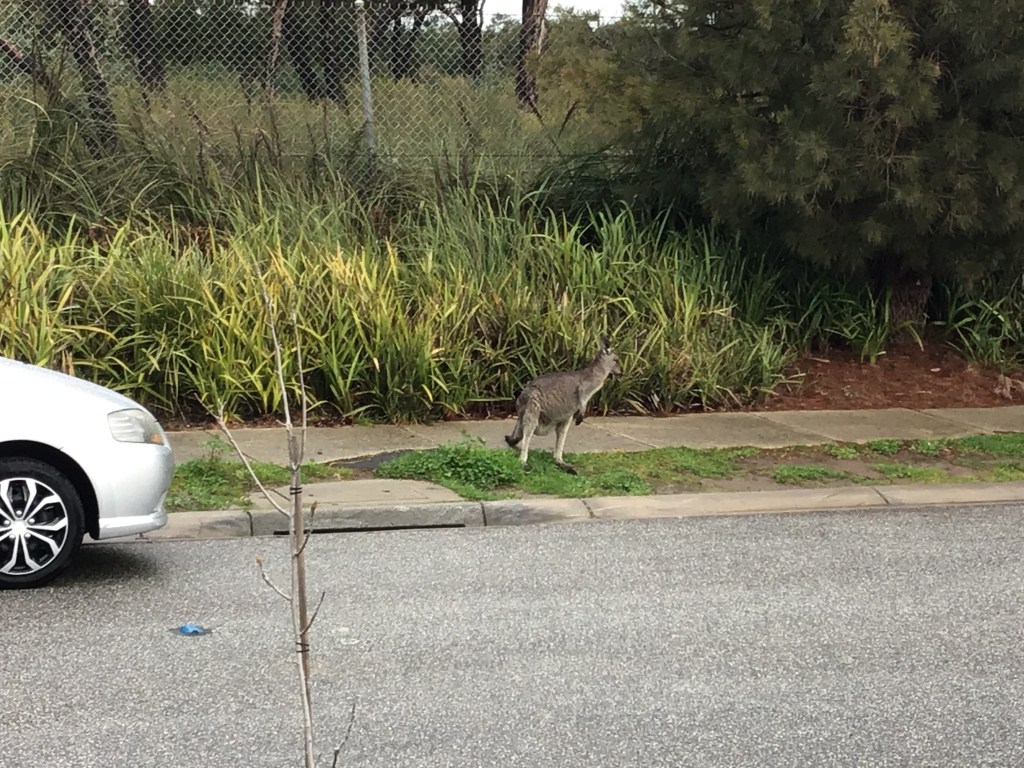
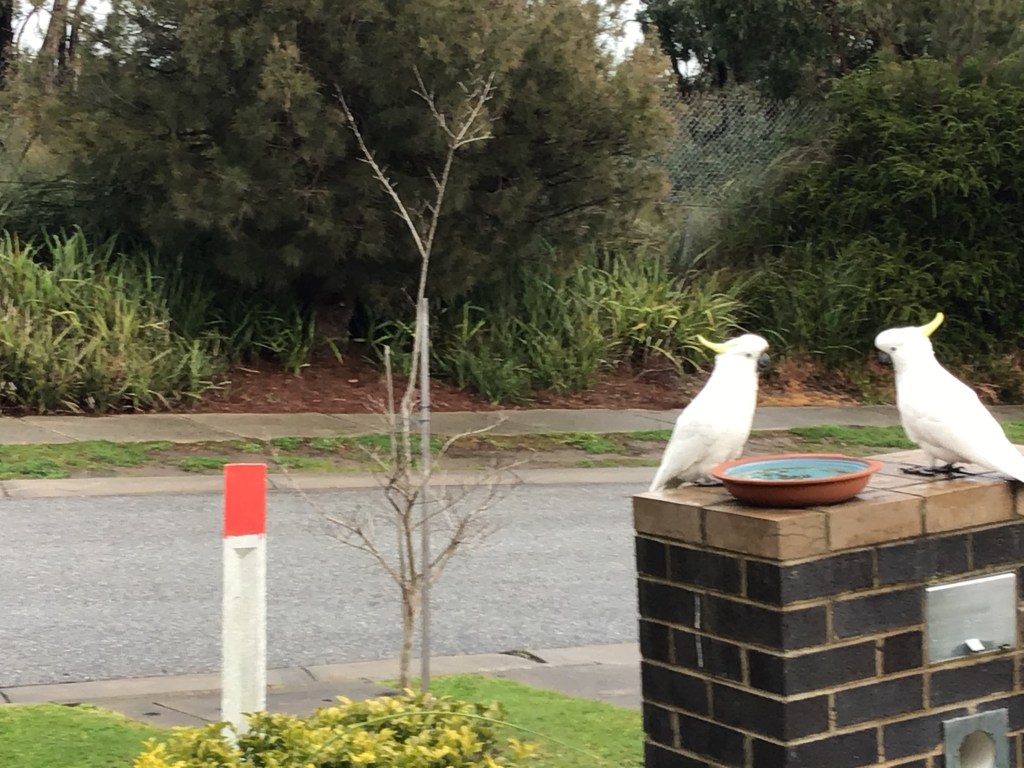
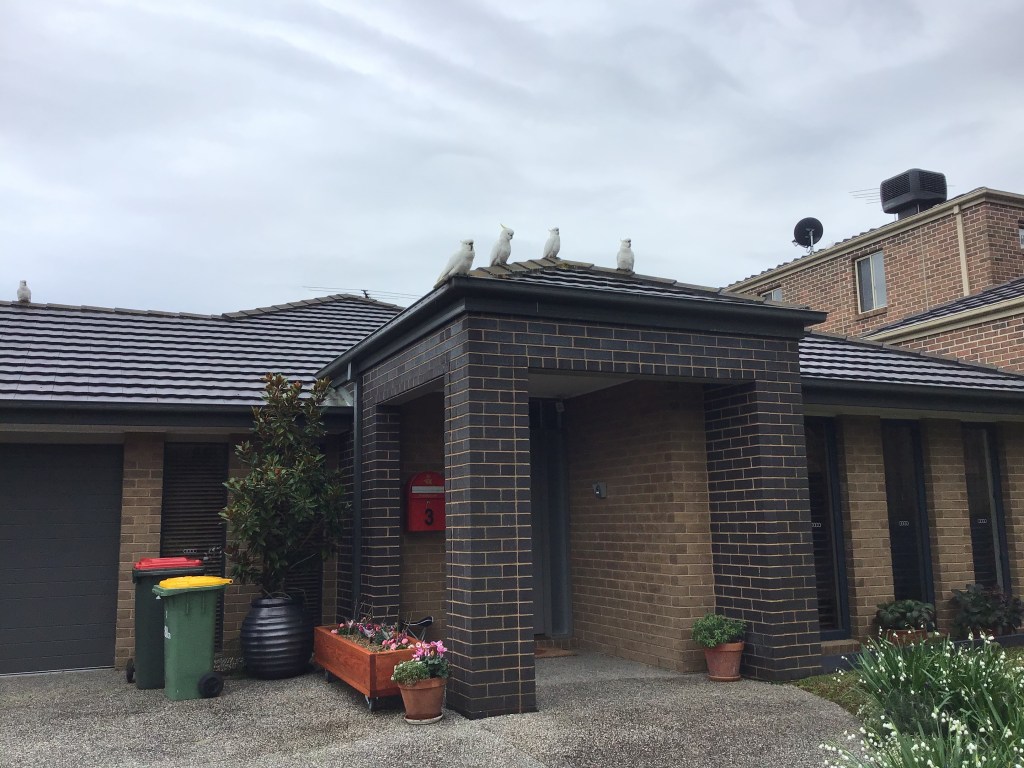
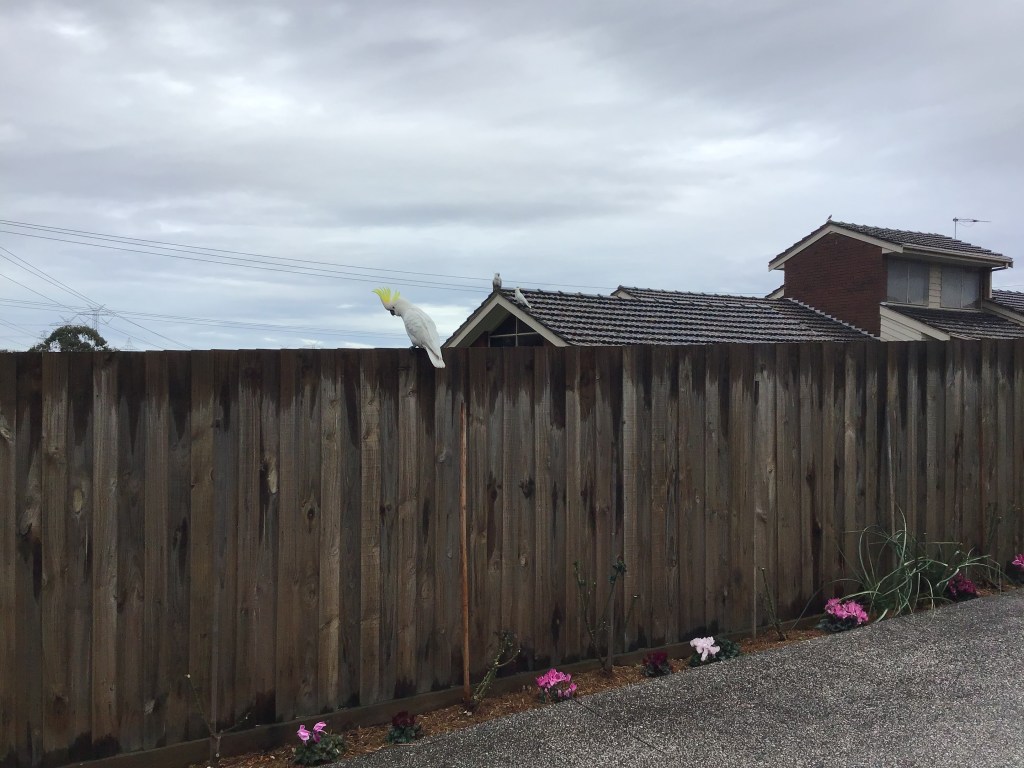
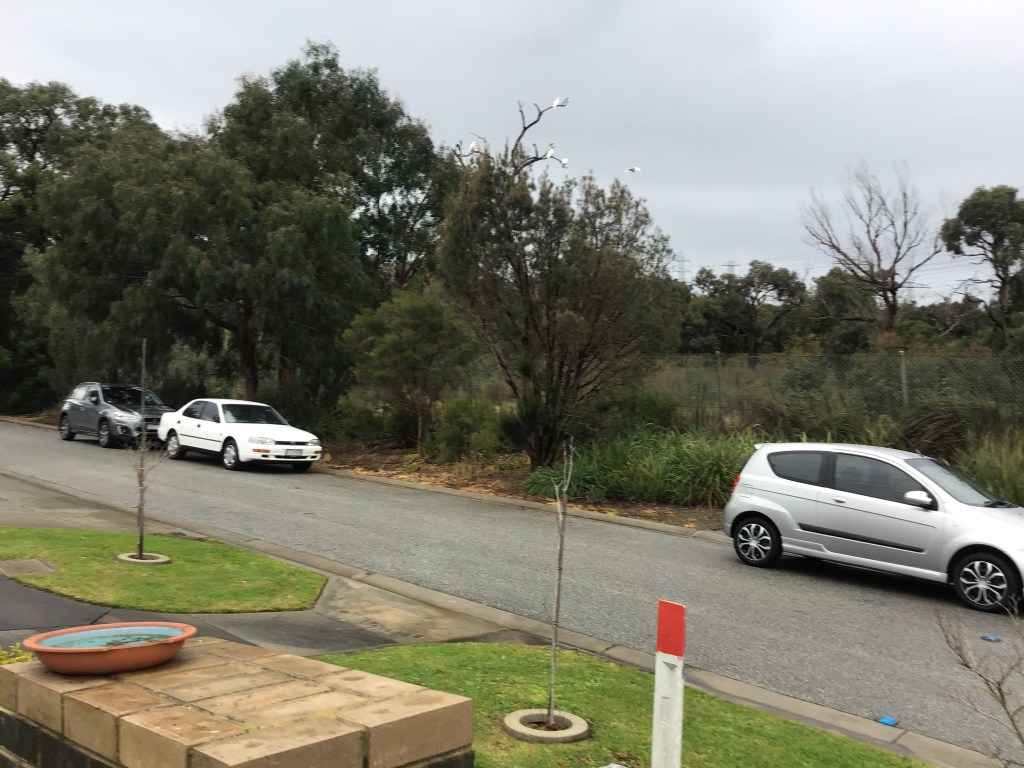
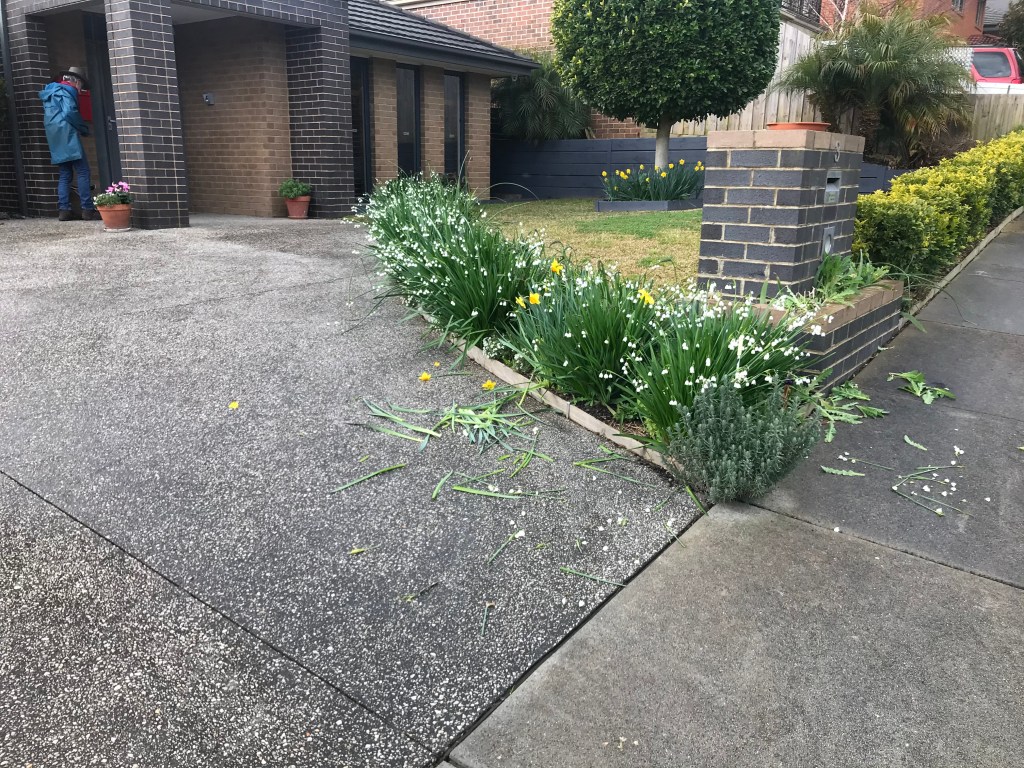
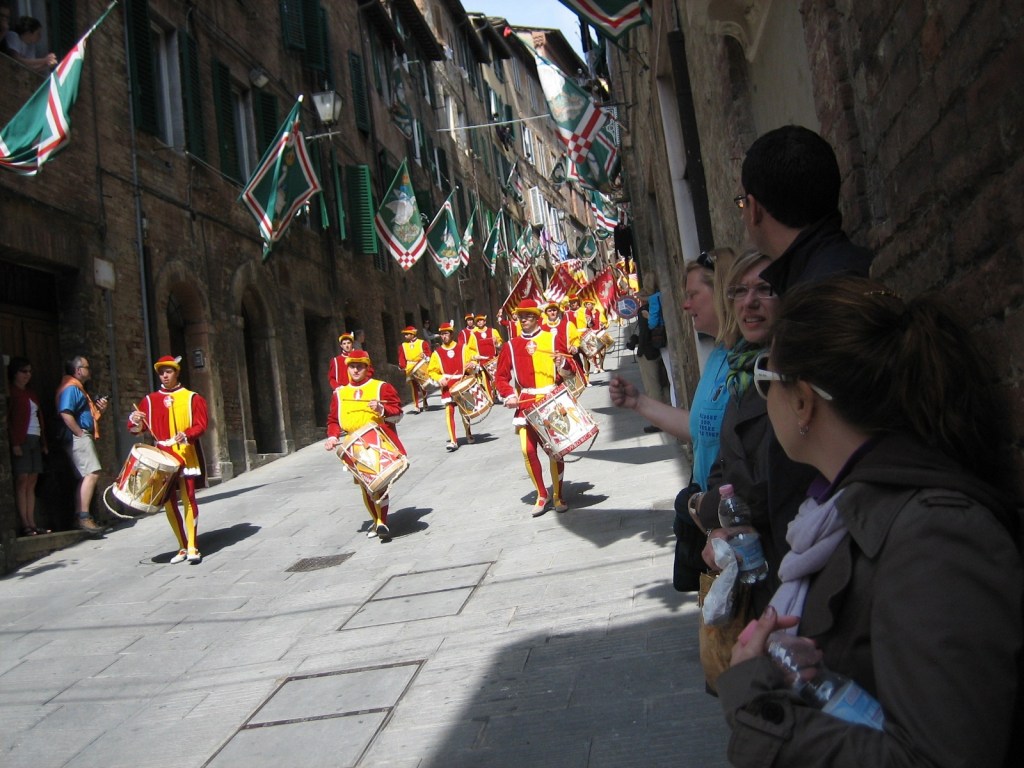
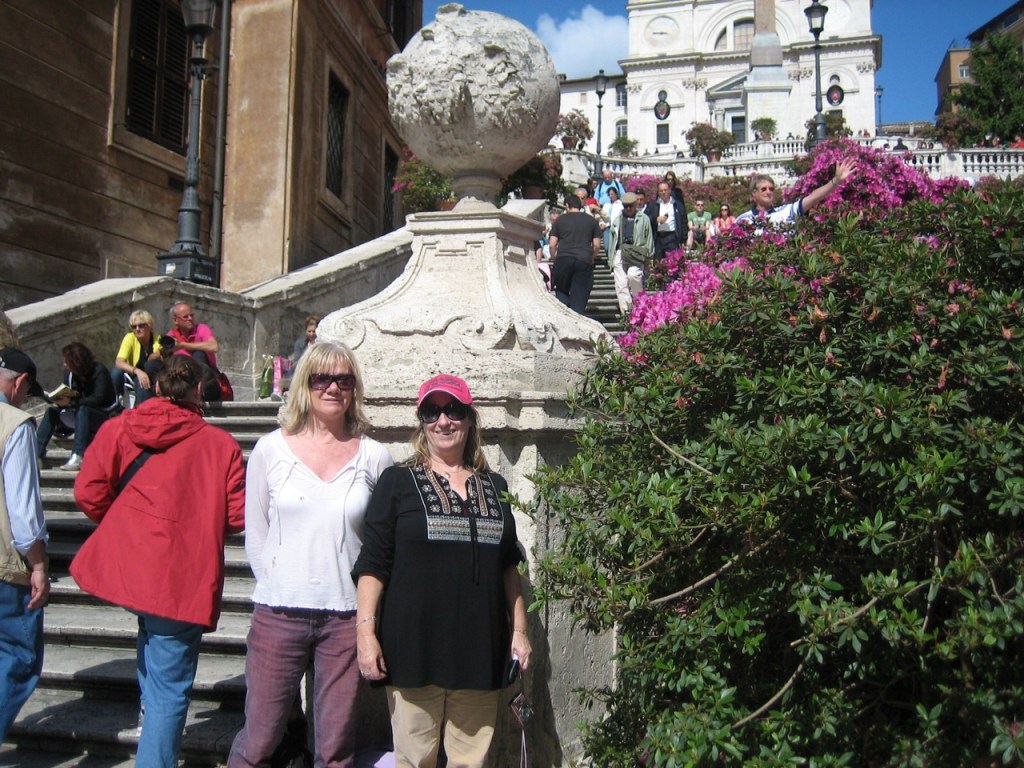
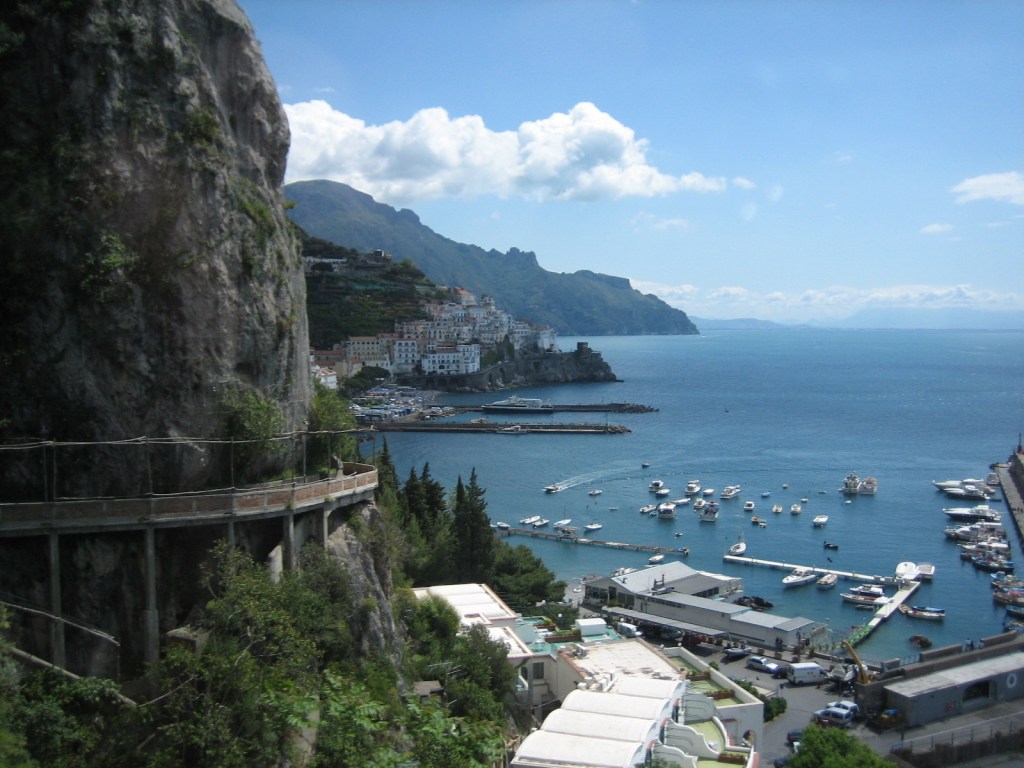
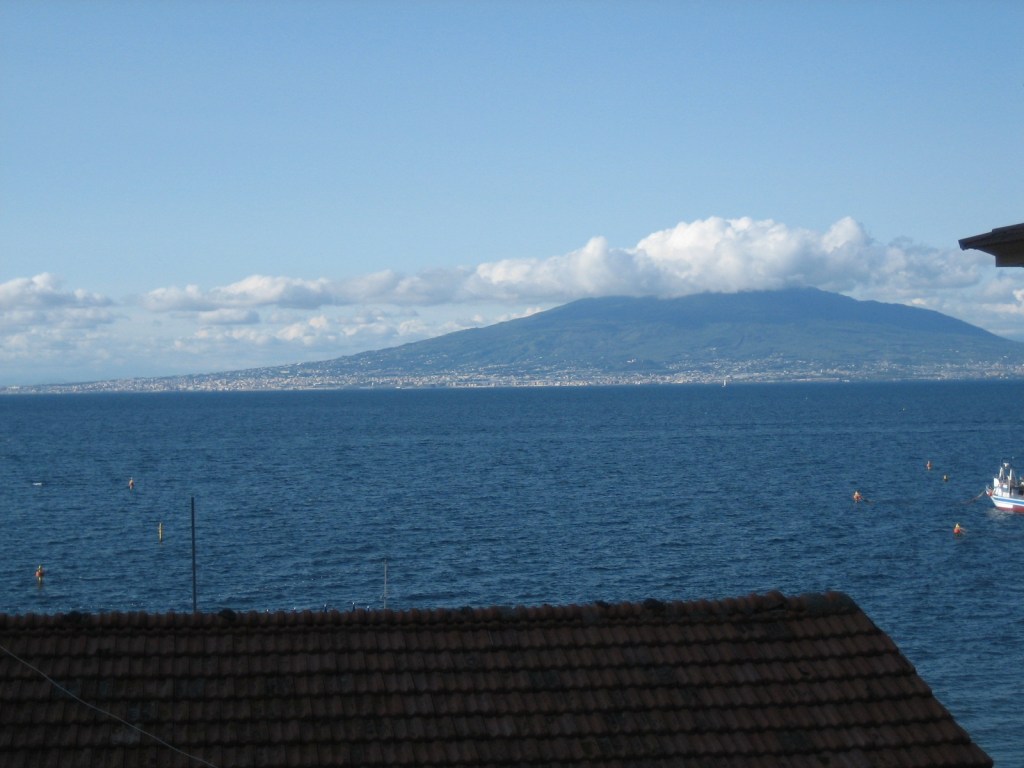
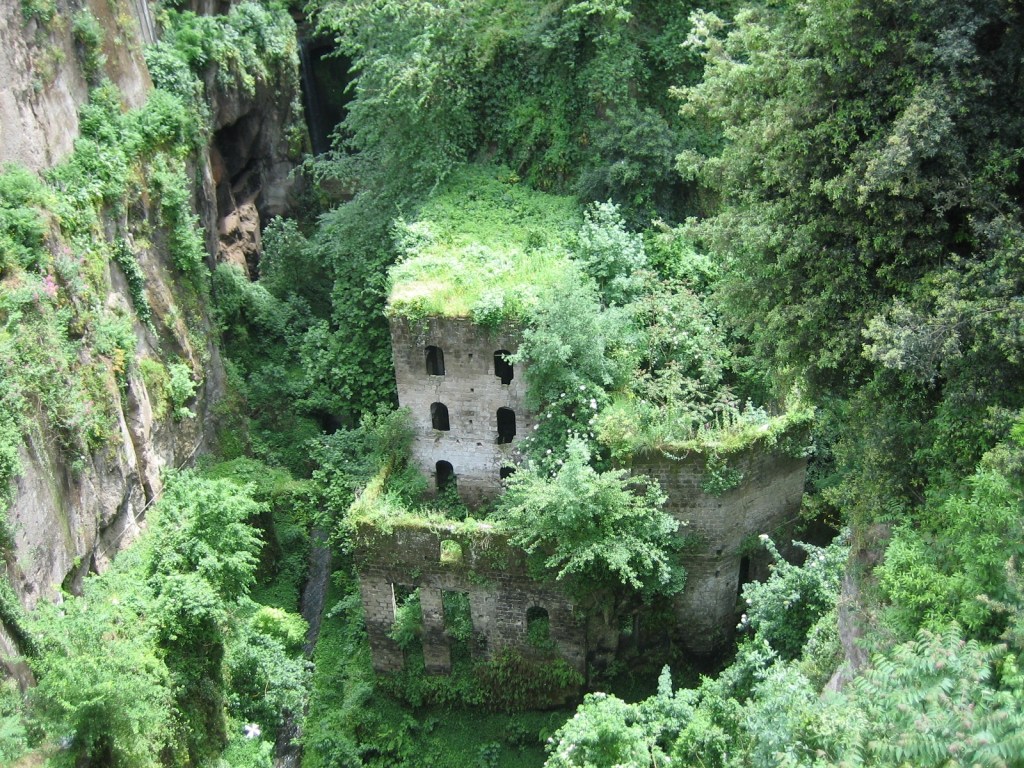
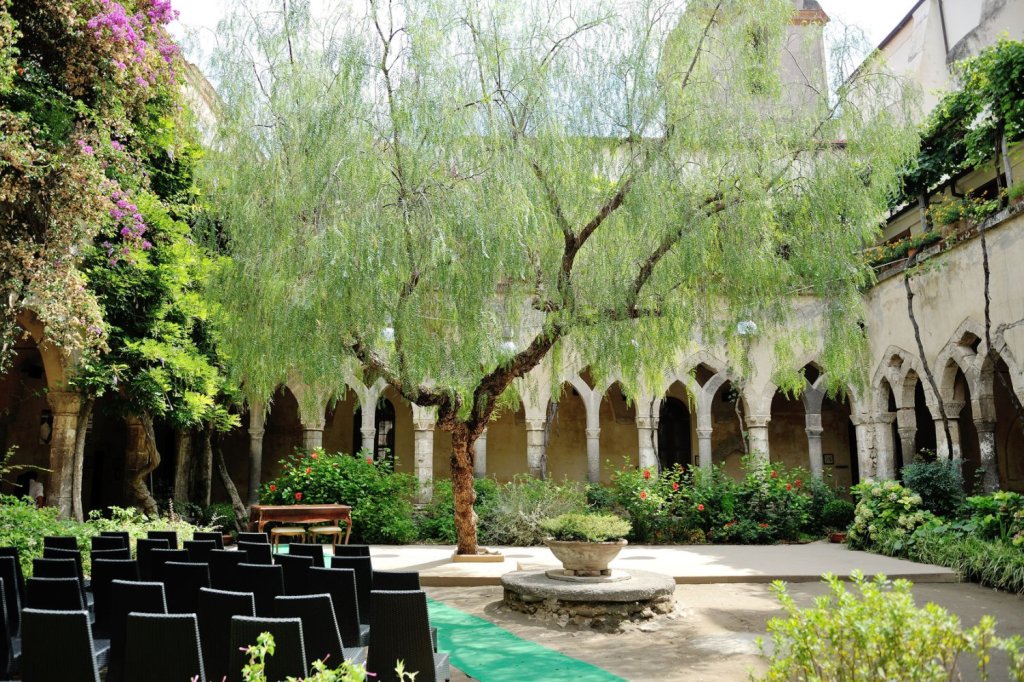
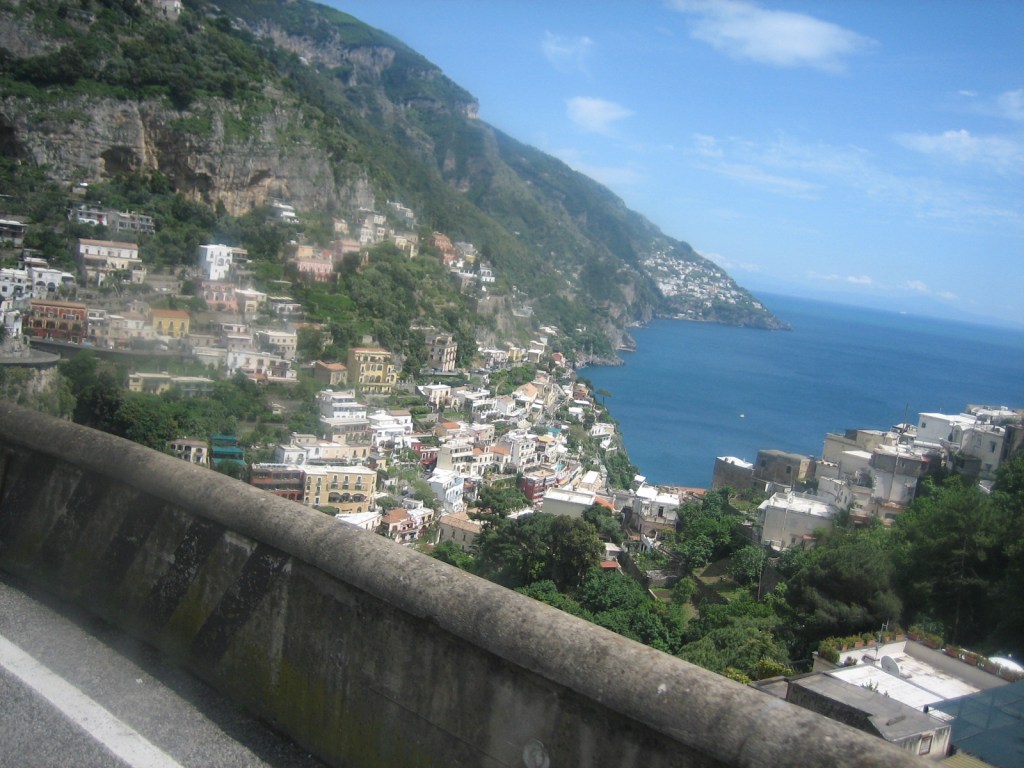
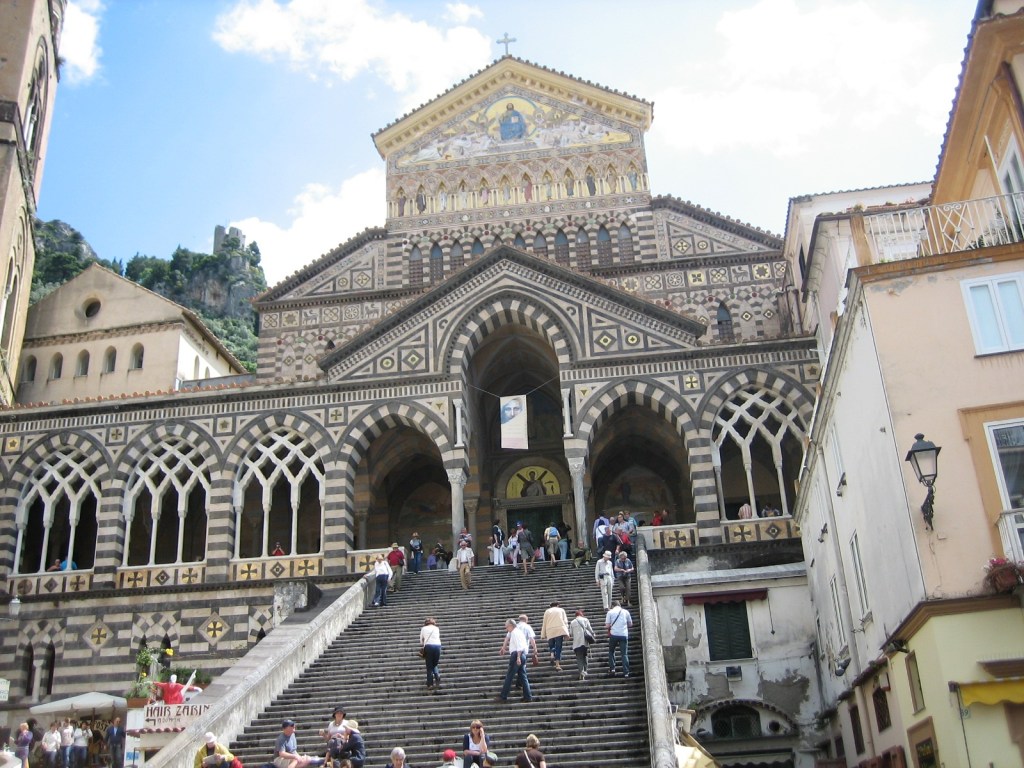
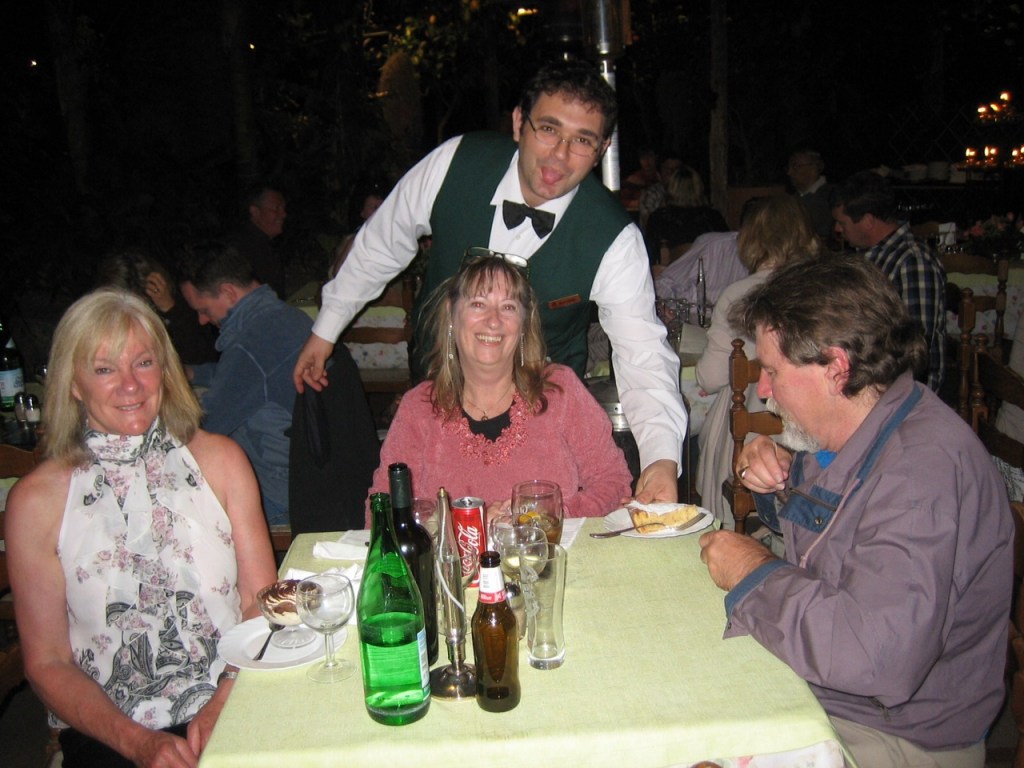
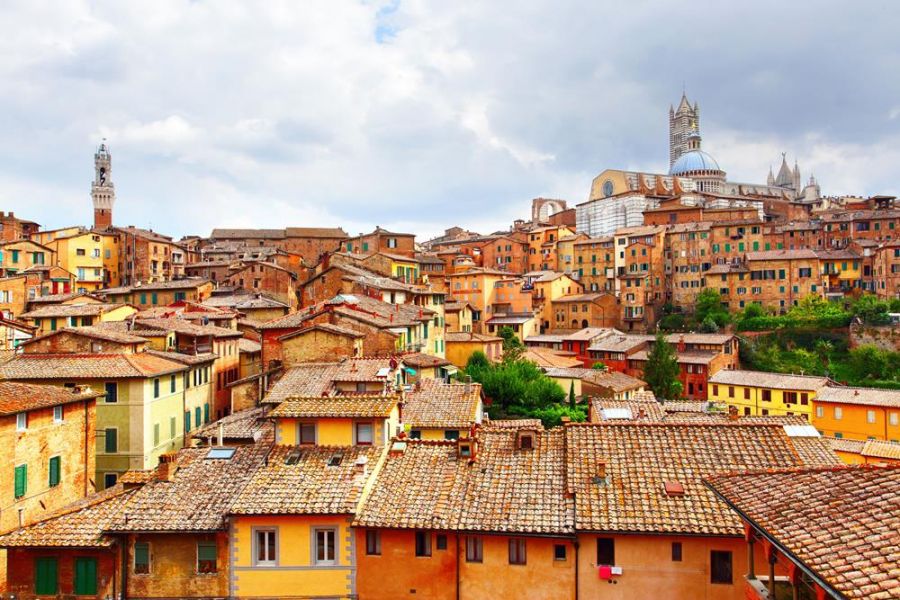
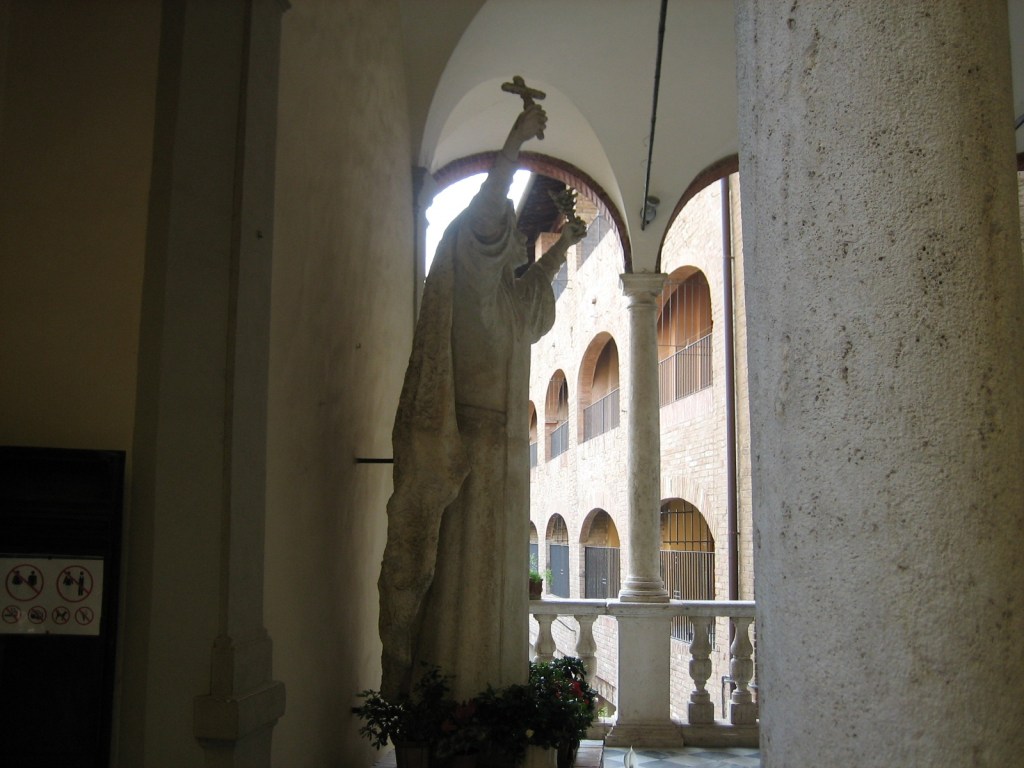
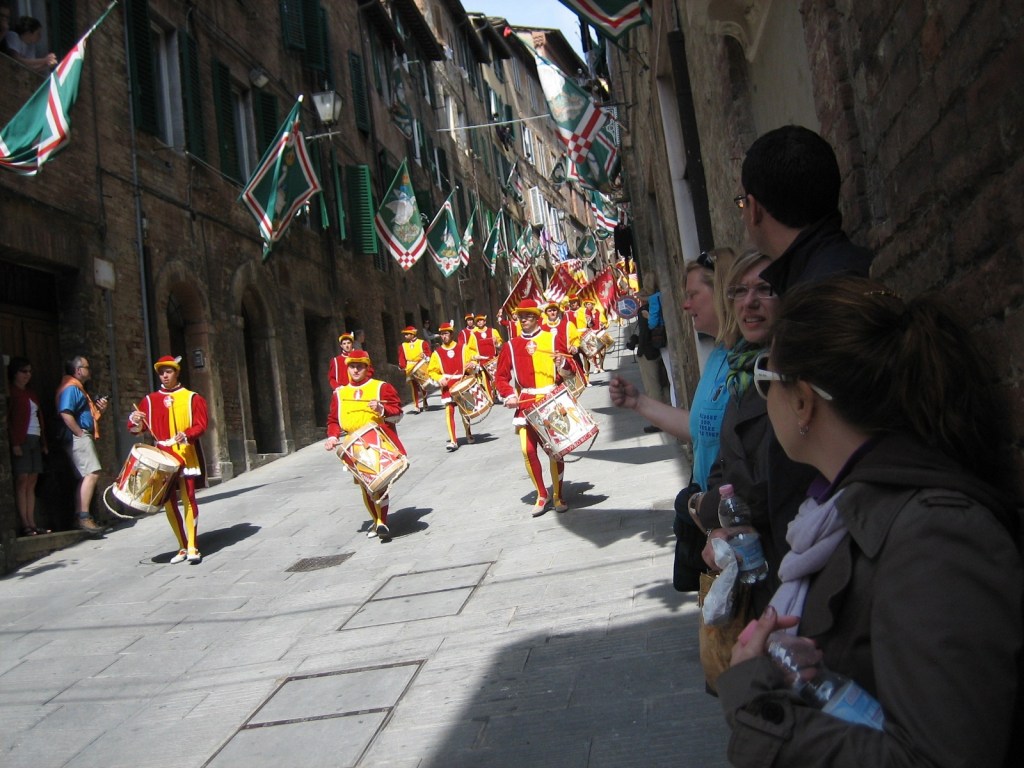
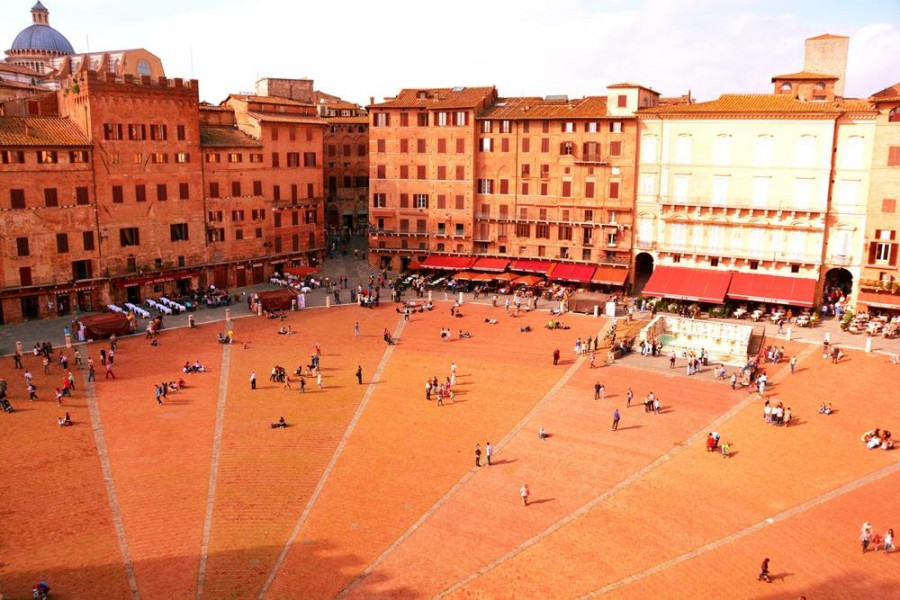
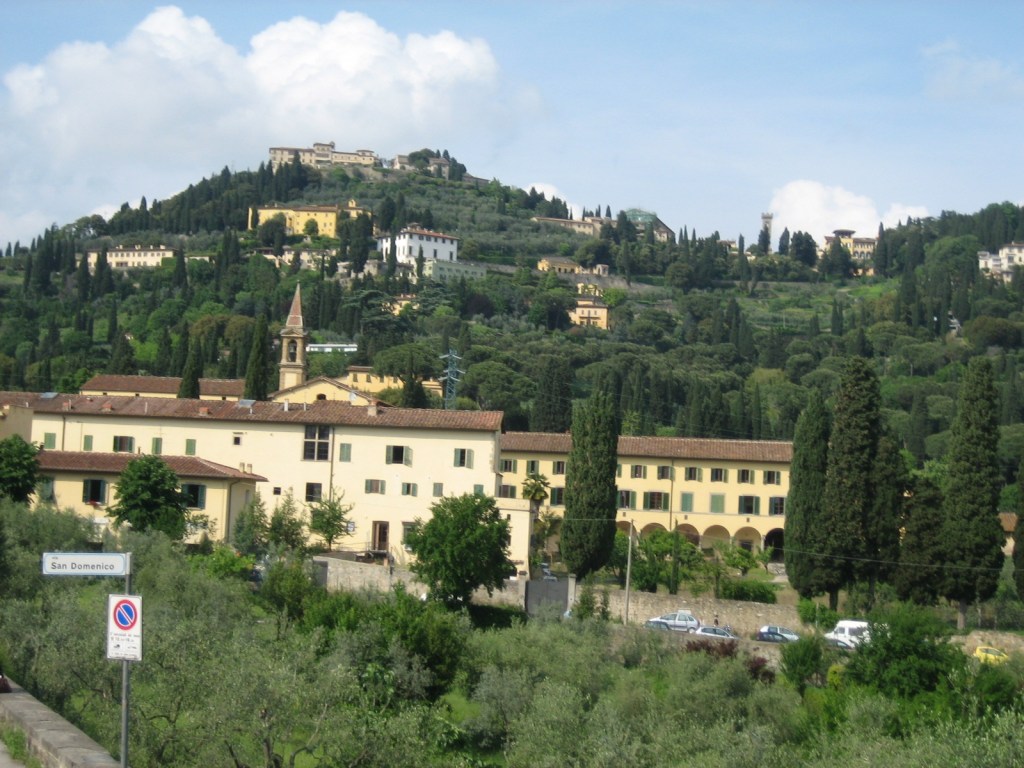
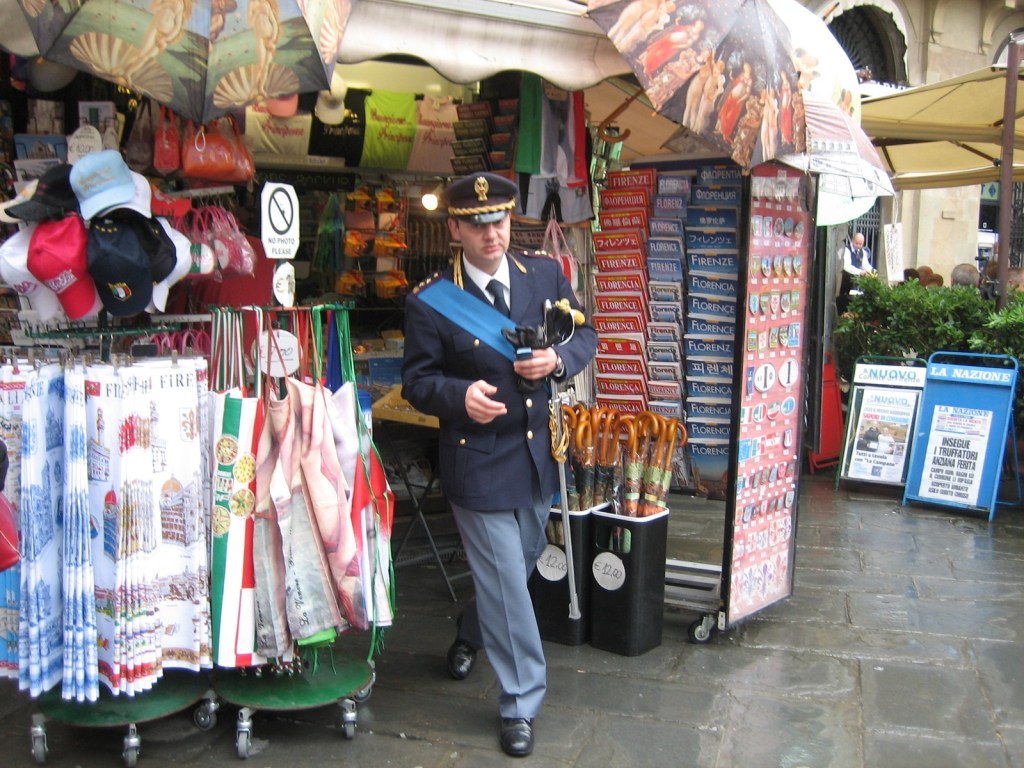
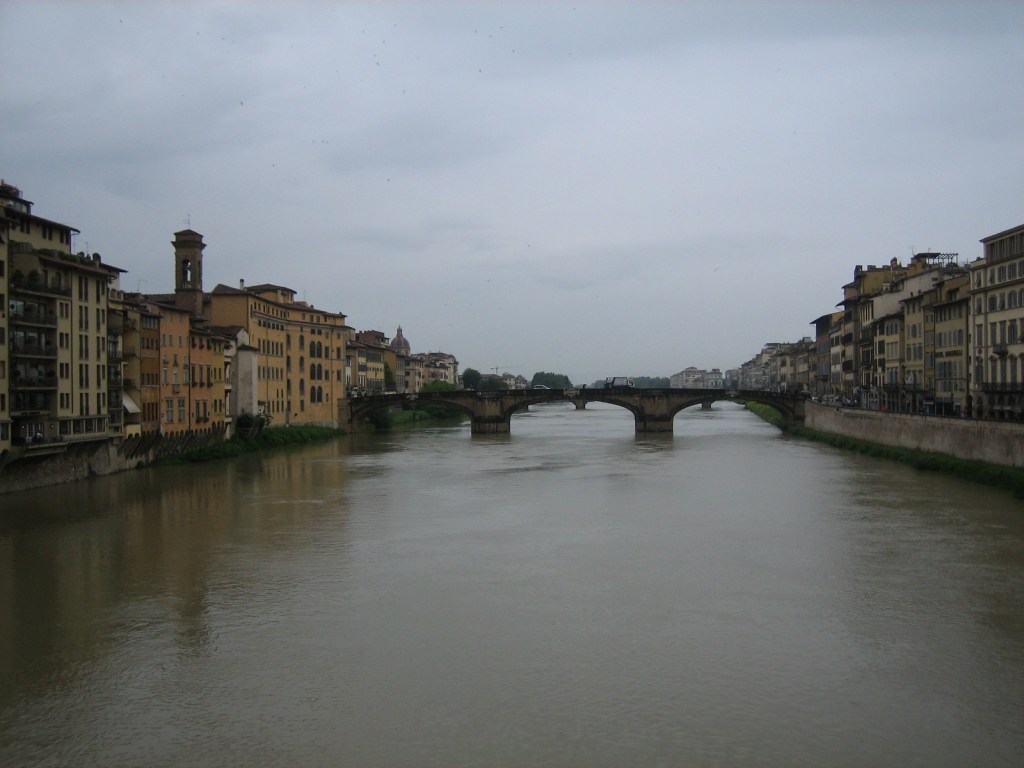
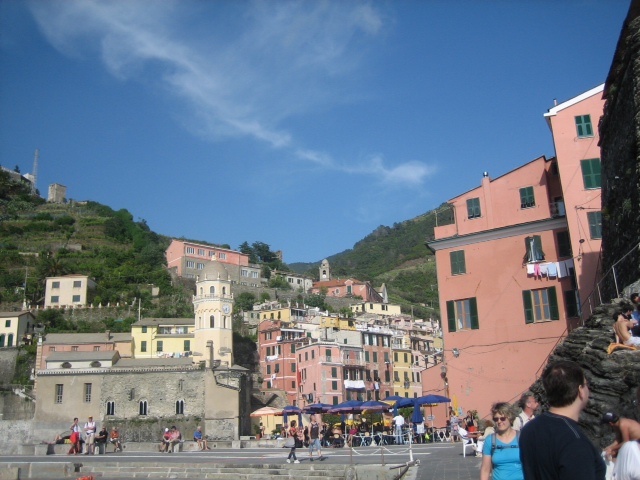
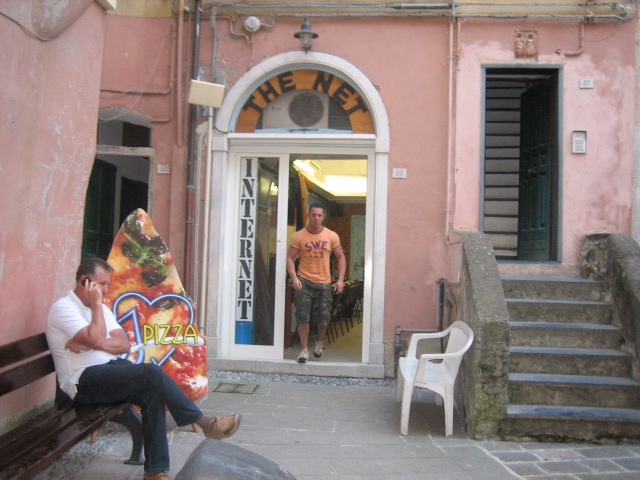
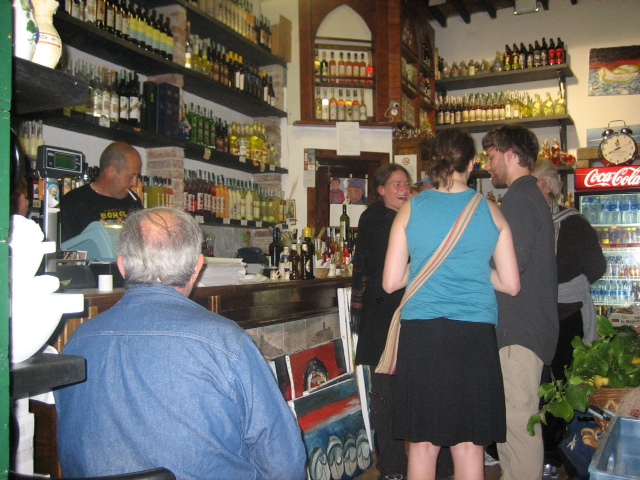
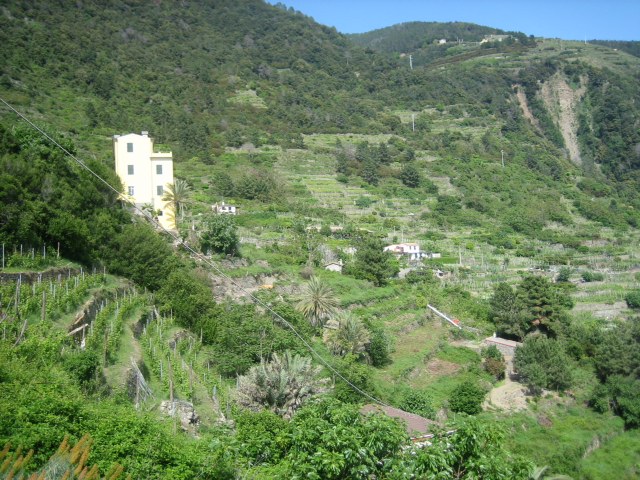
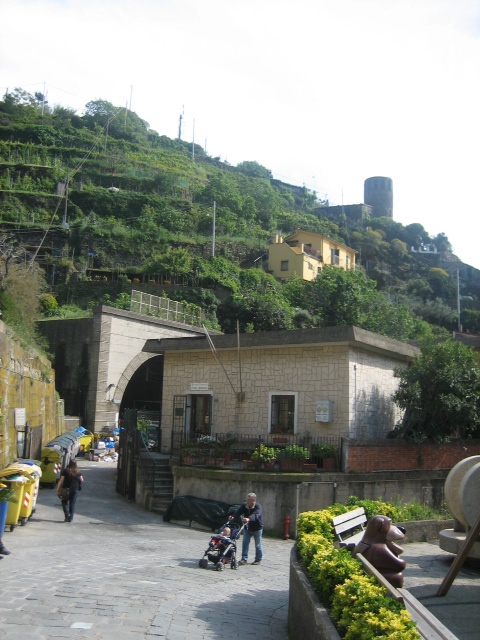
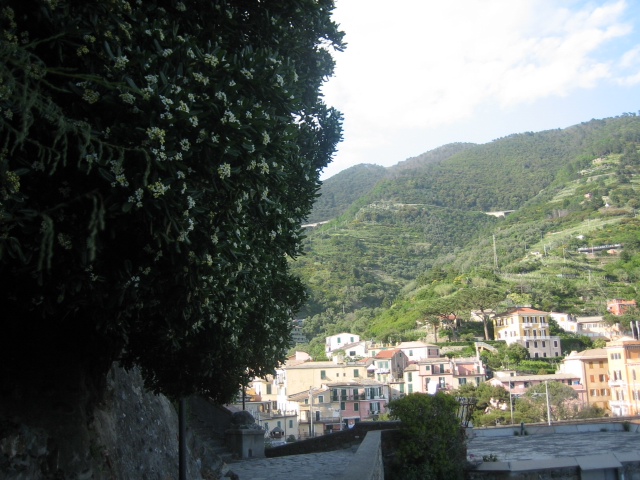
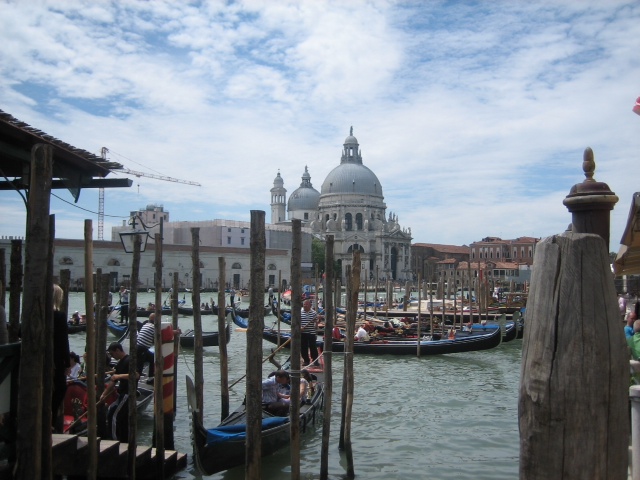
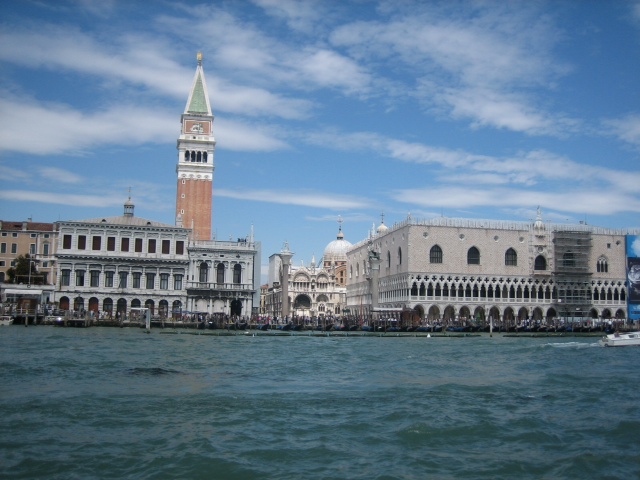
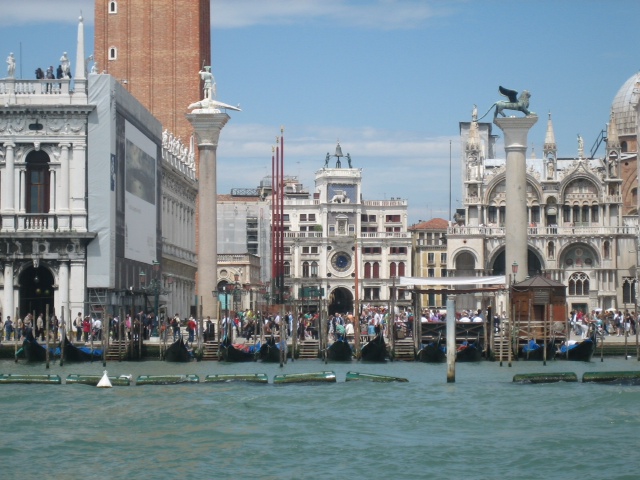
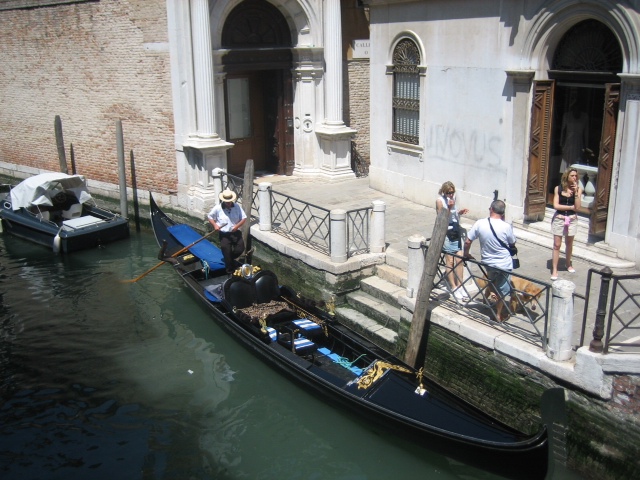
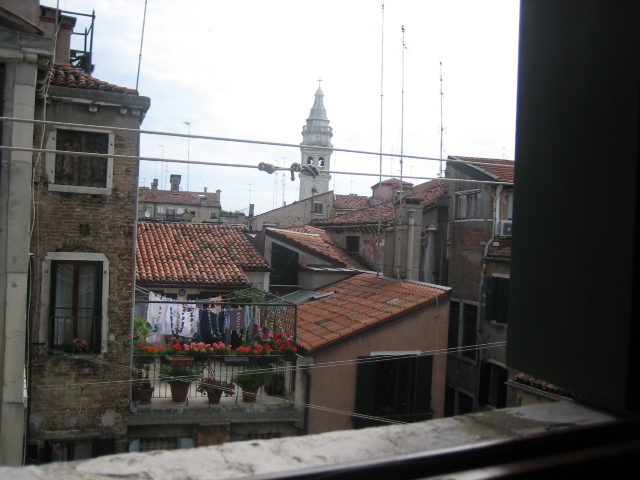
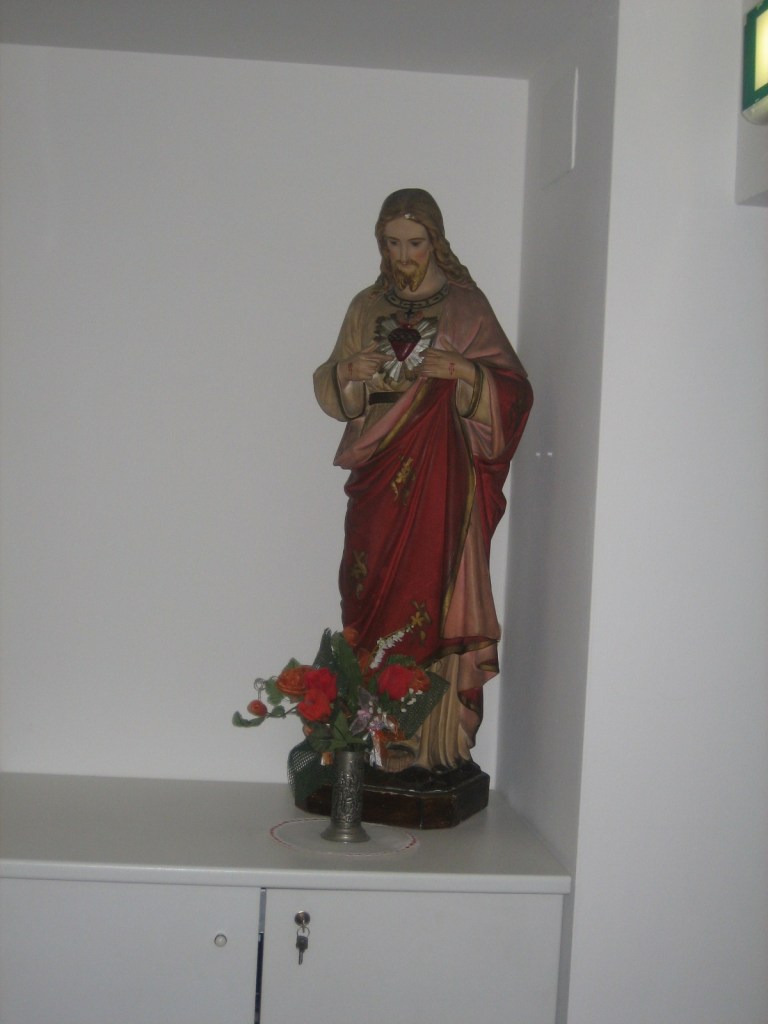
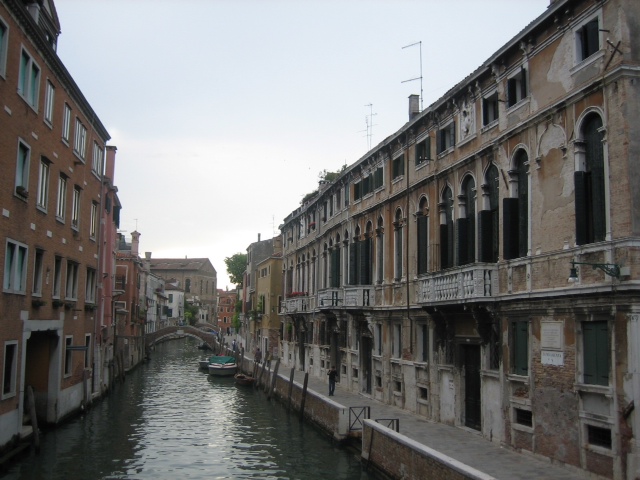
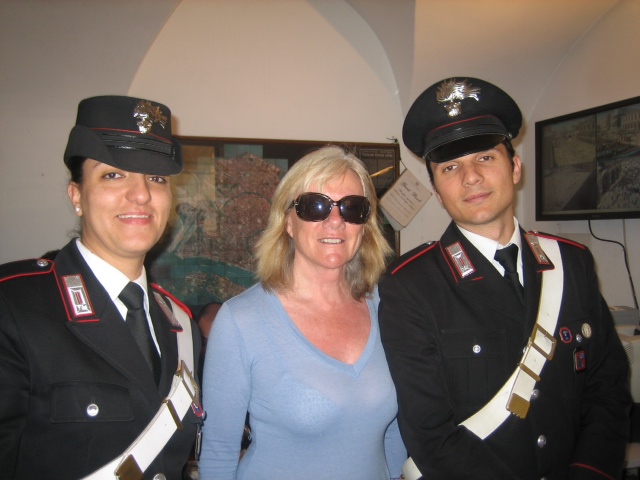
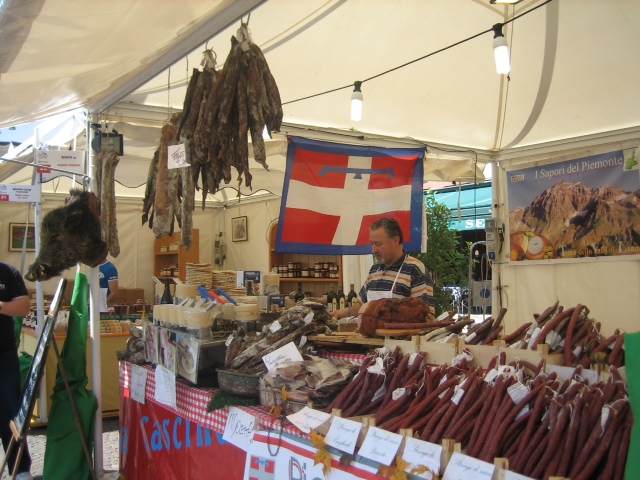
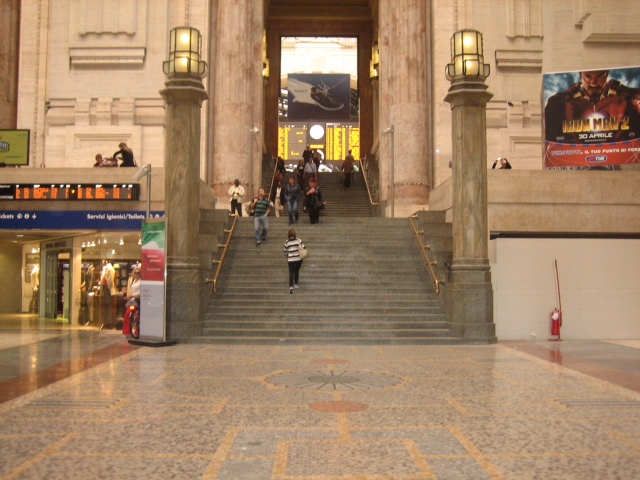
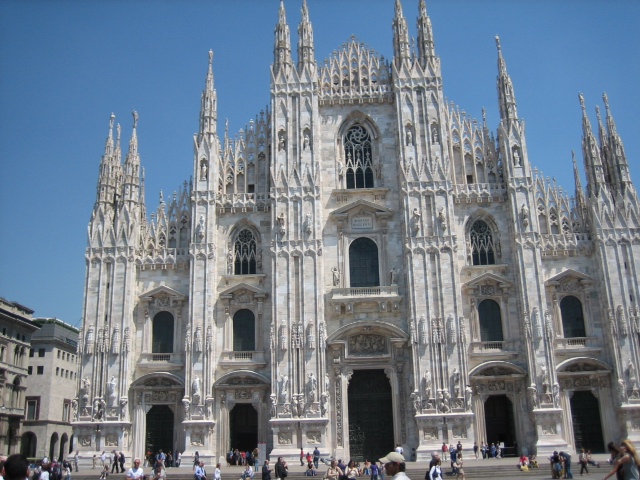
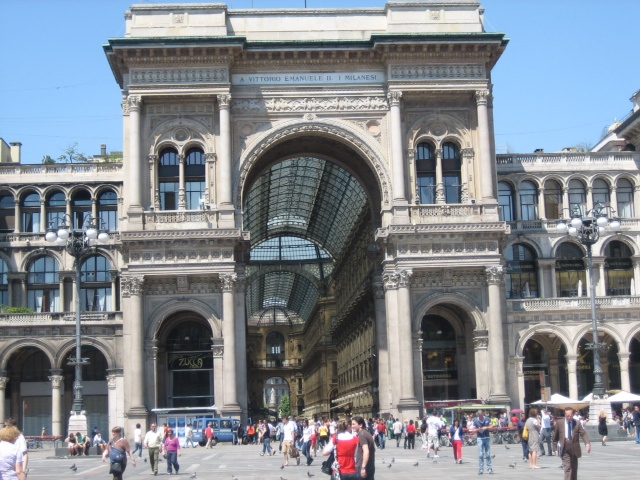
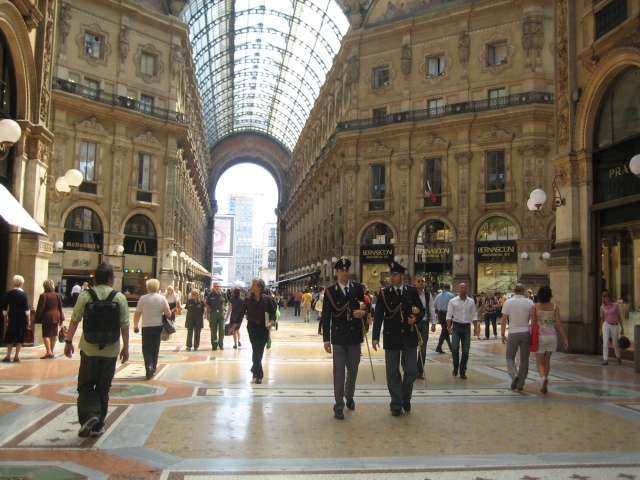
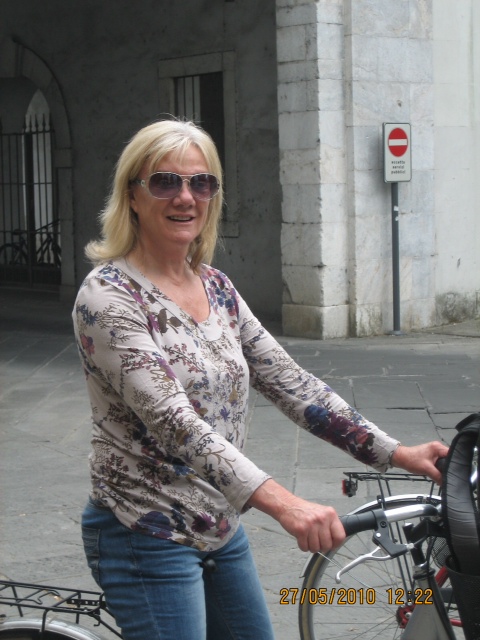
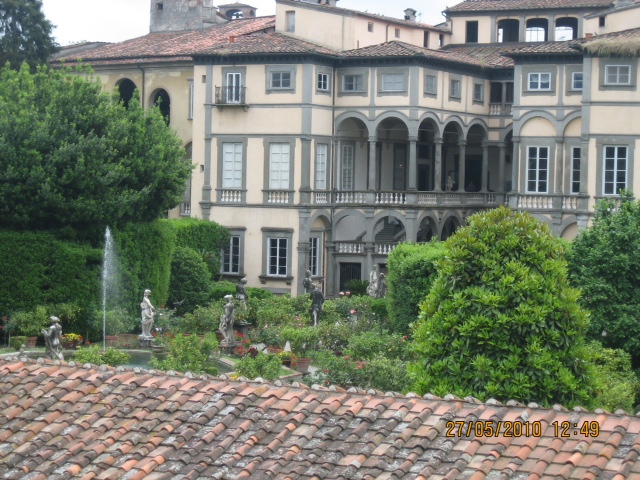
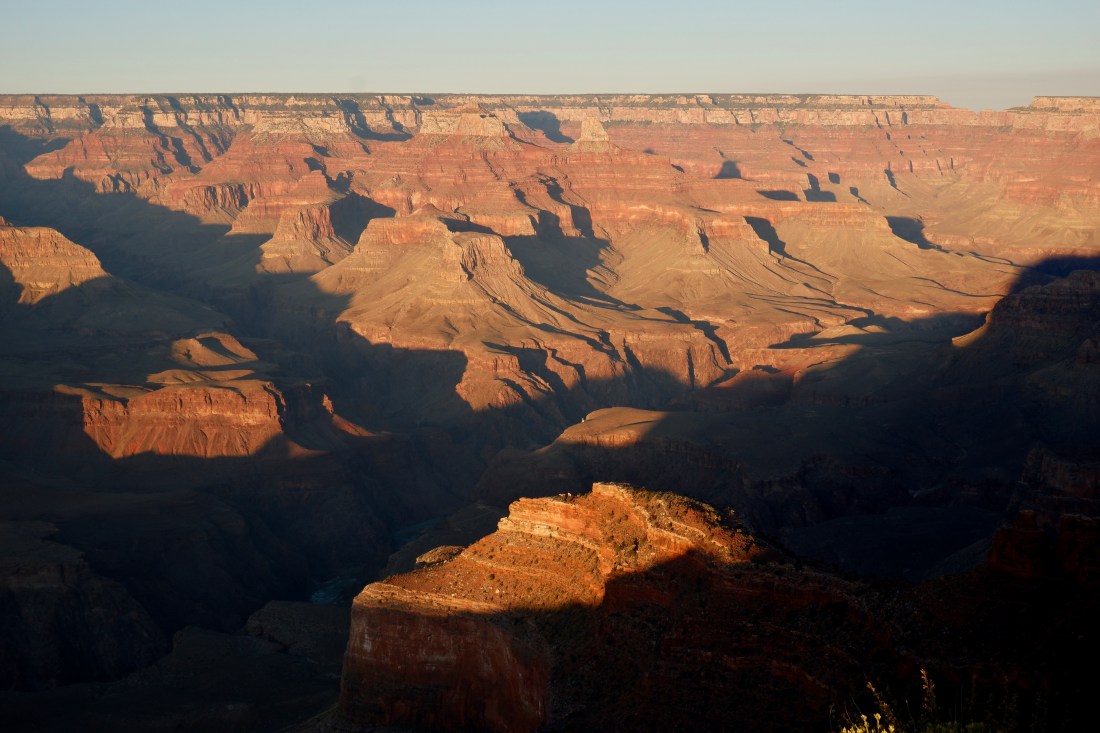
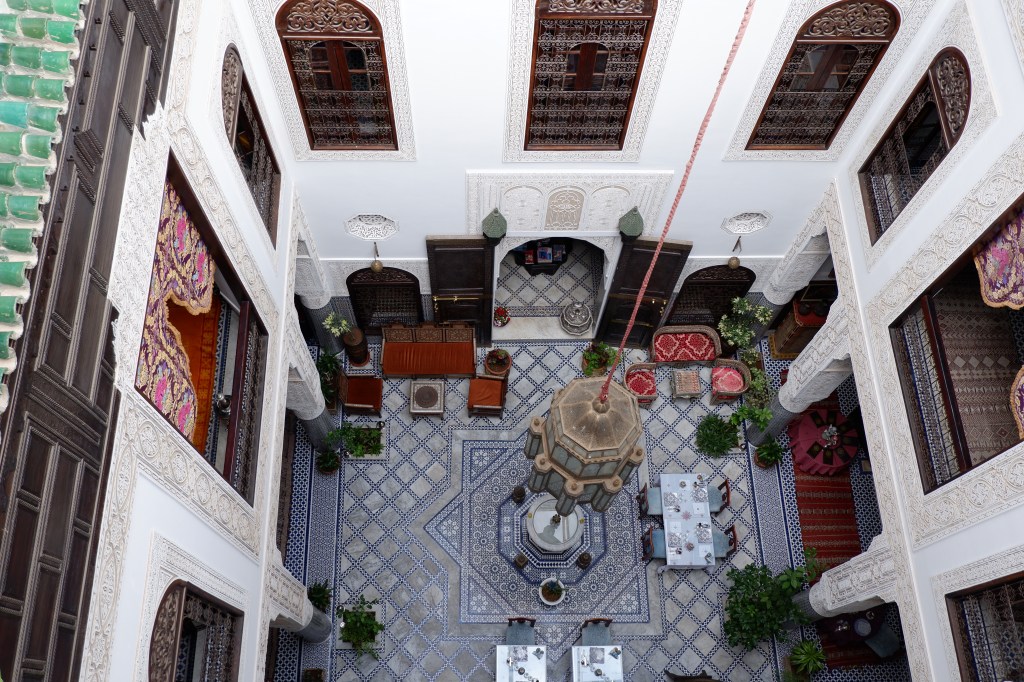
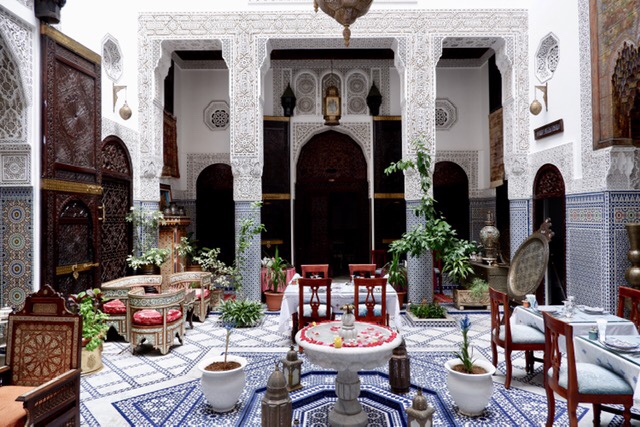
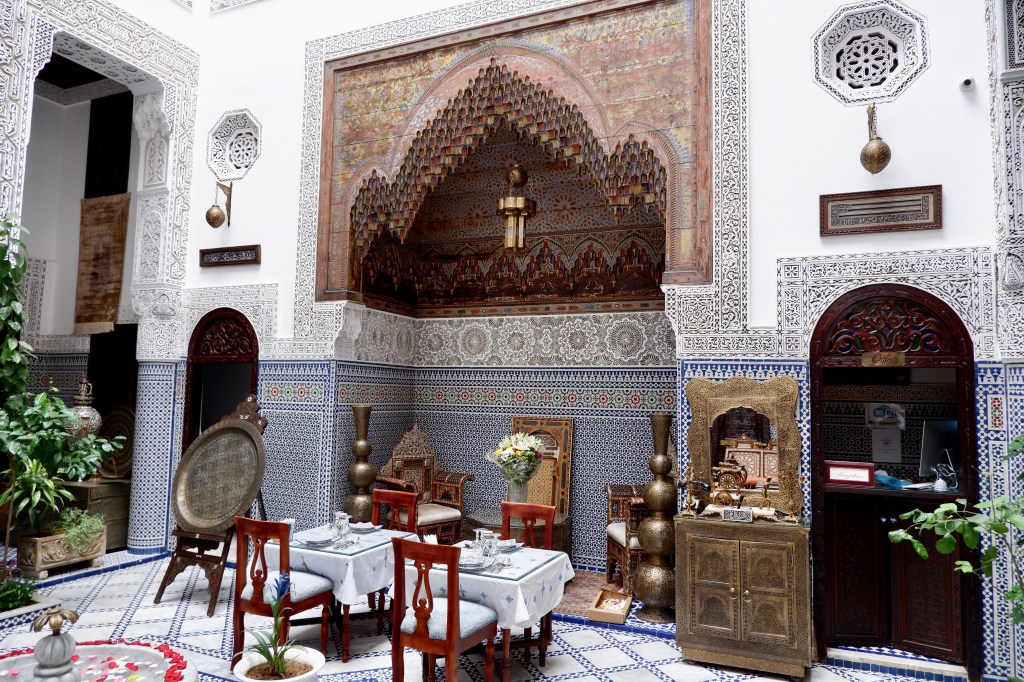
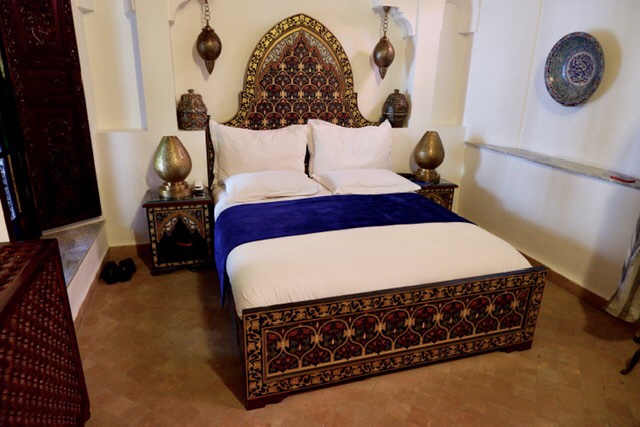
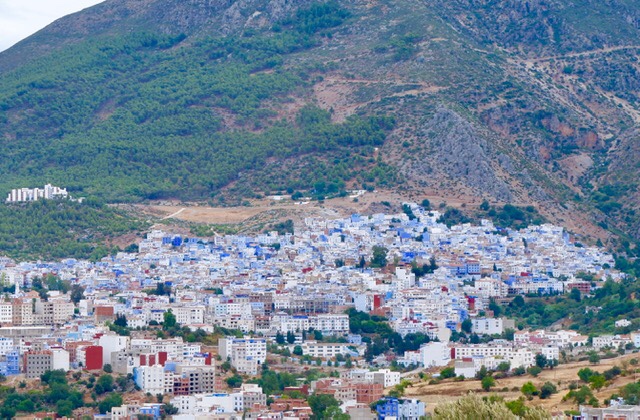
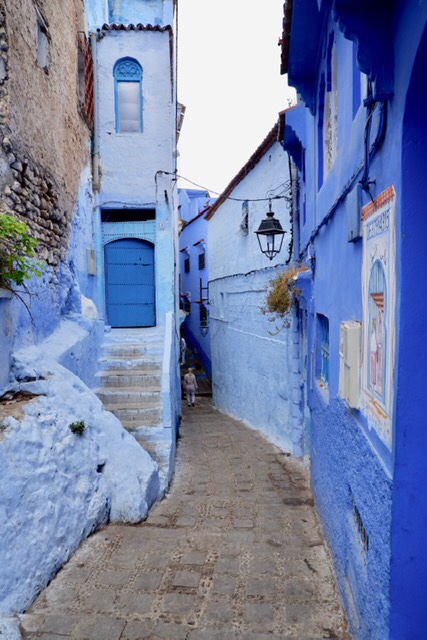
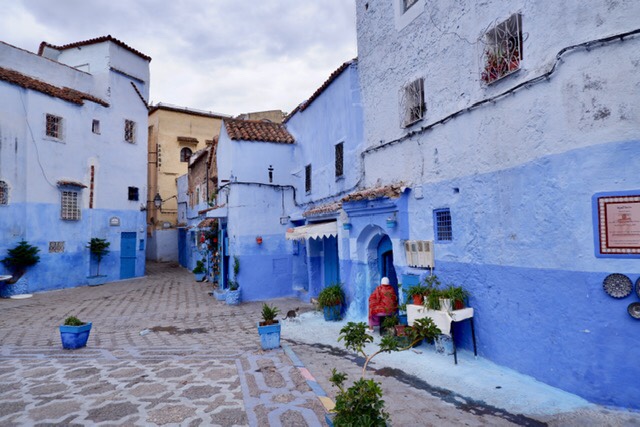
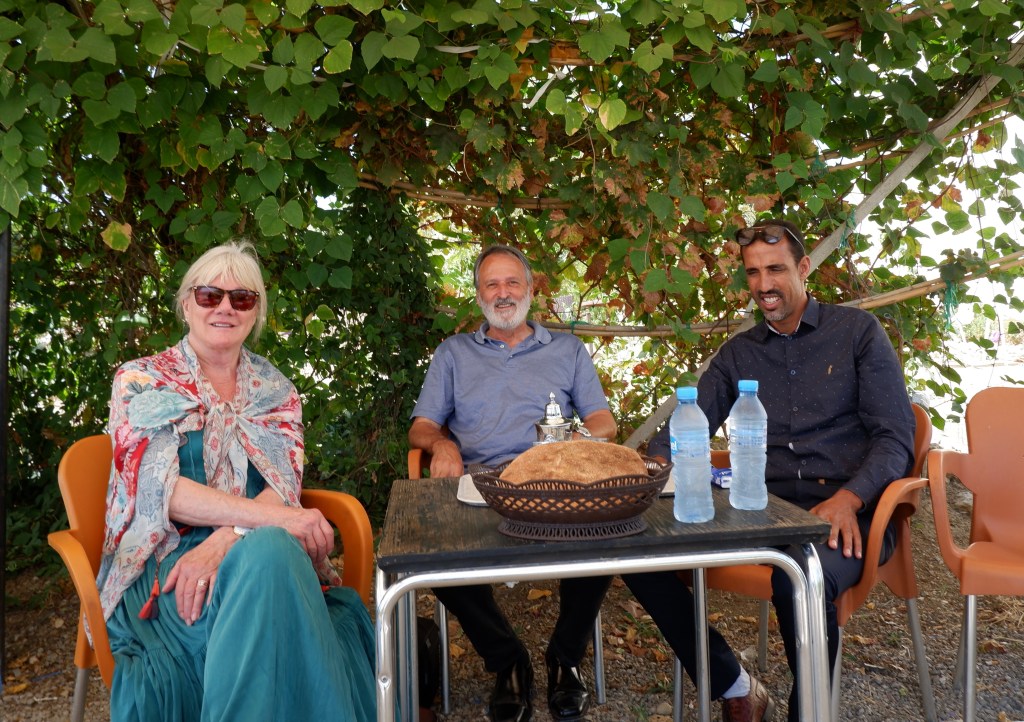
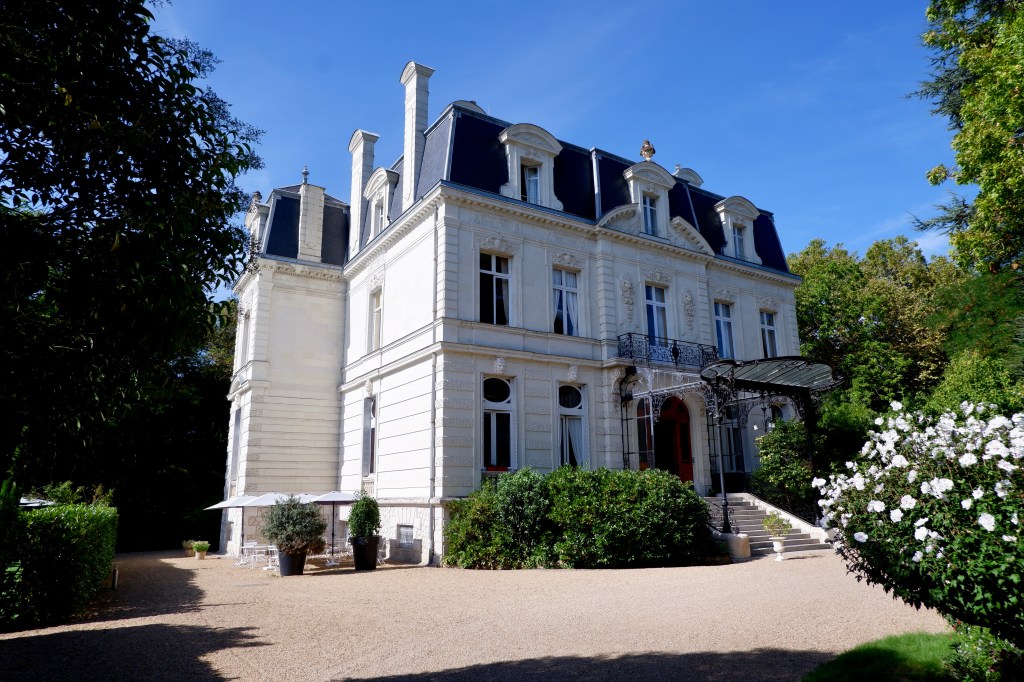
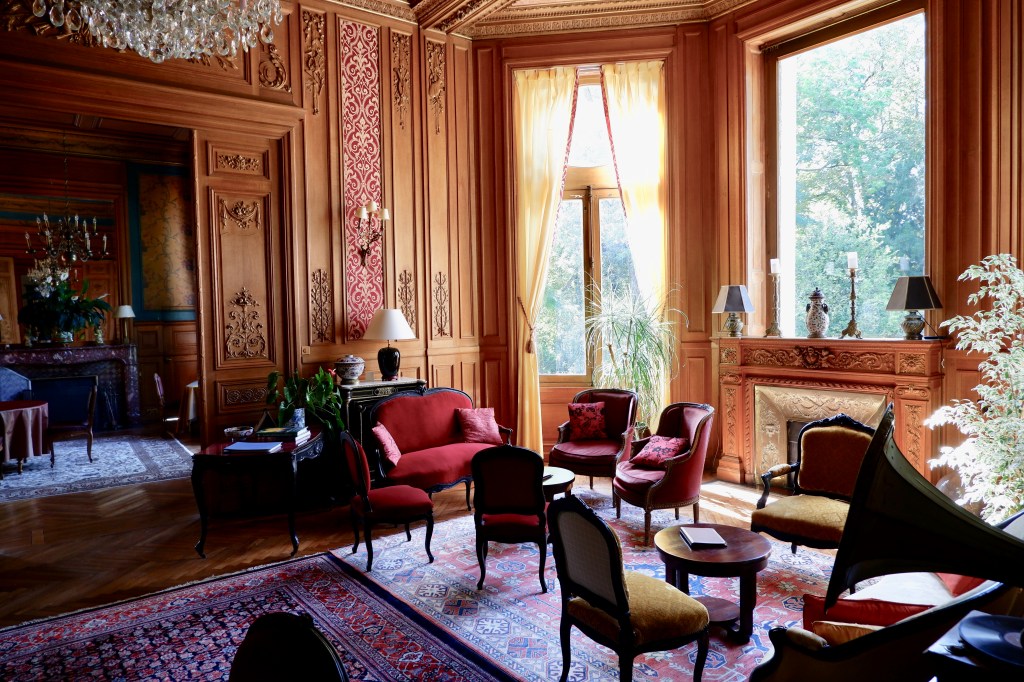
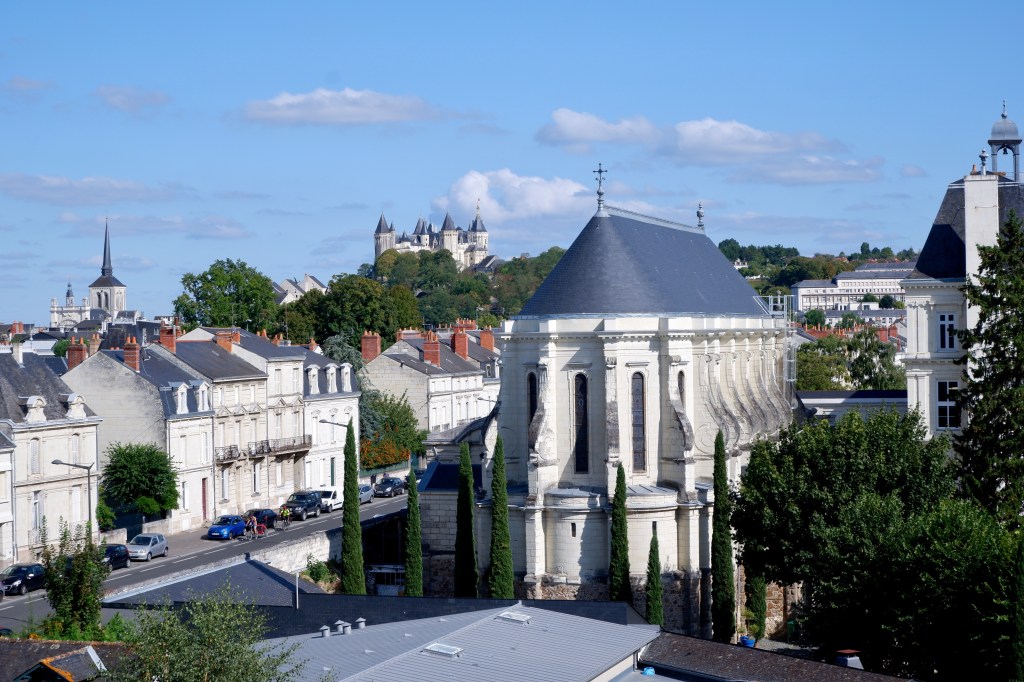
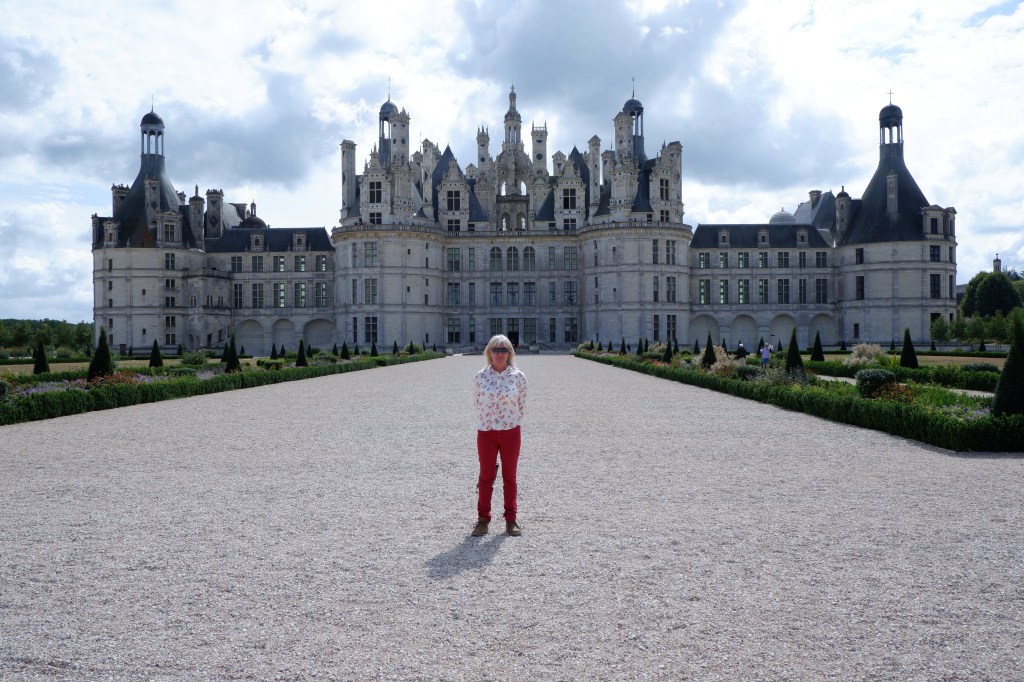
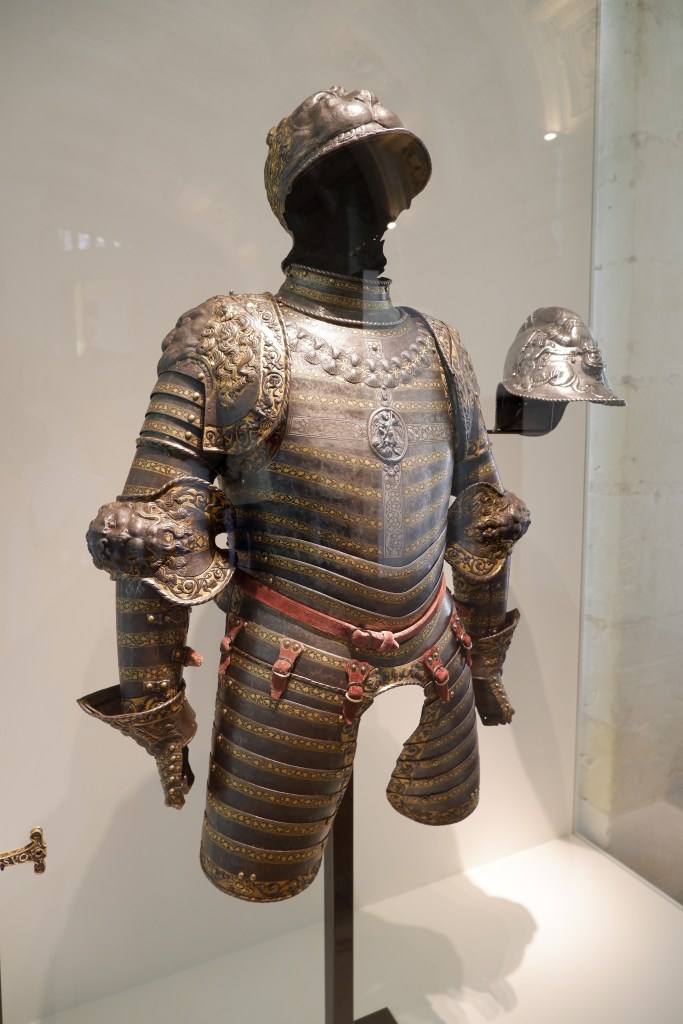
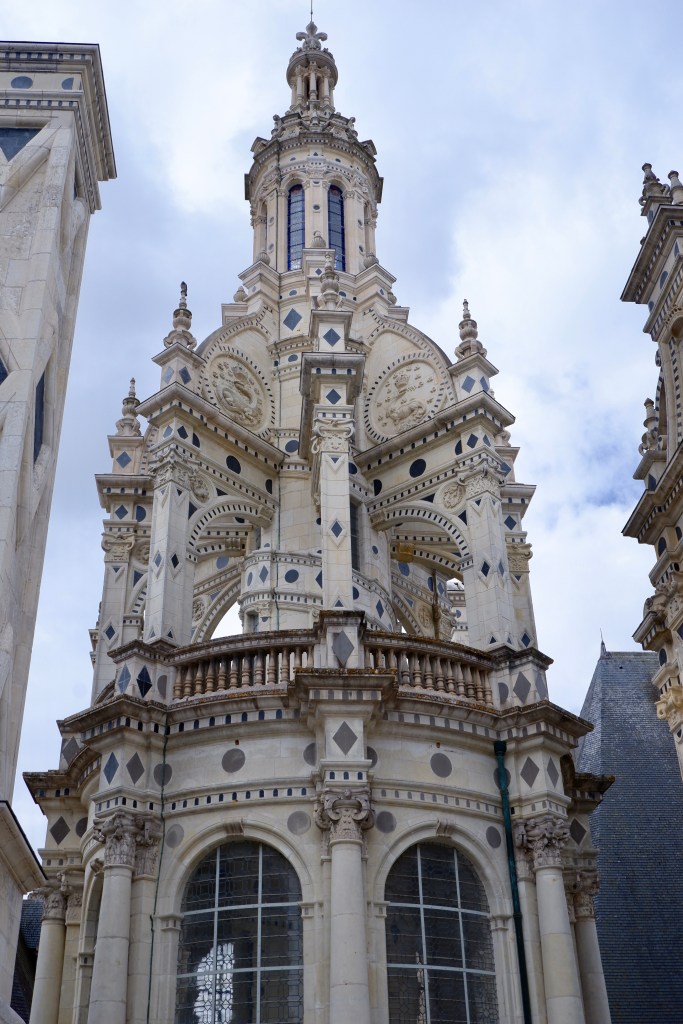
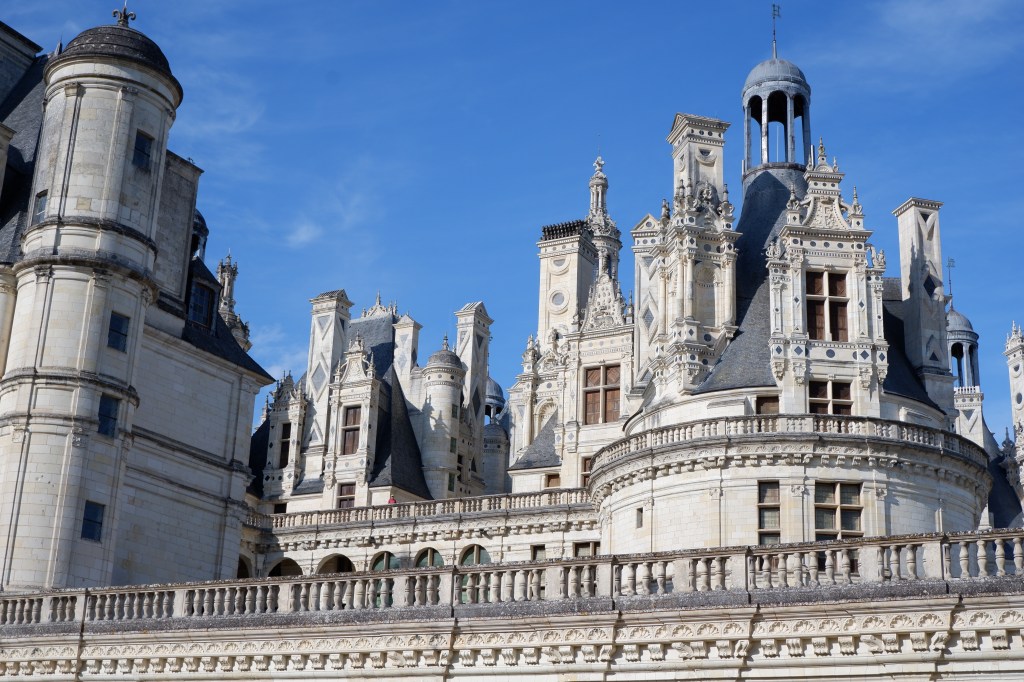
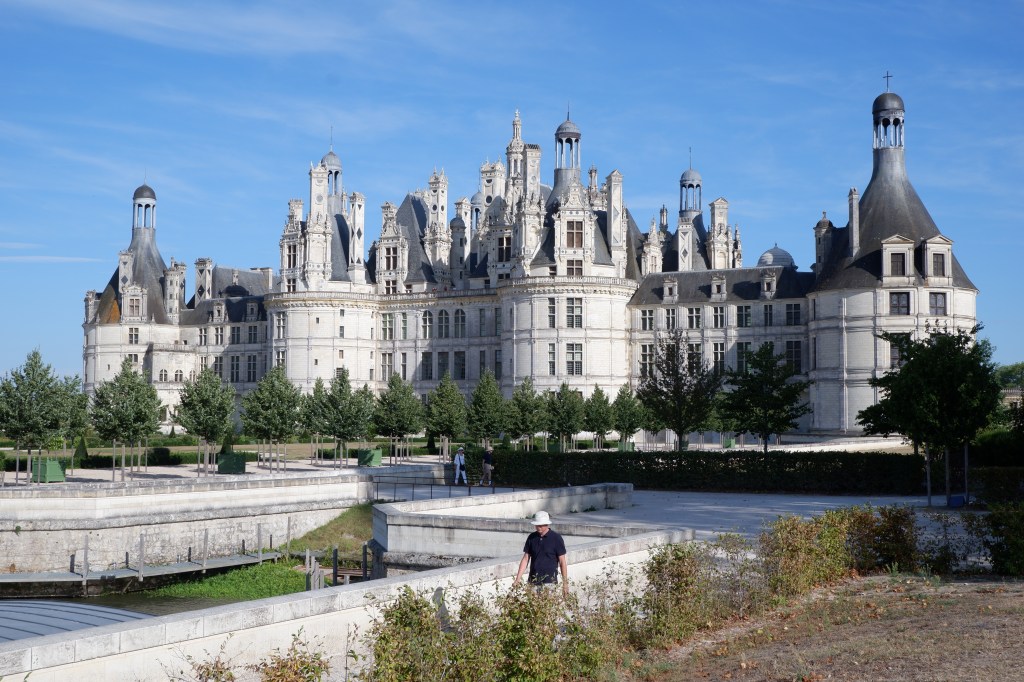
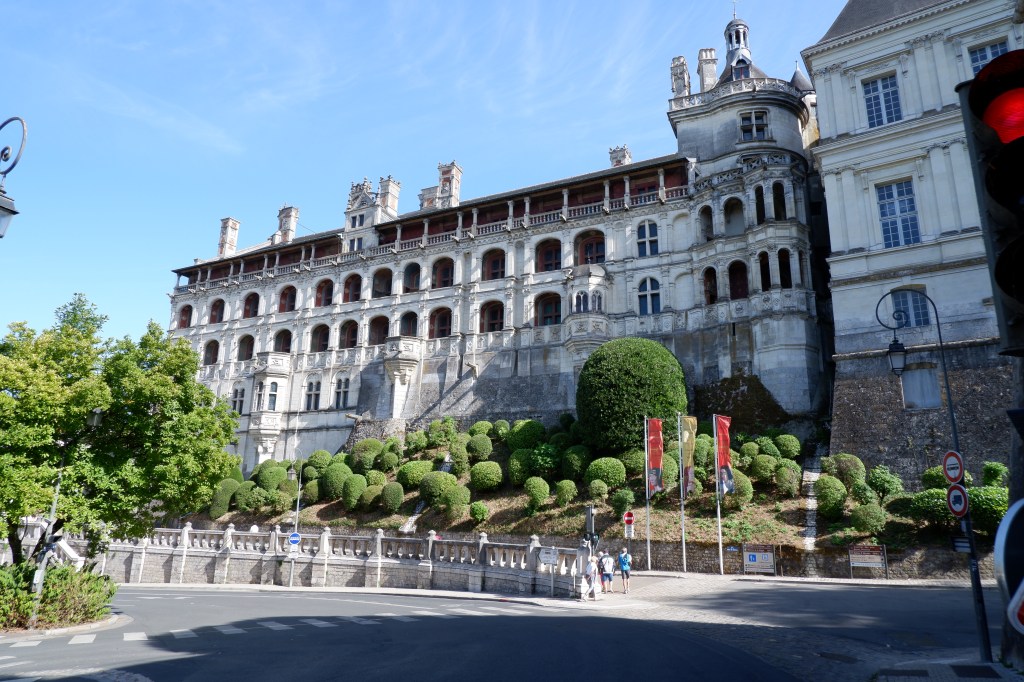

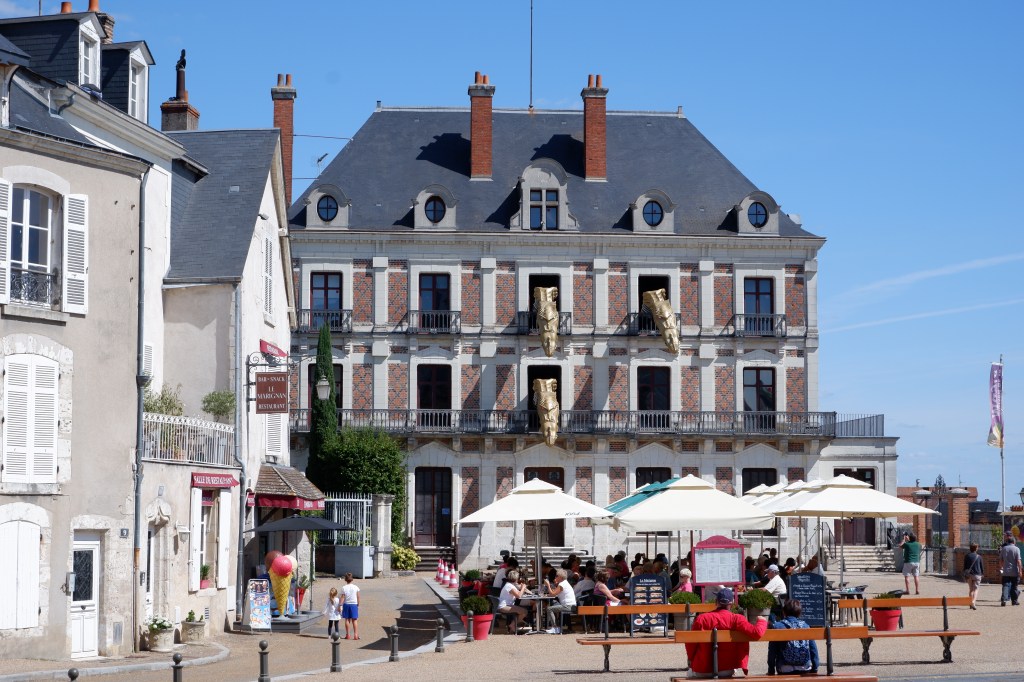
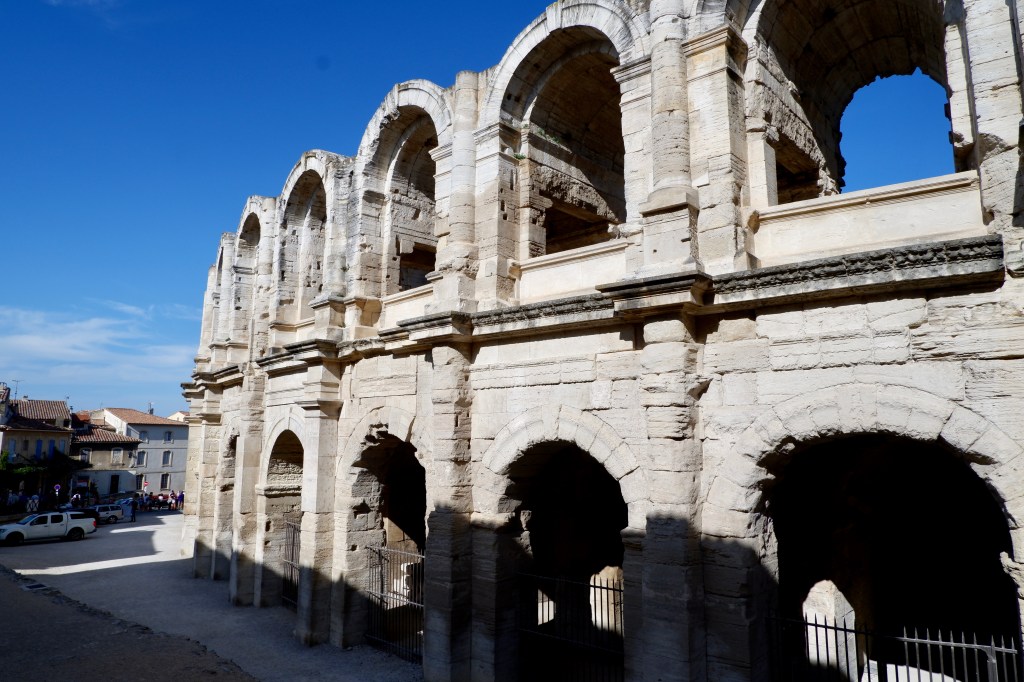
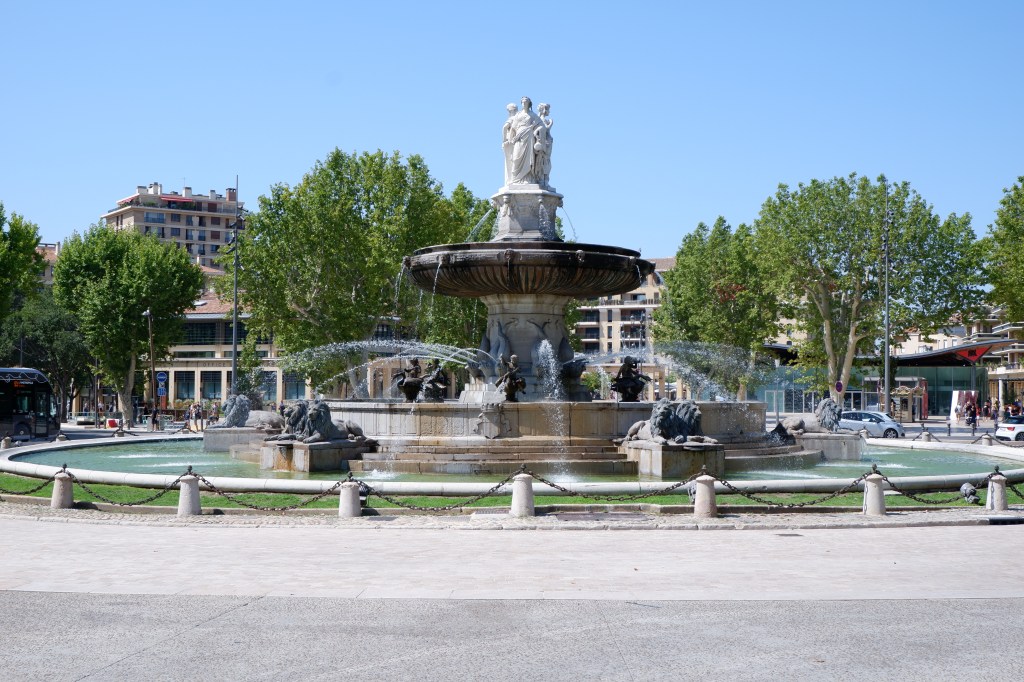
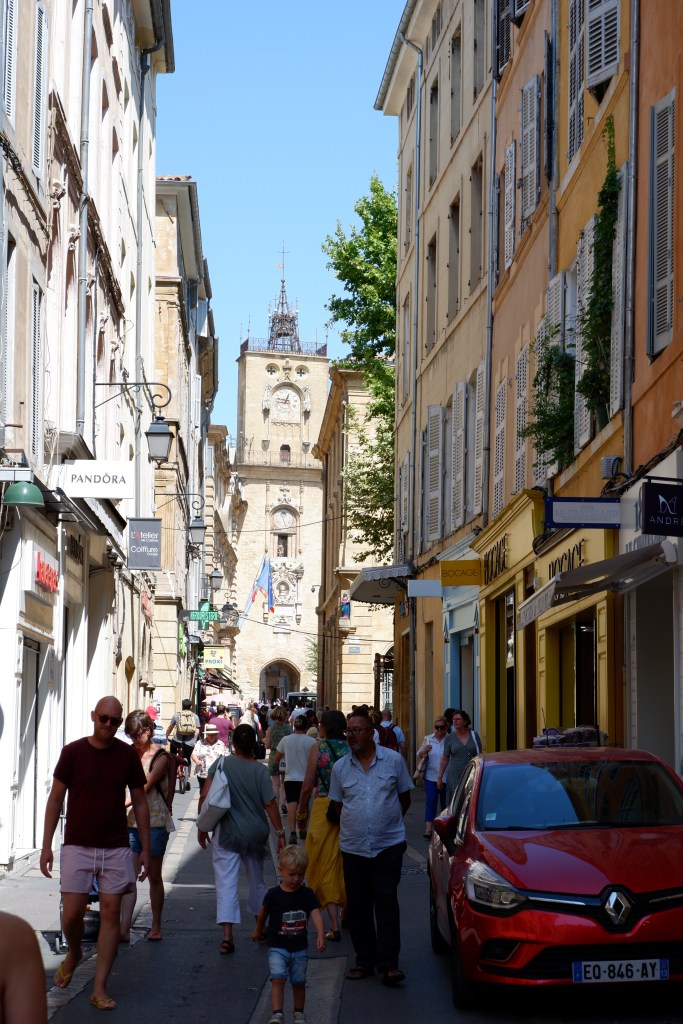
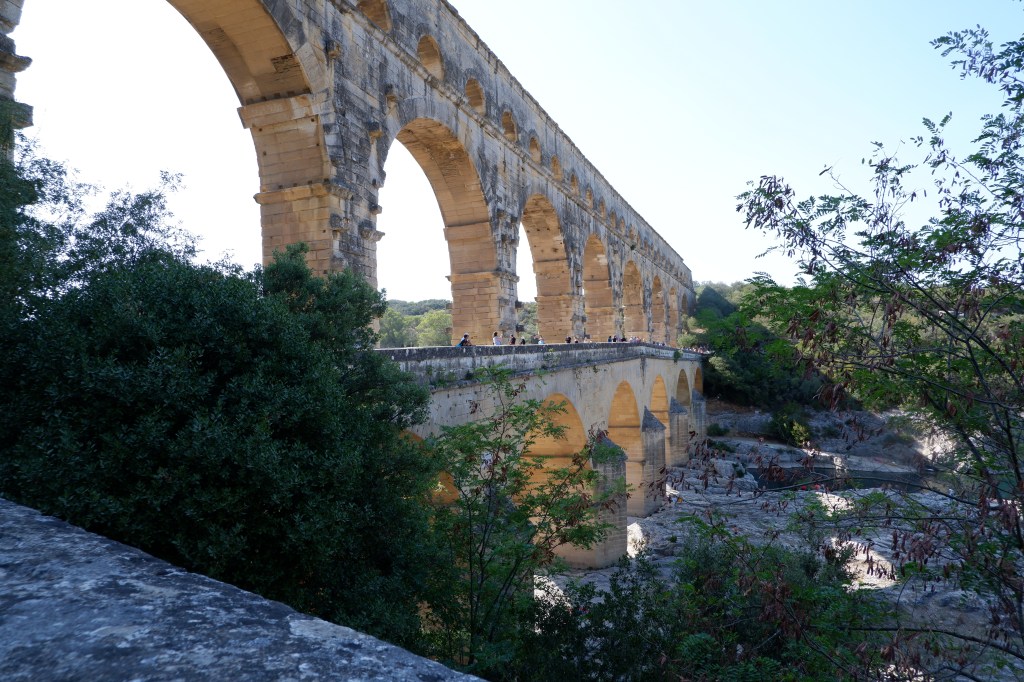
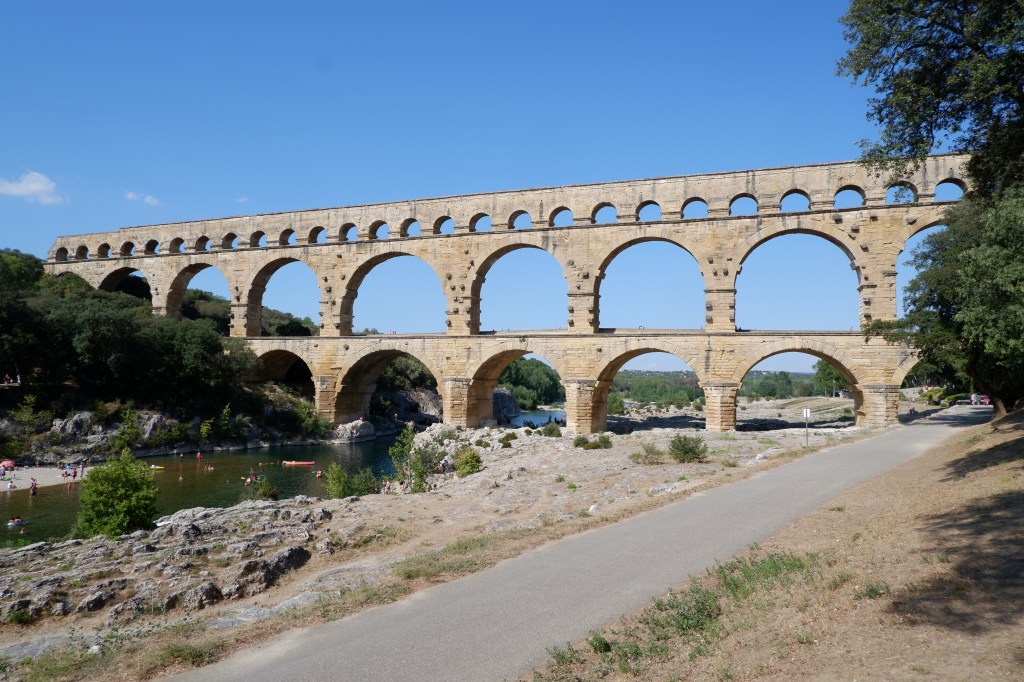
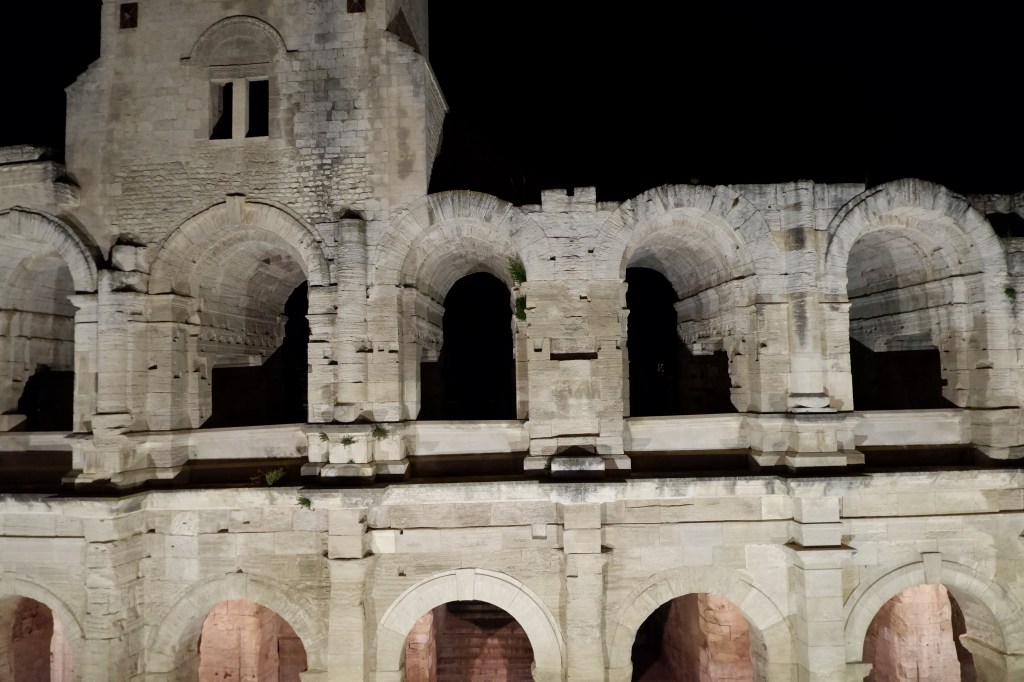
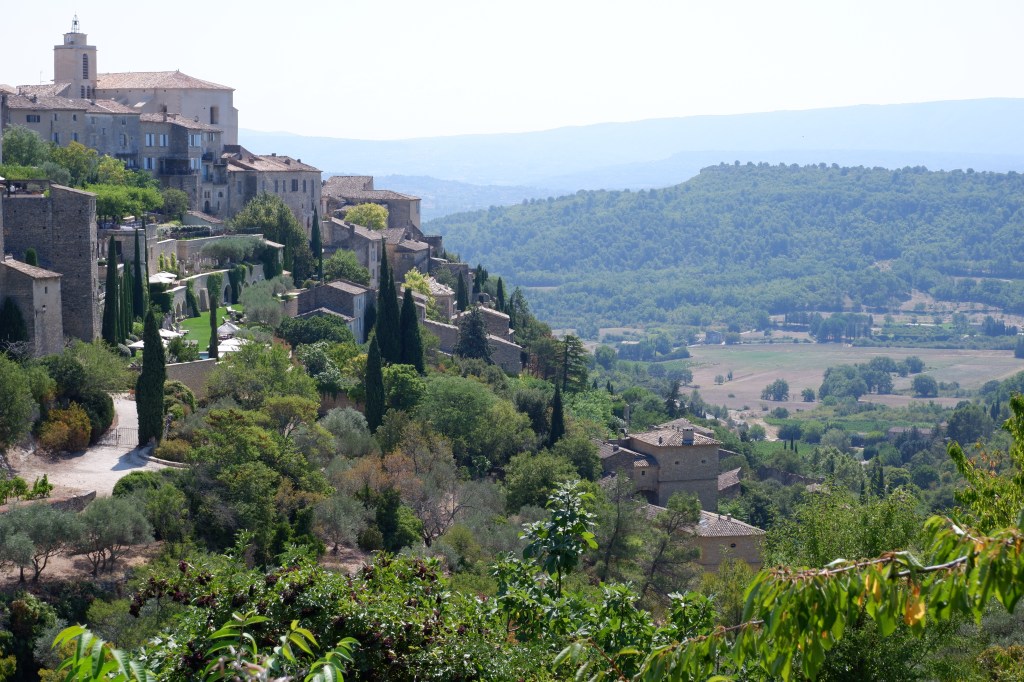
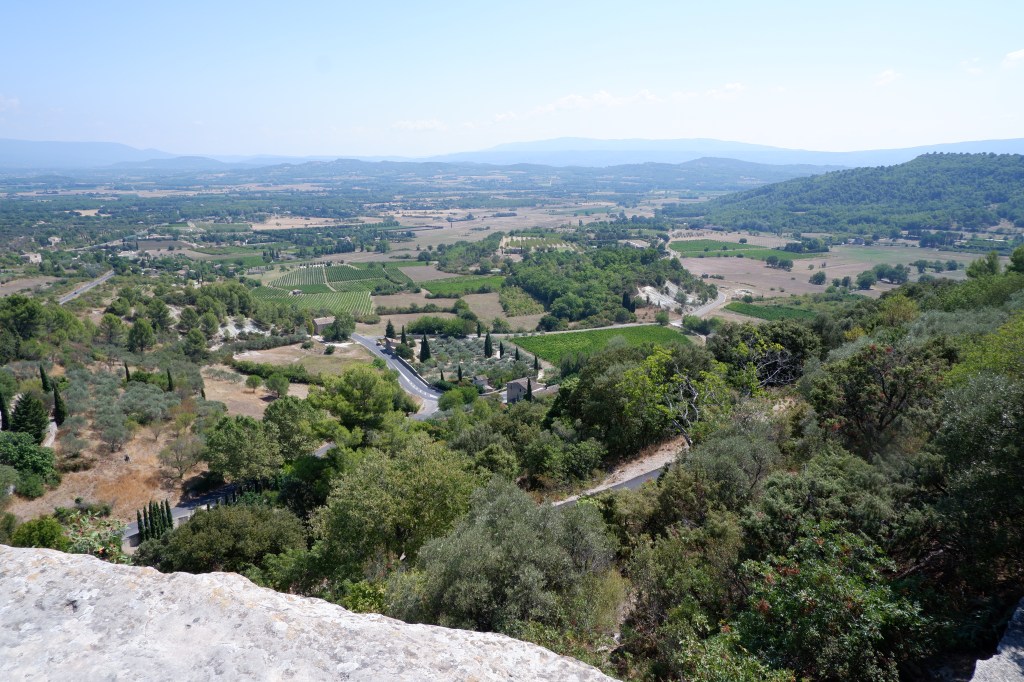
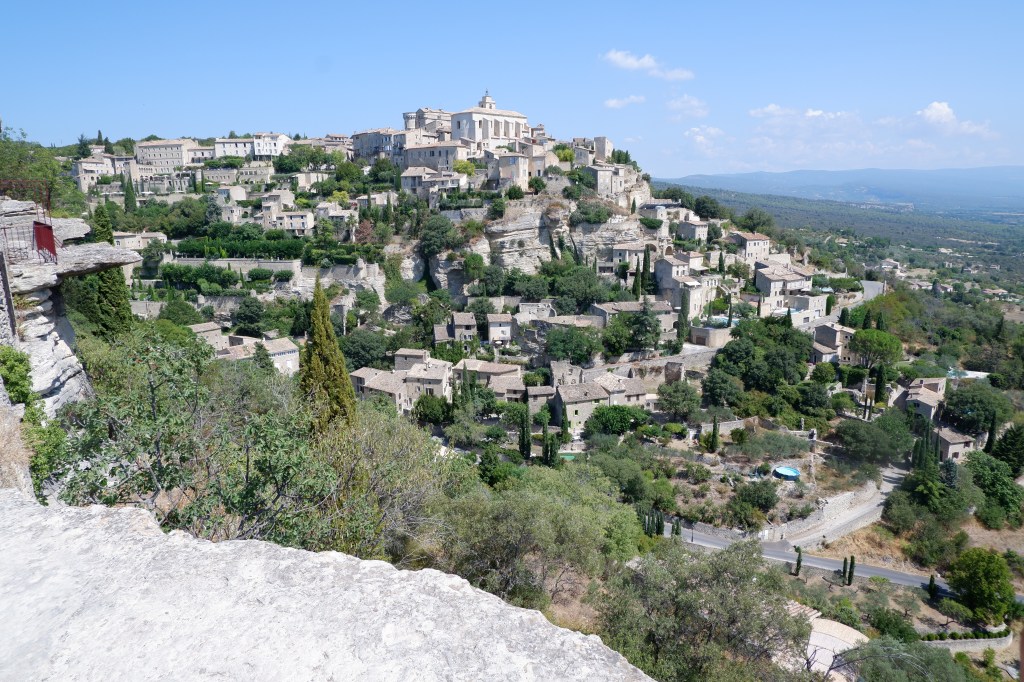
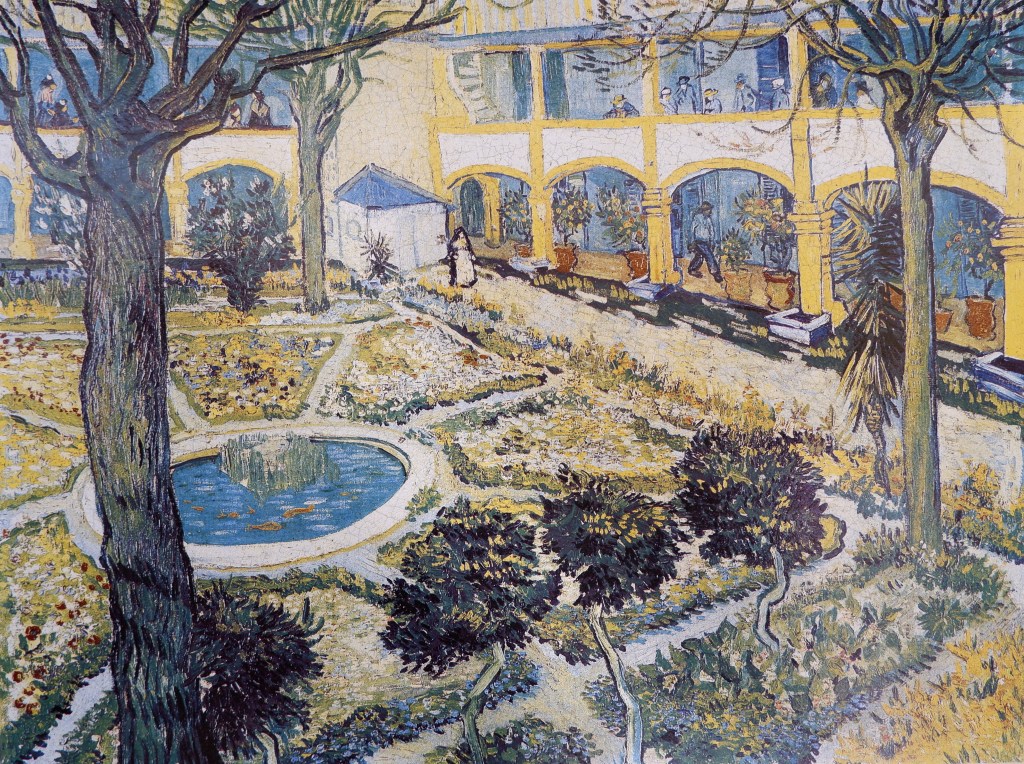
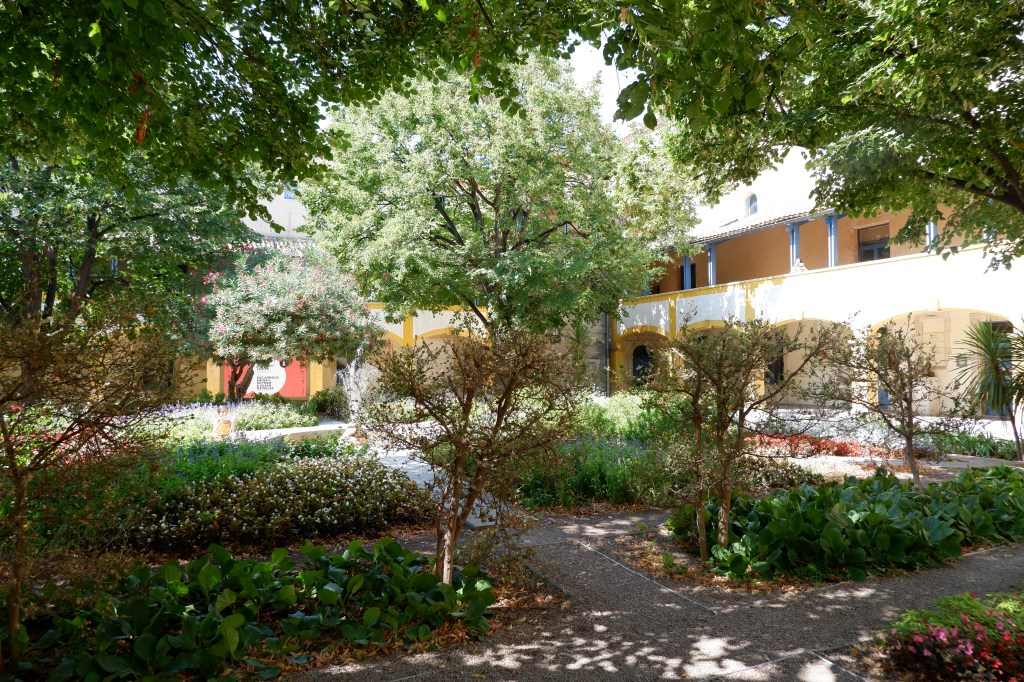
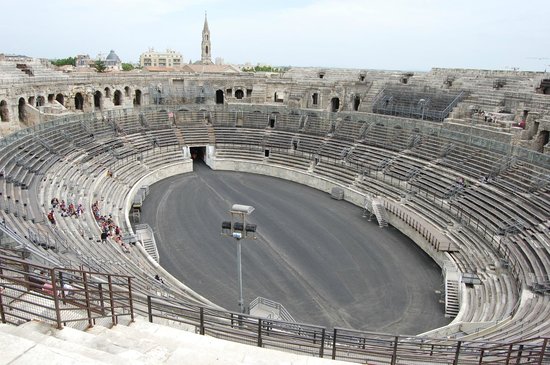
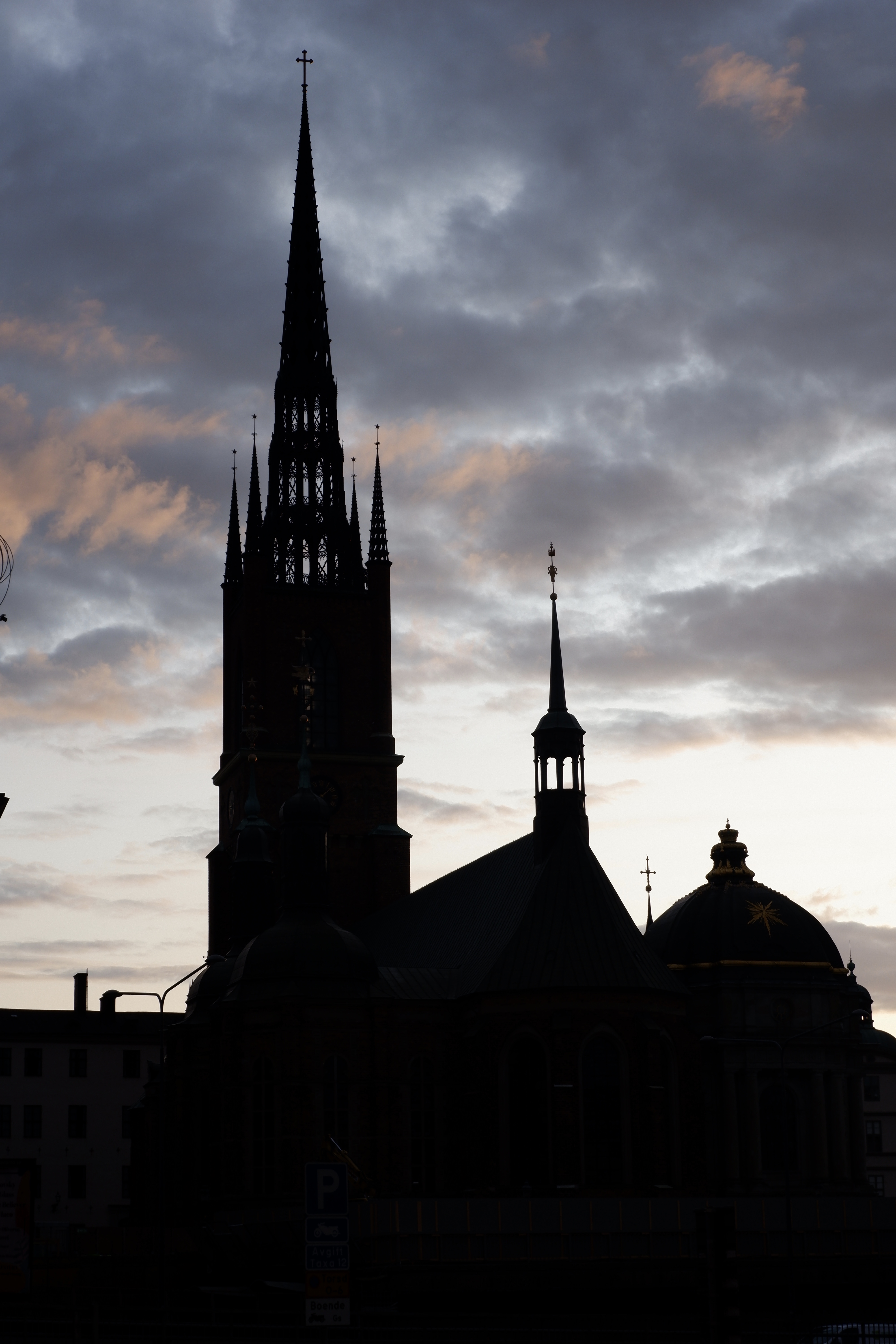
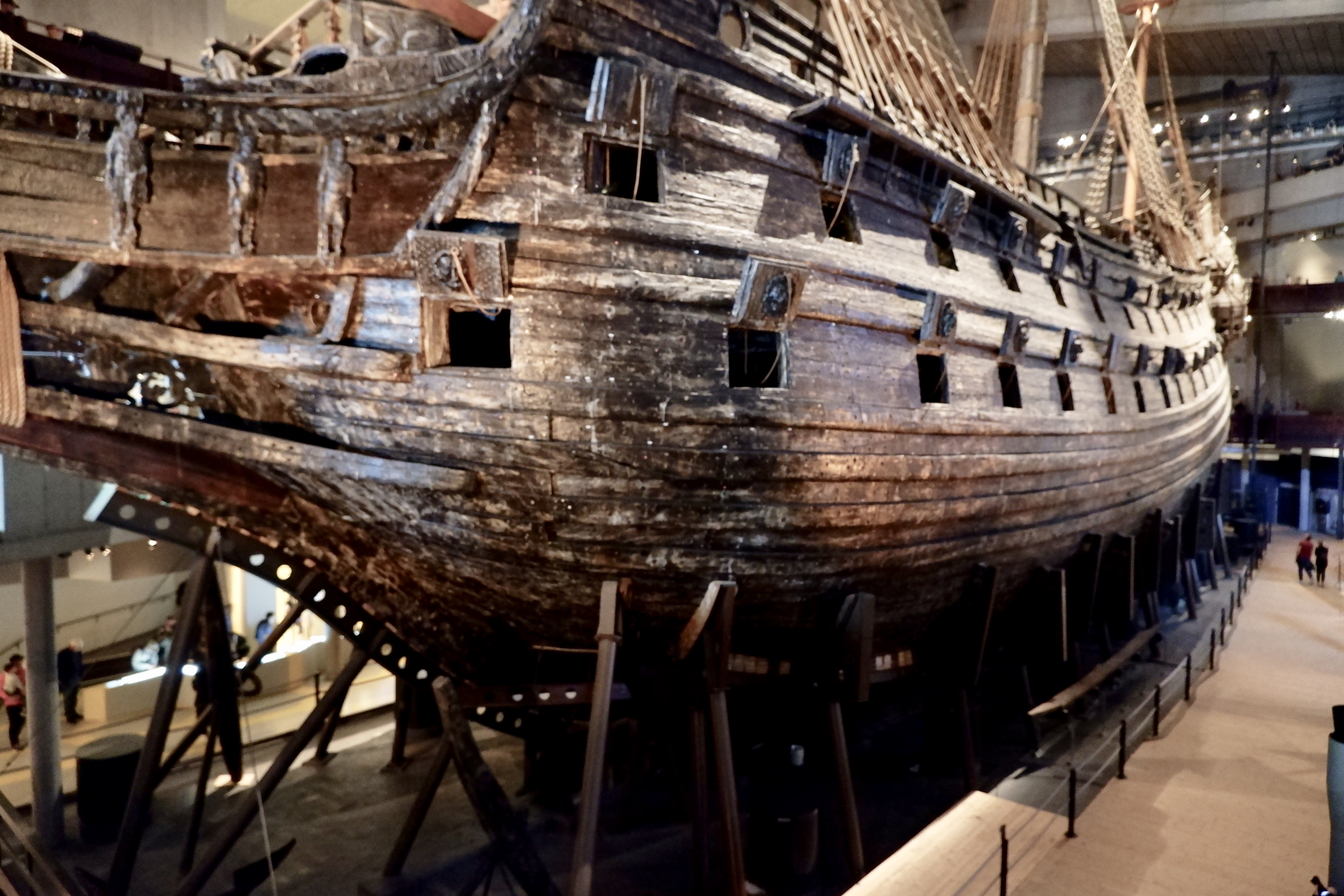
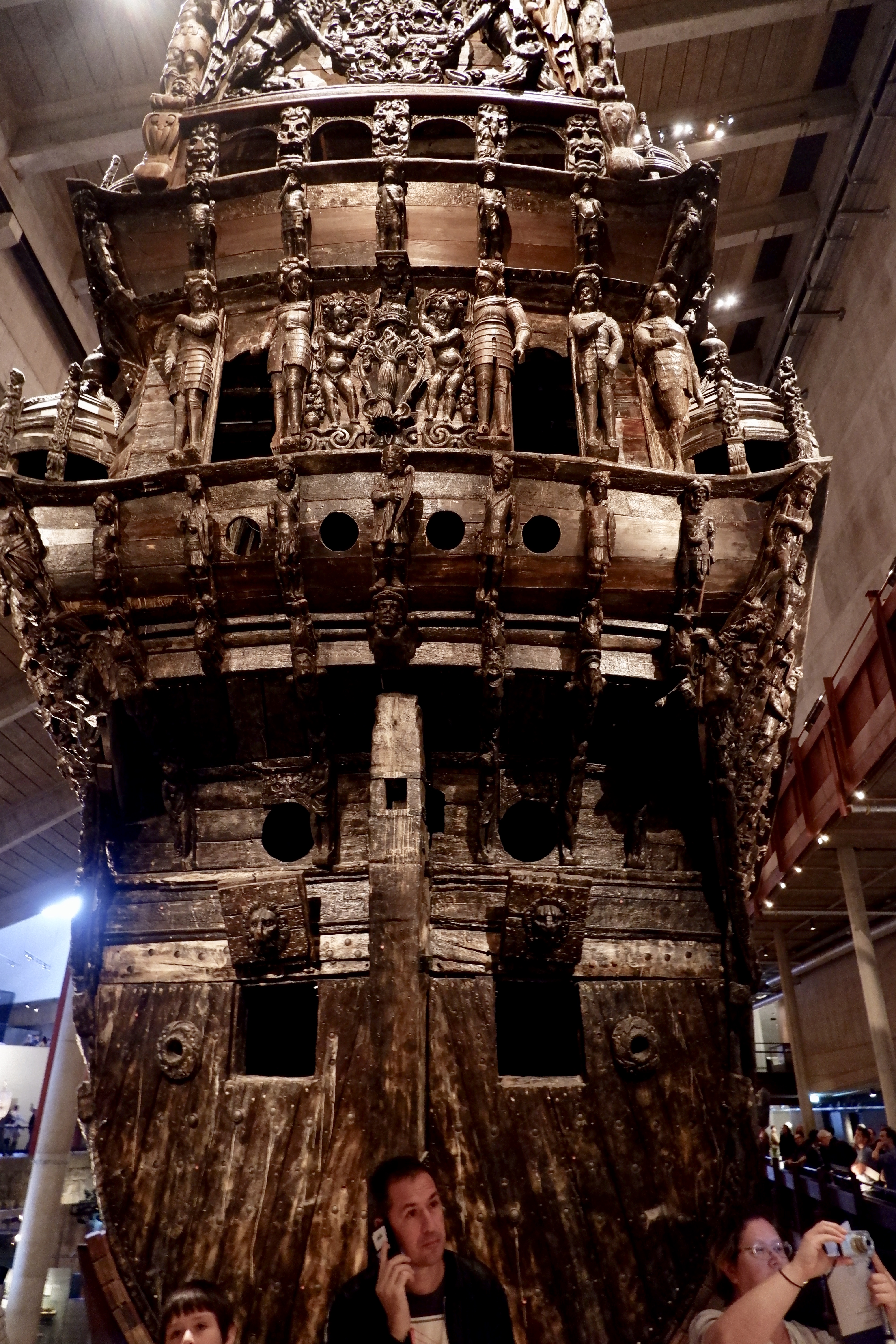
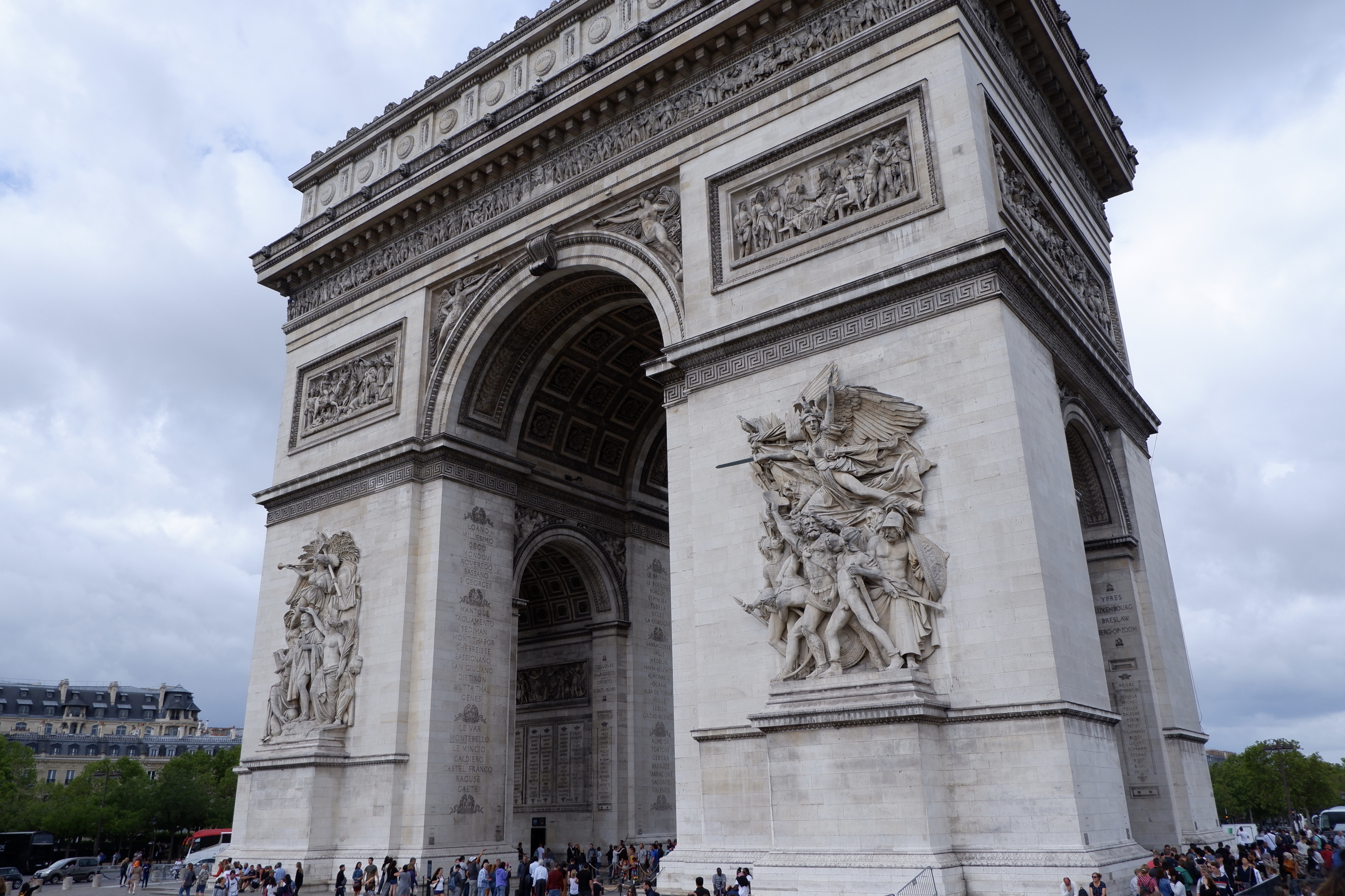
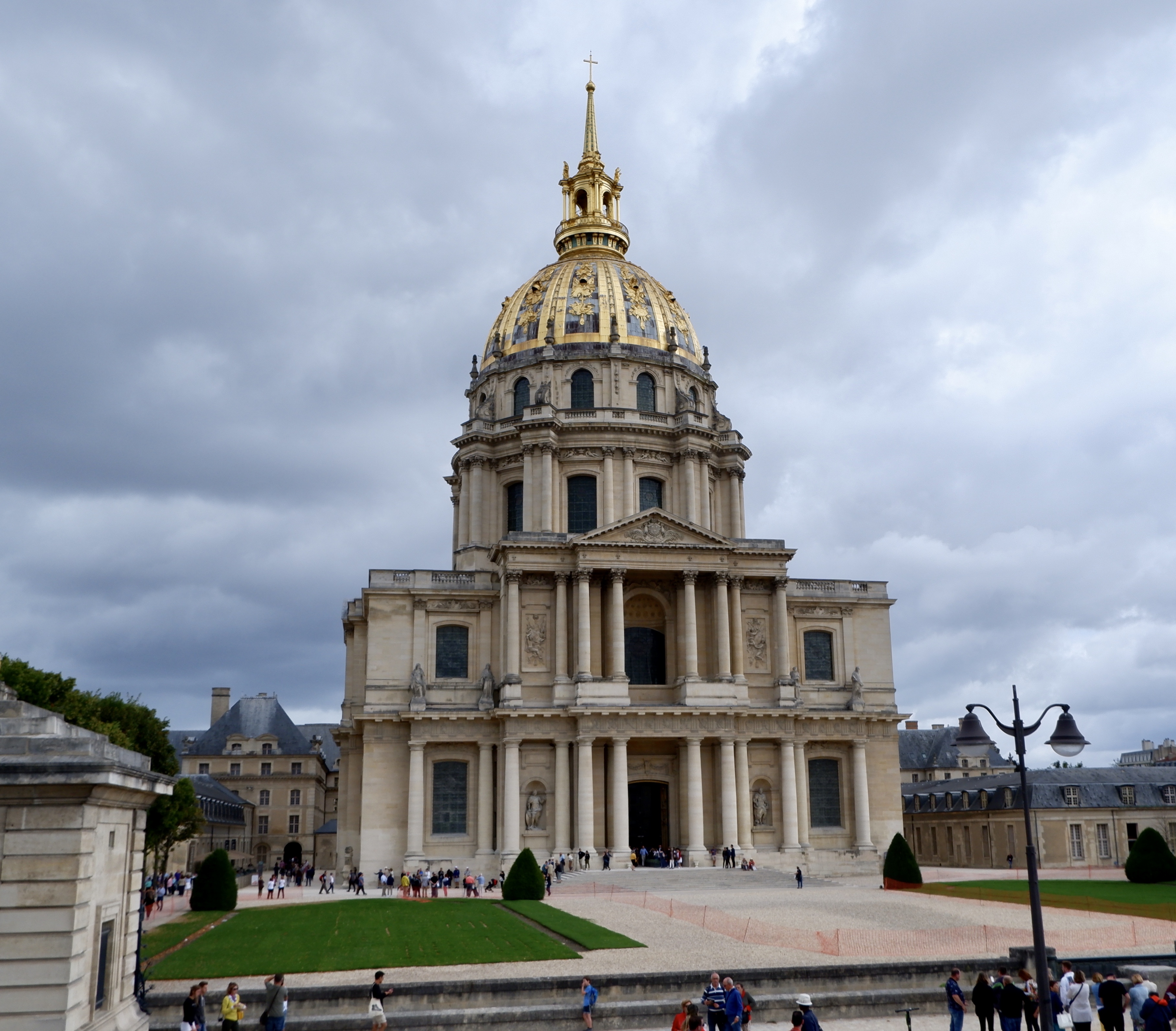
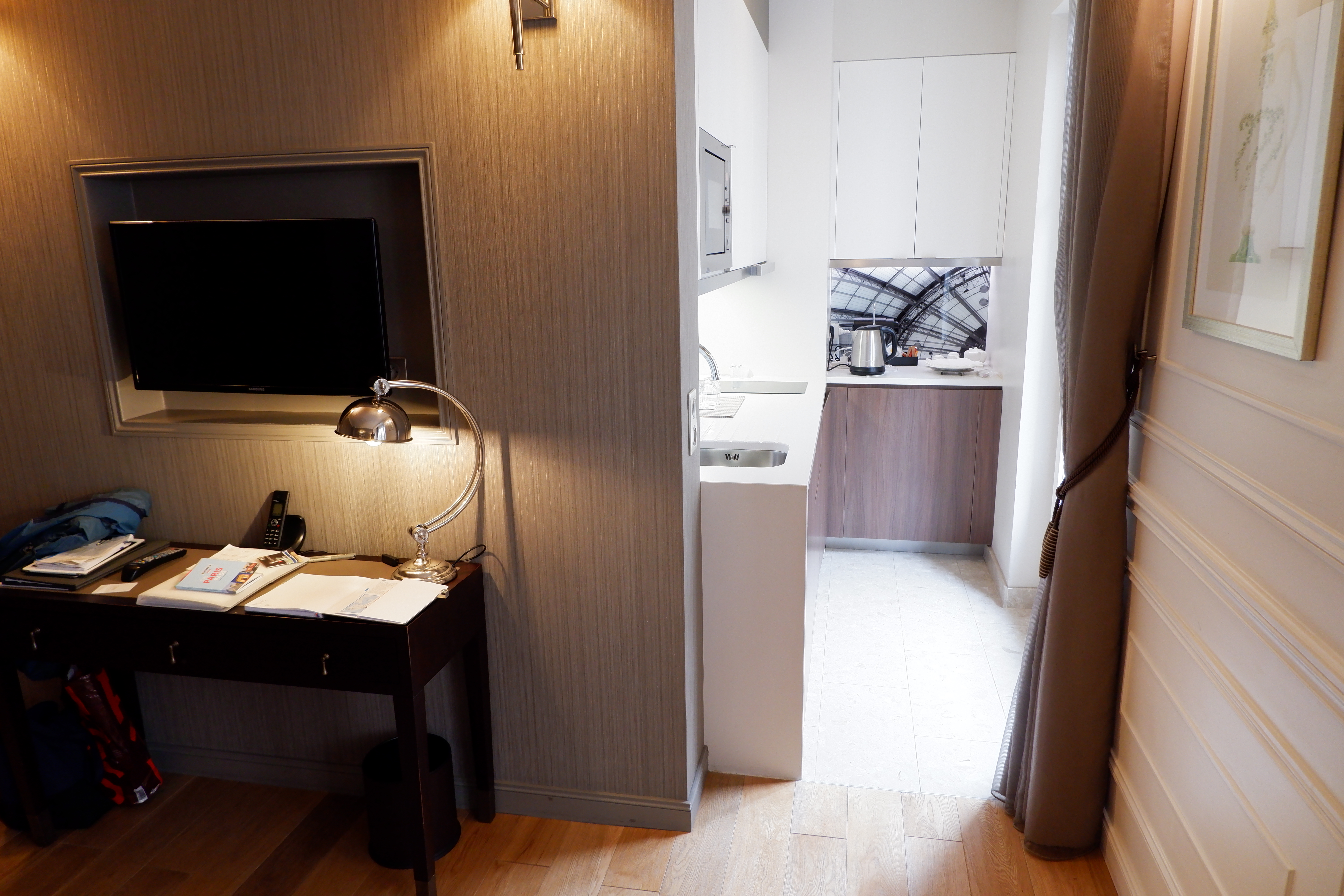
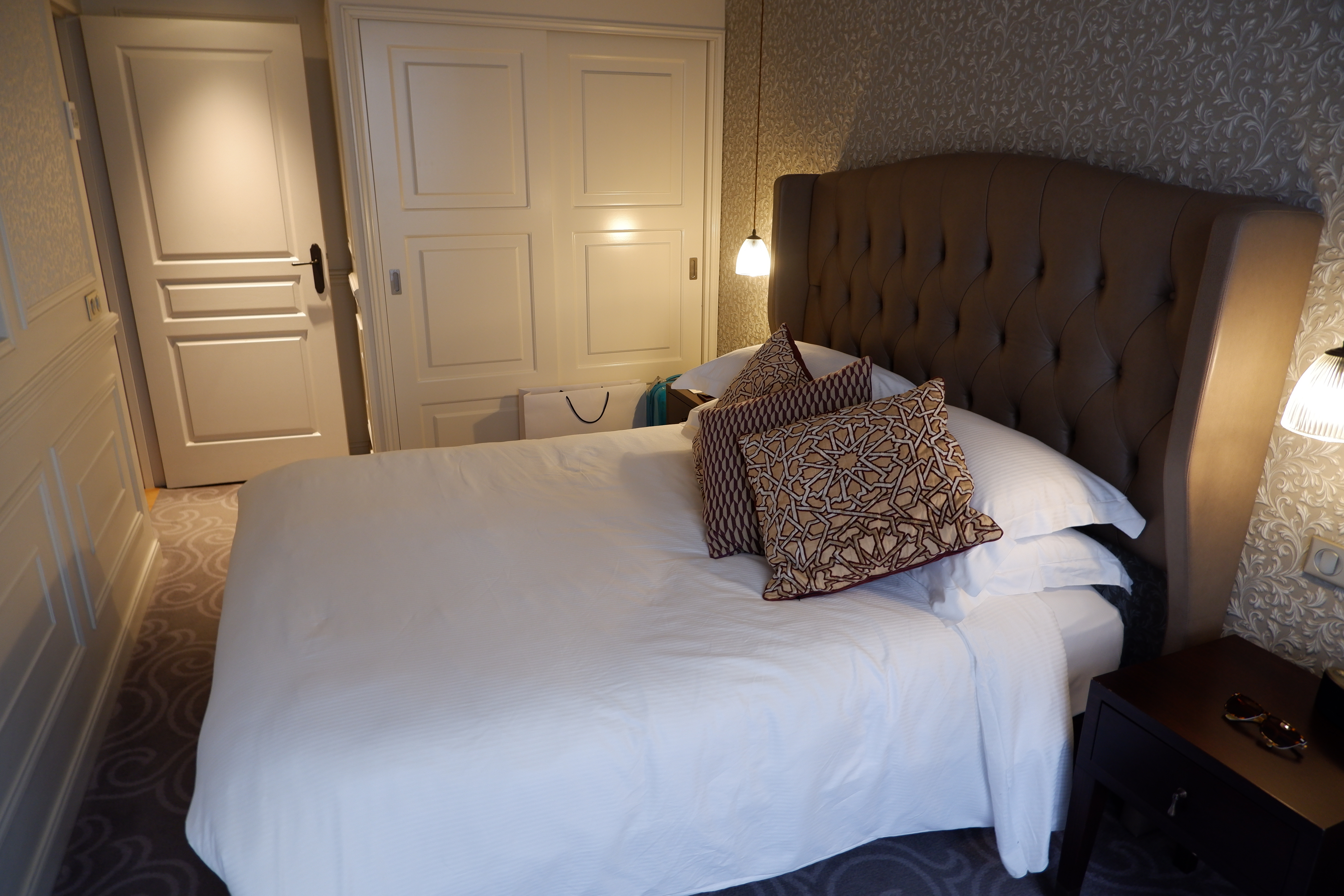
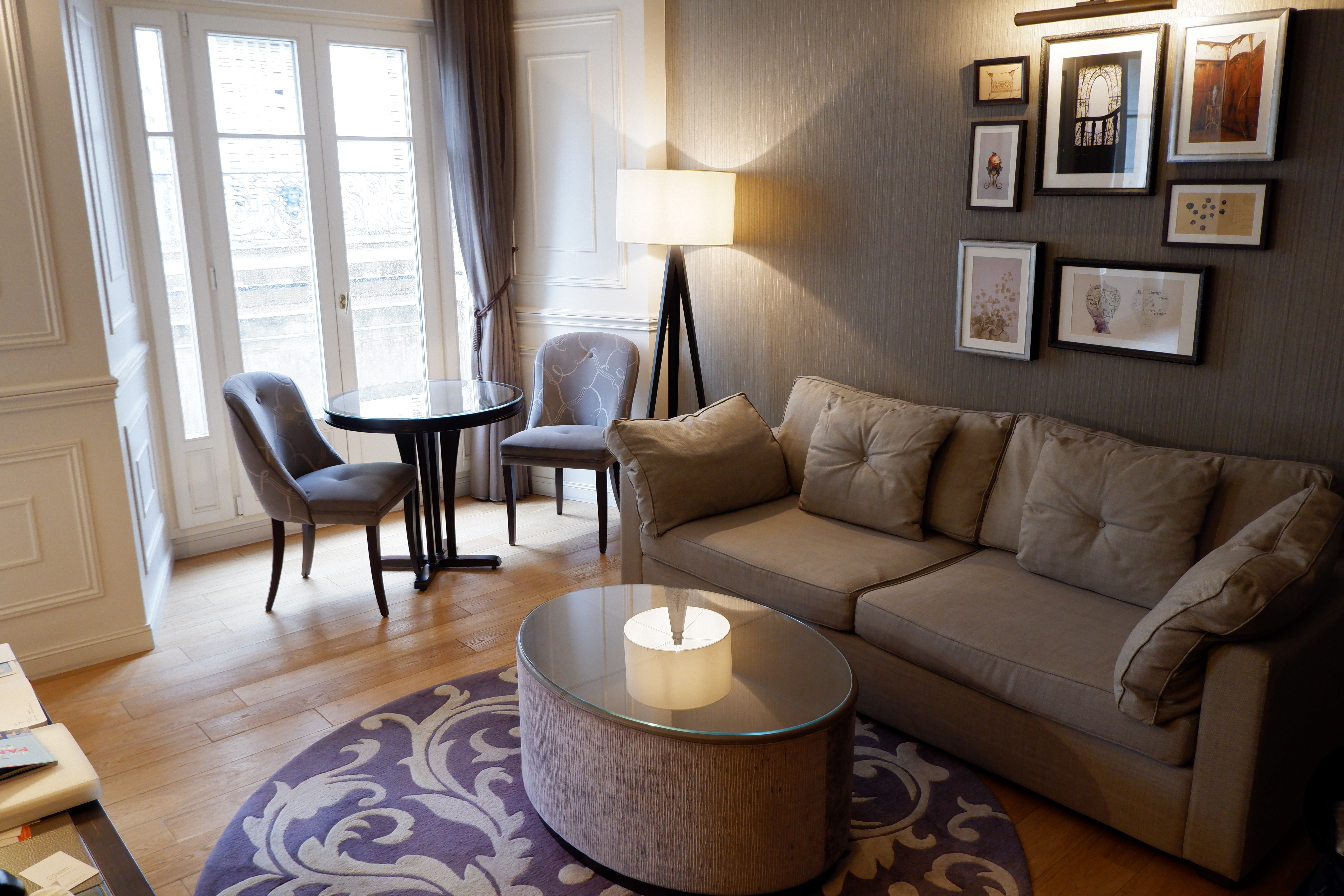
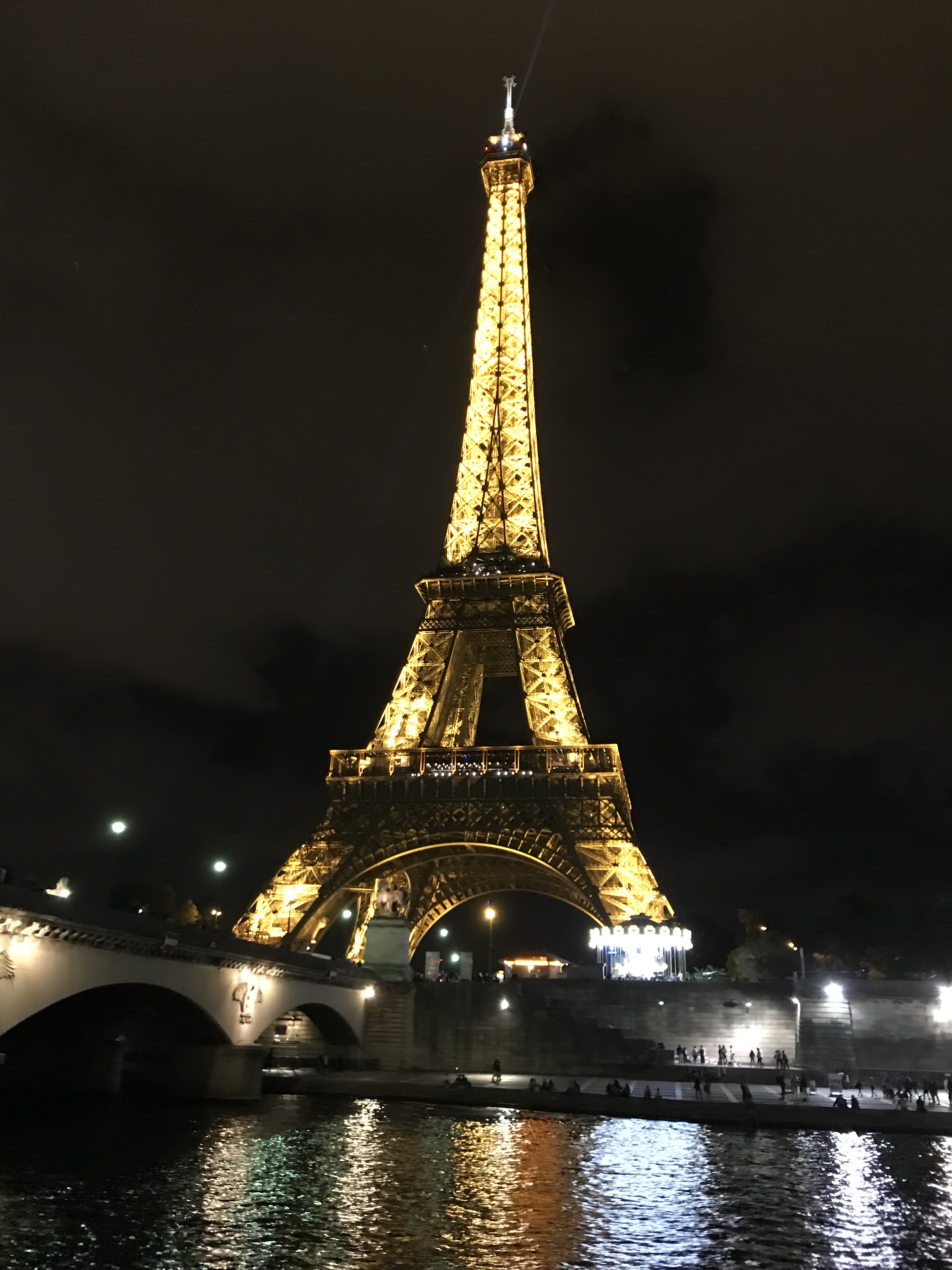
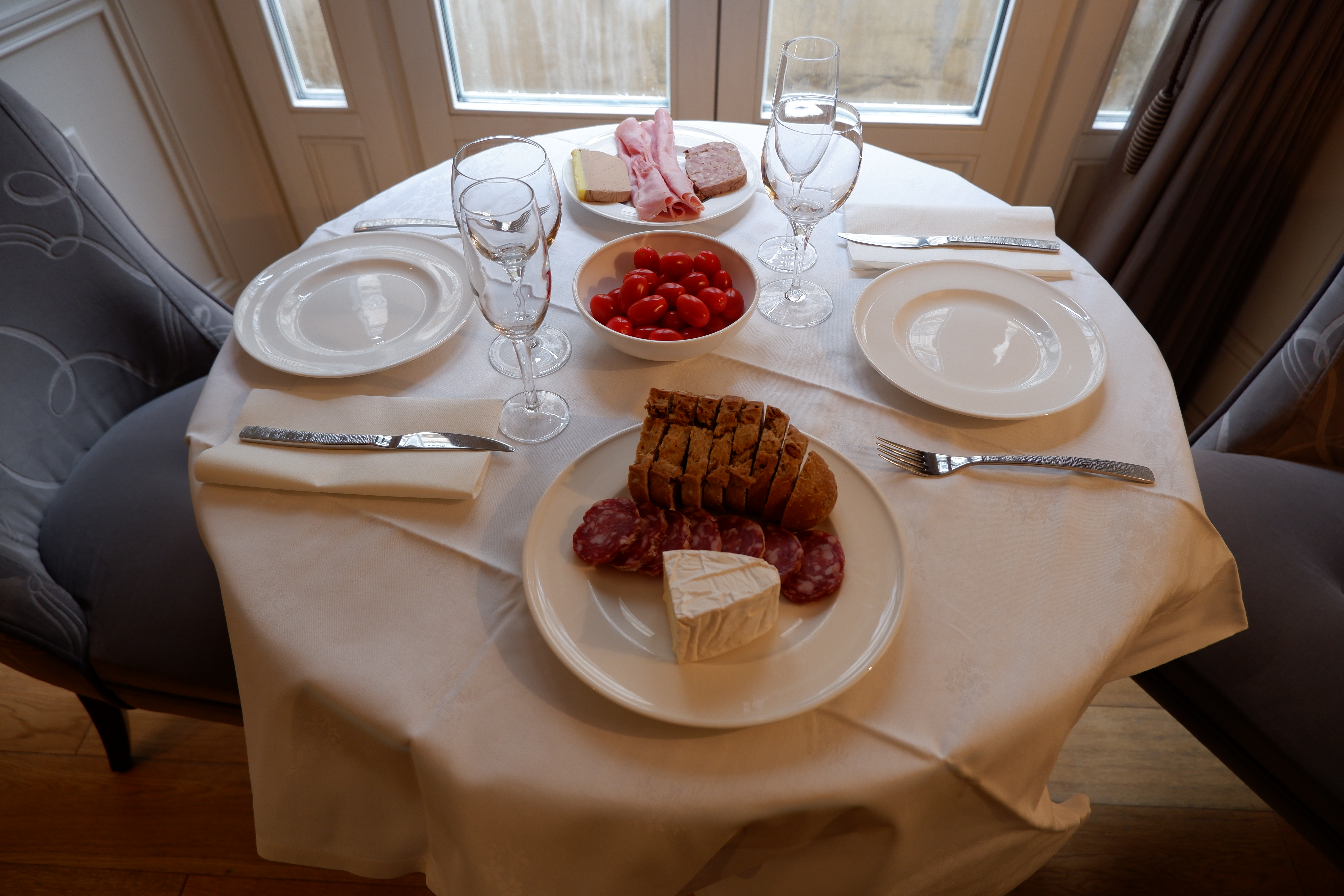
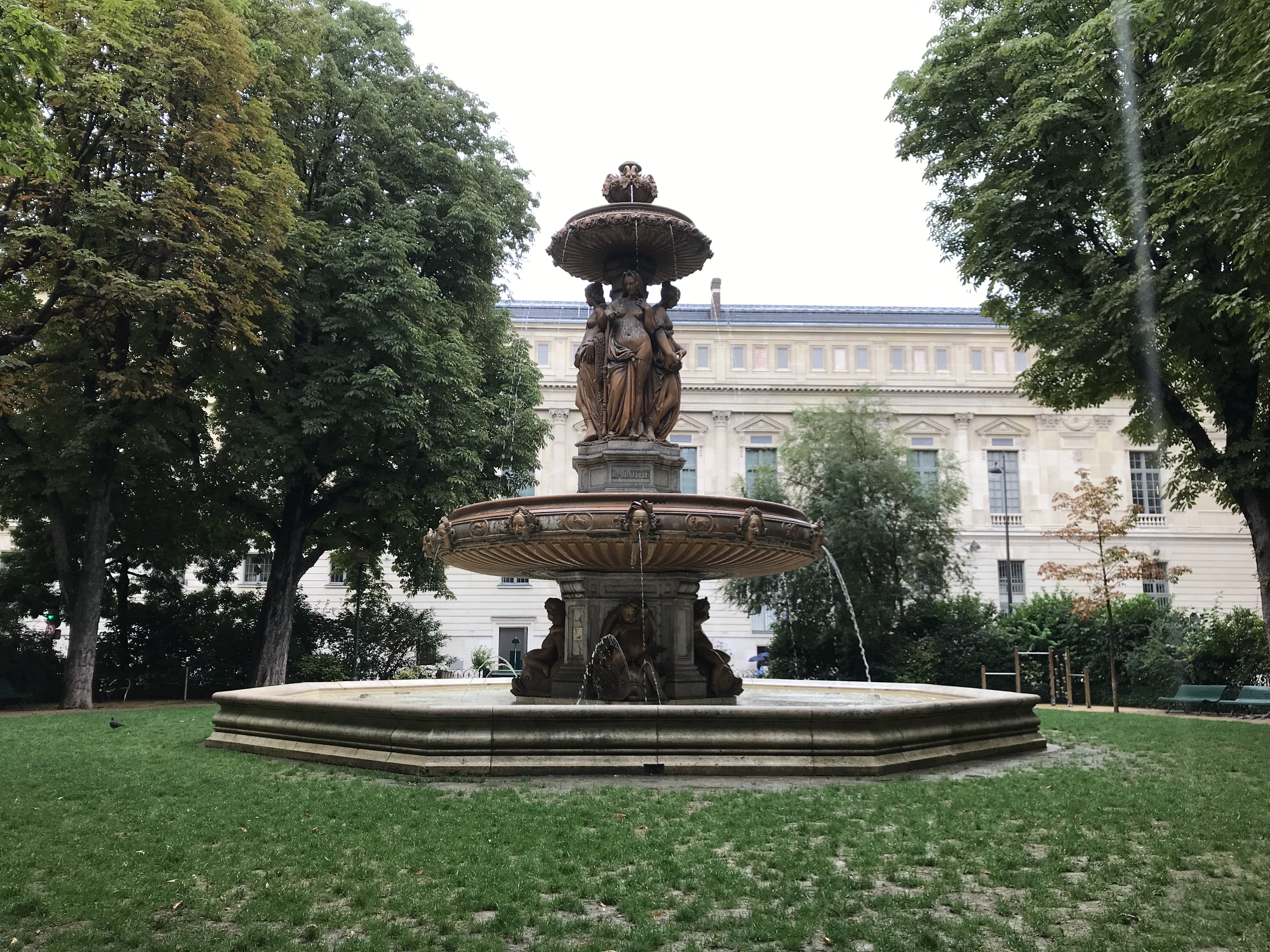
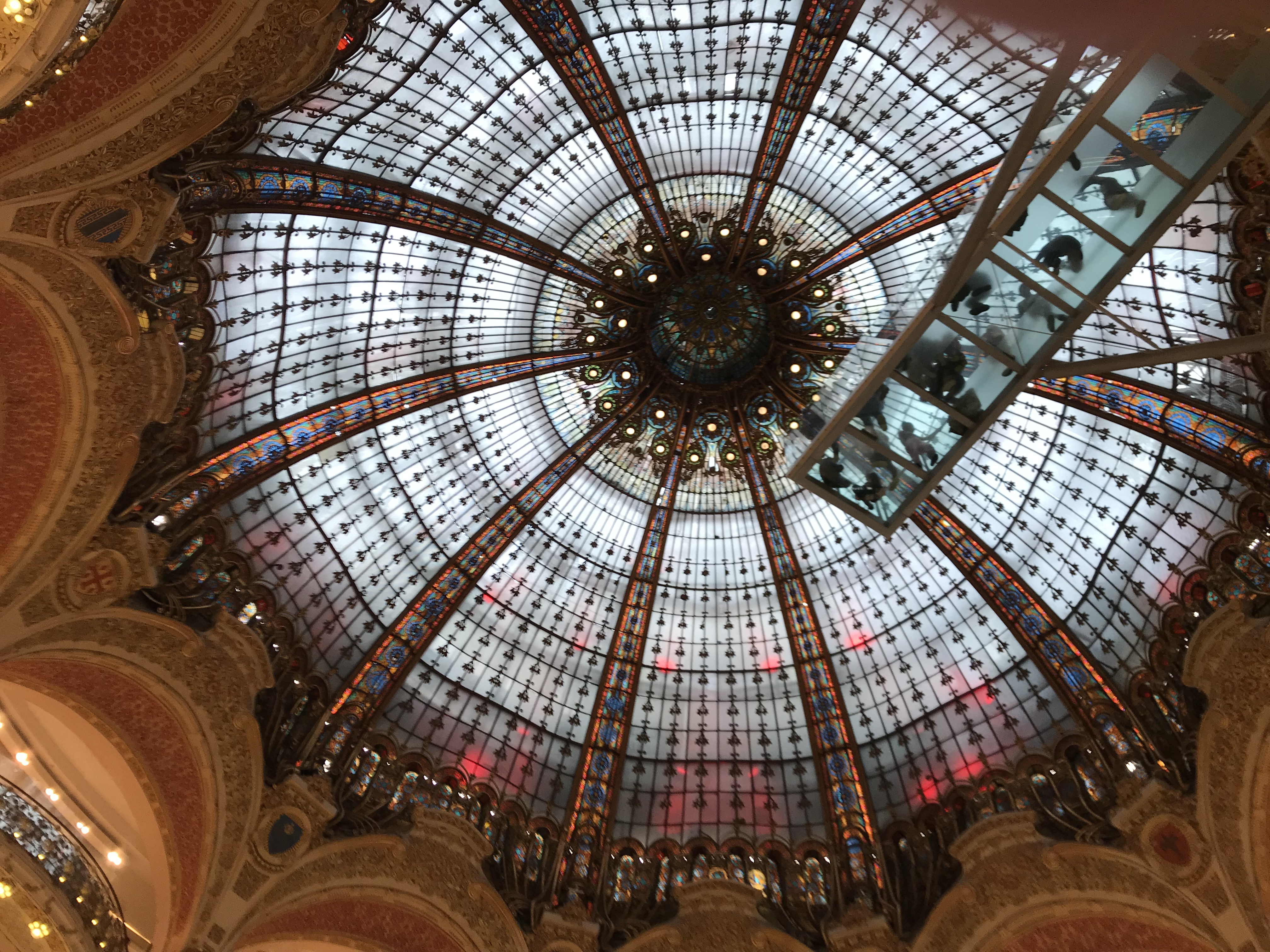
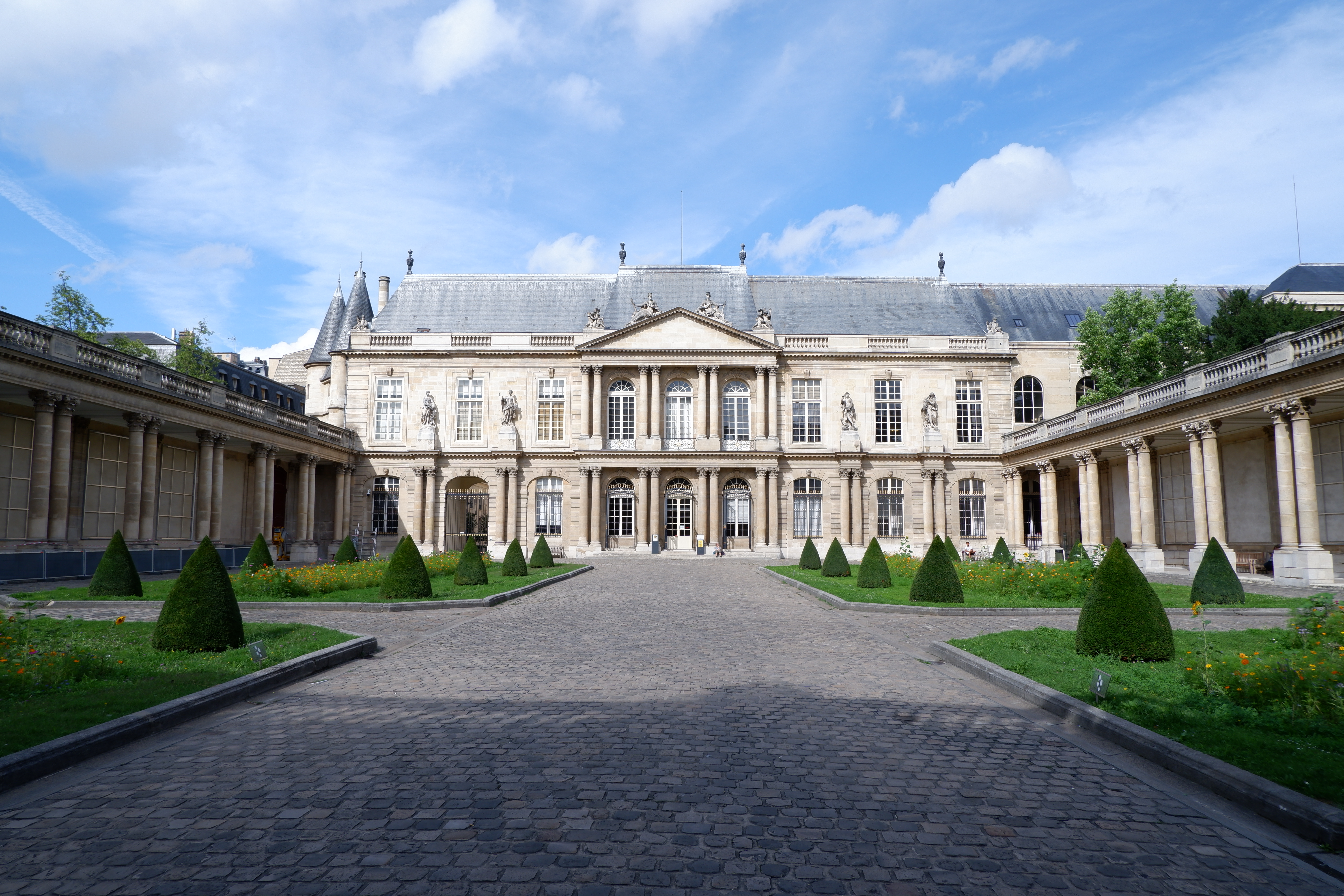
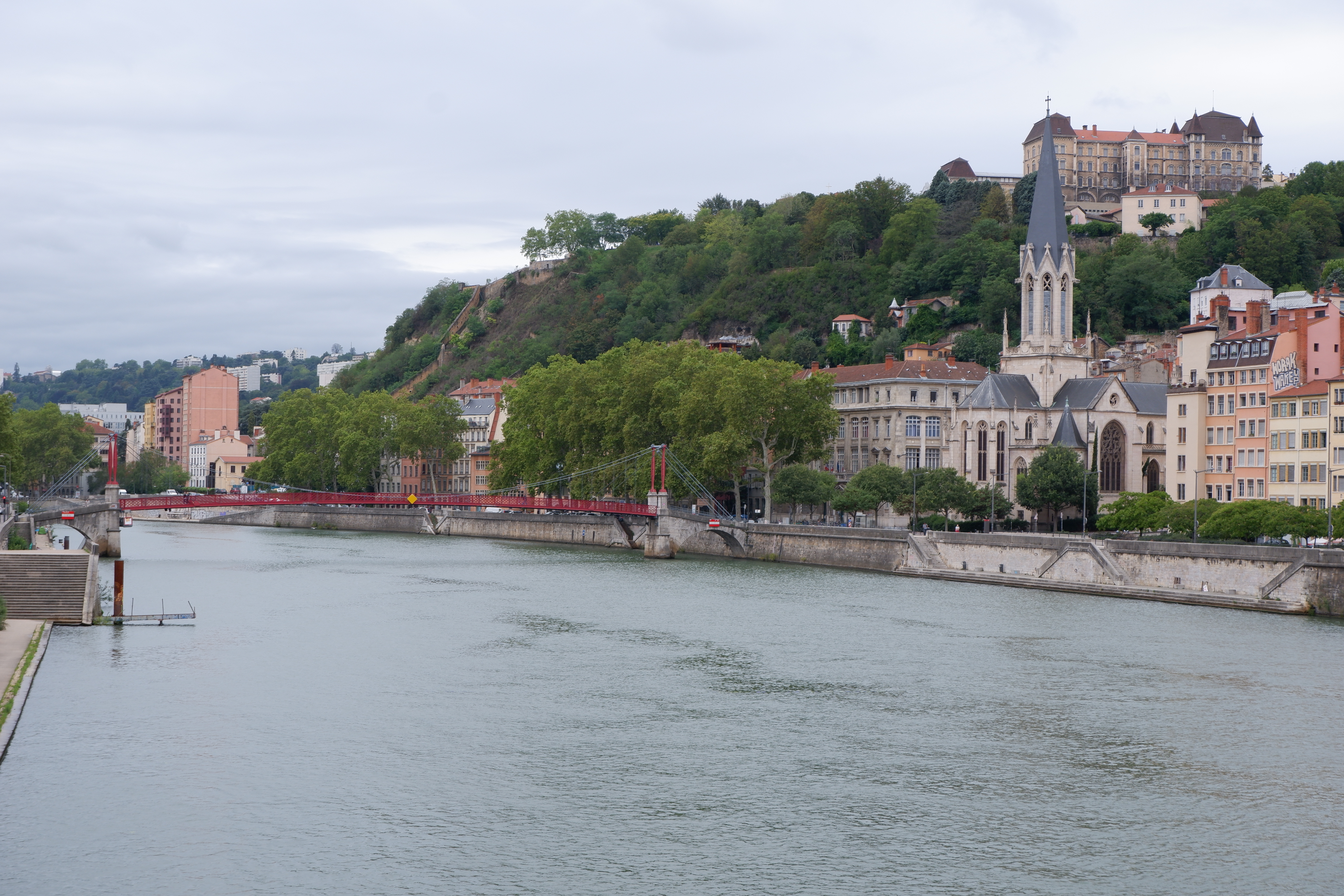


 maryannsholidays